Andrea S., apple and wine grape grower
Santoni Andrea Farm, Pietramurata di Dro (Trento, Italy)
A farm specialising in the production of apples, in particular Gala, Golden, Granny Smith and Fuji, as well as grapes intended for winemaking, supplied to growers’ cooperatives and cooperative wineries.
Santoni Andrea Farm, which has always focused on maximising yields and safeguarding the productivity of its land, began using BioAksxter® in November 2004 after seeing the excellent results achieved on other farms. The main objectives were to improve production, increase grape sugar content, bring young plantings into production earlier, prevent alternate bearing and protect apple orchards from the increasing spread of apple proliferation disease.
In 2005, the main results achieved through the use of BioAksxter® were an increase in grape sugar content and a general rebalancing of the crops, with simplified nutrition and plant protection management.
In the following years, the best results were achieved: young vineyards developed rapidly, and in the first year after planting, 70% of the vines were suitable for training to the pergola system; in the second year after planting, they produced 60 quintals per hectare.
In 2007, grape production stood out for its high sugar content, reaching the highest levels recorded by the cooperative winery; Pinot Grigio was delivered at 23 °Brix. Plant protection was simplified, and grape health was always excellent, even in years when the control of powdery mildew, downy mildew and rots was impossible.
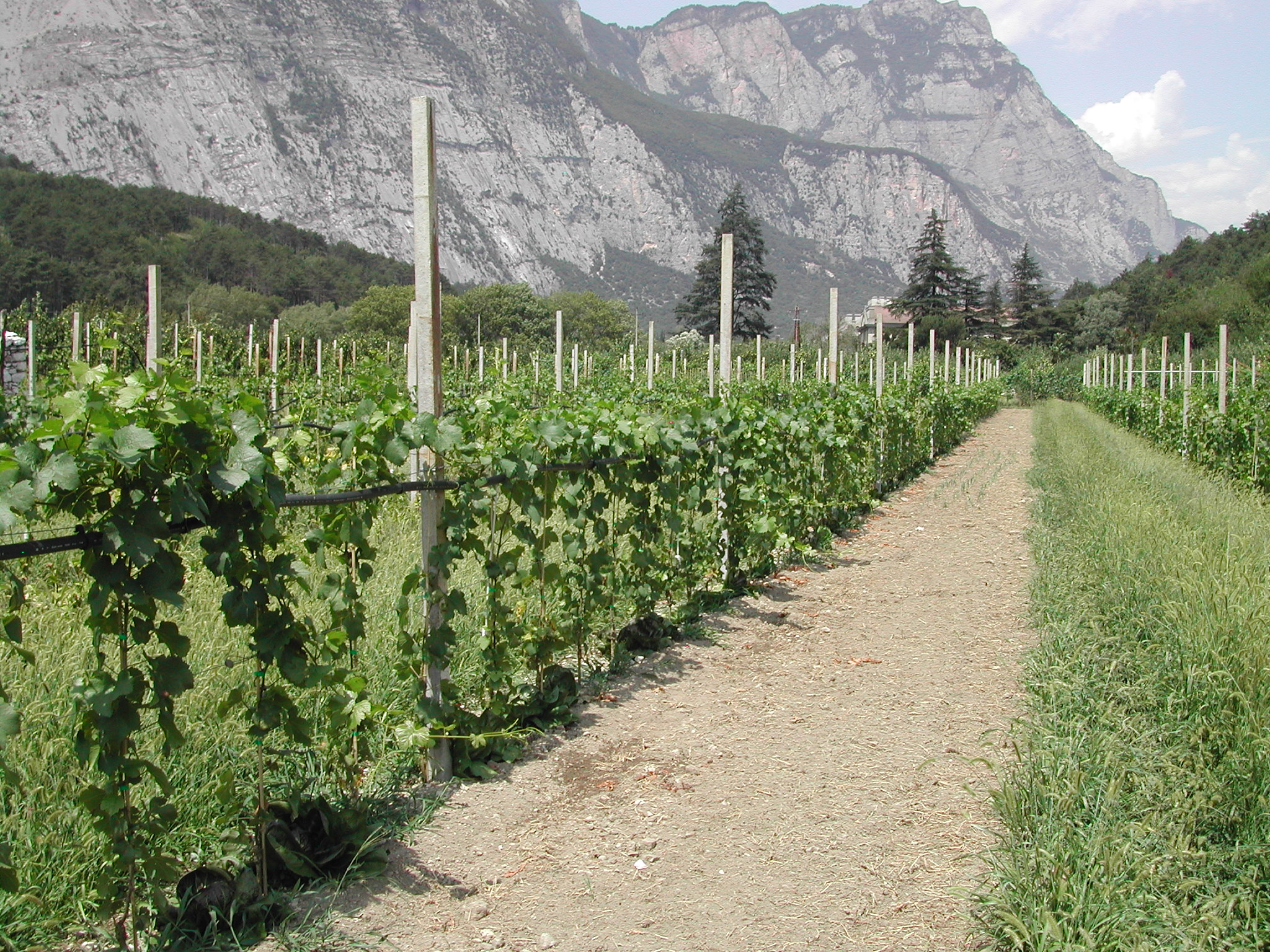
July 2007. Pinot Grigio vineyard in its first growing season, during the third year of treatment with BioAksxter®. By autumn, 70% of the vines had been trained to the pergola system.
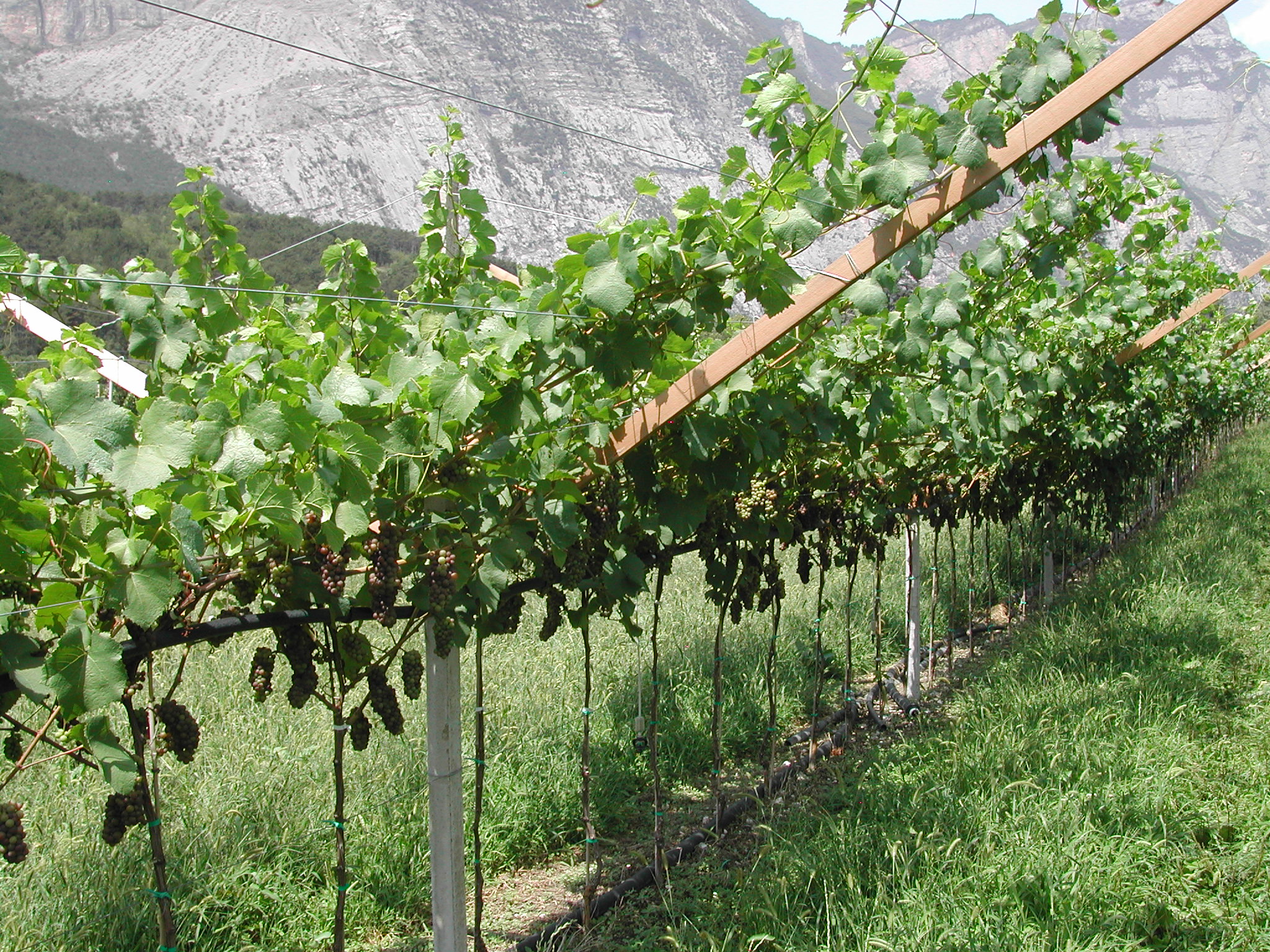
July 2007. Pinot Grigio vineyard in its second growing season, yielding 60 quintals per hectare, during the third year of cultivation with BioAksxter®.
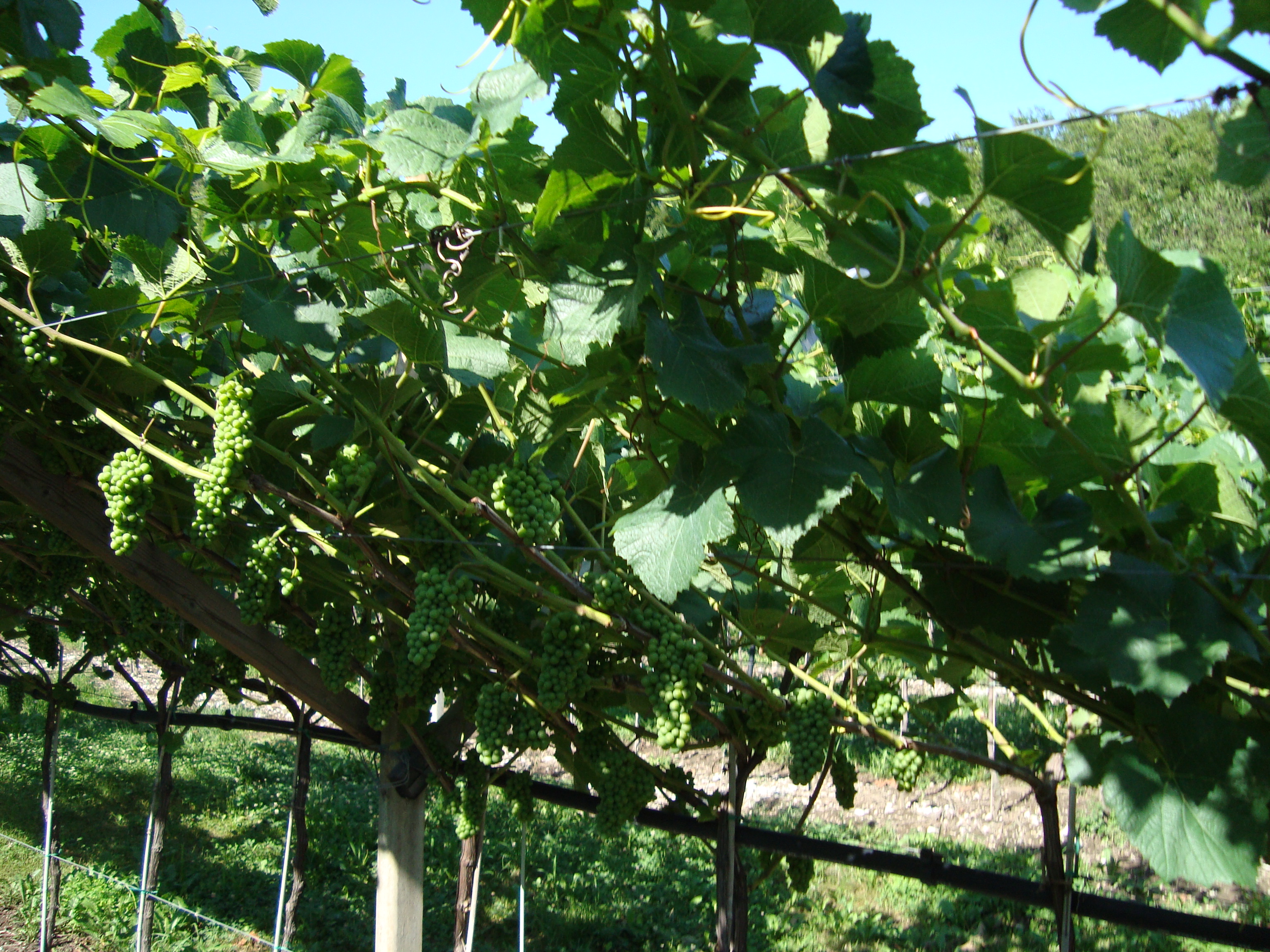
July 2009. Pinot Grigio vineyard characterised by excellent plant health after five years of treatment with BioAksxter®.
In apple orchards, no trees affected by apple proliferation disease were ever observed, despite the spread of the disease in orchards throughout the area. In addition, Granny Smith apple trees that had previously been affected returned to full productivity and no longer showed any symptoms of the disease.
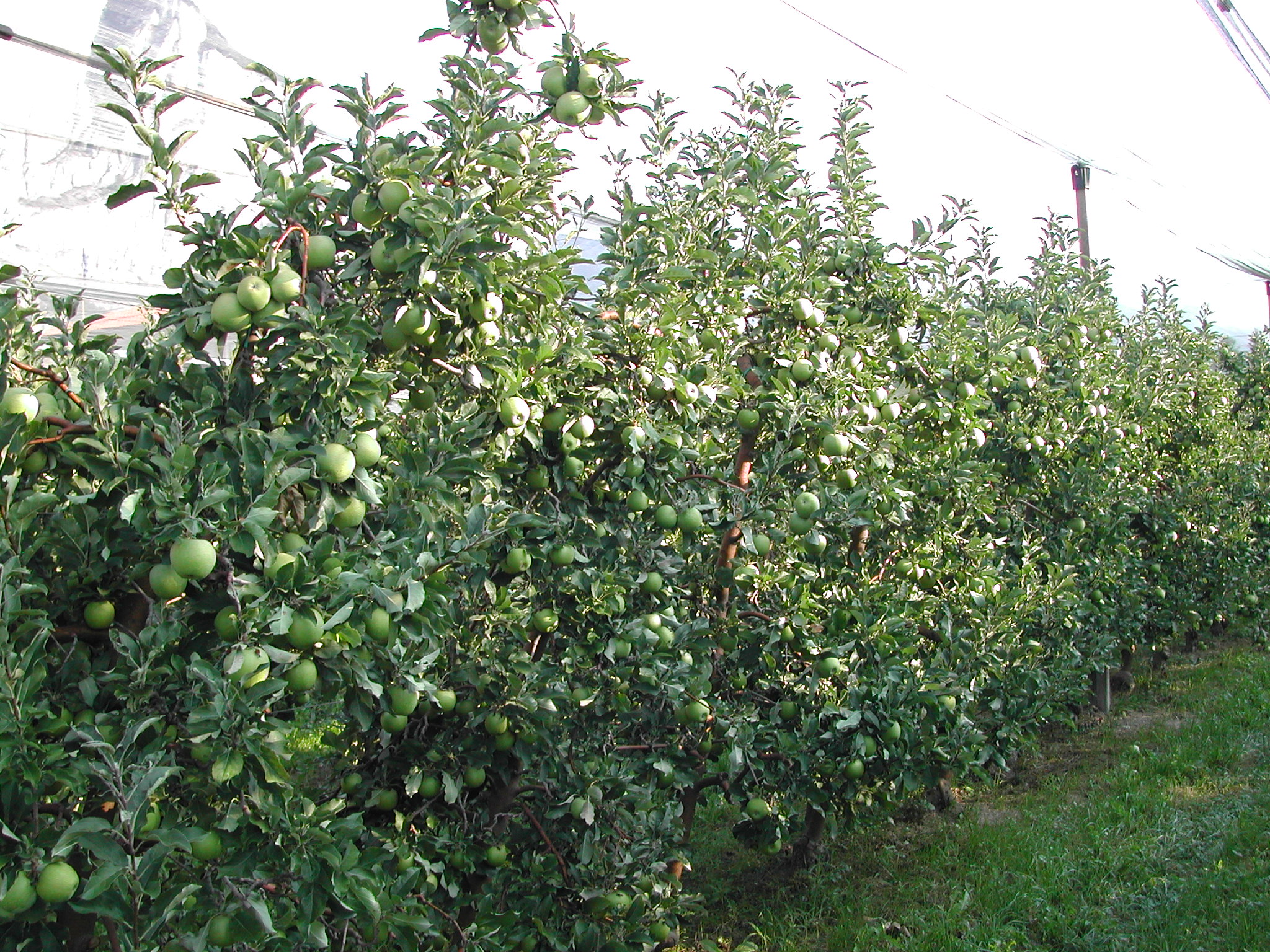
September 2007. Granny Smith apple trees during the third year of treatment with BioAksxter®. Trees previously affected by apple proliferation disease no longer showed any symptoms.
Golden apple production in valley-floor orchards stood out for its high quality and uniform fruit size, reaching 800 quintals per hectare.
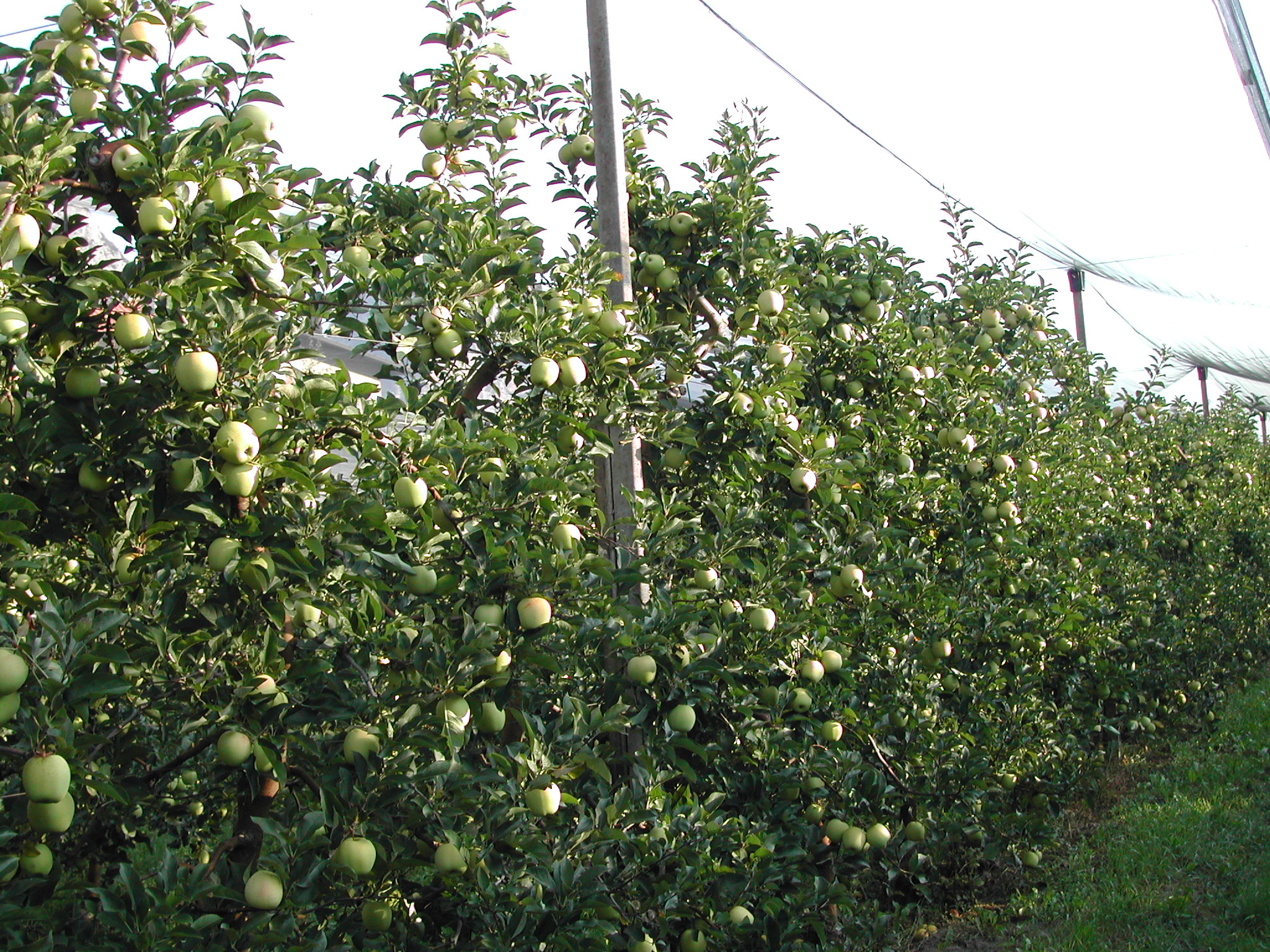
September 2007. Golden apple orchard on the valley floor, during the third year of treatment with BioAksxter®; yield reached 800 quintals per hectare.
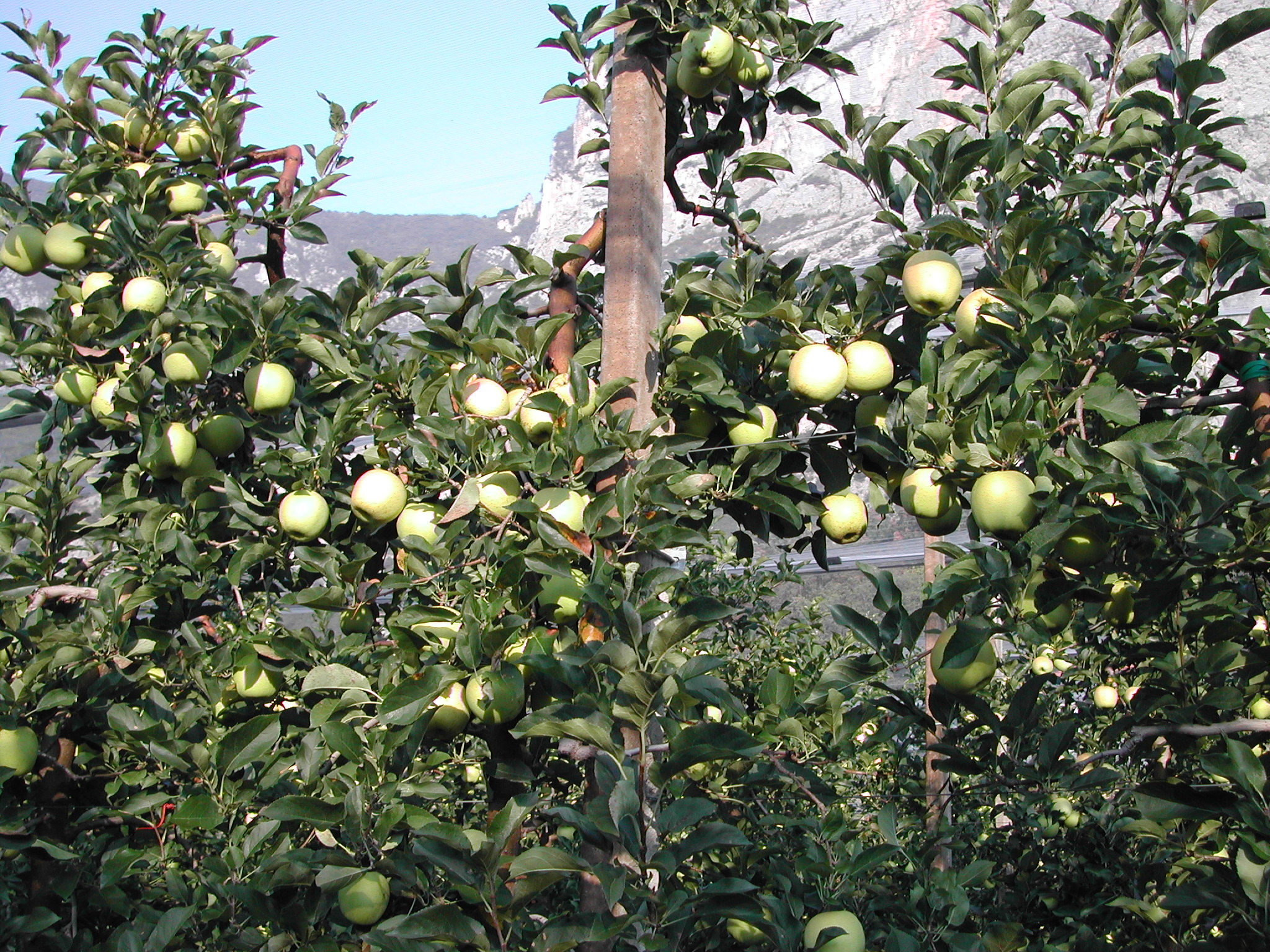
September 2007. Golden apple orchard on the valley floor during the third year of treatment with BioAksxter® – showing the large and highly uniform fruit size.
Apple storage performance was always excellent; after several months in cold storage, rejection rates at the grading stage were negligible.
In years with particularly unfavourable climatic conditions, neither fungal attacks nor yield losses were recorded, as in 2010, when apple scab damaged 25% of the harvests in the area and production declined by 15%.
Young orchards established on replanted land came into production earlier; no alternate bearing occurred, not even in sensitive varieties such as Fuji.
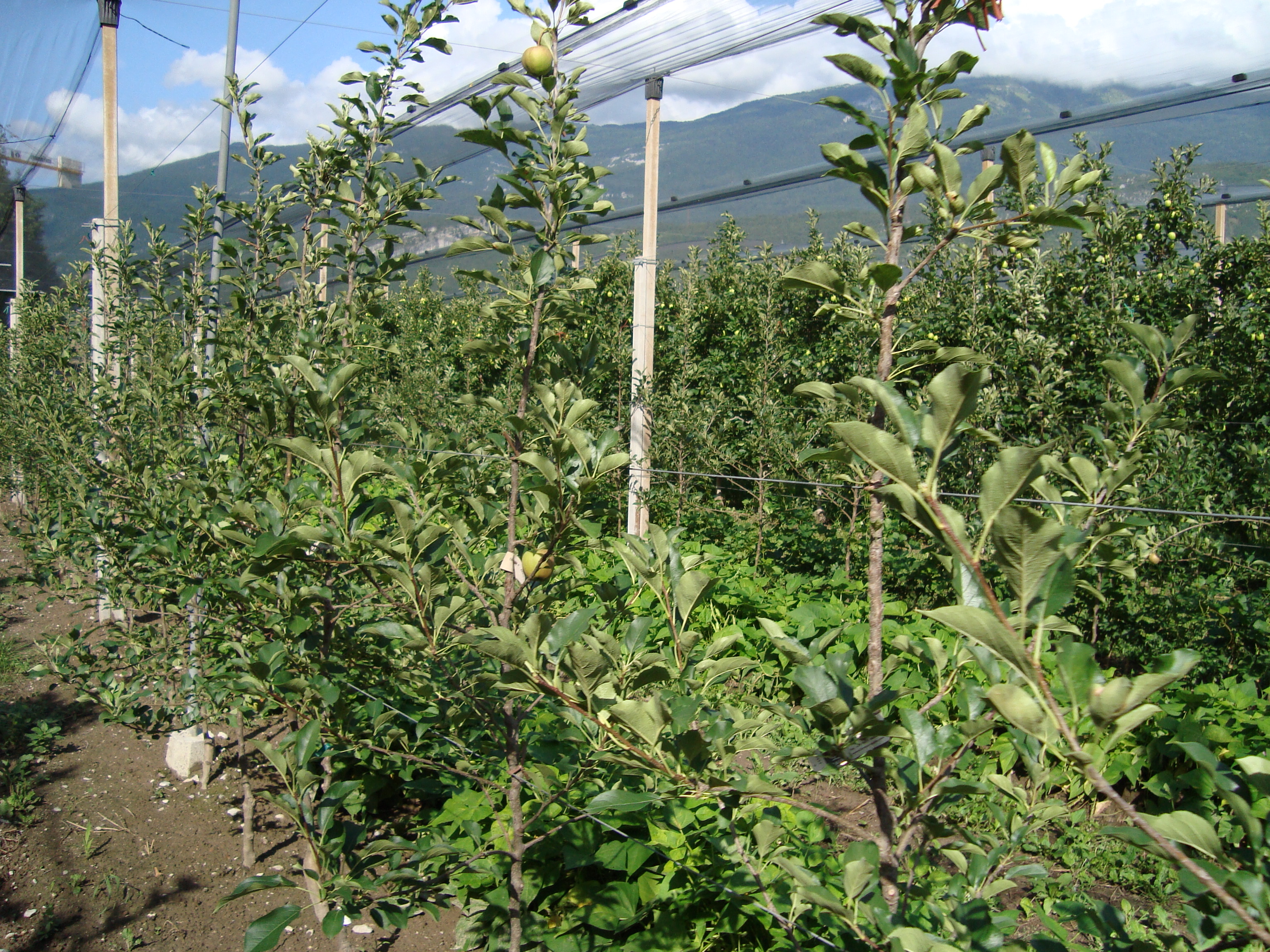
July 2009. First-leaf apple orchard replanted on previously cultivated land, after five years of treatment with BioAksxter®.
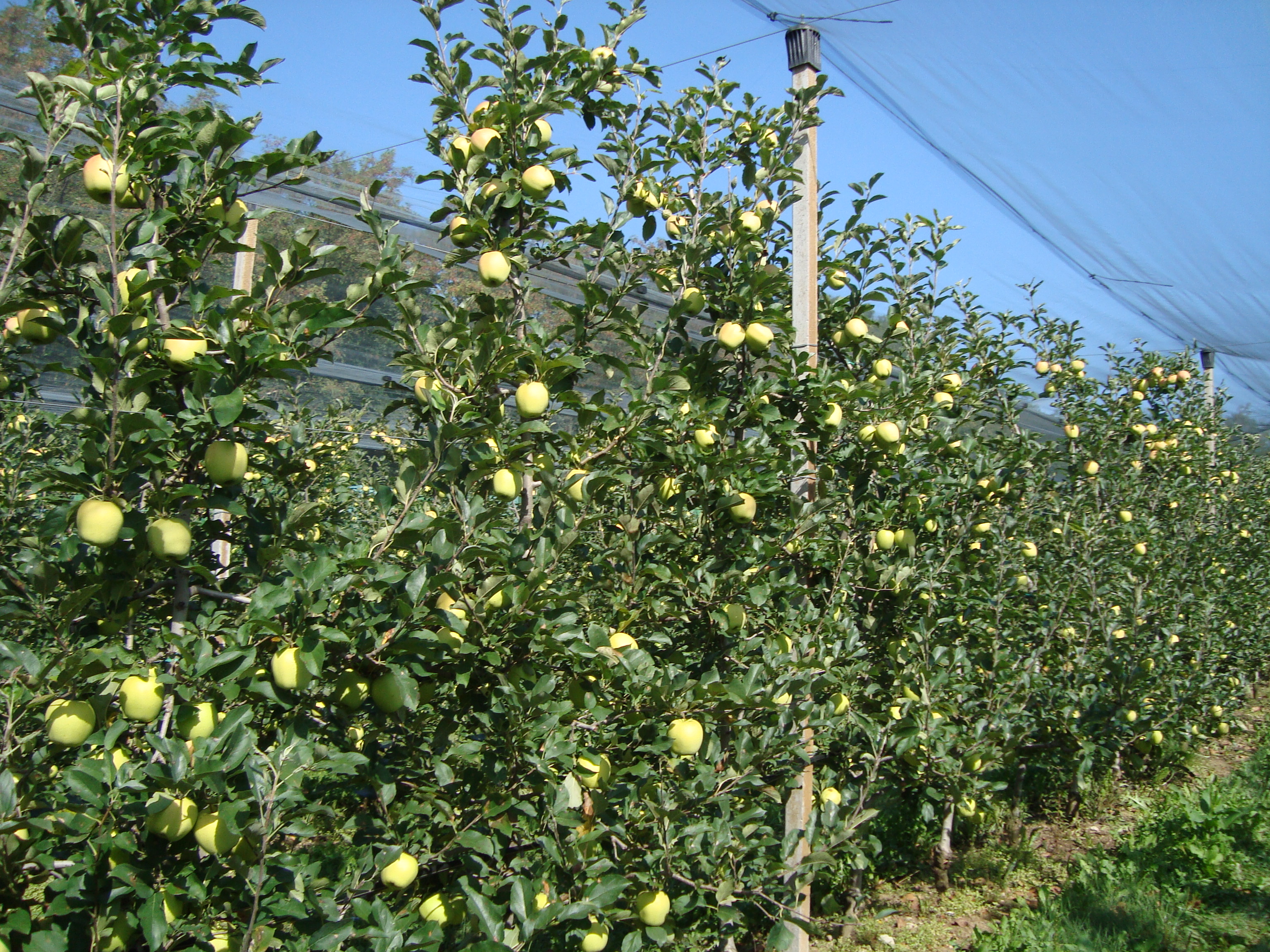
September 2009. Golden apples in their fourth growing season, characterised by high quality and uniform fruit size, after five years of cultivation with BioAksxter®.
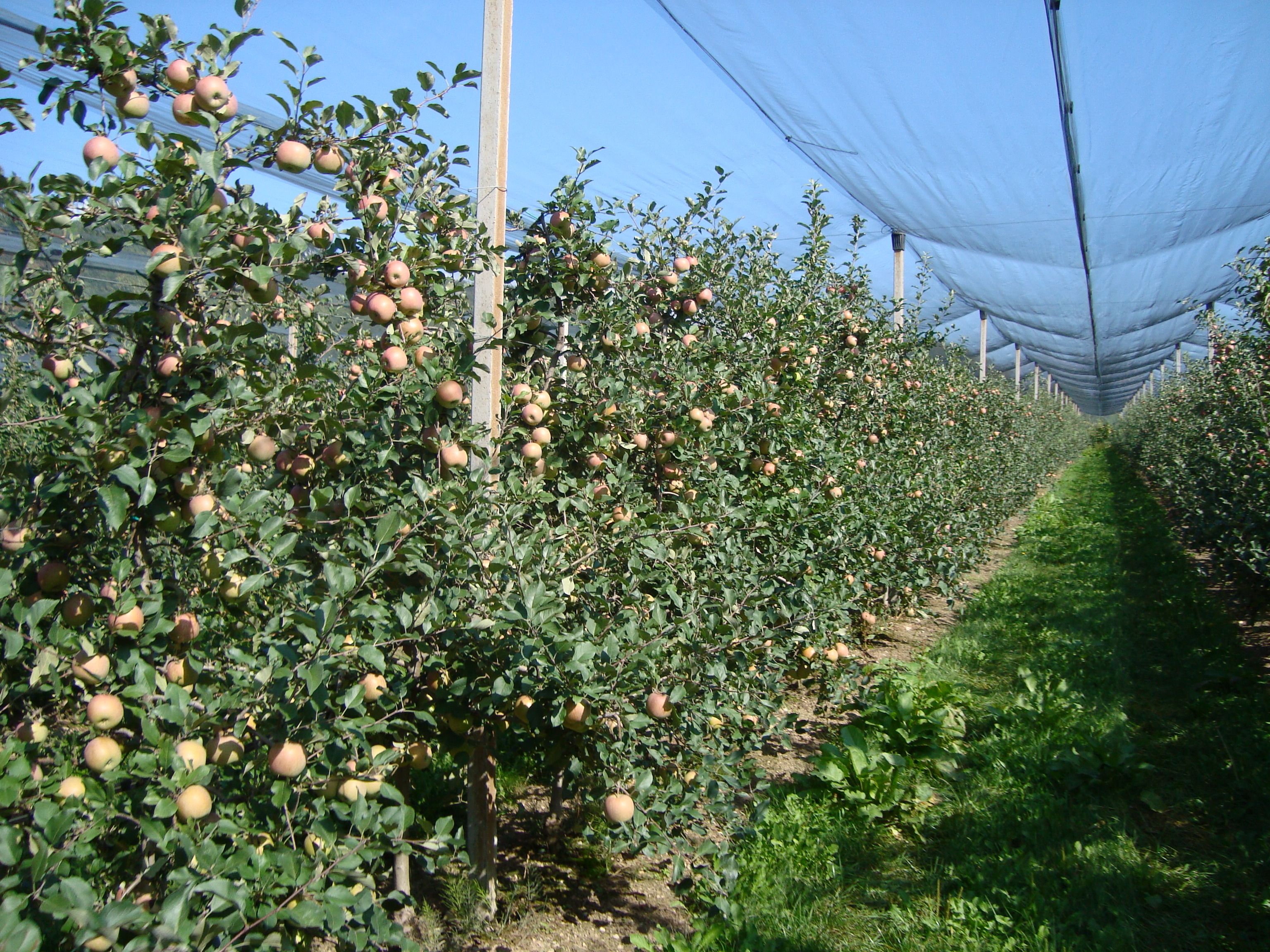
September 2009. Fuji orchard in its fourth growing season, free from alternate bearing, after six years of cultivation with BioAksxter®.
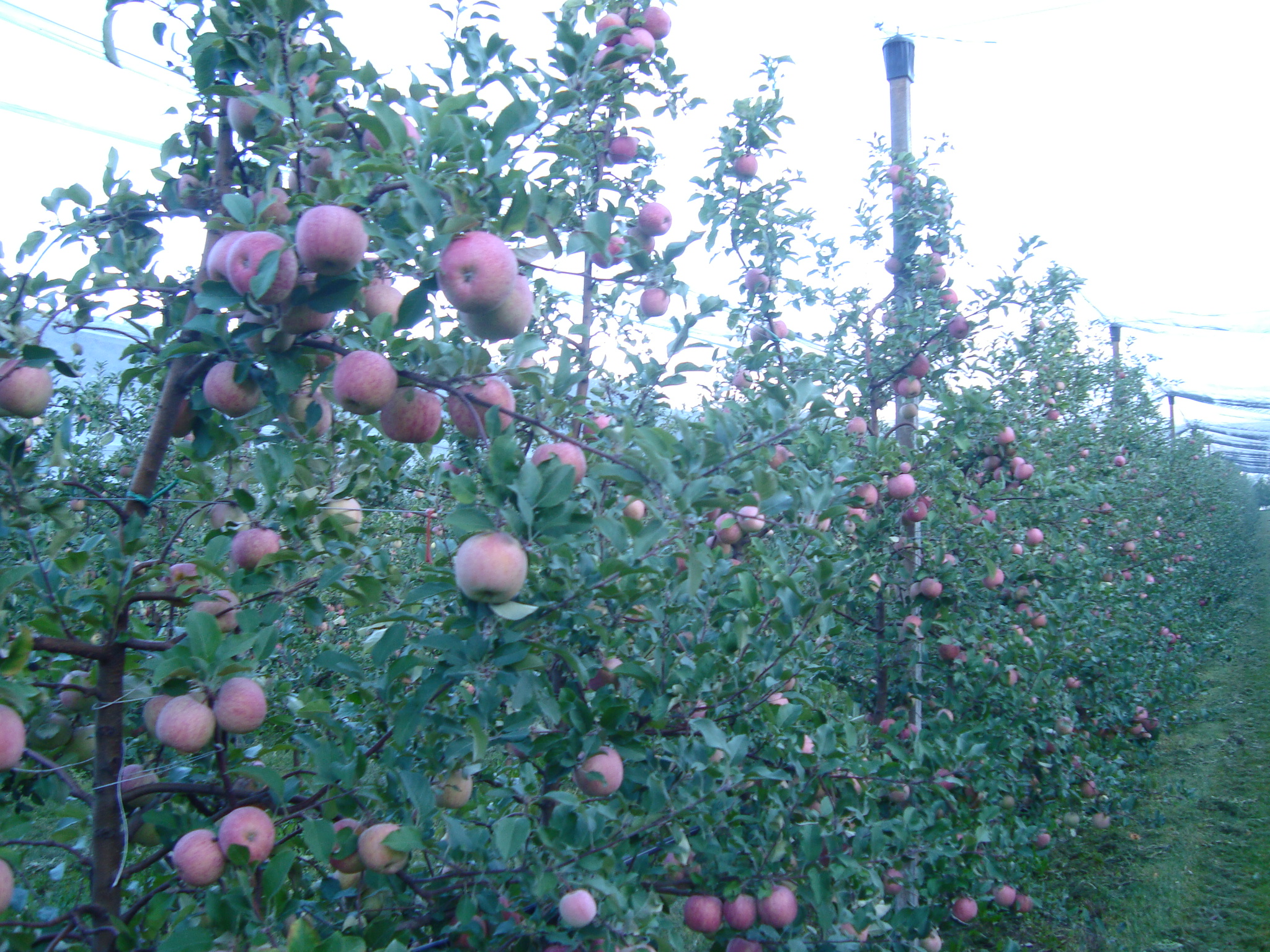
October 2010. Fuji orchard in its fifth growing season, free from alternate bearing, after five years of cultivation with BioAksxter®.
Since Santoni Andrea Farm began using BioAksxter®, grape and apple production has improved further. The farm has become a point of reference for many other growers.


