Dario & Adriano, vegetable and fruit growers
Tezza Dario & Adriano Farm, Verona (Italy)
A fruit and vegetable farm specialising in greenhouse and open-field vegetable production (courgettes, tomatoes and head lettuce), as well as strawberries, peaches and kiwifruit for the wholesale market.
The use of BioAksxter® began in June 2007 with the specific aim of resolving the problem of collar rot in courgettes, which was causing extensive plant mortality and a significant reduction in both the harvesting period and crop yields.
In 2008, the use of BioAksxter® was extended to peaches, nectarines and kiwifruit, with the aim of improving both quality and yield and addressing other significant problems, including Sharka (plum pox disease).
The problem of collar rot in courgettes affected both greenhouse and open-field crops. Courgette plant mortality began approximately one month after transplanting, initially affecting 10% of the plants. Over the following 30 days, the problem spread throughout the entire crop, resulting in a complete decline in productivity.
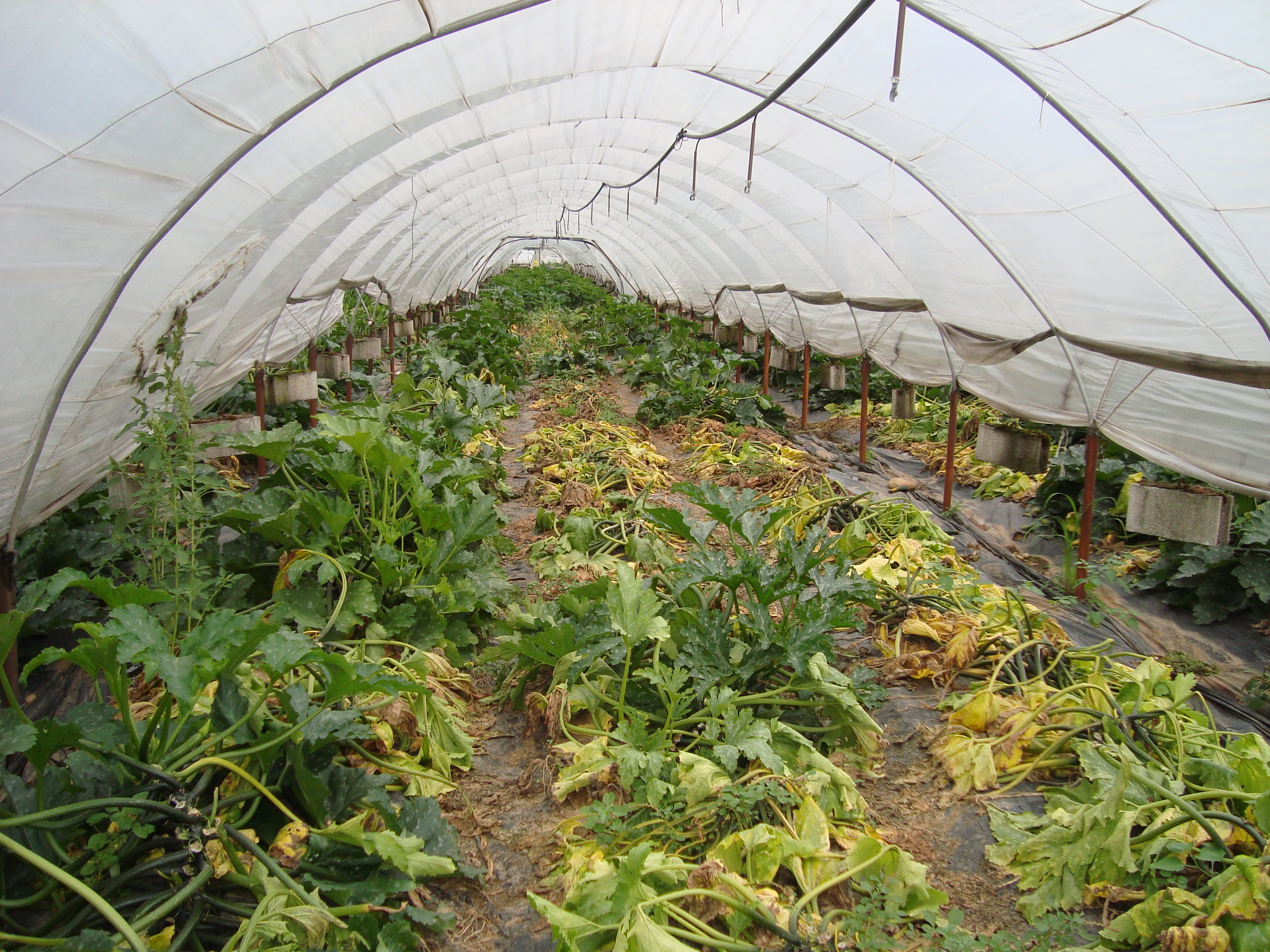
Extensive courgette plant mortality in a greenhouse after 30 days of harvesting, caused by collar rot.
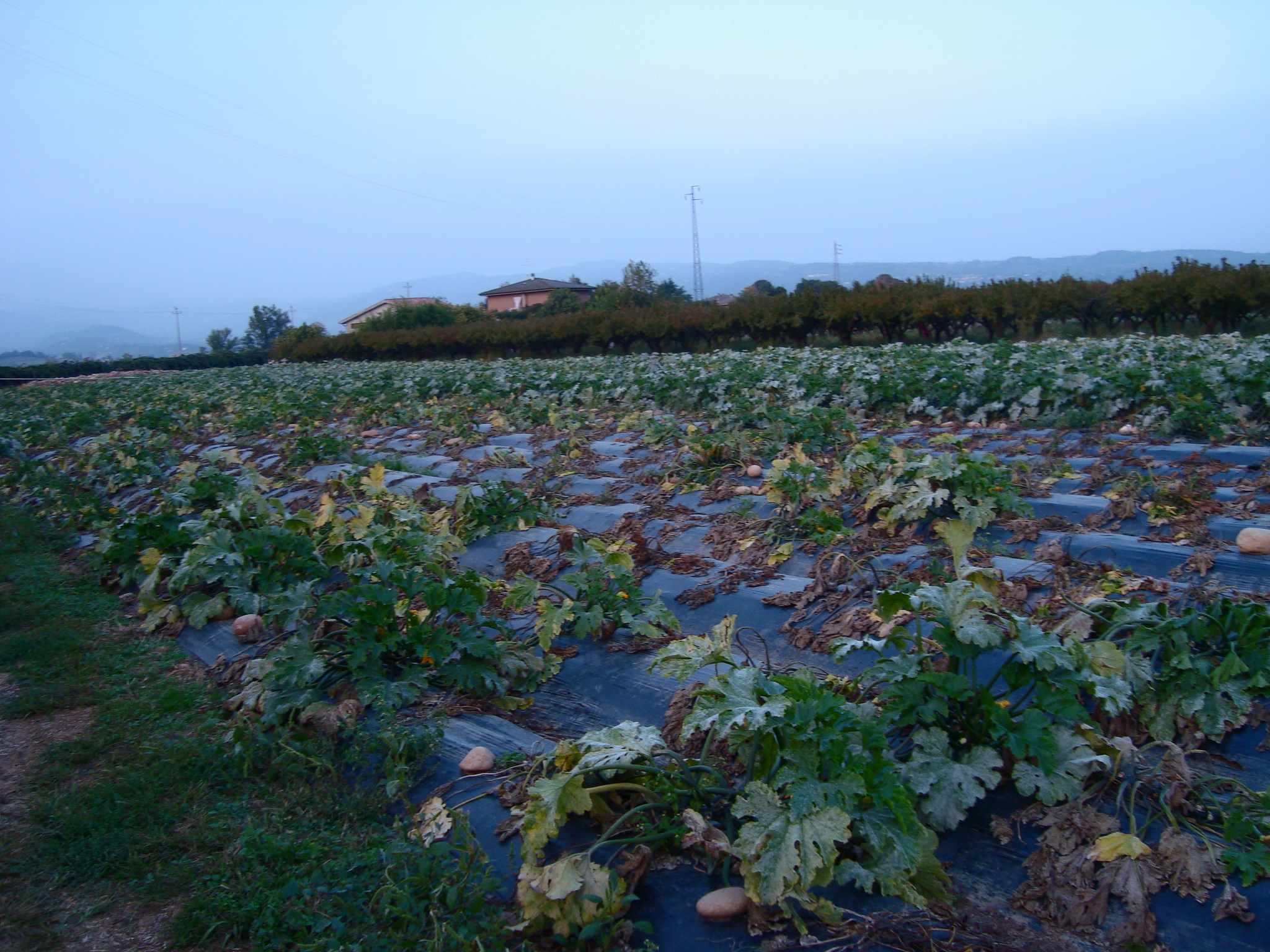
Extensive courgette plant mortality in an open-field crop at the end of the growing cycle, caused by collar rot.
During the first three months of treatment with BioAksxter®, improvements became evident: the onset of collar rot was delayed by 15 days, plant mortality progressed more slowly and the harvesting period was extended by 30 days.
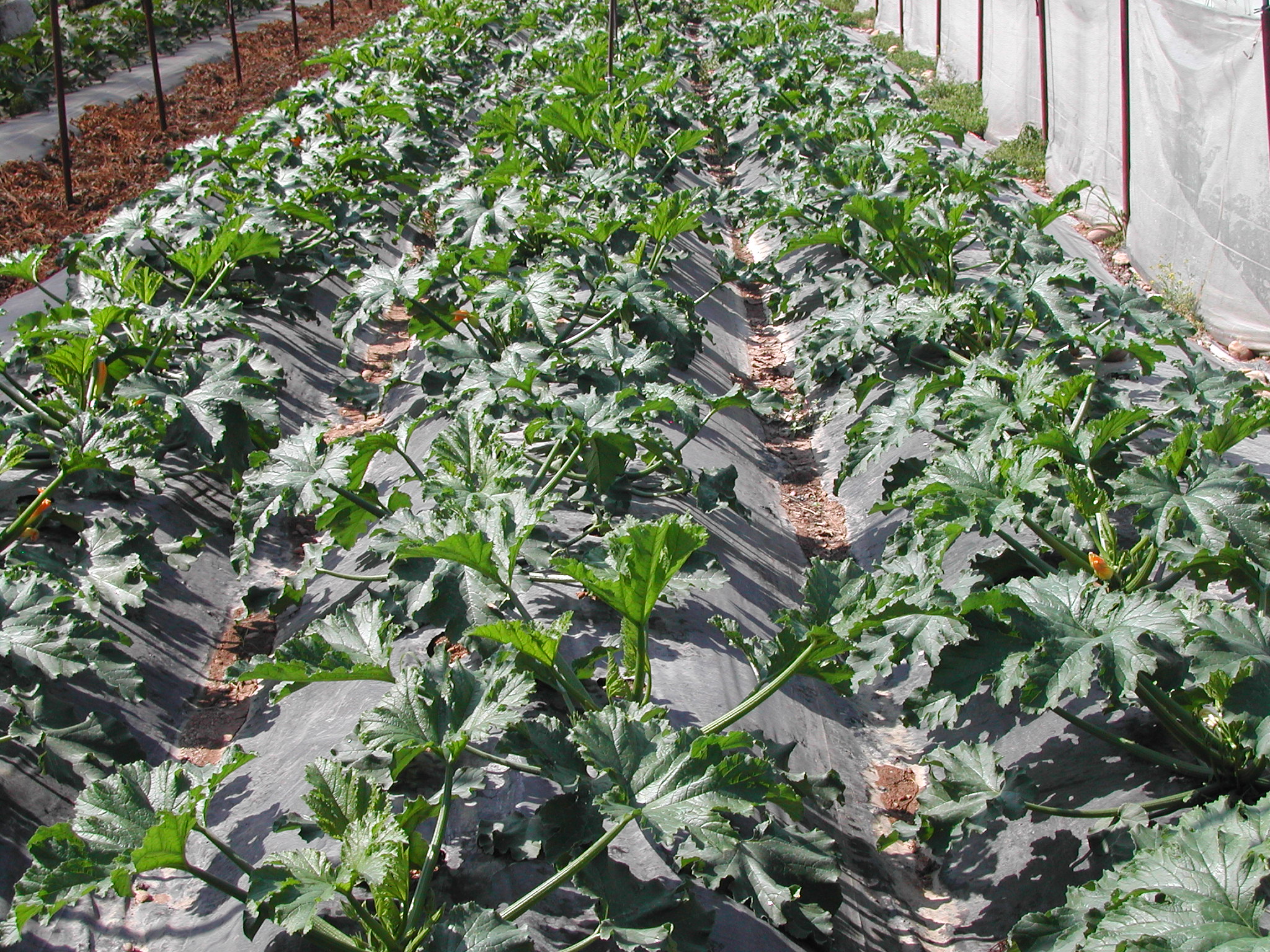
July 2007. Courgette crop after one month of treatment with BioAksxter®, with no plant mortality observed 30 days after transplanting.
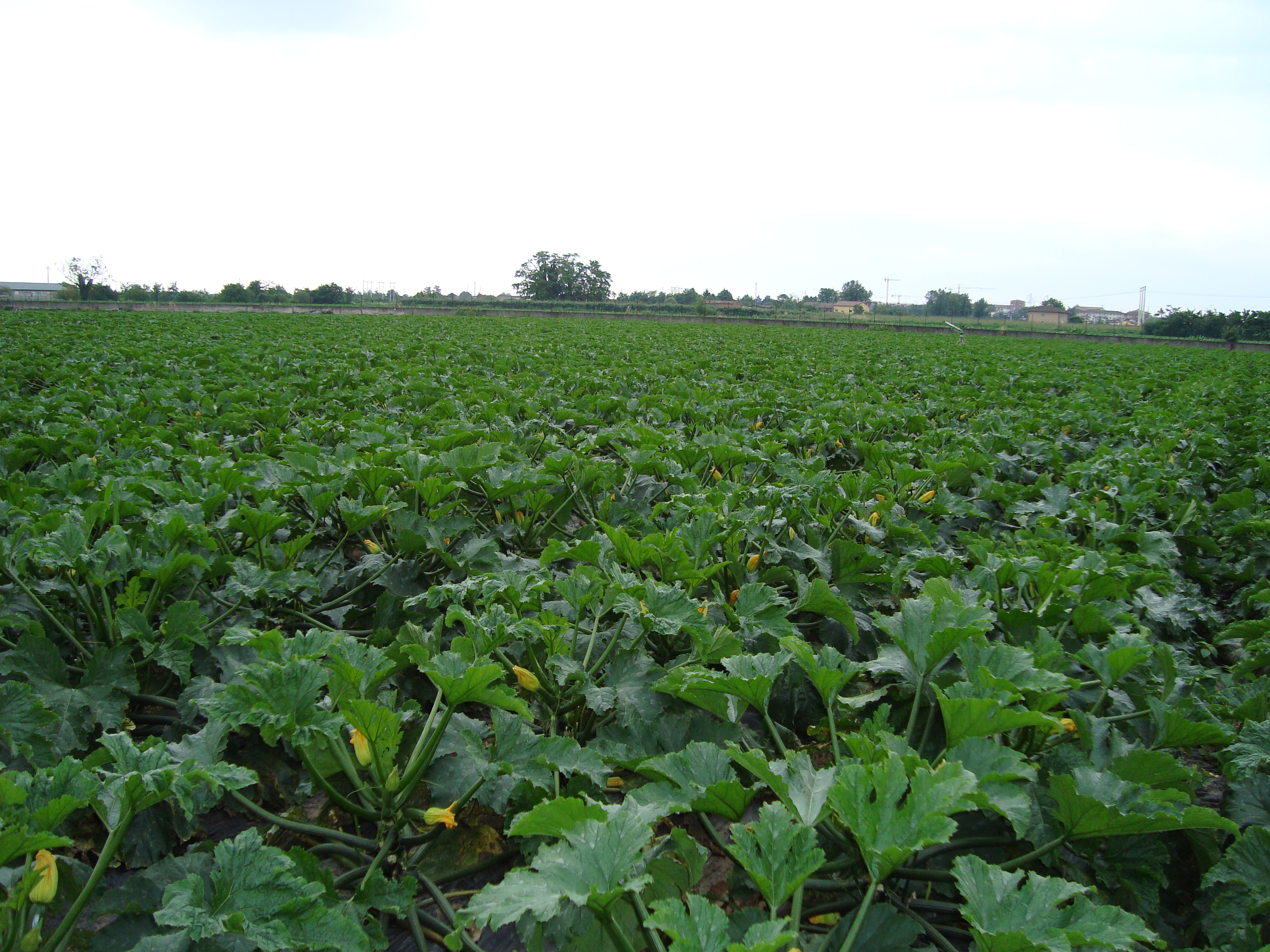
Courgette crop after three months of treatment with BioAksxter®, following 30 days of harvesting.
After two years of treatment with BioAksxter®, the problem of collar rot in courgettes was completely resolved, and some open-field plantings continued producing courgettes for 110 days.
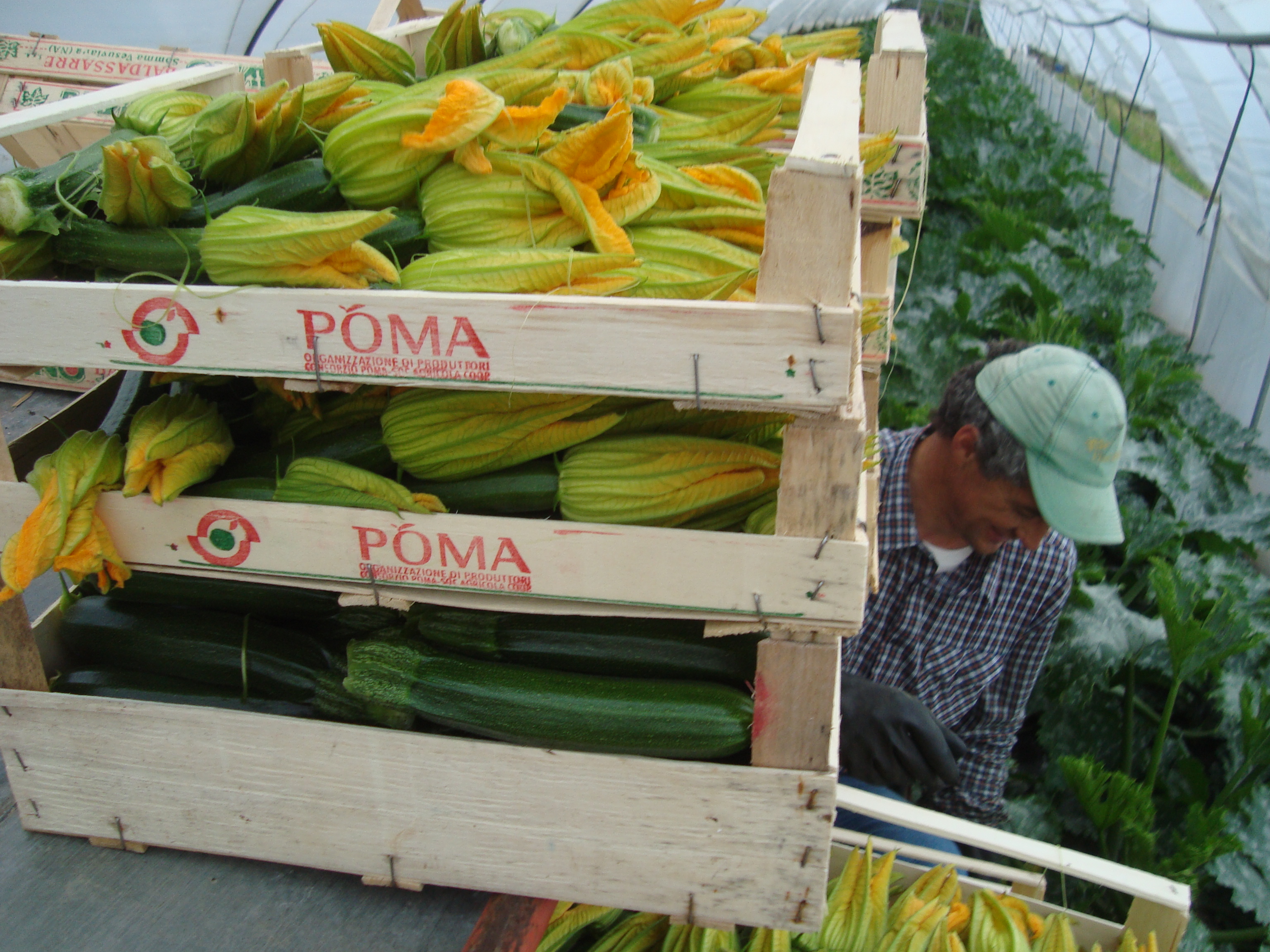
Courgette plants cultivated with BioAksxter® during harvesting operations.
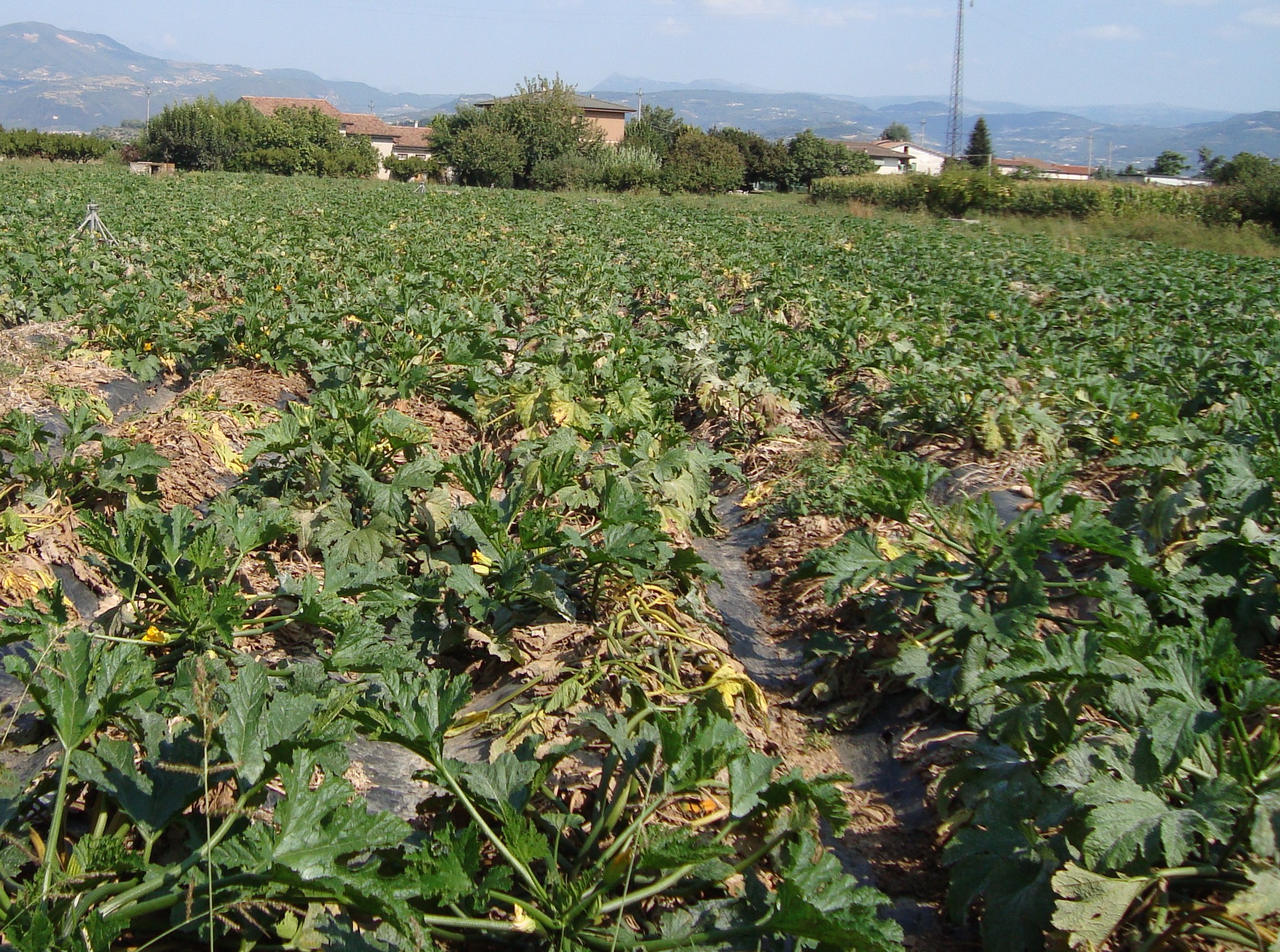
Courgette crop after two years of treatment with BioAksxter®, following 110 days of harvesting.
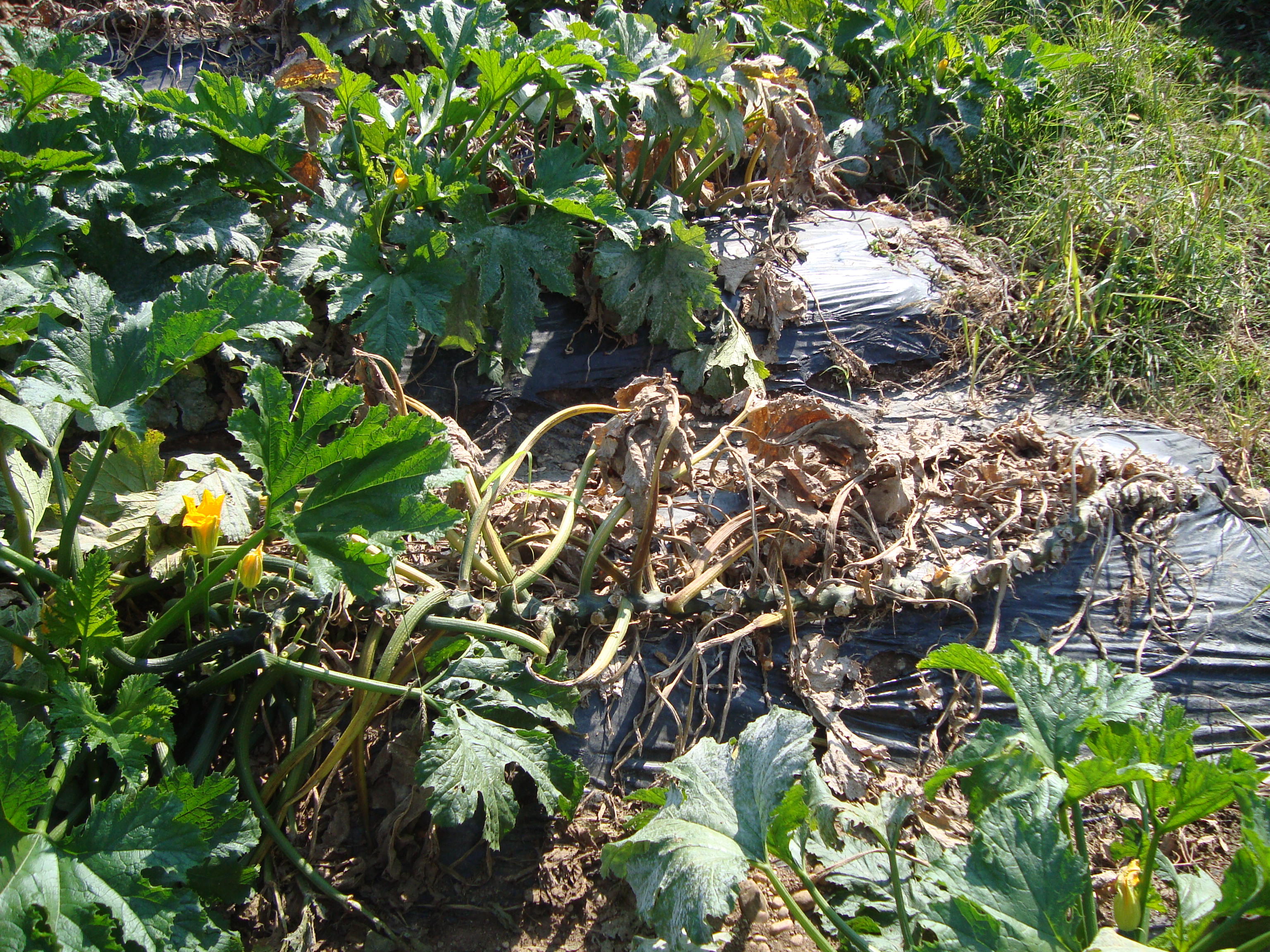
Courgette crop after two years of treatment with BioAksxter®, showing a plant after 110 days of harvesting.
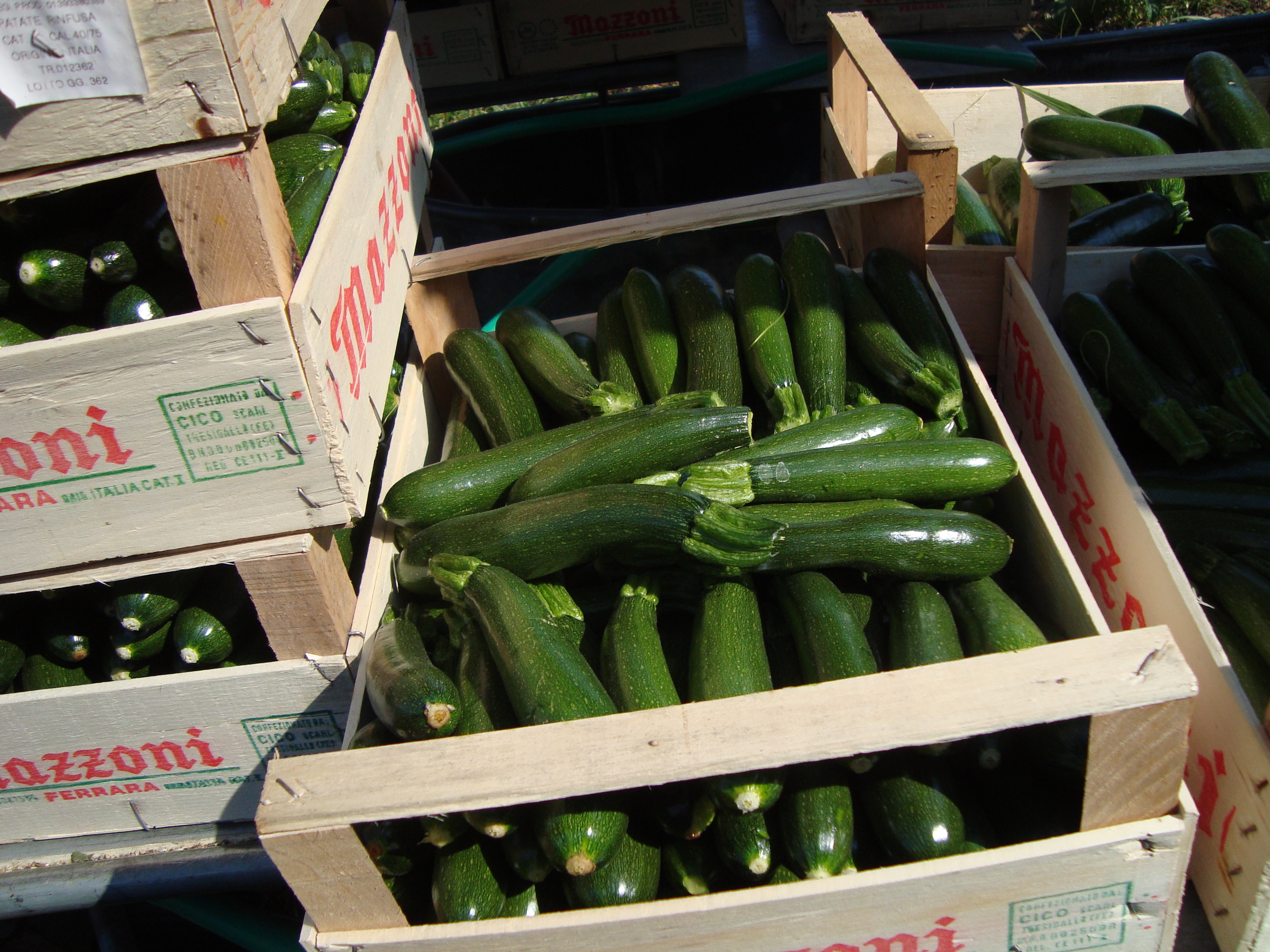
Courgettes harvested from plants cultivated with BioAksxter® that had been producing for 110 days.
Strawberry, tomato and lettuce crops progressively developed greater resistance to diseases and climatic stress, with improvements in productivity and quality.
Blossom-end rot in elongated tomatoes, fruit deformation and Botrytis in strawberries, and downy mildew and rots in lettuce were resolved.
Harvesting periods were extended and rejection rates decreased, while the flavour, colour and storage life of the produce improved considerably.
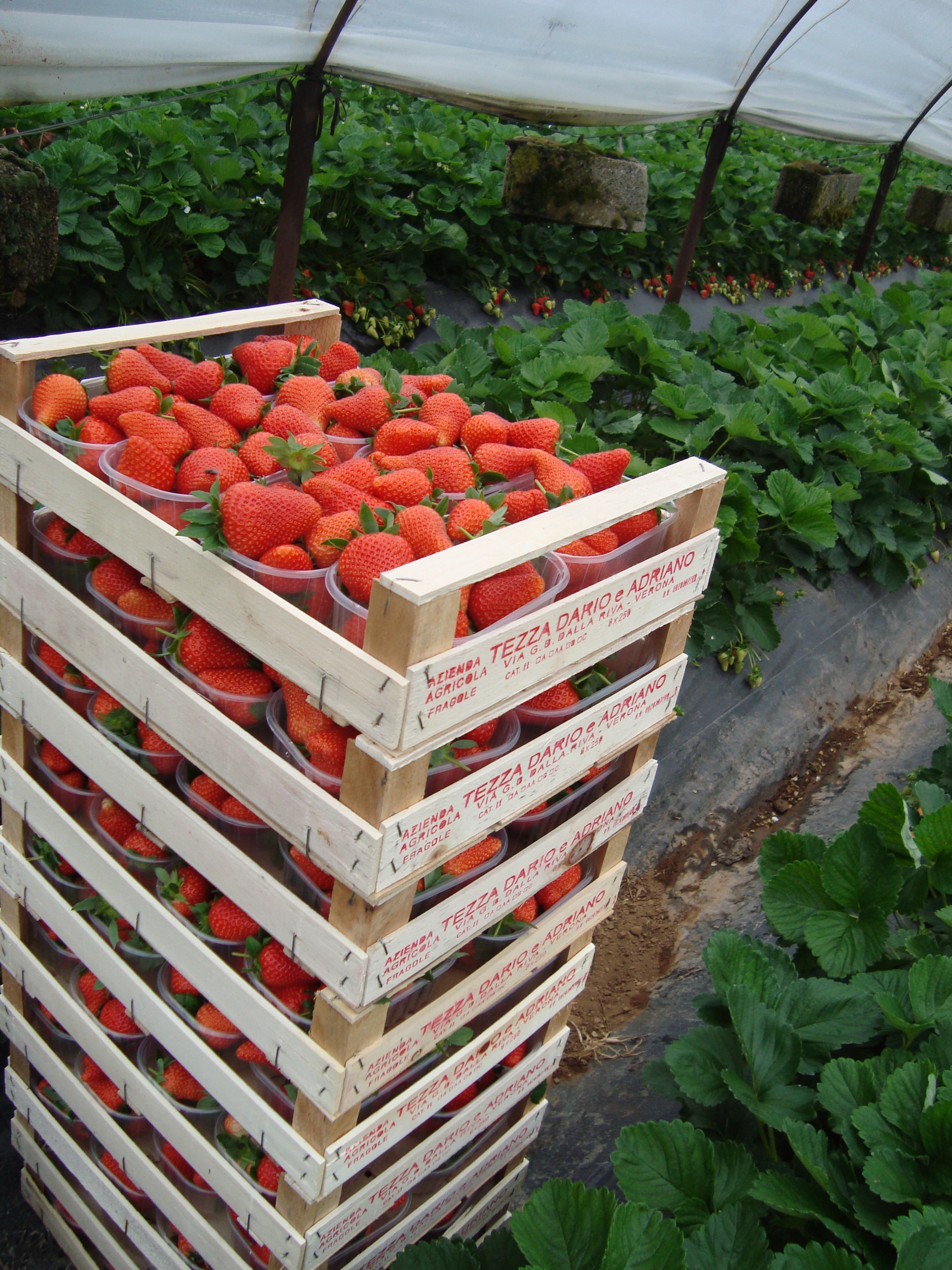
May 2010. Strawberry crop with no rejected produce after three years of treatment with BioAksxter®.
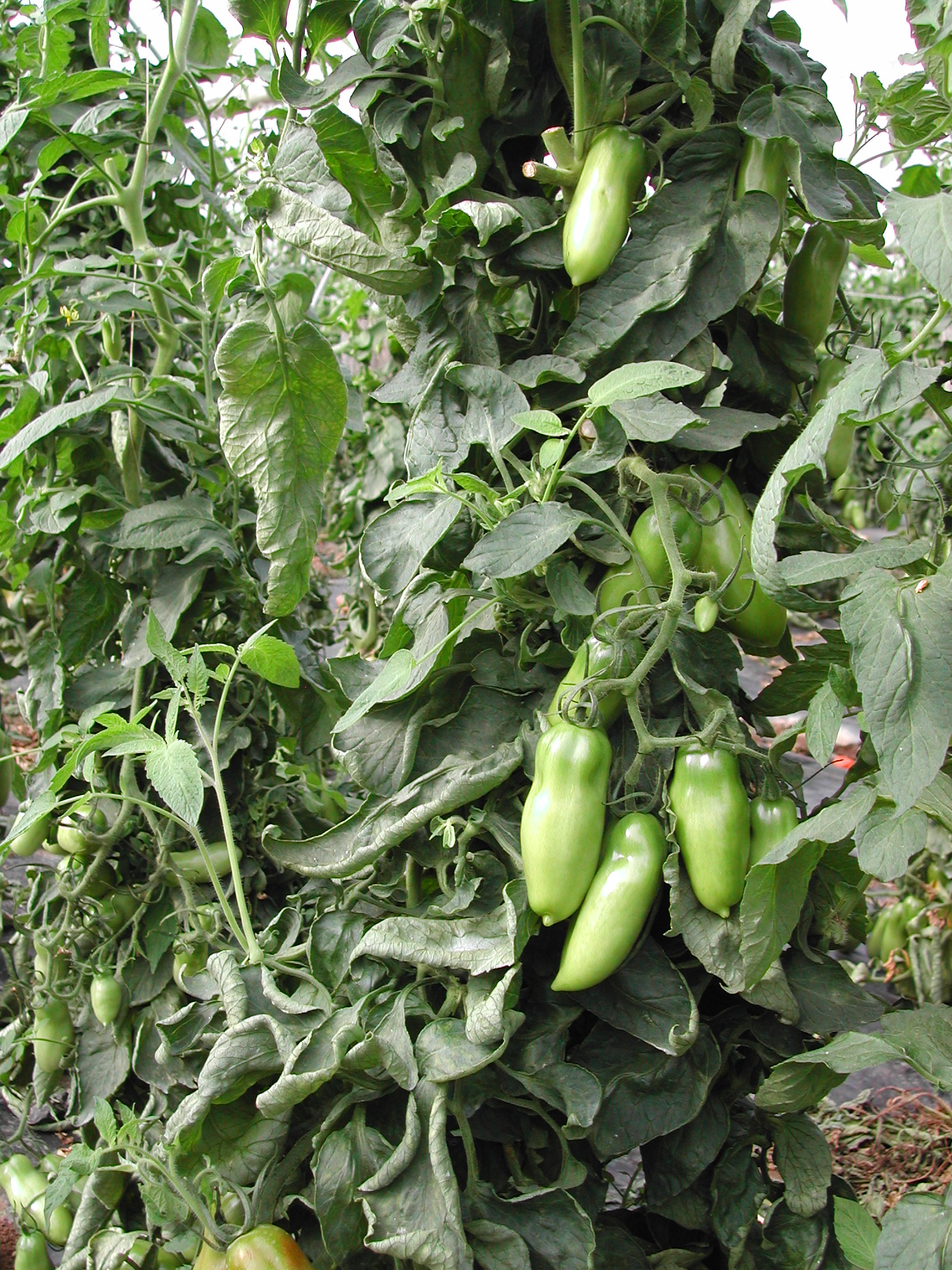
September 2007. Elongated tomato crop showing no blossom-end rot after three months of treatment with BioAksxter®.
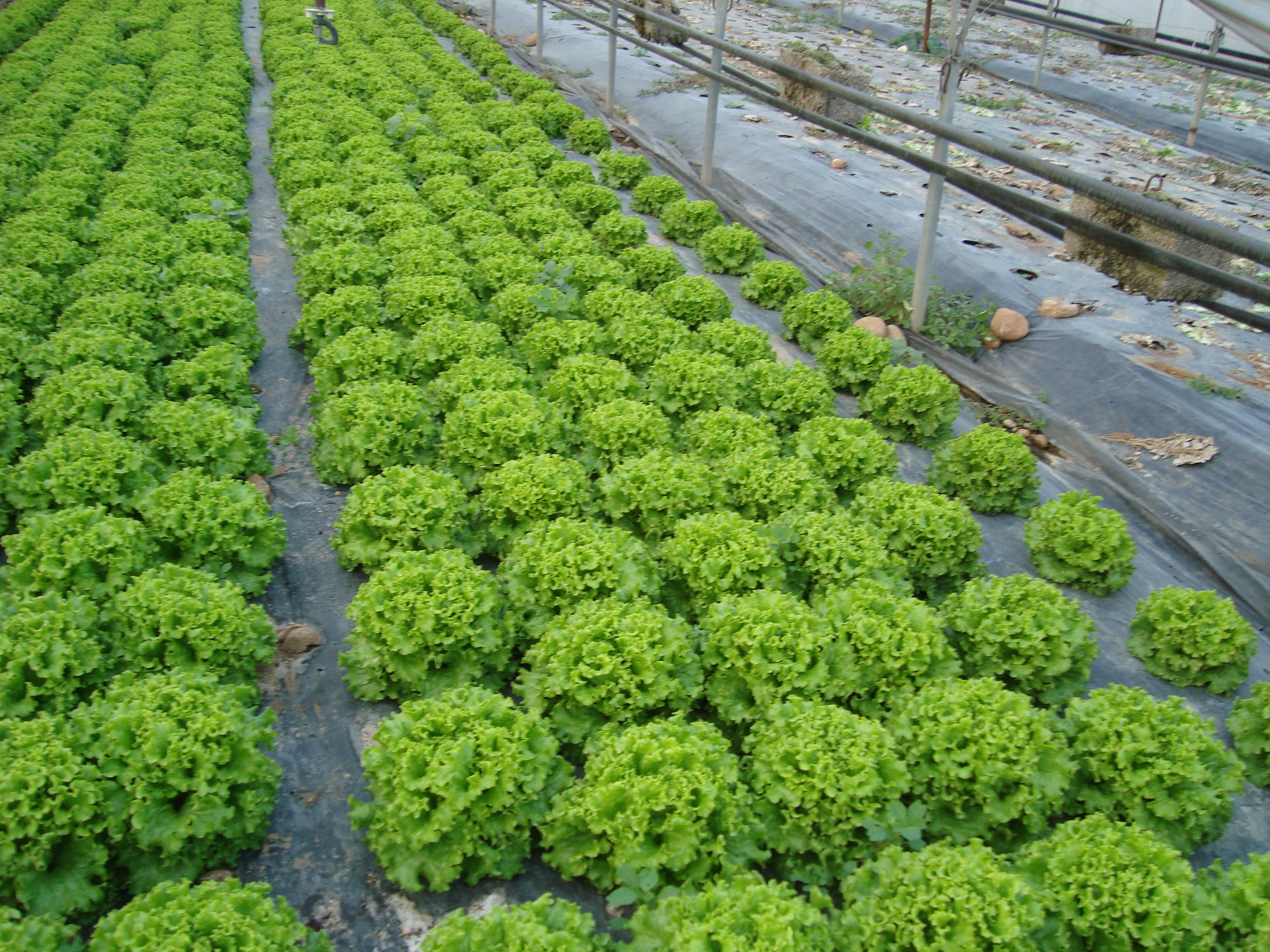
September 2008. Lettuce crop in excellent health after one year of treatment with BioAksxter®.
In kiwifruit, peach and nectarine cultivation, the use of BioAksxter®, which began in November 2008, resulted in a 2009 harvest in which peach size and uniformity were considerably greater than in the previous year. Most notably, Sharka symptoms were substantially reduced.
Fruit retention on the trees and post-harvest keeping quality improved, while abnormalities in fruit shape and colour were negligible, even in the most susceptible varieties, such as Big Top.
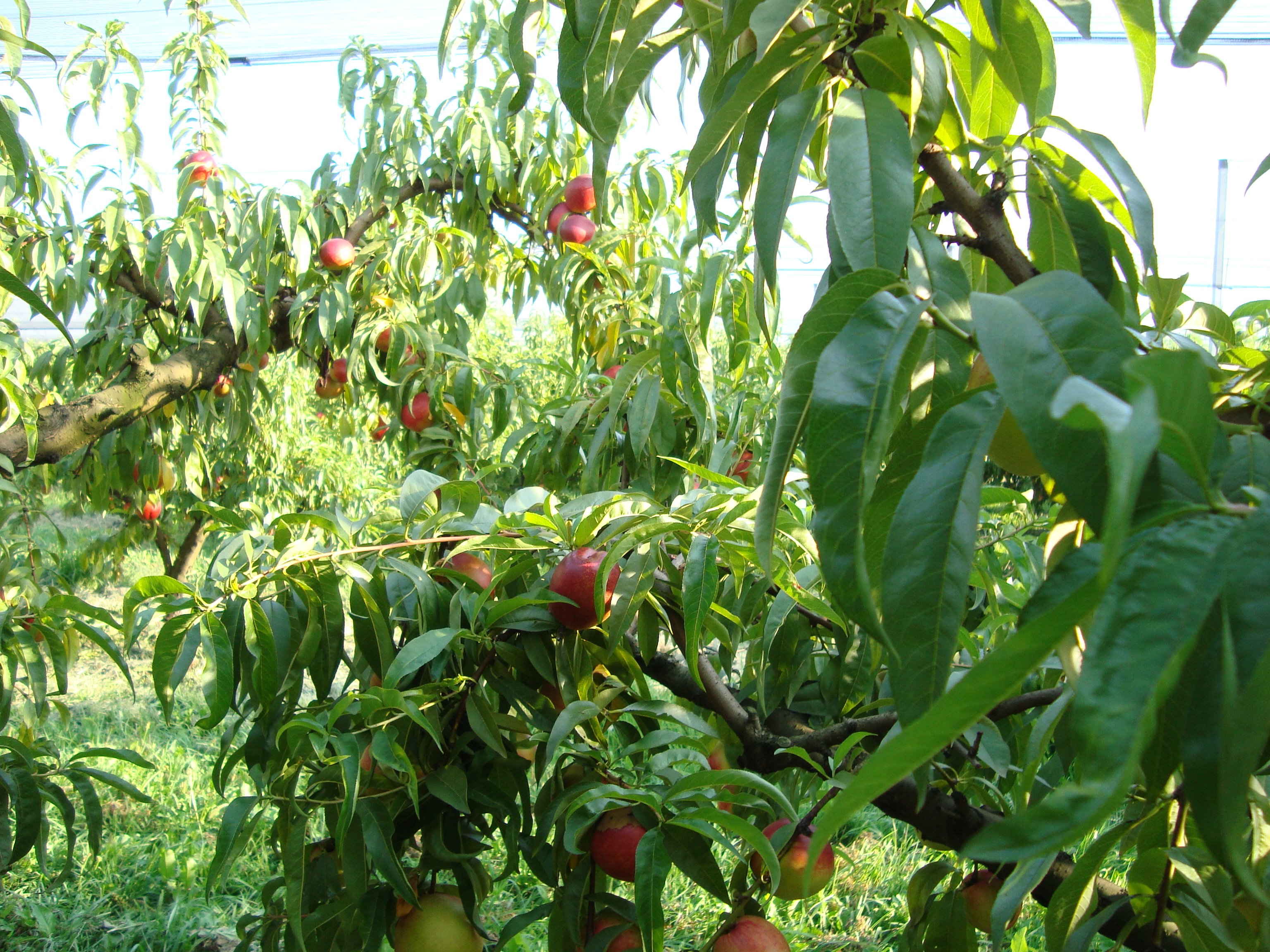
July 2009. Big Top nectarines at the third picking, showing reduced Sharka symptoms during the first year of treatment with BioAksxter®.
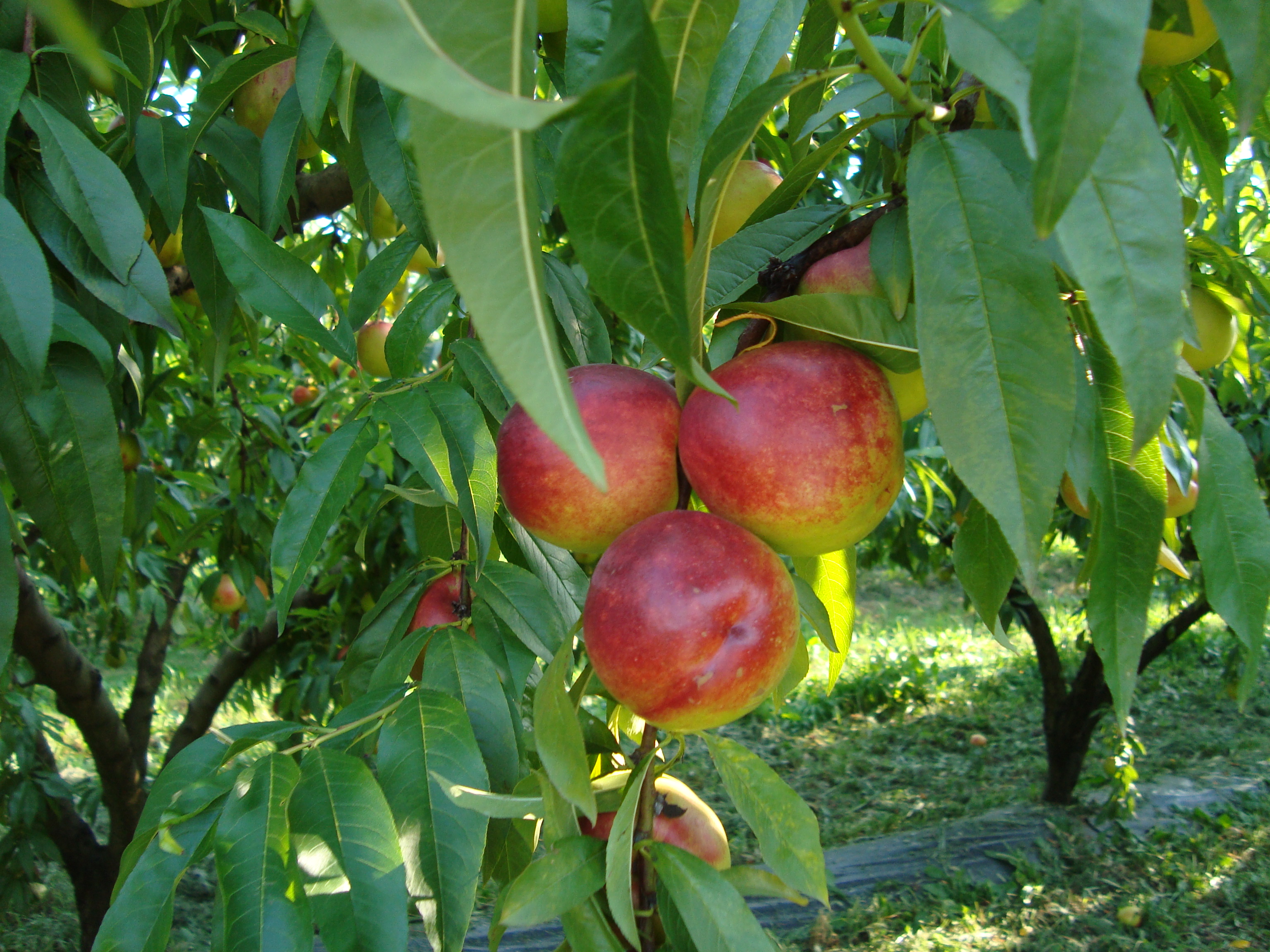
July 2009. Close-up of Big Top nectarines at the third picking, showing reduced Sharka symptoms during the first year of treatment with BioAksxter®.
Kiwifruit production was also high in terms of both yield and fruit size, with excellent uniformity.
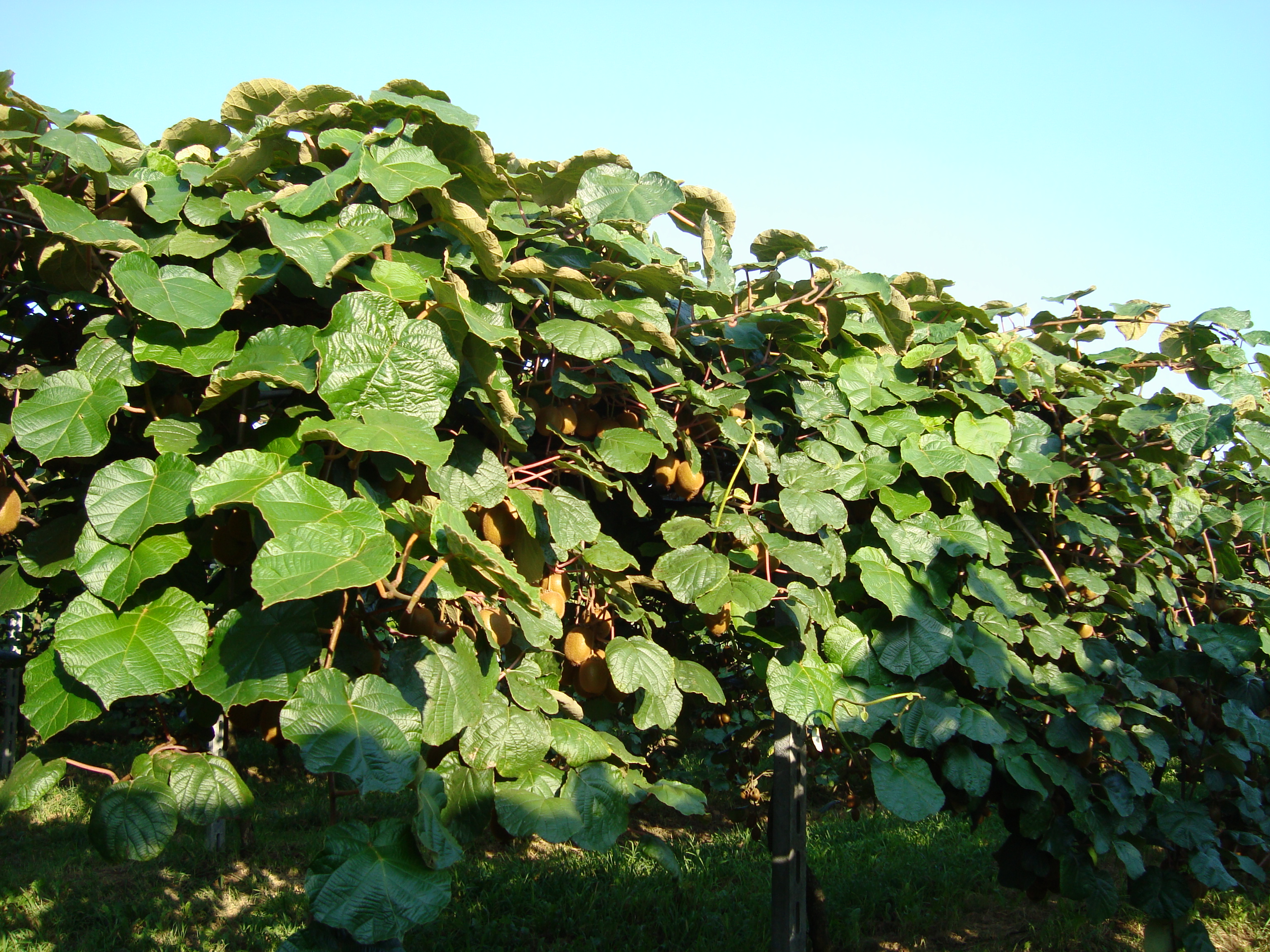
July 2009. Kiwifruit crop during the first year of treatment with BioAksxter®.
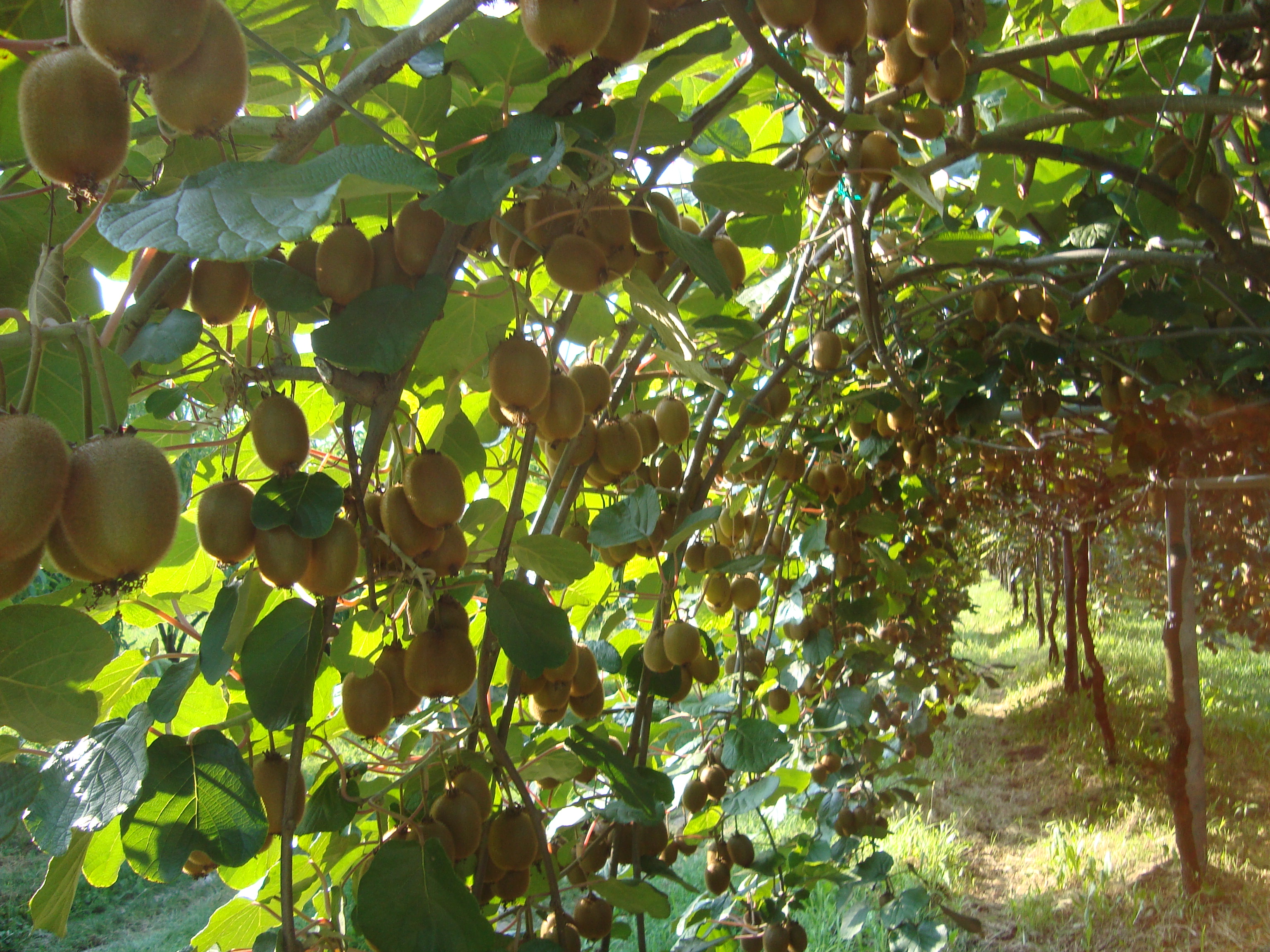
July 2009. Kiwifruit crop during the first year of treatment with BioAksxter®.
During 2010, Sharka symptoms were further reduced in established peach and nectarine orchards, while younger orchards were characterised by vigorous vegetative growth, high productivity and the absence of Sharka.
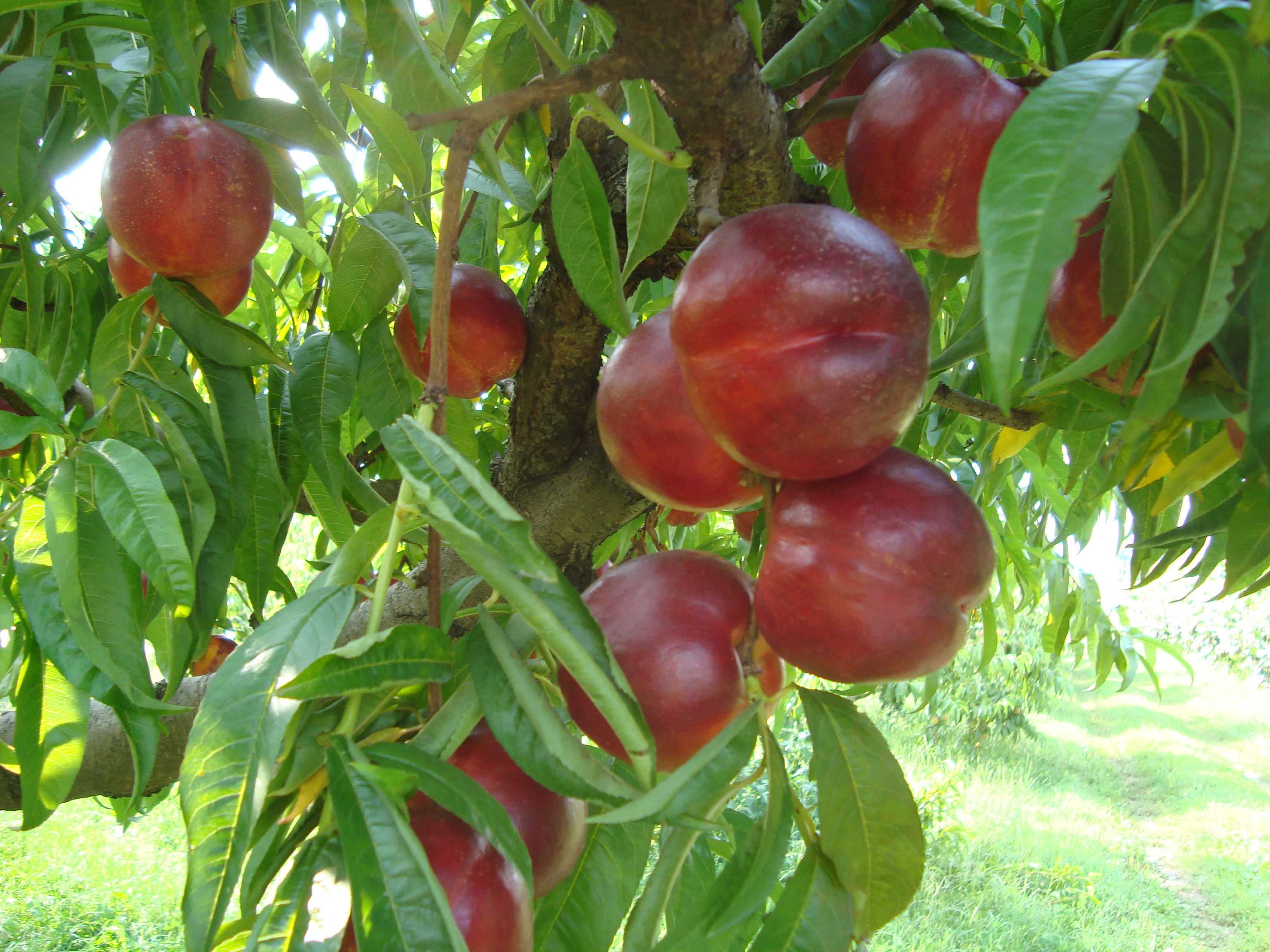
July 2010. Big Top nectarines showing a marked reduction in Sharka symptoms during the second year of treatment with BioAksxter®.
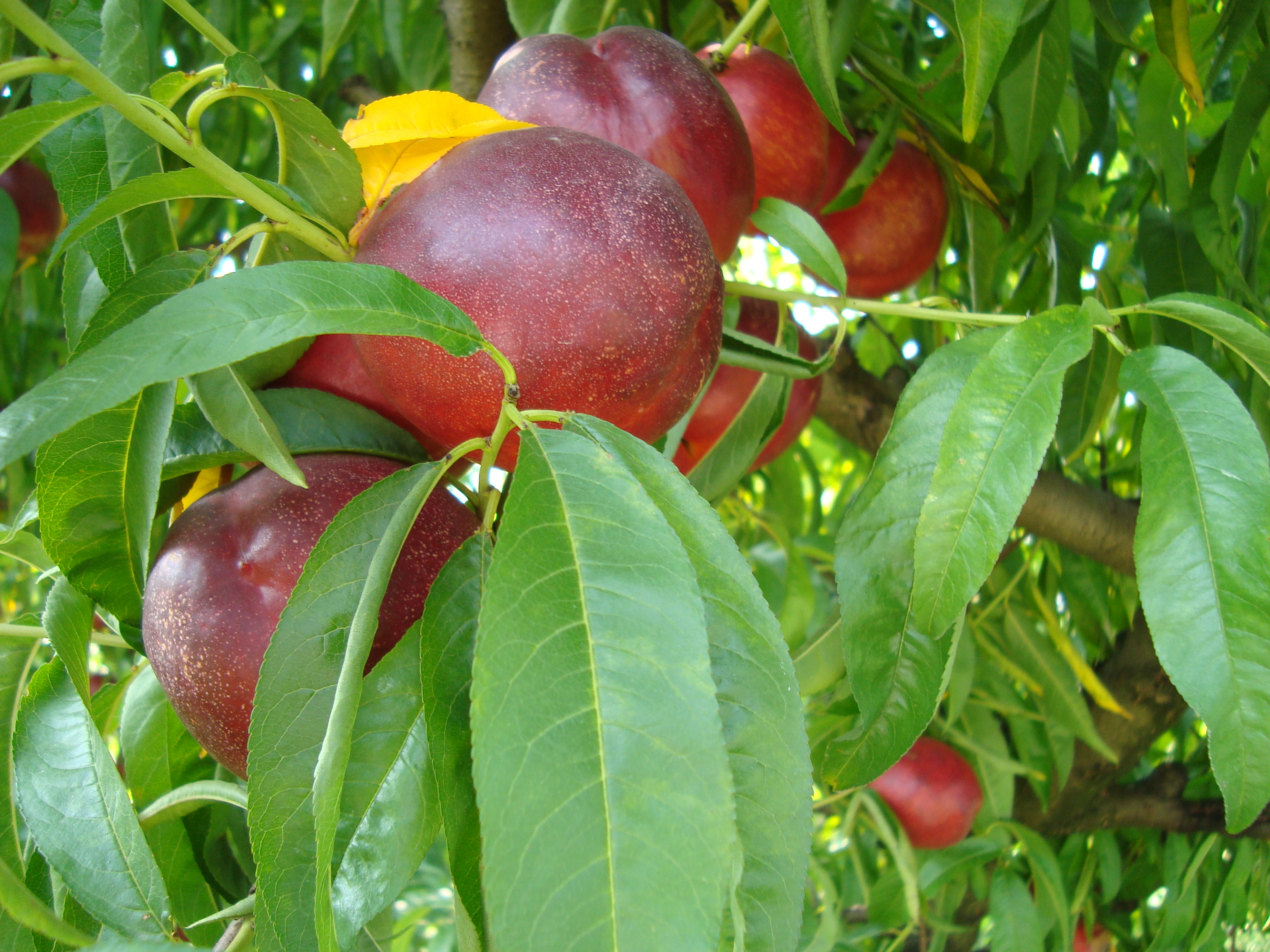
July 2010. Big Top nectarines showing a marked reduction in Sharka symptoms during the second year of treatment with BioAksxter®.
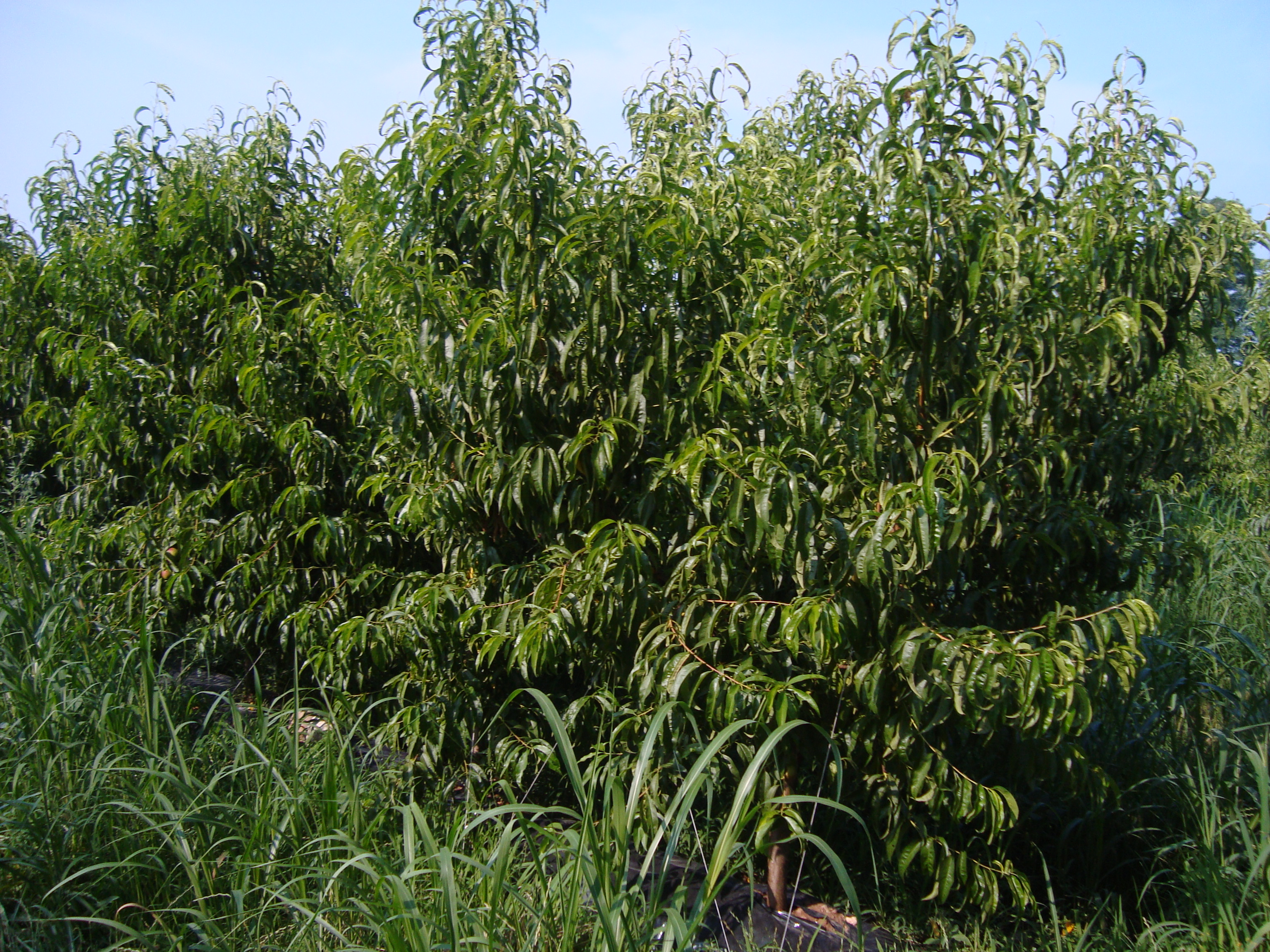
July 2010. Nectarine tree in its second growing season, immune to Sharka, during the second year of treatment with BioAksxter®.
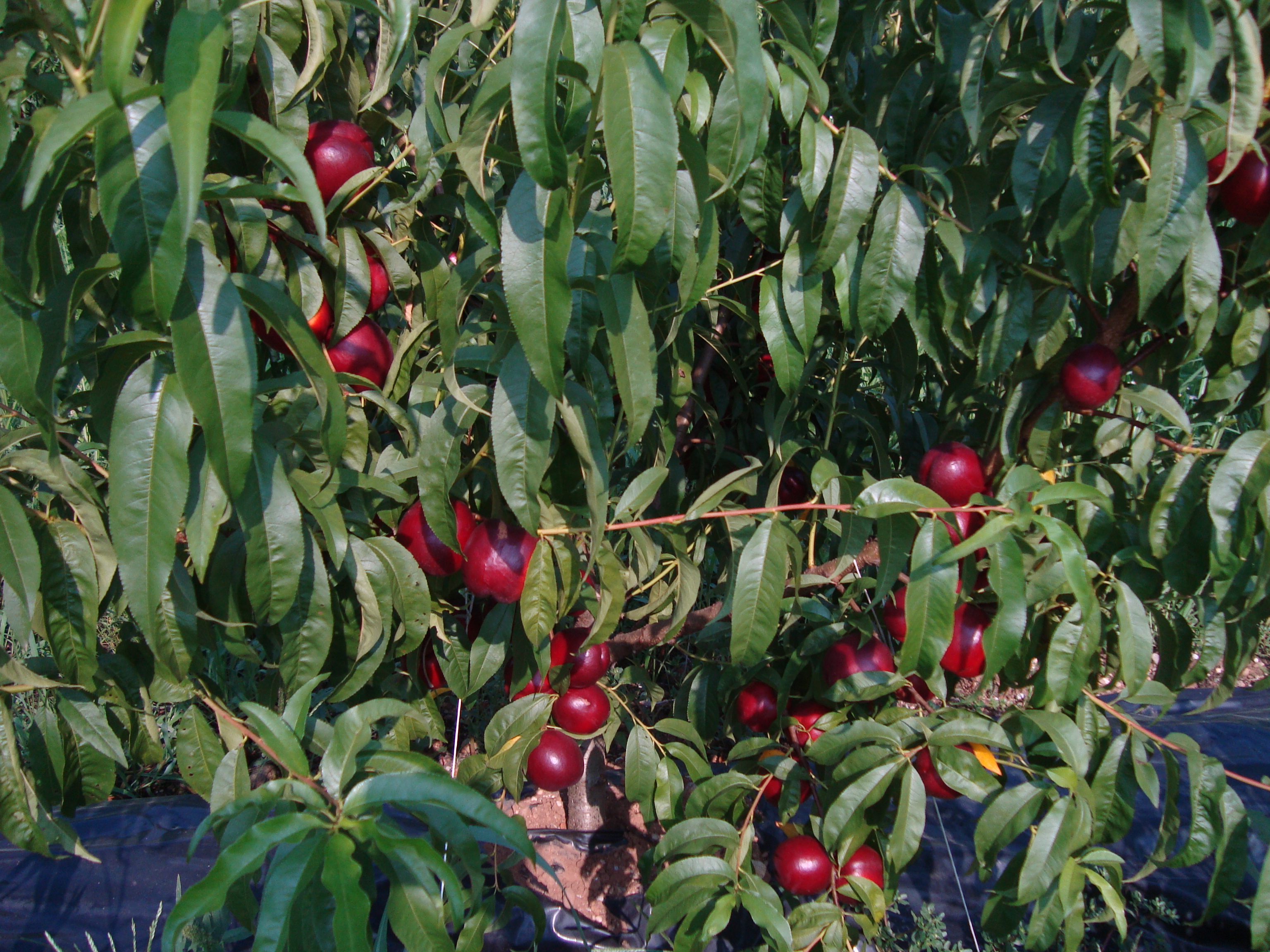
July 2010. Big Top nectarine tree in its second growing season, immune to Sharka, during the second year of treatment with BioAksxter®.
Kiwifruit yields remained at the same level as the previous year, despite wind and hail damage. In the same area, growers who had not used BioAksxter® recorded average yield losses of 20–30%.
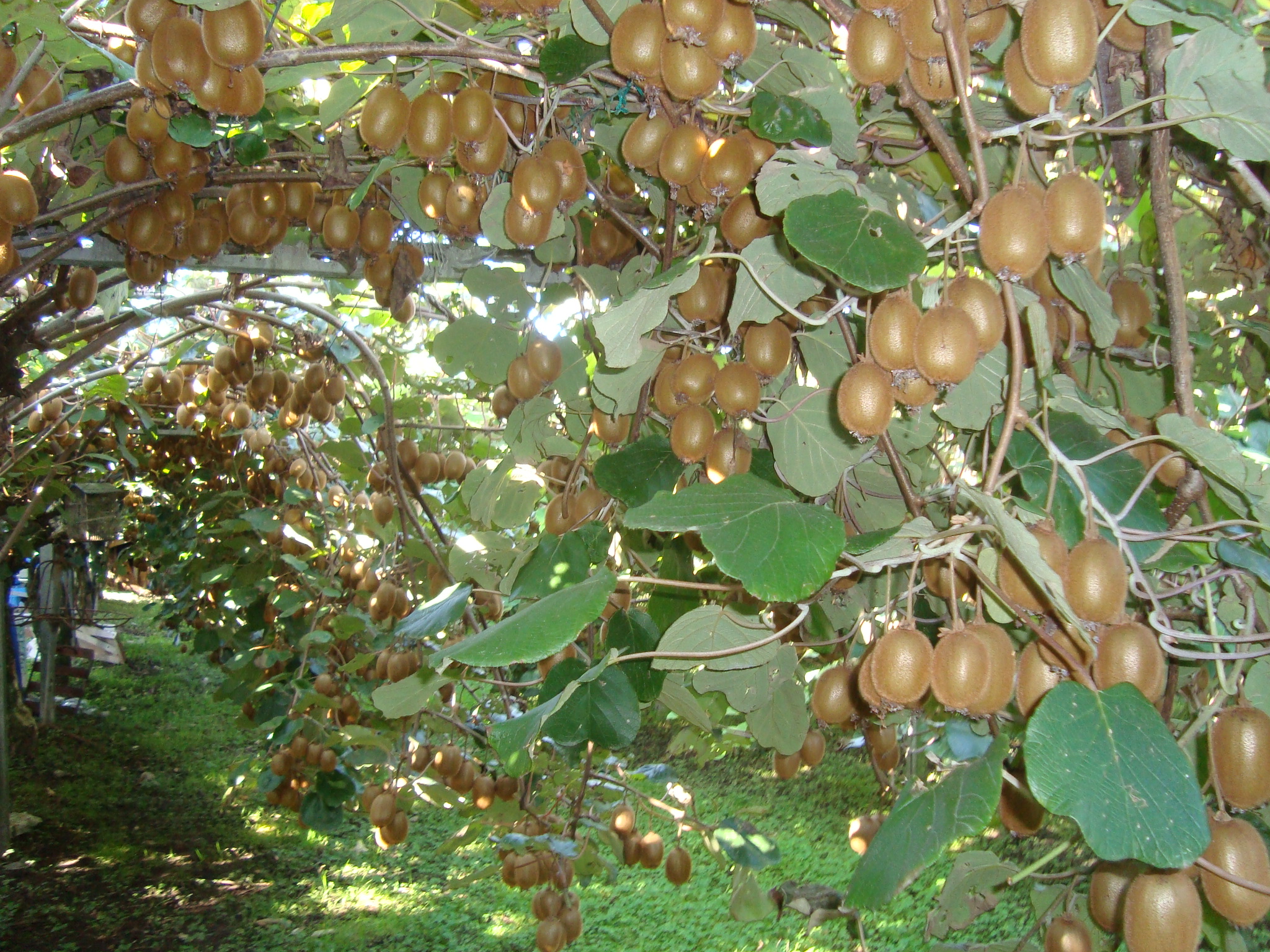
September 2010. Kiwifruit crop during the second year of treatment with BioAksxter®, with yields 20–30% higher than the local average.
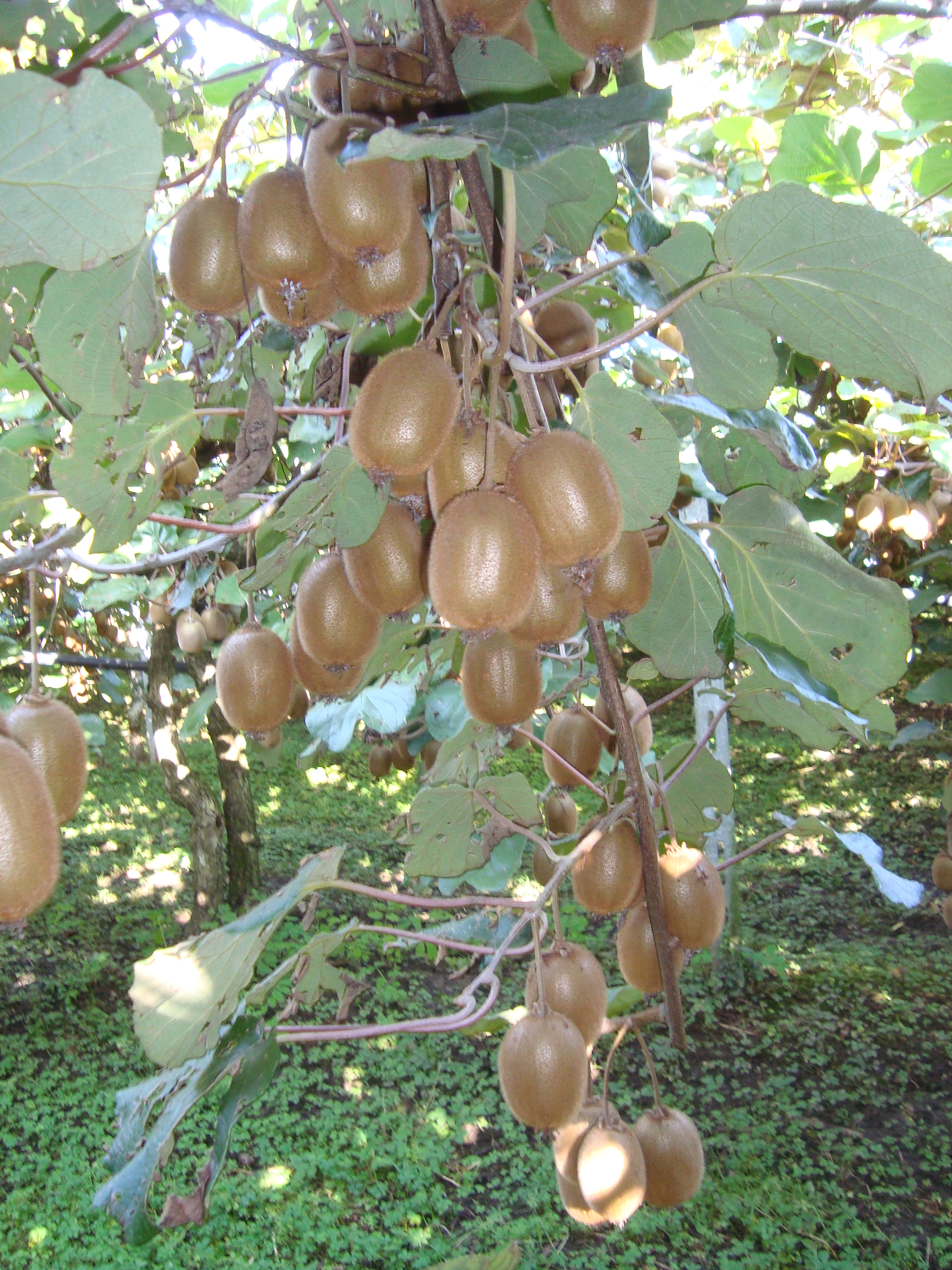
September 2010. Kiwifruit crop during the second year of treatment with BioAksxter®, with yields 20–30% higher than the local average.
Since Tezza Dario & Adriano Farm began using BioAksxter®, fruit and vegetable wholesalers have praised the high quality of its produce, particularly its flavour and storage life.


