Guido, apple grower
Leonardelli Guido Farm, Coredo (Trento, Italy)
An apple-growing farm in Val di Non, situated at an altitude of over 800 metres above sea level, producing Golden Delicious and Red Delicious apples for delivery to the Melinda fruit-growing consortium.
In March 2008, the farm began using BioAksxter® in two young apple orchards and one approximately 20 years old. The aim was to promote growth and productivity in orchards in their first and second growing seasons and to contain the spread of apple proliferation disease in the established orchard, thereby postponing its removal. Due to the disease, 5–6% of the trees were being removed each year, and yields had fallen from 600–700 quintals per hectare to approximately 420 quintals per hectare.
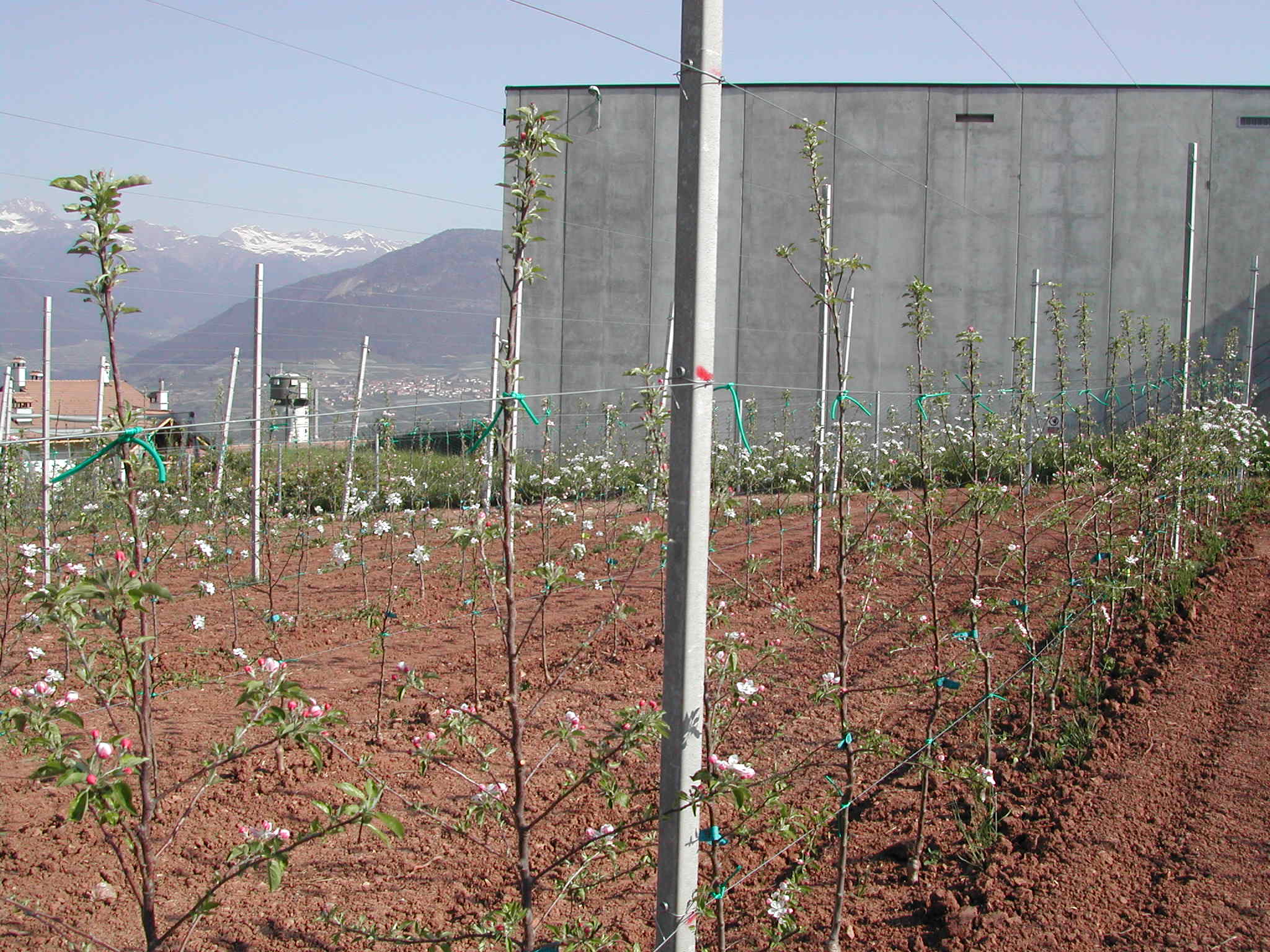
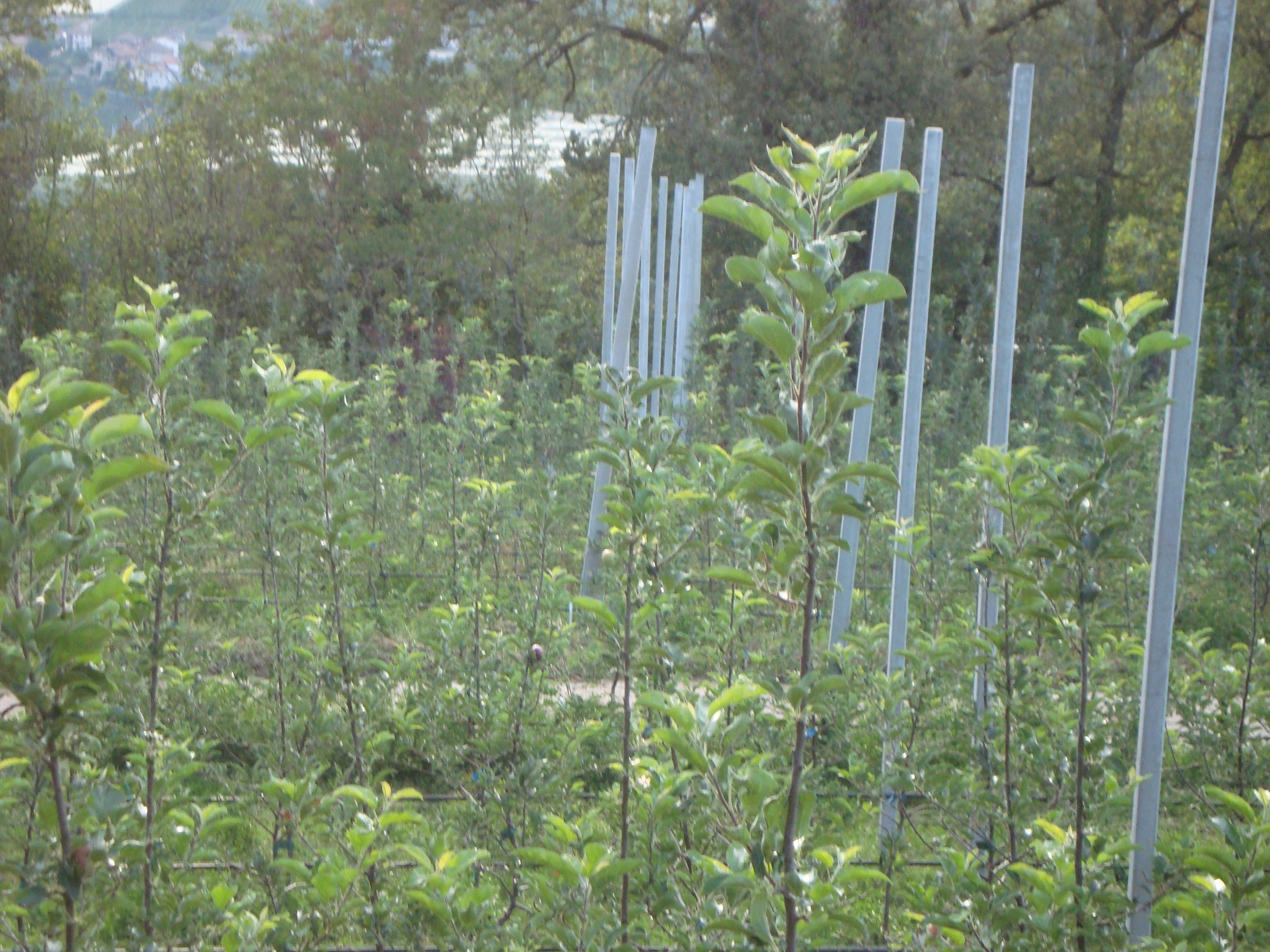
May 2008. Young apple orchard a few weeks after planting.
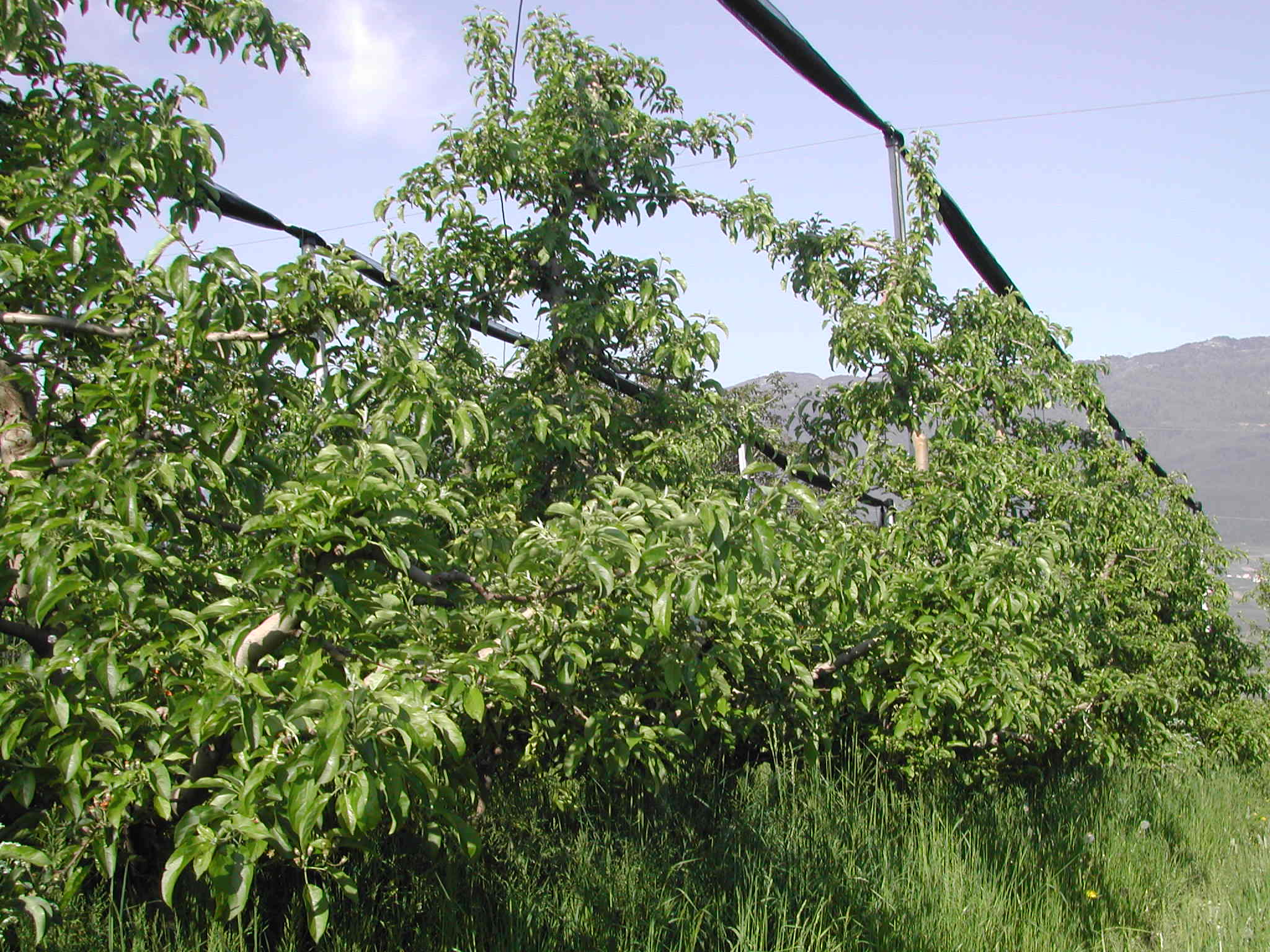
May 2008. Approximately 20-year-old apple orchard affected by apple proliferation disease.
During the 2008 growing season, improved growth was observed in the recently planted trees, together with greater uniformity of production.
Yields in the established orchard increased by 23%, reaching 520 quintals per hectare, while the percentage of trees affected by apple proliferation disease fell to 1%.
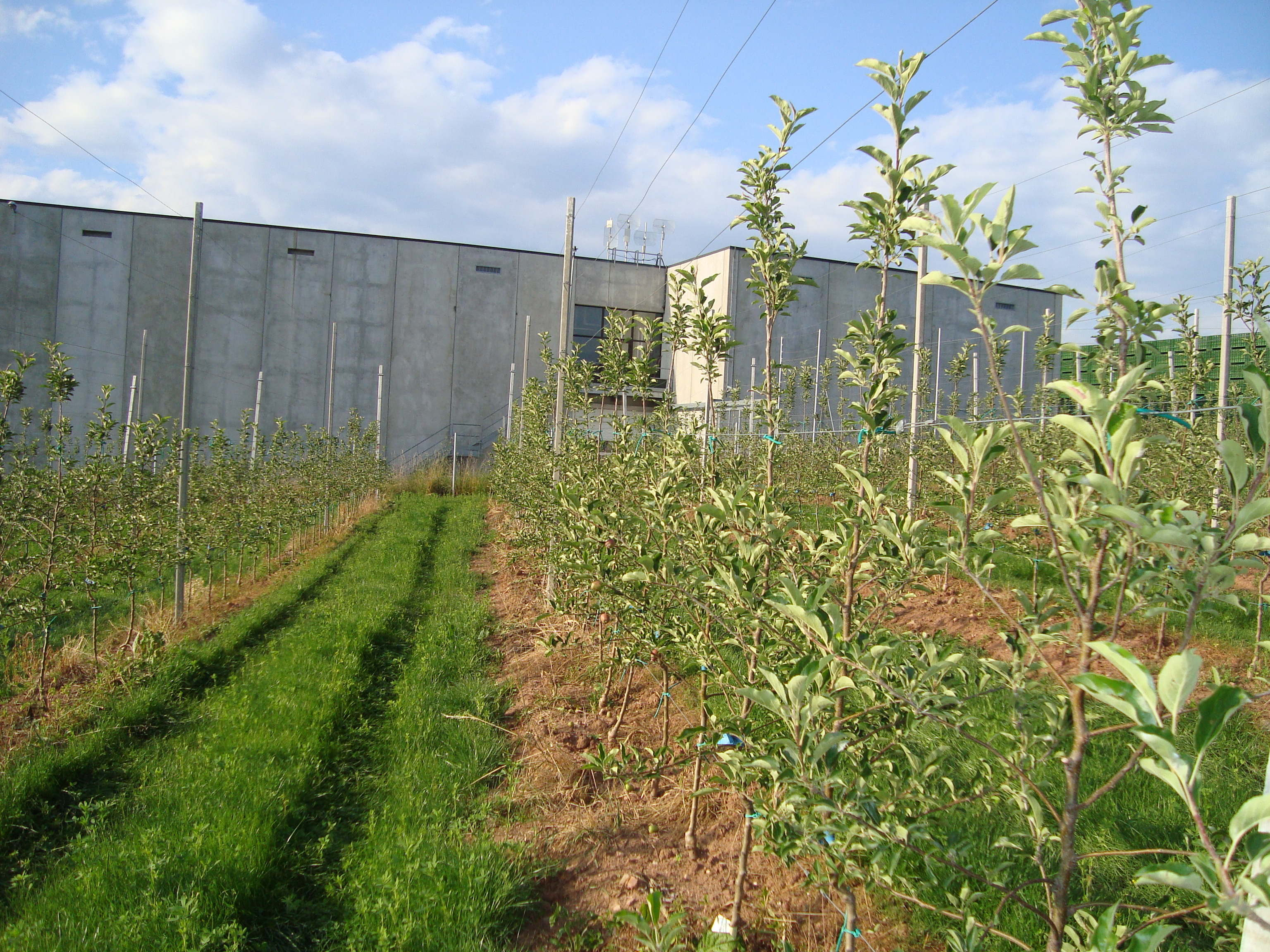
July 2008. Young apple orchard during its first year of treatment with BioAksxter®.
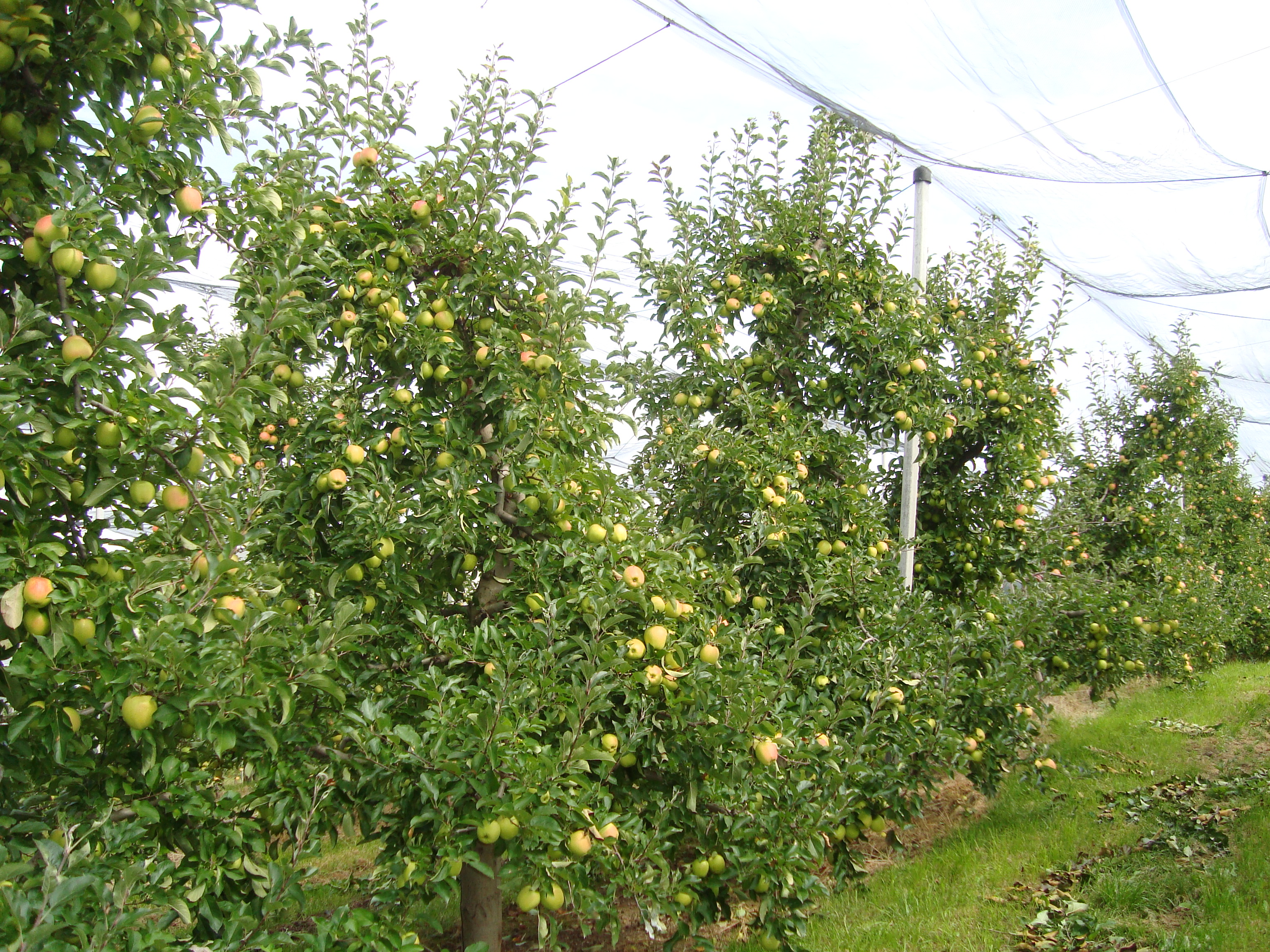
September 2008. Approximately 20-year-old apple orchard during its first year of treatment with BioAksxter®, characterised by high productivity and uniform fruit size.
In the orchard in its second growing season, yields reached 7 kg per tree, considerably higher than those of the adjacent untreated orchard, which had been planted at the same time using trees from the same source.
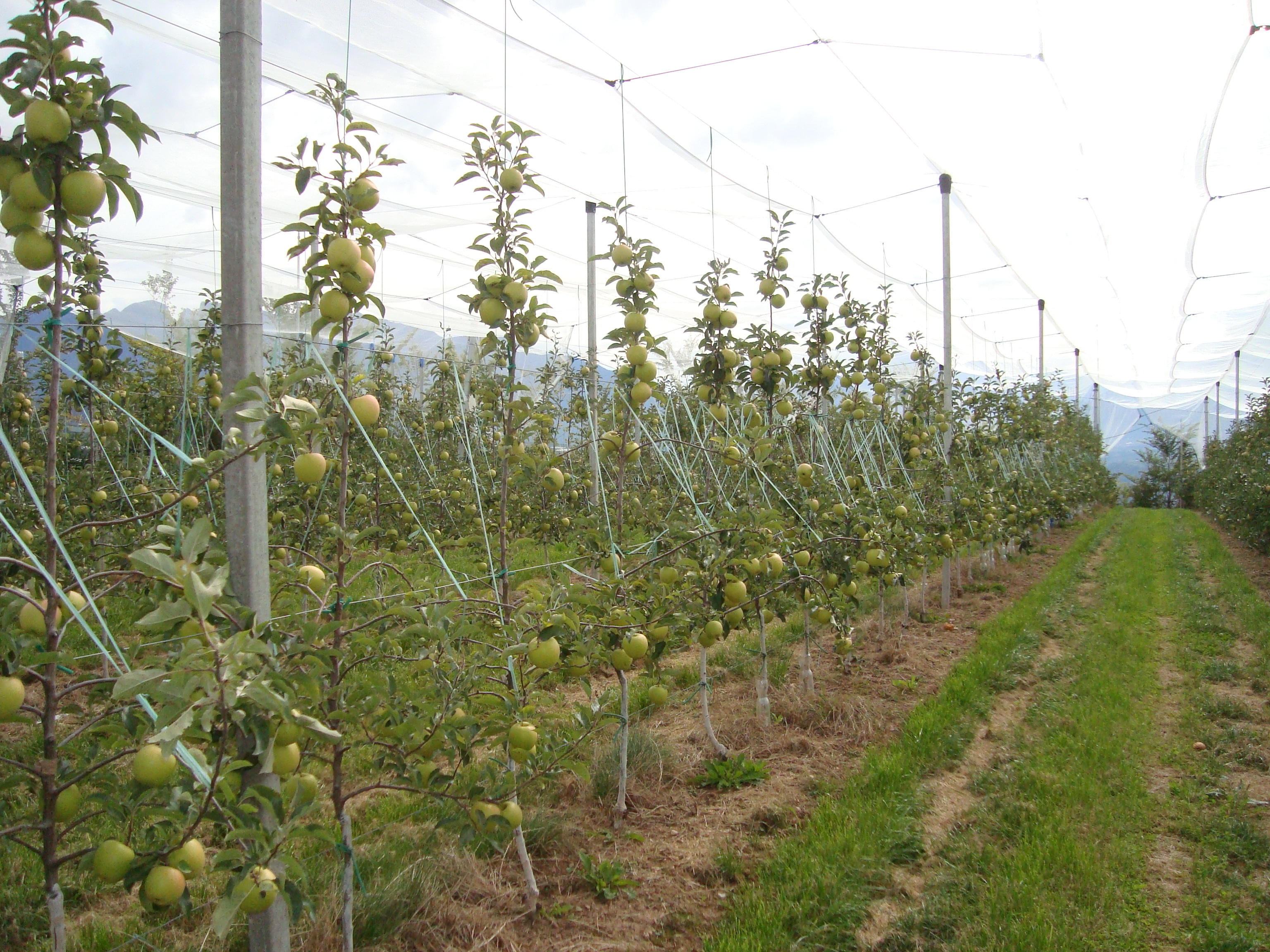
September 2008. Untreated apple orchard in its second growing season.
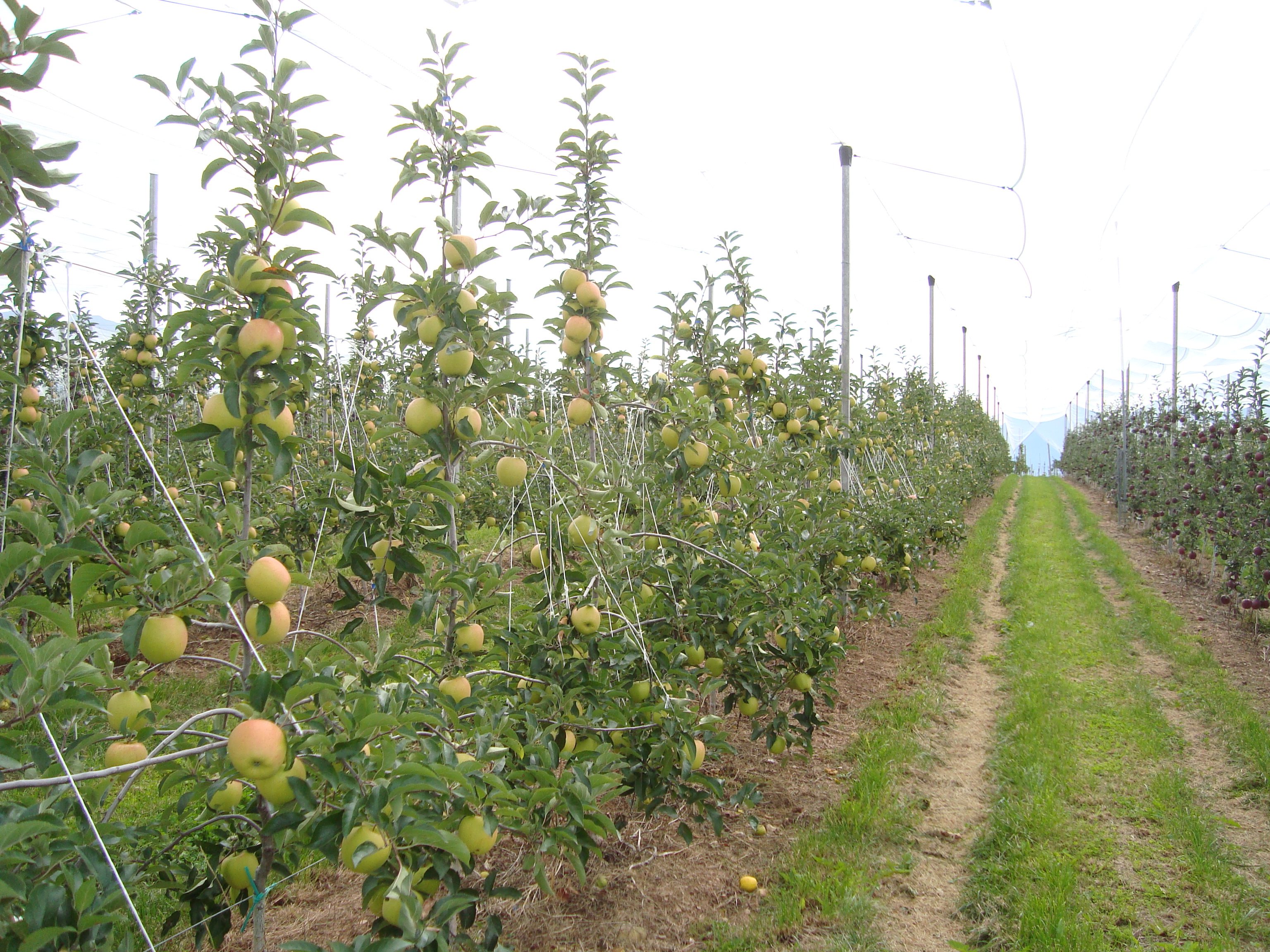
September 2008. Apple orchard in its second growing season and first year of treatment with BioAksxter®: vegetative growth and fruit size were considerably greater than in the untreated orchard.
In autumn 2008, the use of BioAksxter® was extended to the entire farm. Further significant results were achieved in 2009 and 2010:
- Fertiliser applications in established orchards were reduced, and apple scab, which had caused severe damage in the surrounding area, was easily kept under control.
- Apple production was characterised by high fruit quality in terms of size and colour, even where crop loads were heavy.
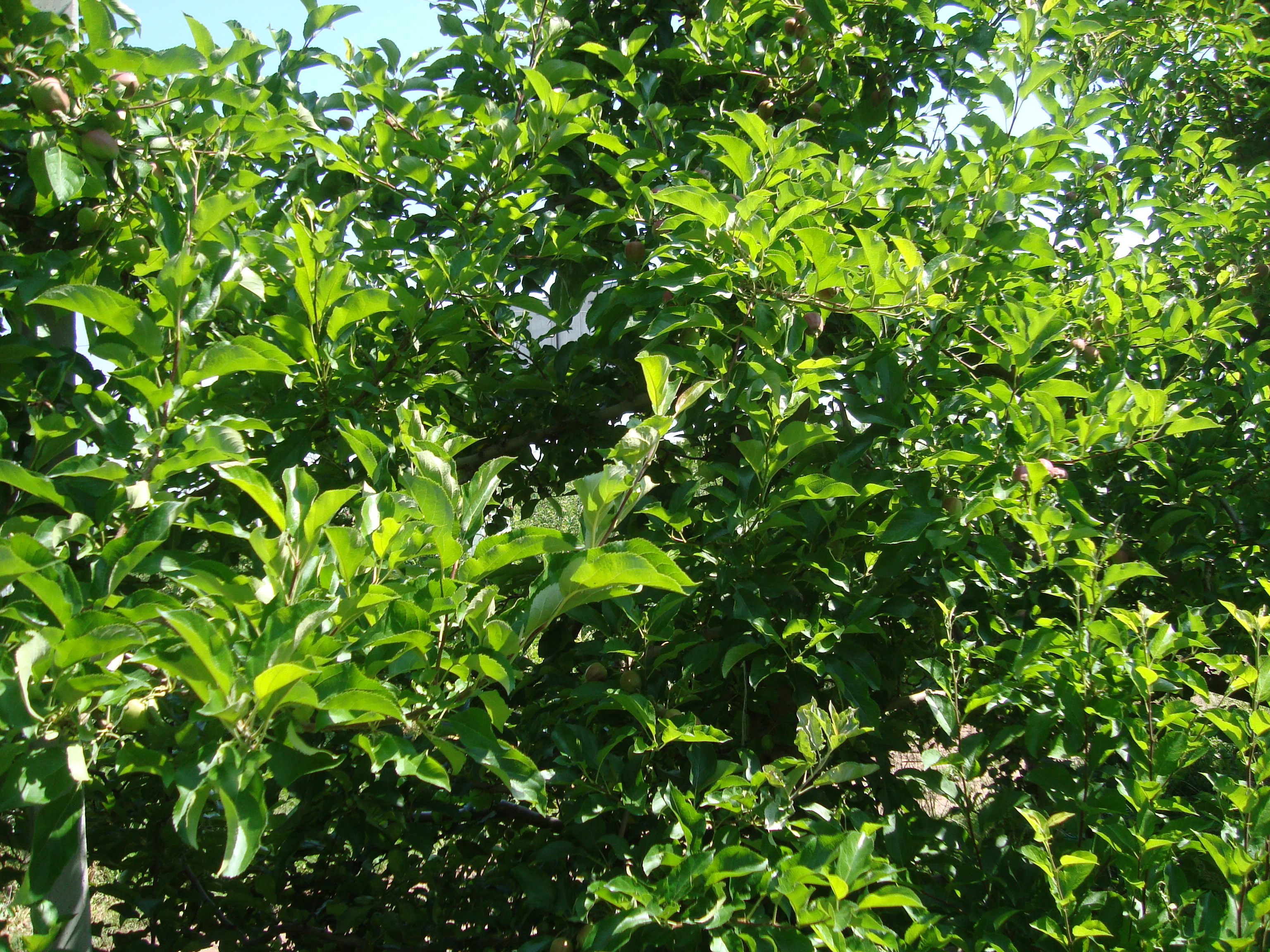
June 2009. Approximately 20-year-old apple orchard during its second year of treatment with BioAksxter®, showing vigorous vegetative growth and excellent plant health.
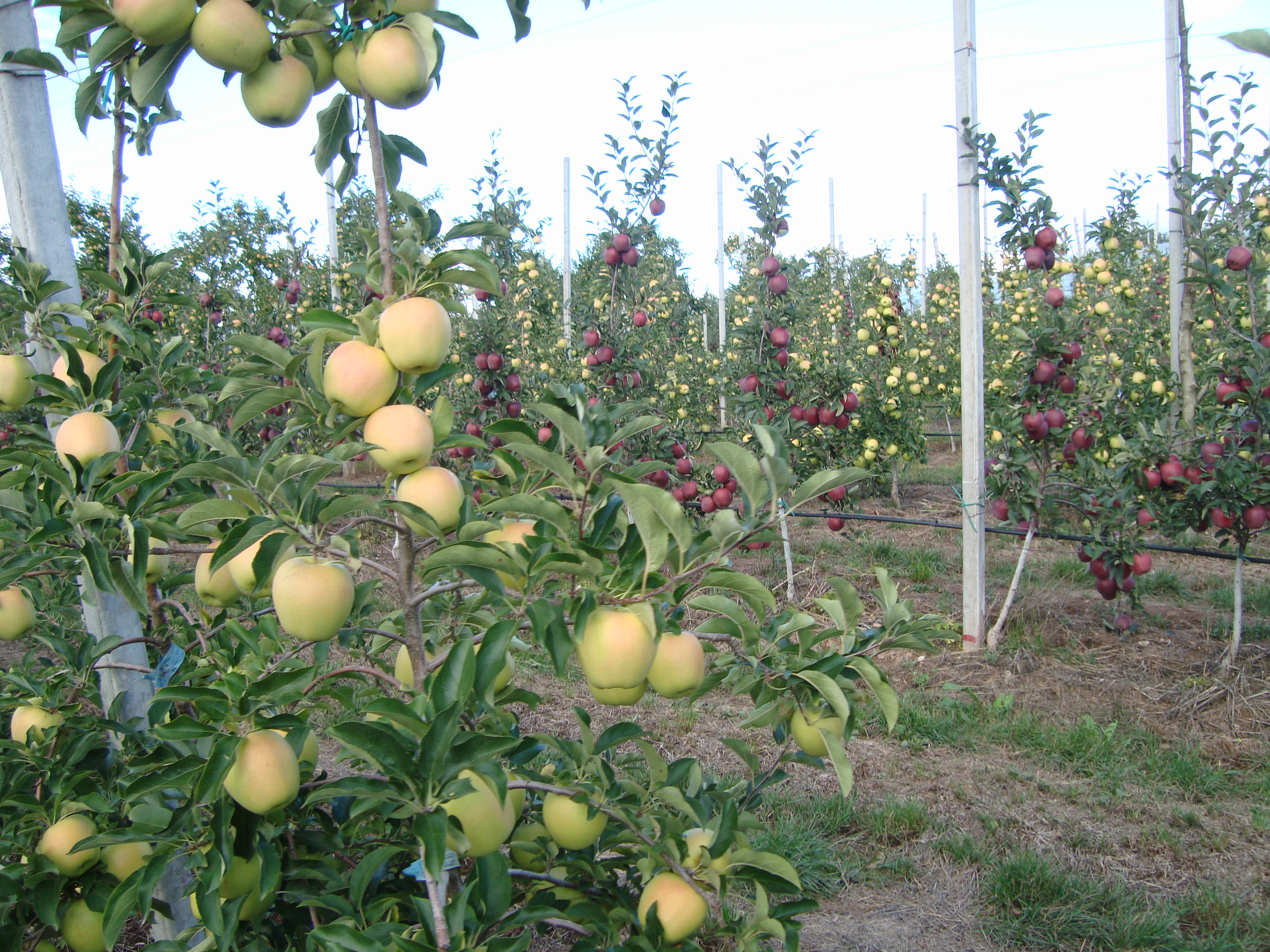
September 2009. Apple orchard in its second growing season and first year of treatment with BioAksxter®, characterised by a heavy crop load and high fruit quality.
- Orchards in their first growing season showed more vigorous vegetative growth. The orchard planted in 2008 exceeded 10 kg per tree in its second growing season.
September 2009. Apple orchard in its first growing season and first year of treatment with BioAksxter®.
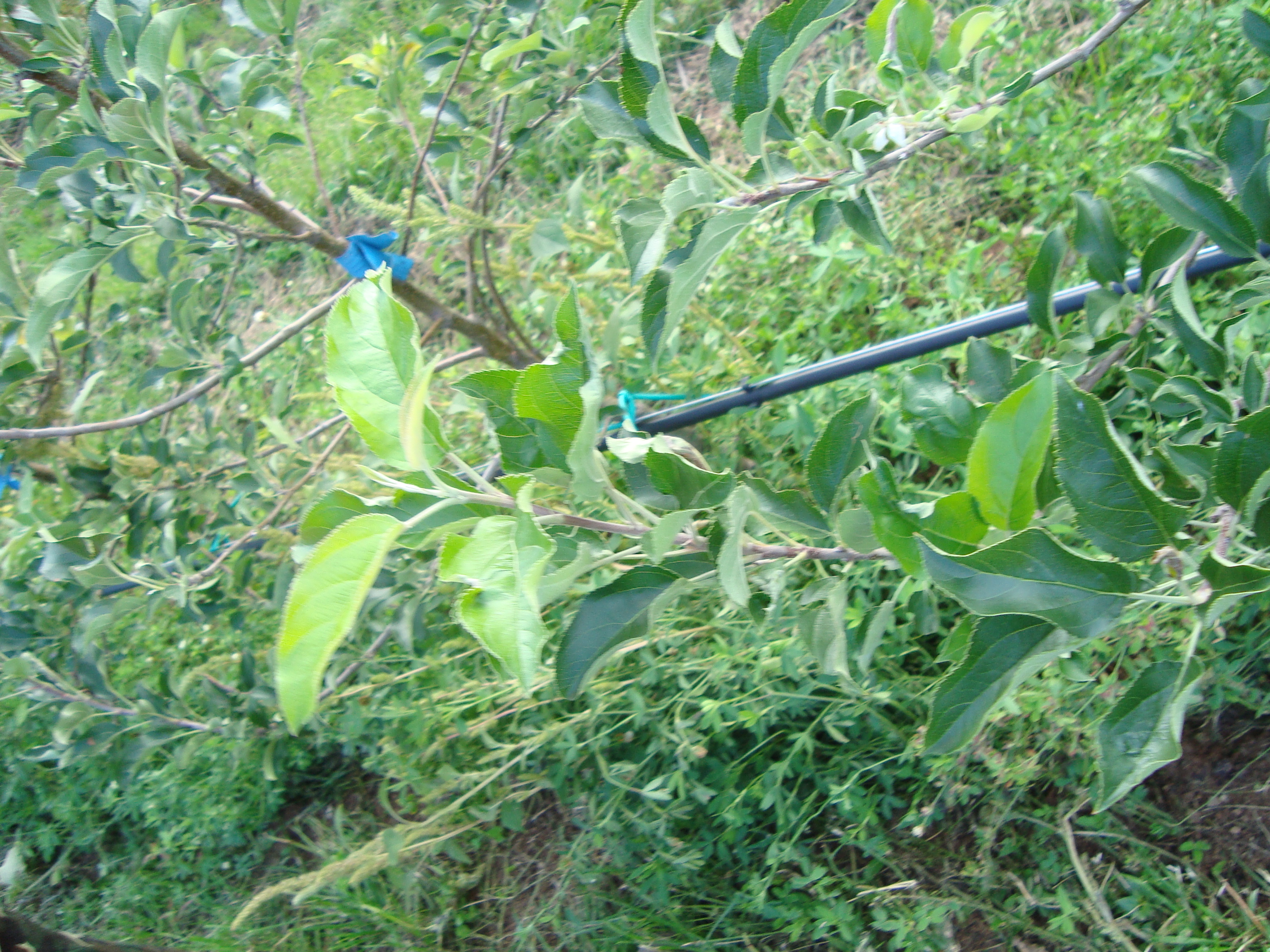
September 2009. Apple orchard in its first growing season and first year of treatment with BioAksxter®, showing vigorous vegetative growth.
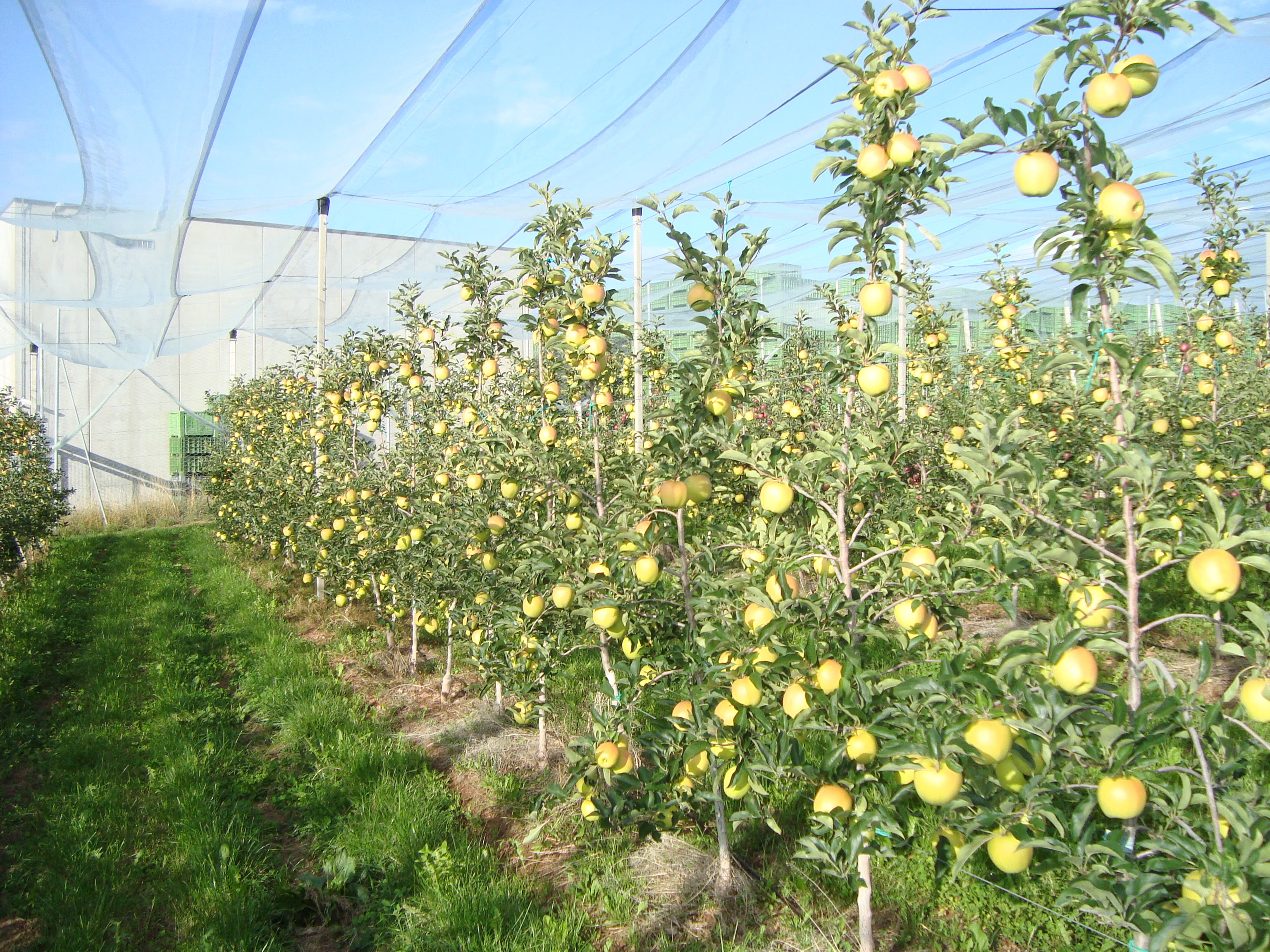
September 2009. Apple orchard in its second growing season and second year of treatment with BioAksxter®.
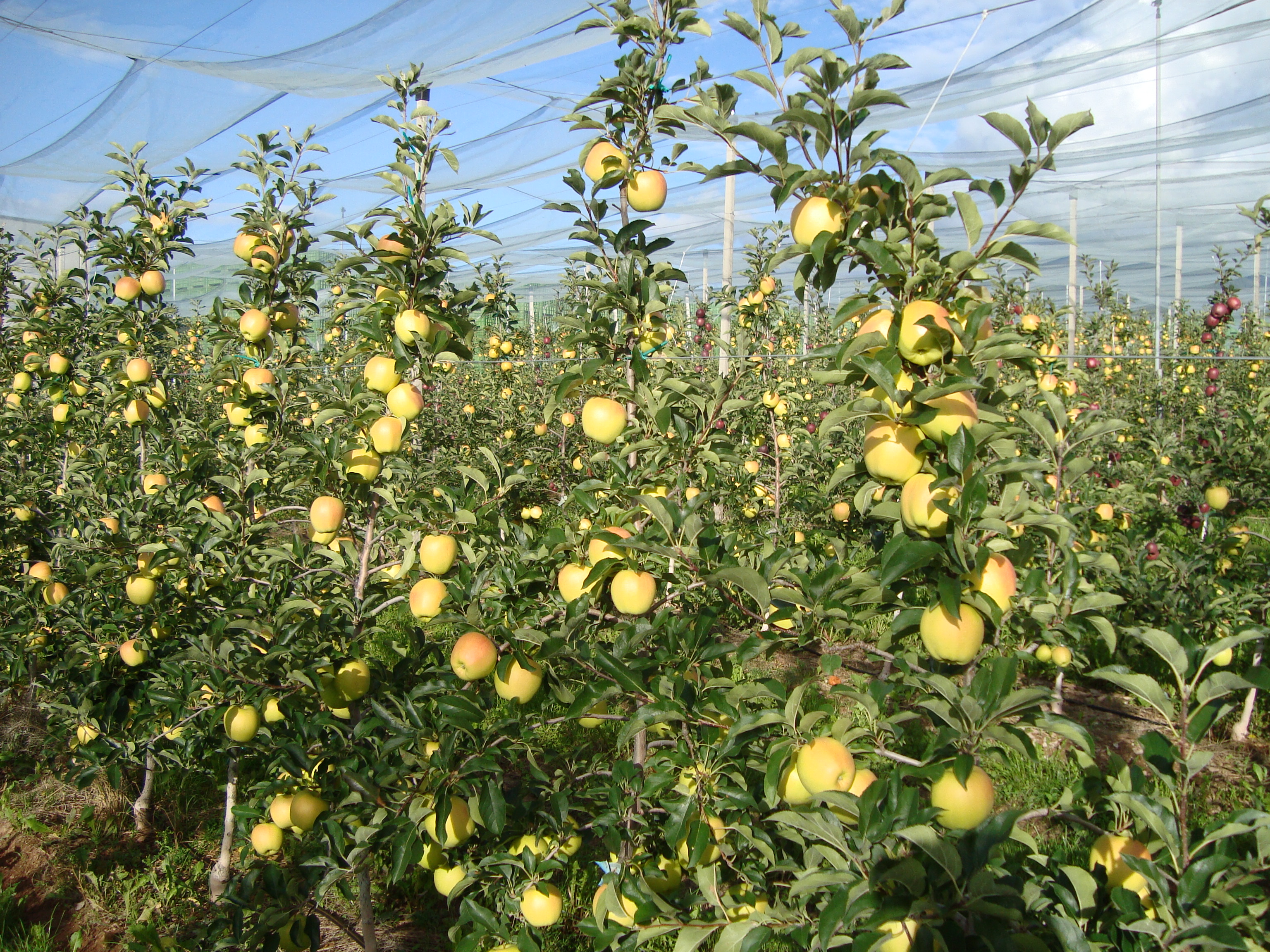
September 2009. Apple orchard in its third growing season and second year of treatment with BioAksxter®.
- In 2010, rejection rates were virtually zero. Production matched the previous year's levels despite unfavourable weather conditions and extensive fruit thinning, which had led to a significant decline in yields in the surrounding area.
- Fruit storage life remained consistently excellent, including under refrigerated storage conditions.
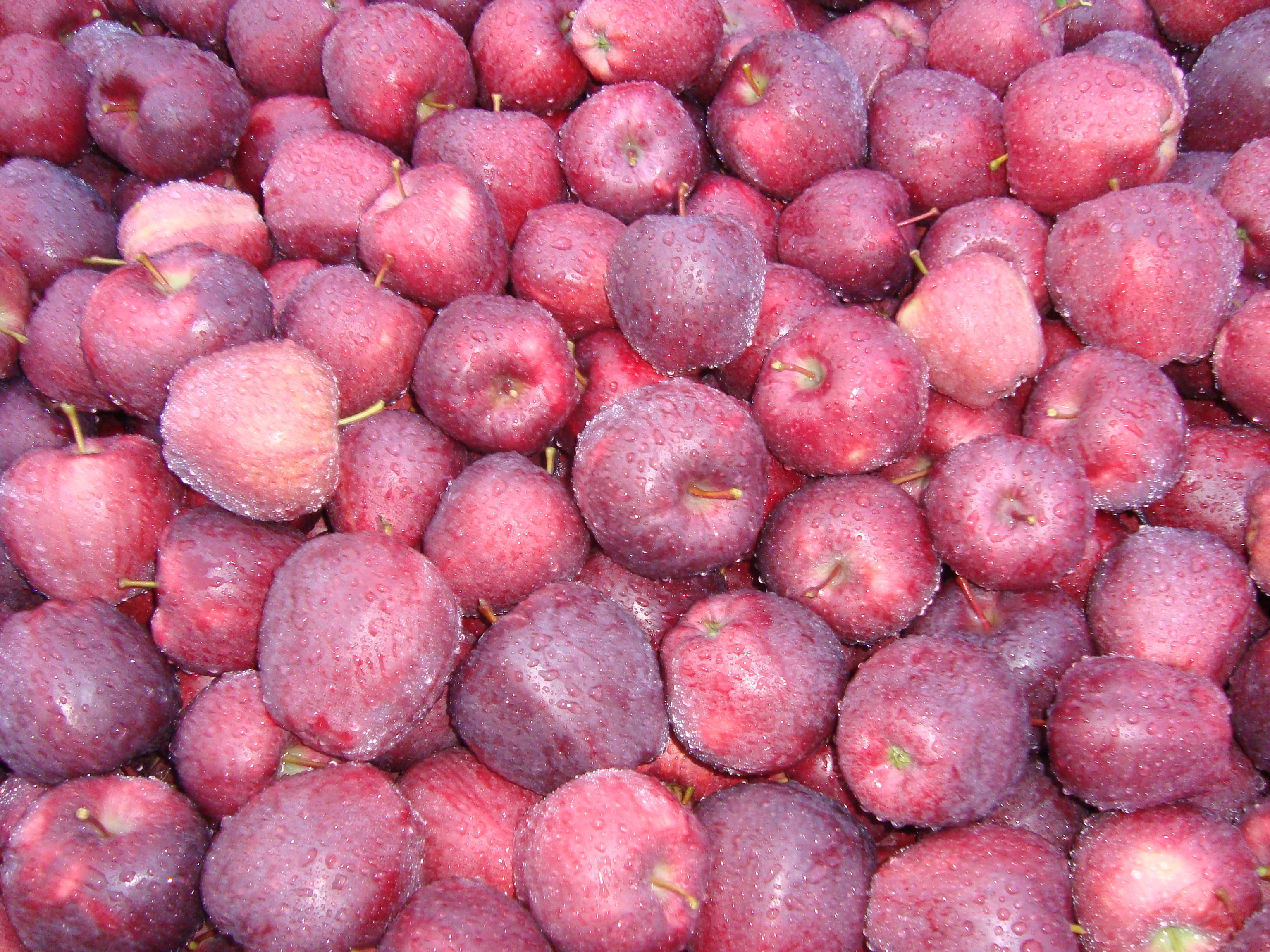
September 2010. Red Delicious apples grown with BioAksxter®, ready for delivery to the cooperative.
In October 2010, the grower reaffirmed his satisfaction with the results achieved using BioAksxter®.


