Marcello and Enrico, melon growers
Società Agricola F.lli MIGLIORINI S.s. di Migliorini Marcello e Enrico, Verona (VR)
A fruit and vegetable farm specialising in the cultivation of melons for the domestic and export markets.
Migliorini Agricultural Company began using BioAksxter® in August 2007 with the aim of solving problems related to soil fatigue. In the affected soils, which had been under greenhouse cultivation for more than 10 years, the main issues were a severe presence of nematodes and plant collapse attributed to Fusarium and Monosporascus.
The nematode problem had been present for many years and had been addressed through fumigation and nematicide treatments. The problem of melon plant collapse had appeared a few years earlier, but the farm had not identified any effective solution.
In 2006, plant collapse affected 40% of the plants, reducing the autumn yield from 240–270 quintals per hectare to 170 quintals per hectare, and significantly lowering the sugar content and flavour of the melons.
After three months of treatment with BioAksxter®, a mitigation of the problem was observed, together with a qualitative improvement in °Brix and rind netting, and above all the absence of nematodes. In fact, the roots of the crops treated with BioAksxter® showed no galls, unlike the untreated crops which, despite nematicide applications, showed numerous galls.
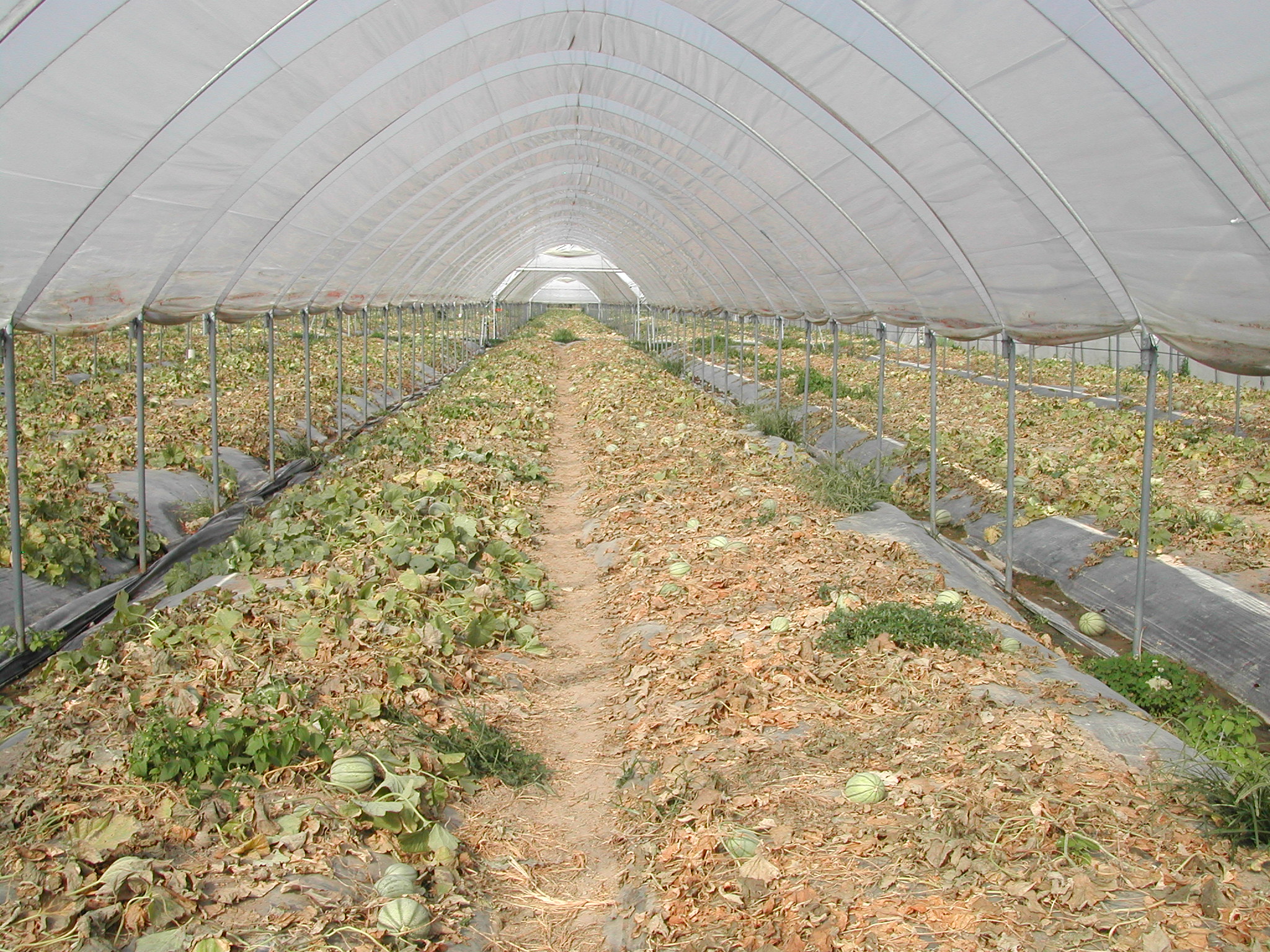
September 2007, untreated crop, severely affected by nematodes and showing evident melon plant collapse.
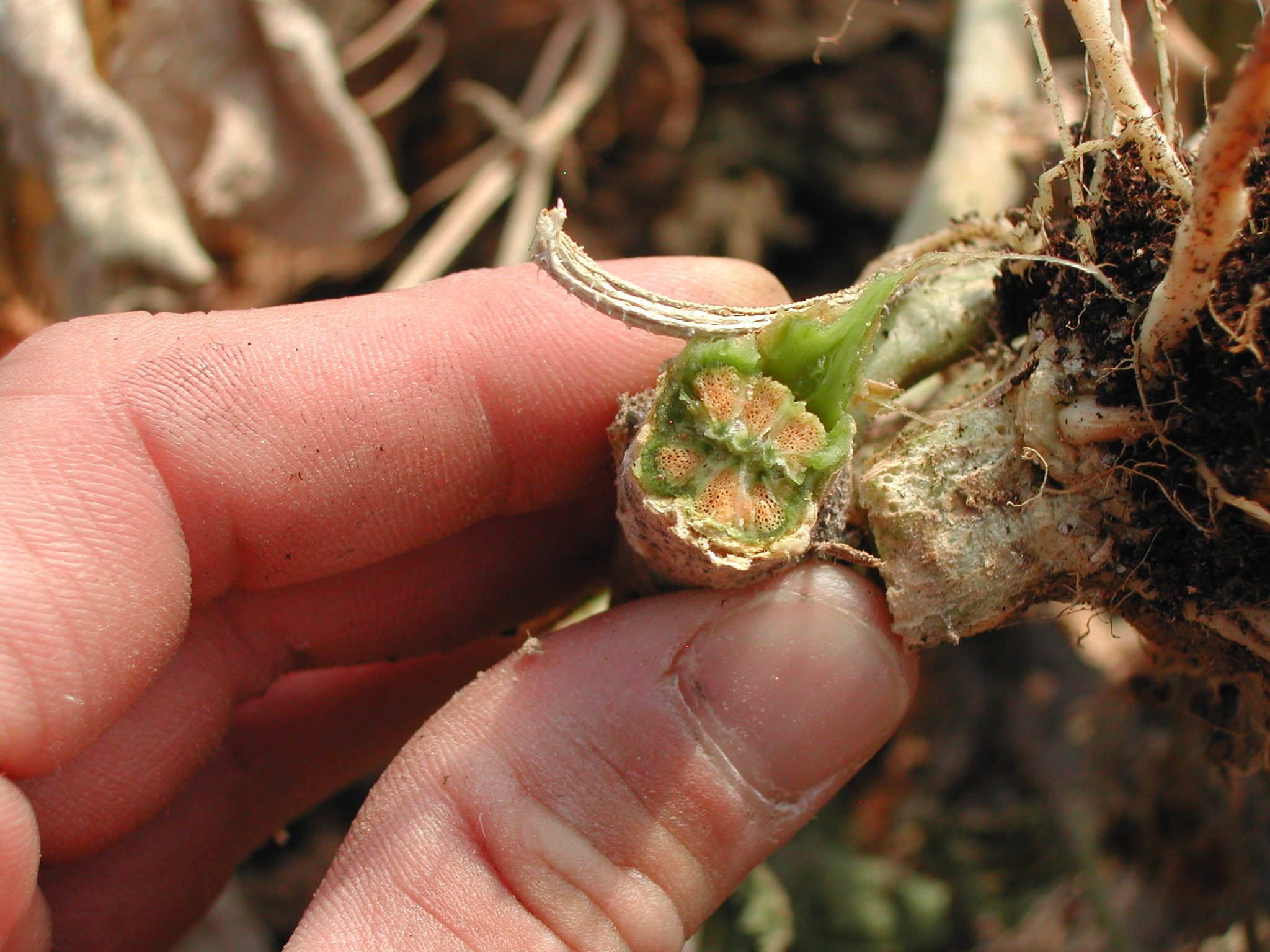
September 2007, untreated dried plant – melon collapse caused by Monosporascus.
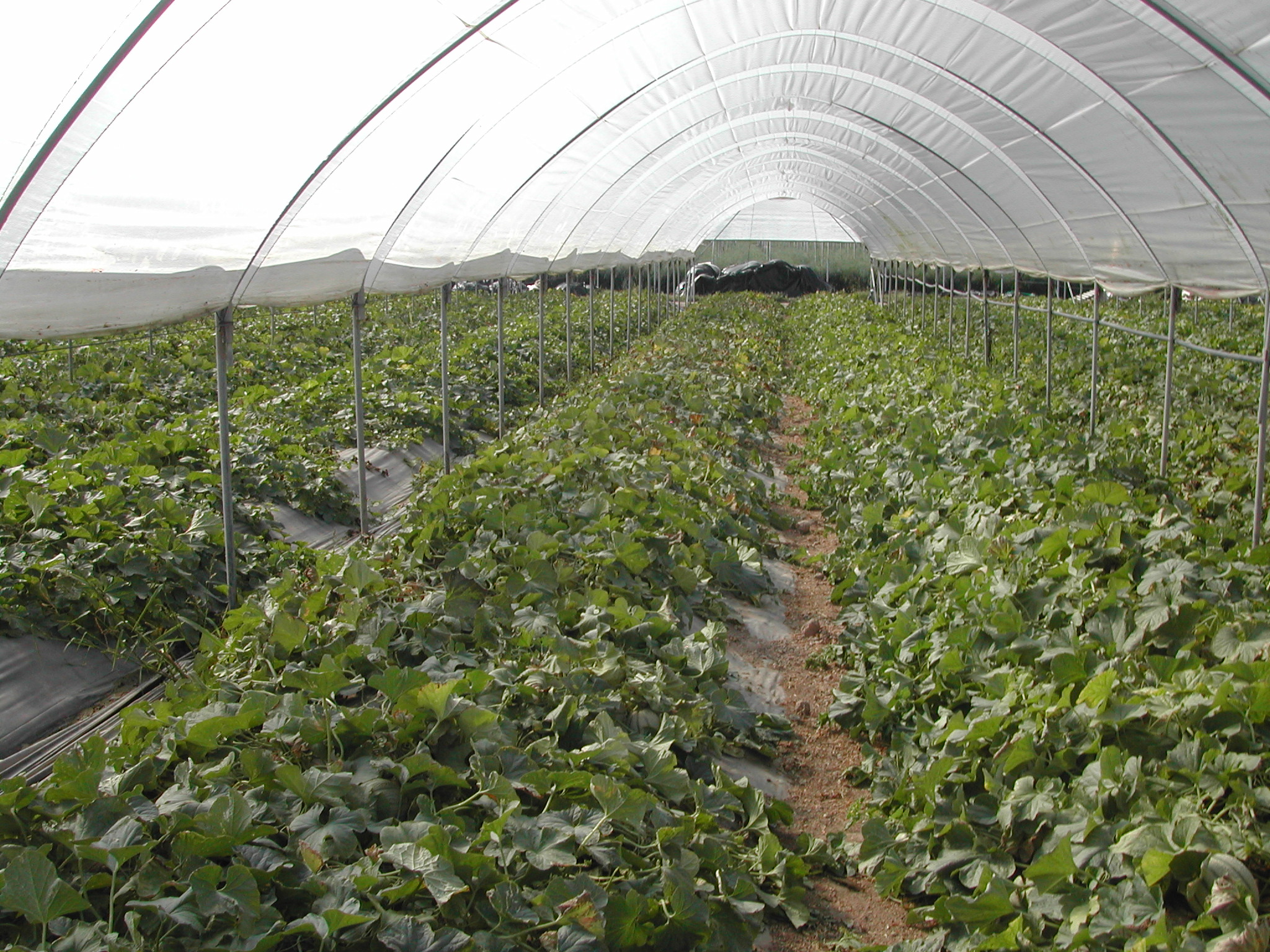
September 2007, melon a few days before harvest, with reduced Monosporascus symptoms and absence of nematodes, after three months of treatment with BioAksxter®.
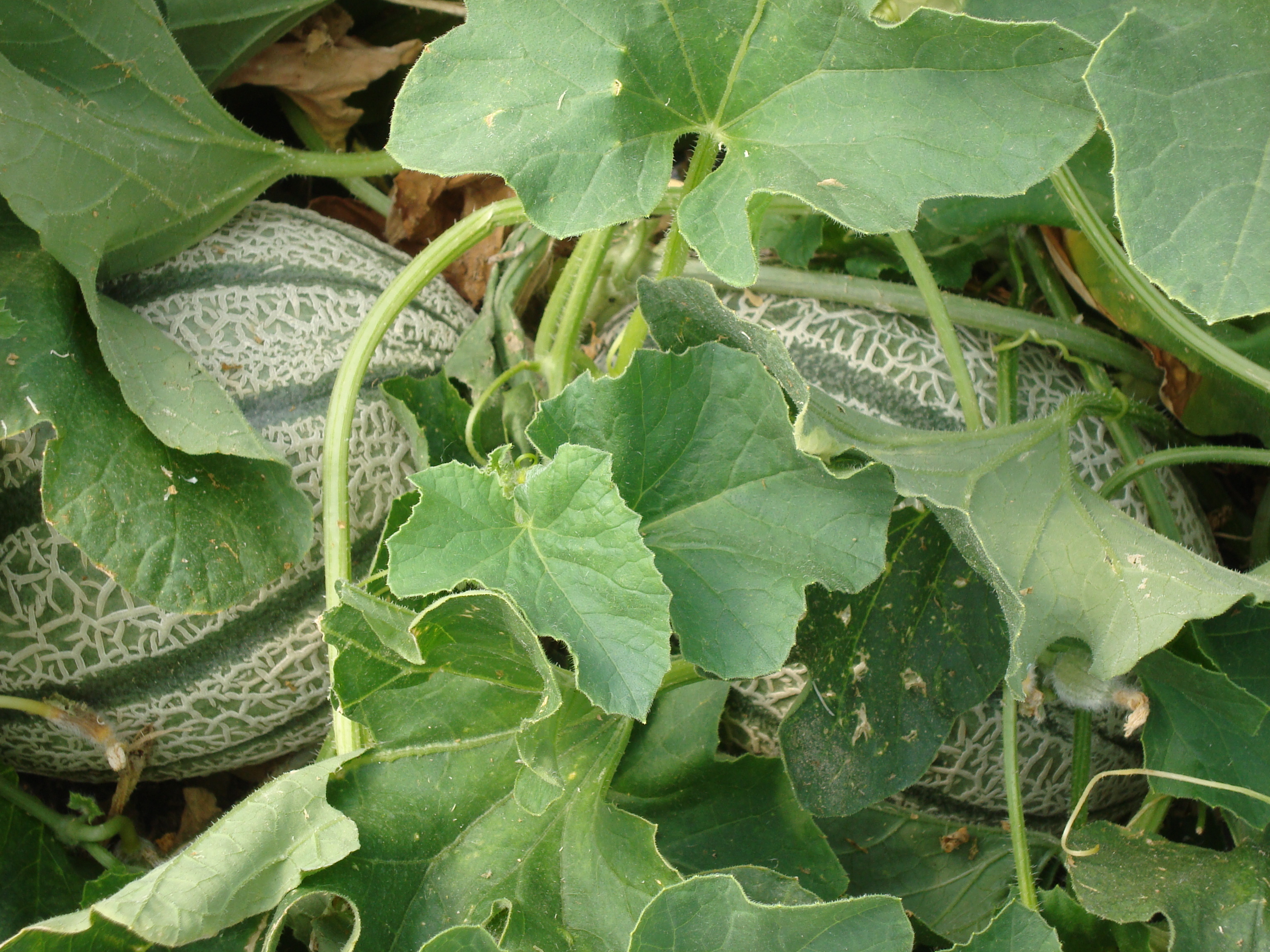
September 2007, melon a few days before harvest with reduced Monosporascus symptoms and absence of nematodes, after three months of treatment with BioAksxter®; detail of the rind netting.
After one year of treatment, the crops treated with BioAksxter® were harvested, unlike the untreated ones, where much of the fruit was left in the field because of Monosporascus.
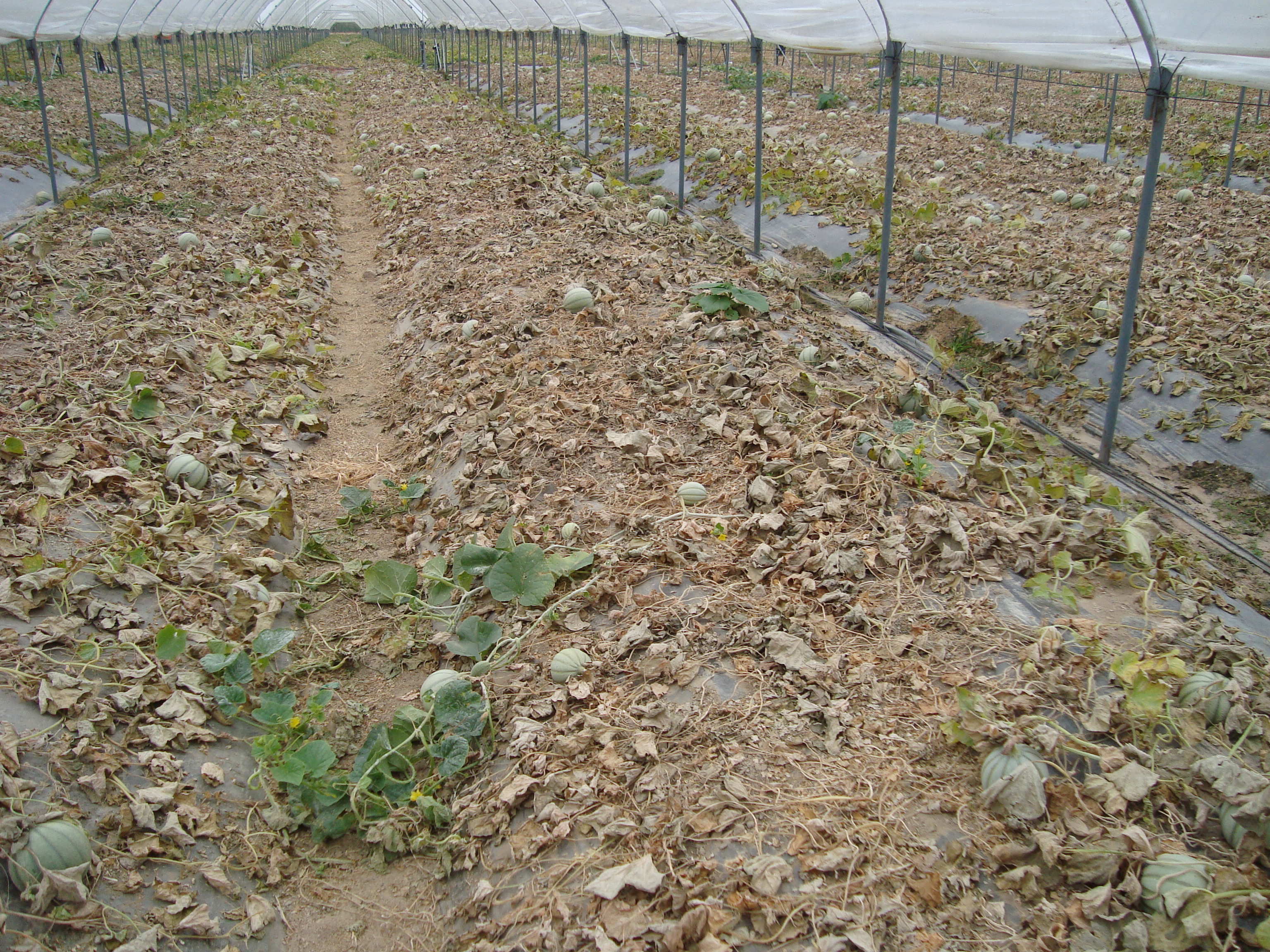
September 2008, untreated crop, with much of the production left on the ground because of Monosporascus.
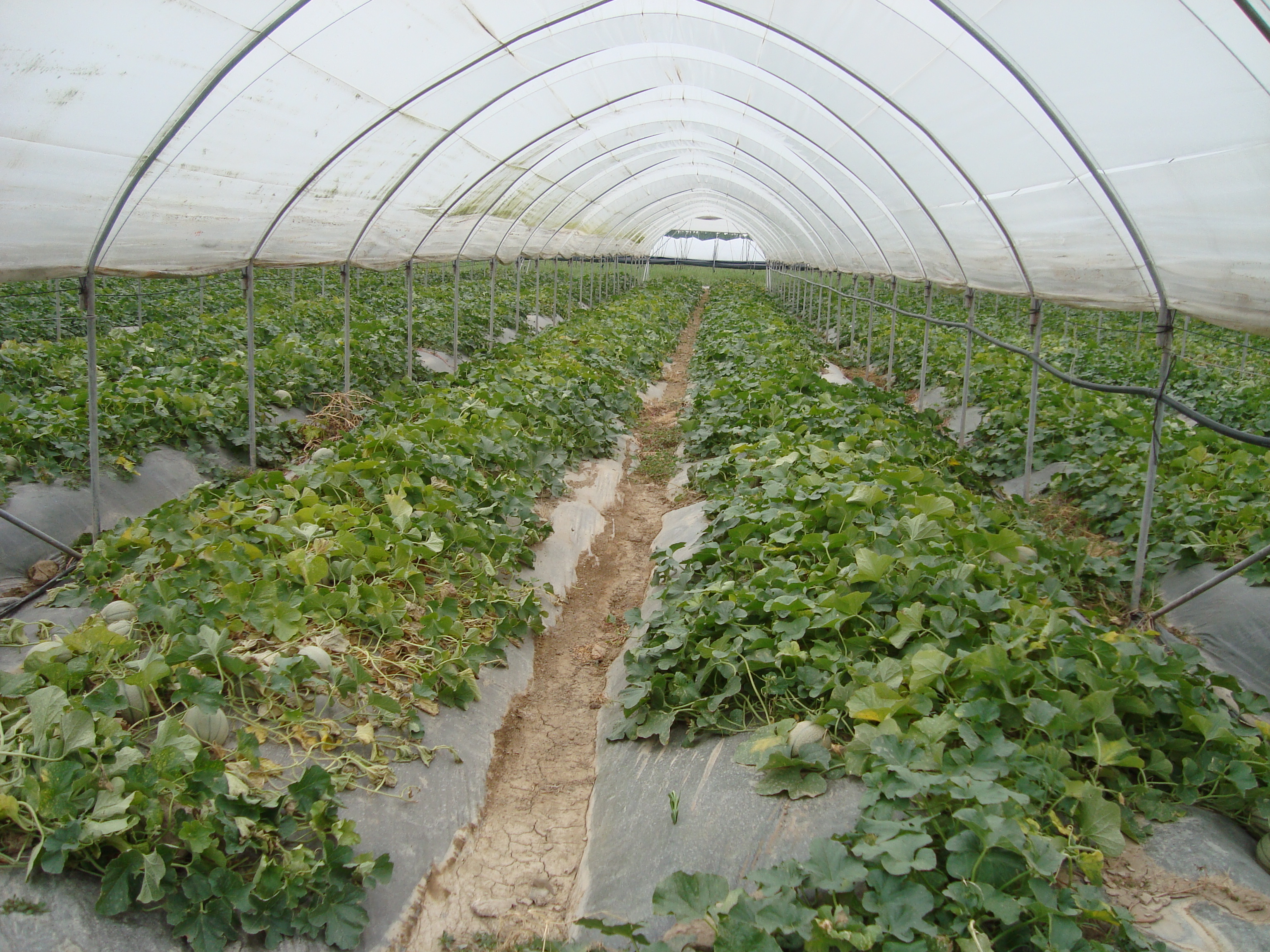
September 2008, melon crop at mid-harvest, showing a clear reduction in Monosporascus symptoms, after one year of treatment with BioAksxter®.
By the third year of treatment, the plant collapse problem had been completely resolved; no nematode galls were found on the roots, and production was regular both in quality and quantity. In fact, although production in that period was characterised by poor fruit set due to prolonged rainfall, 7–8 fruits per plant were harvested.
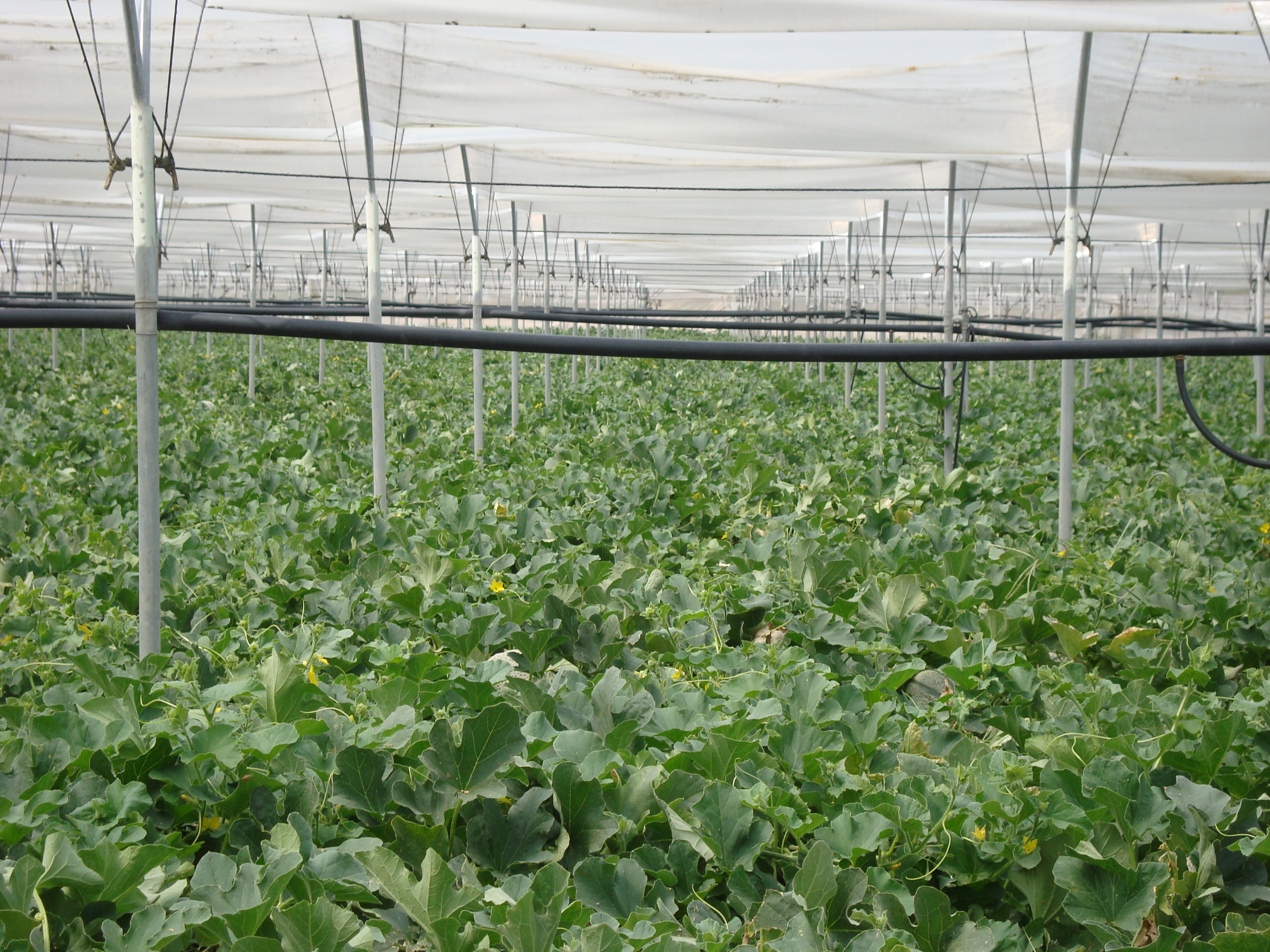
June 2010, melon crop at the beginning of harvest, without Monosporascus symptoms, in the third year of treatment with BioAksxter®.
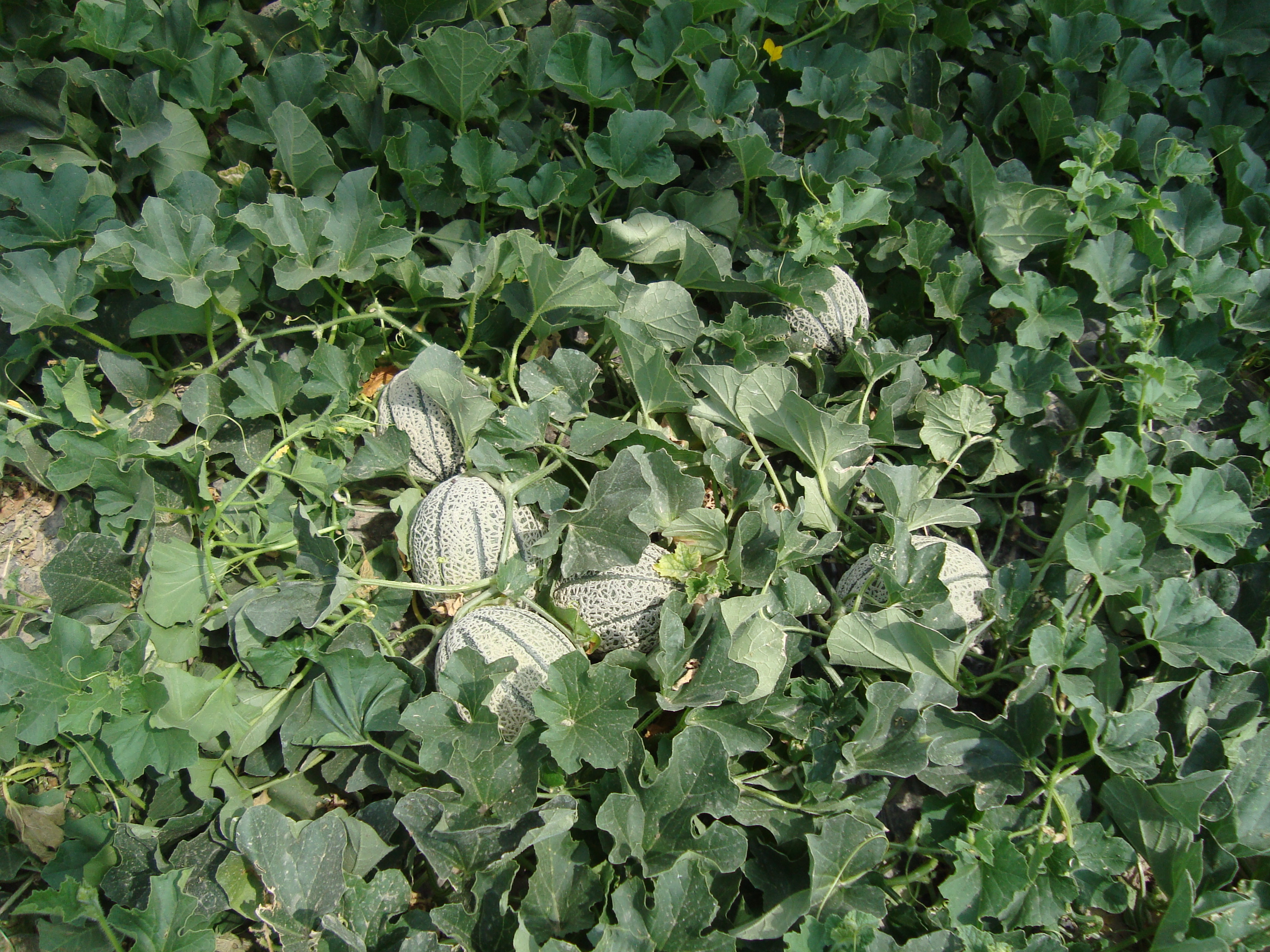
June 2010, melon crop at the beginning of harvest, characterised by good fruit set and absence of Monosporascus, in the third year of treatment with BioAksxter®.
In autumn 2010, the farm decided to extend the use of BioAksxter®.


