Markus, apple and grape grower
Ladurner Markus Farm, Naturno (Bolzano, Italy)
A farm specialising in apple production (Golden Delicious, Red Delicious, Braeburn and Fuji), supplying growers' cooperatives, and Riesling grape production for high-quality winemaking.
In November 2006, the farm began using BioAksxter® in its apple orchards, primarily to address the growing problem of apple proliferation disease. In November 2007, treatment was extended to the vineyard to improve vegetative growth and yield potential.
The incidence of apple proliferation disease had been steadily increasing in previous years. In older orchards, despite the continuous removal of infected trees, 7–12% of the trees were unproductive. In younger orchards, a large number of trees exhibited the characteristic symptom of leaf reddening. As a result of the disease, average yields had fallen to 440 quintals per hectare.
In the vineyard, poor vegetative growth was caused by earthmoving operations that had brought deeper, less fertile soil layers to the surface. By the third growing season, yields were 25 quintals per hectare, with an average of 300 grams of grapes per vine.
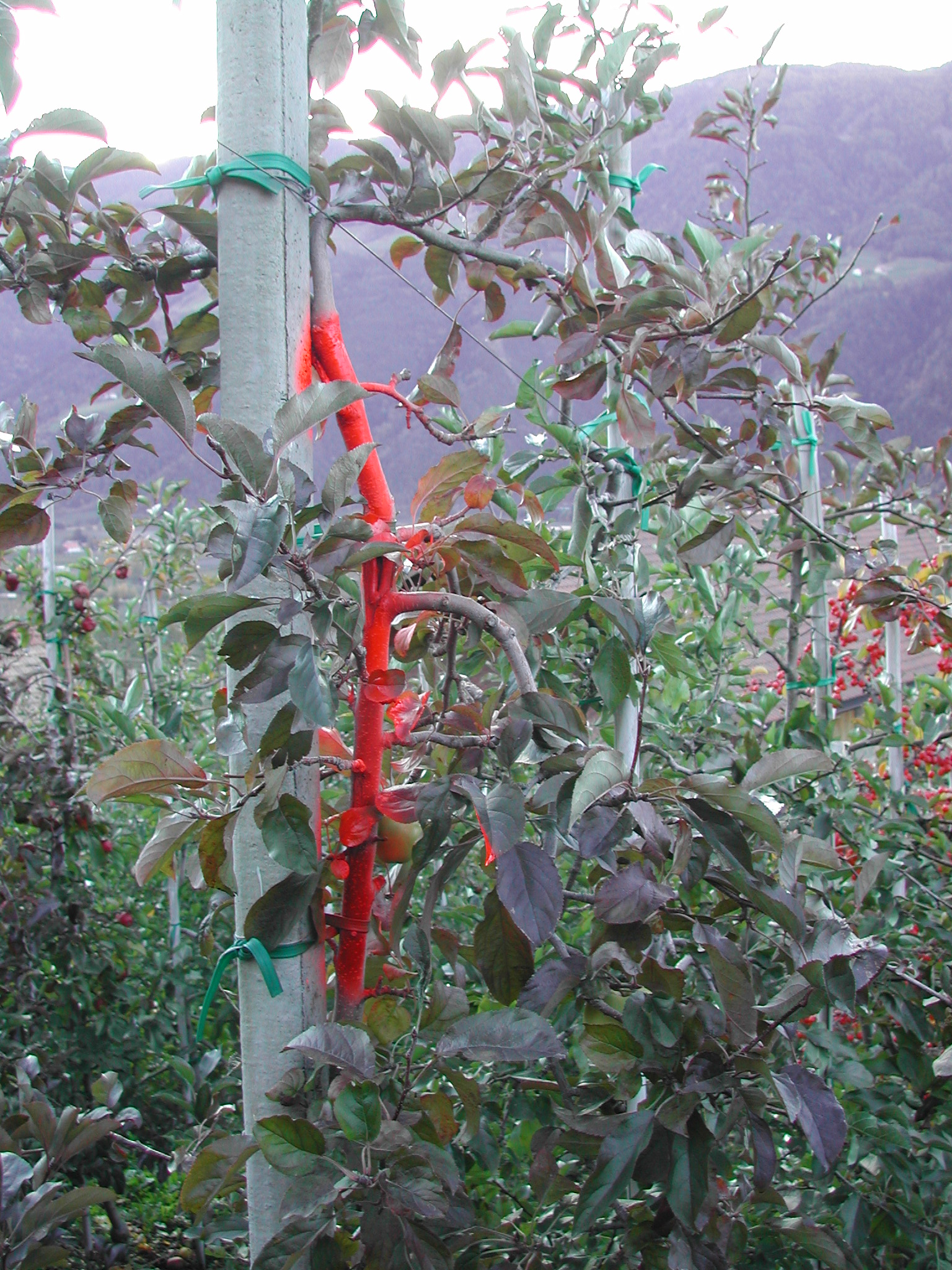
Apple tree affected by apple proliferation disease, marked for removal.
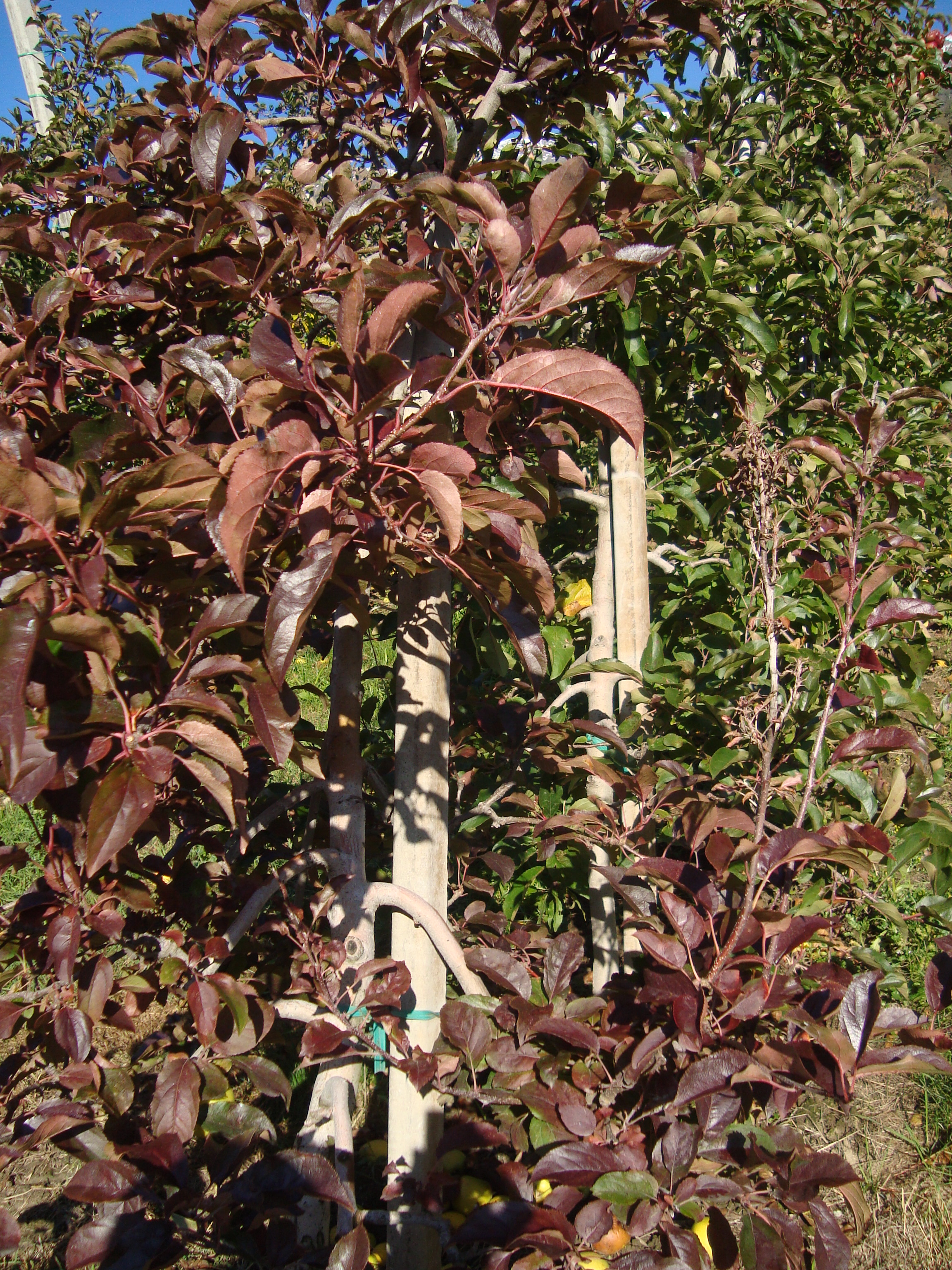
Characteristic leaf reddening caused by apple proliferation disease.
In 2007, during the first year of treatment with BioAksxter®, improvements became evident shortly after the resumption of vegetative growth. In May, shoots on trees affected by apple proliferation disease showed normal development, although the stipules on the basal leaves had initially exhibited elongation.
Throughout the growing season, no newly affected trees were observed, while previously affected trees produced normally in terms of both fruit number and size.
At harvest, greater uniformity in fruit size was observed, and the farm's average yield increased from 440 to 500 quintals per hectare.
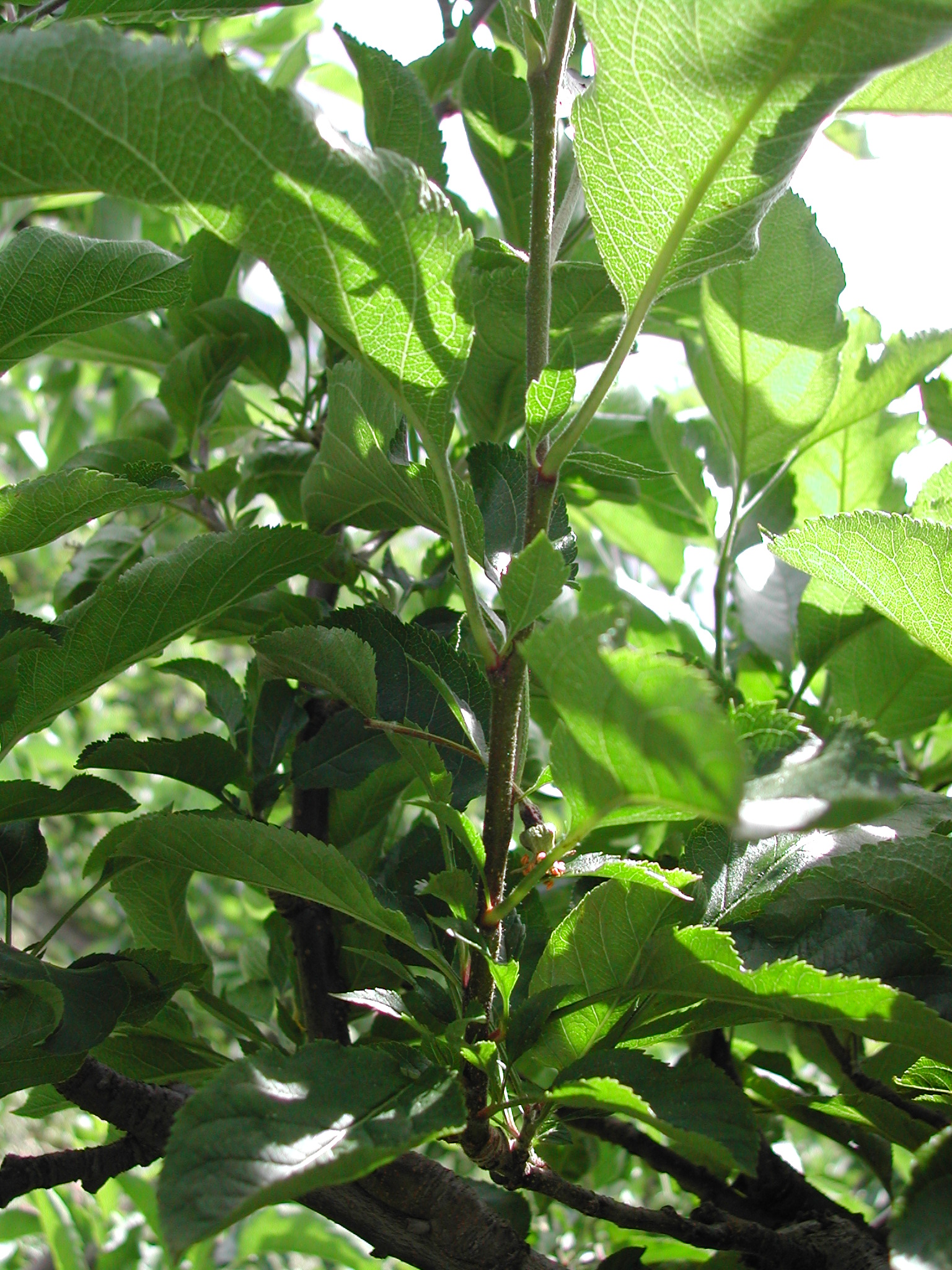
May 2007. Shoot of an apple tree affected by apple proliferation disease, during the first year of treatment with BioAksxter®. The initially elongated stipules of the basal leaves subsequently developed normally.
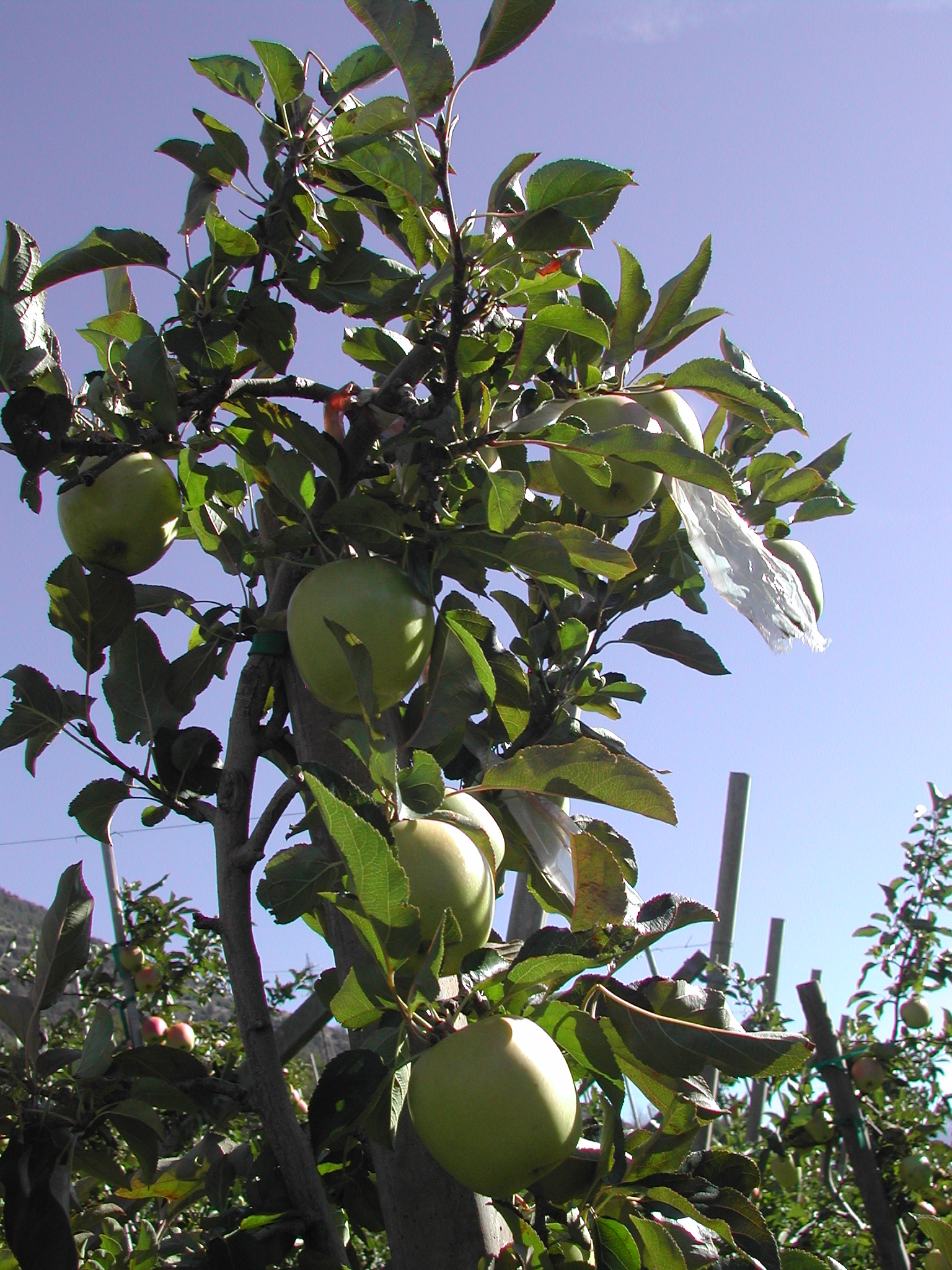
September 2007. Apple tree affected by apple proliferation disease, during the first year of treatment with BioAksxter®. The tree, previously marked for removal, is now productive.
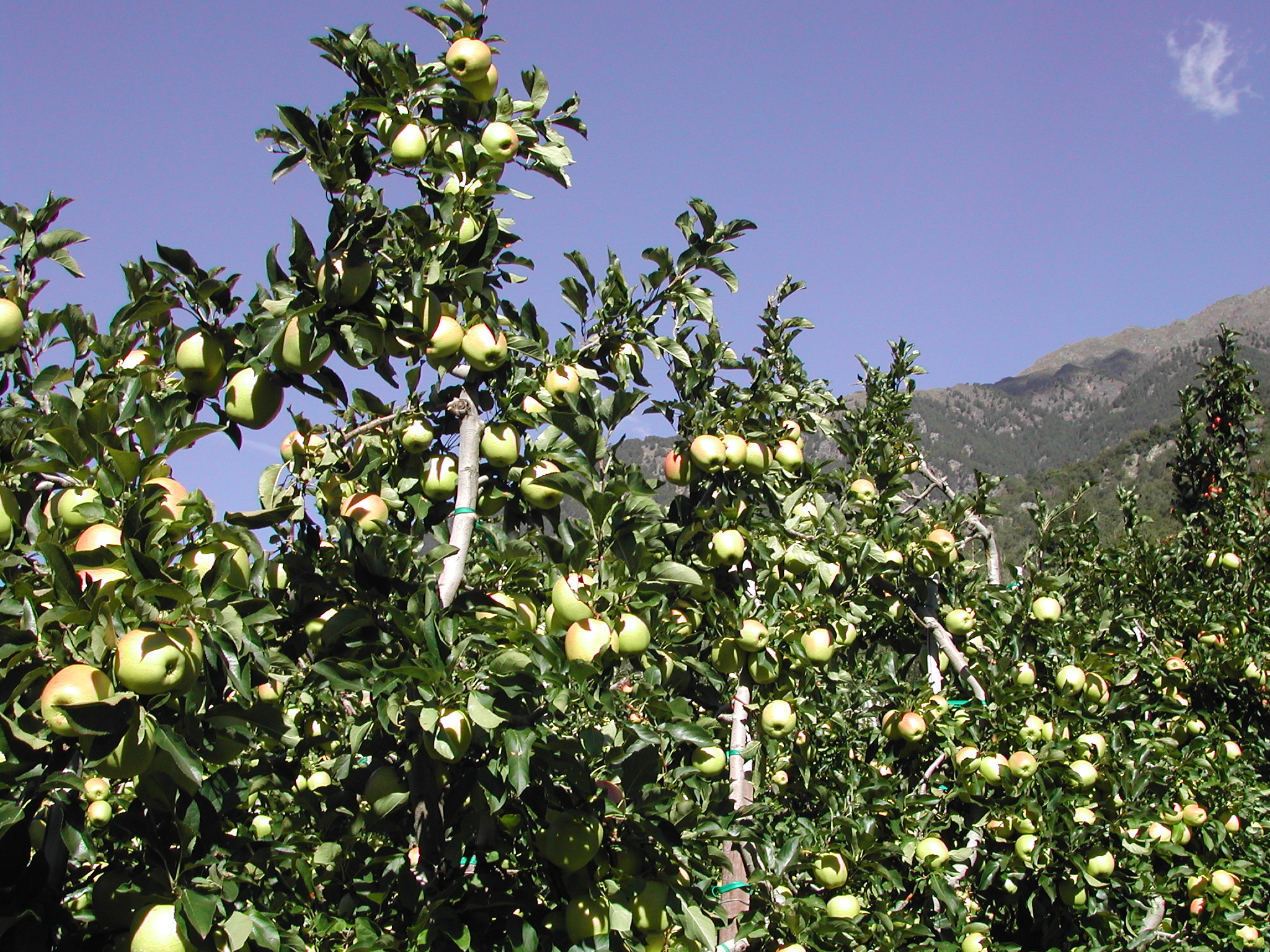
September 2007. Golden Delicious apple tree during the first year of cultivation with BioAksxter®, showing particularly high uniformity in fruit size.
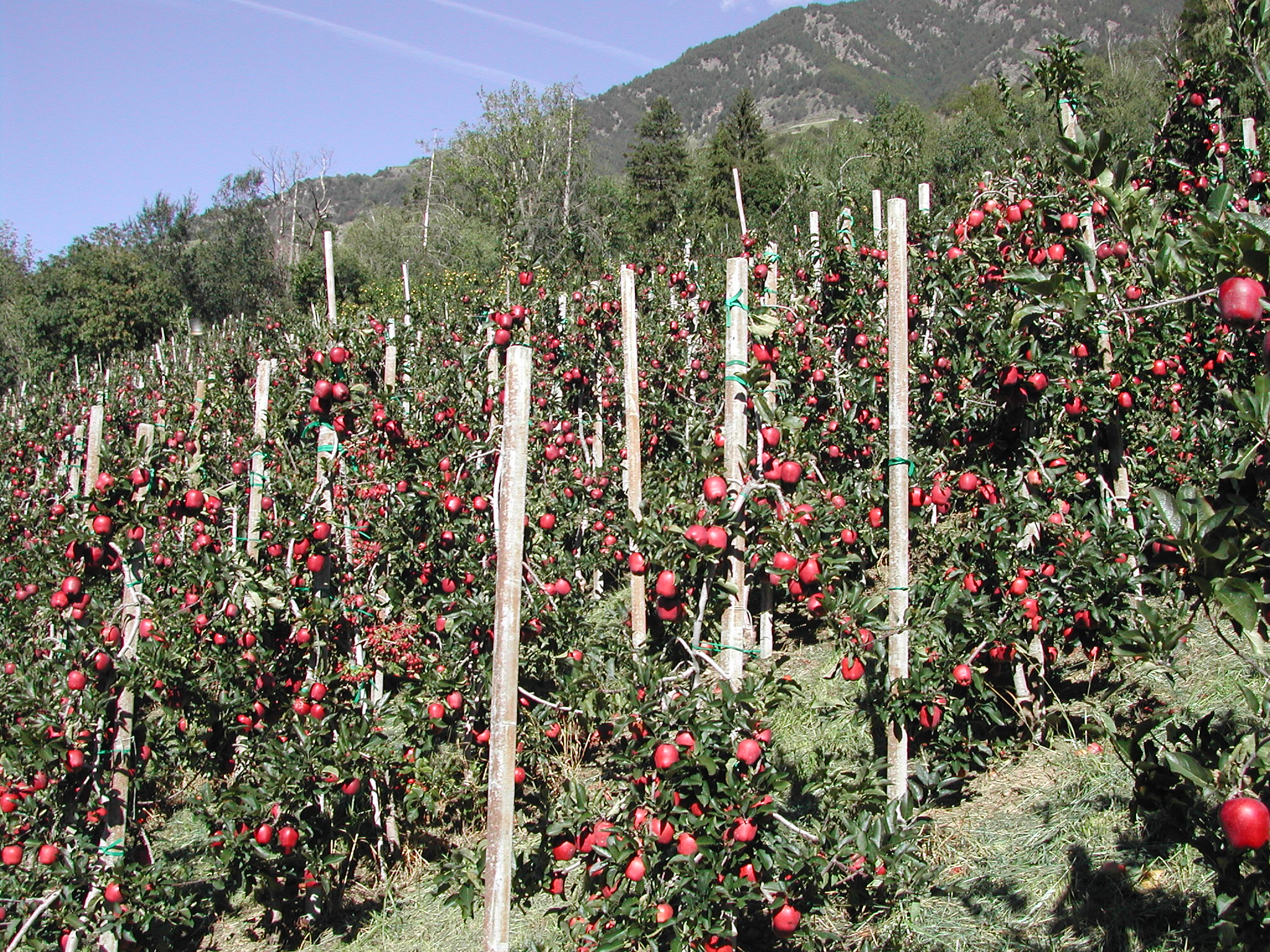
September 2007. Stark Delicious orchard characterised by high productivity and uniform fruit size, during the first year of cultivation with BioAksxter®.
In the vineyard, during the first year of treatment, vegetative growth improved and yields more than doubled compared with the previous year, reaching almost 60 quintals per hectare.
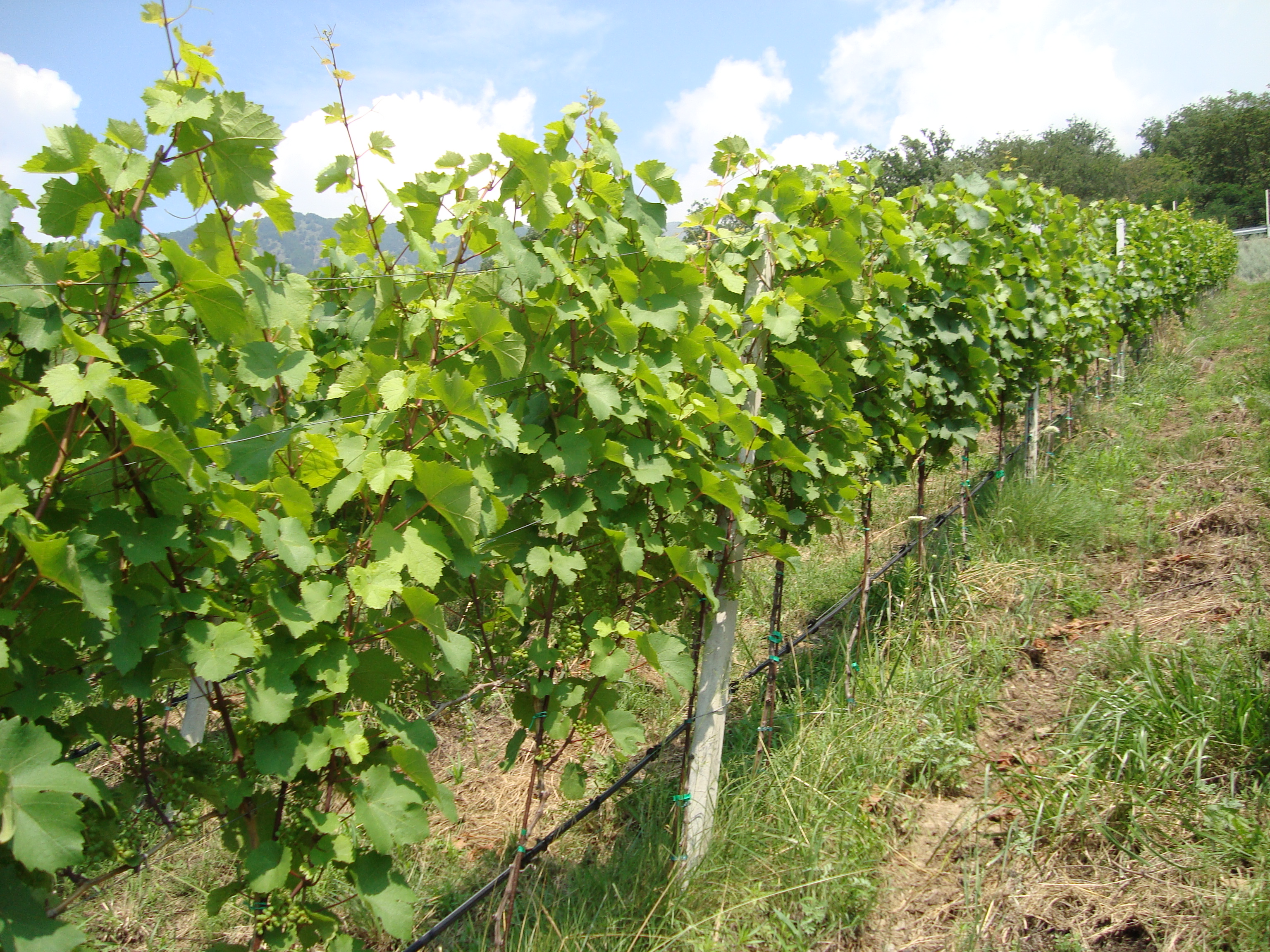
July 2008. Vineyard previously affected by poor vegetative growth, during the first year of cultivation with BioAksxter®.
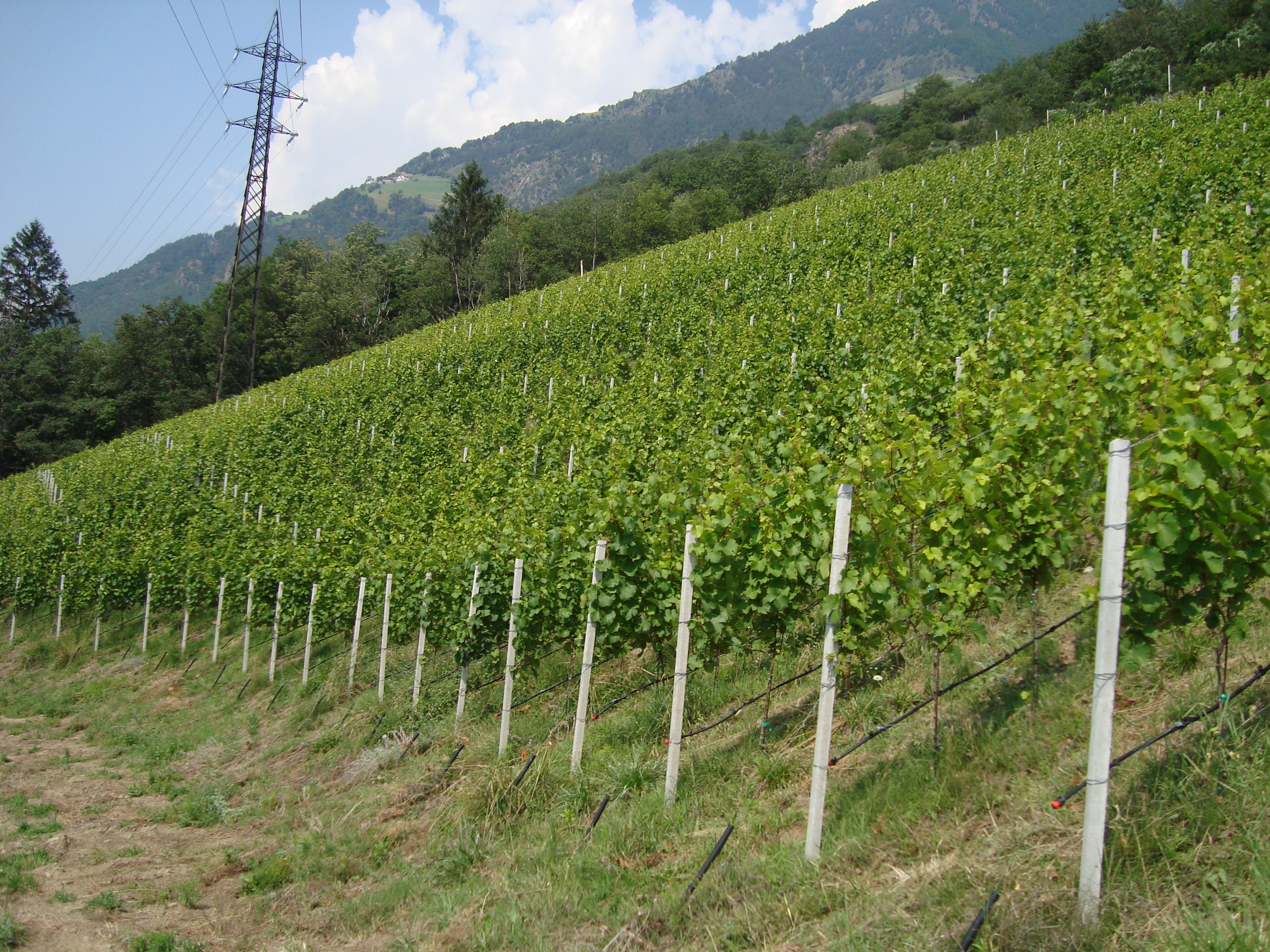
July 2008. Vineyard previously affected by poor vegetative growth, during the first year of cultivation with BioAksxter®.
Results improved further in subsequent years. The vineyard established in 2010 was characterised by vigorous vegetative growth, and by 2011 most vines had developed sufficiently to allow pruning for fruit production.
In the established vineyard, vine growth became more uniform and yields increased, reaching 70–73 kg. Grape quality was excellent, with high acidity levels and sugar concentrations of 24 °Babo.
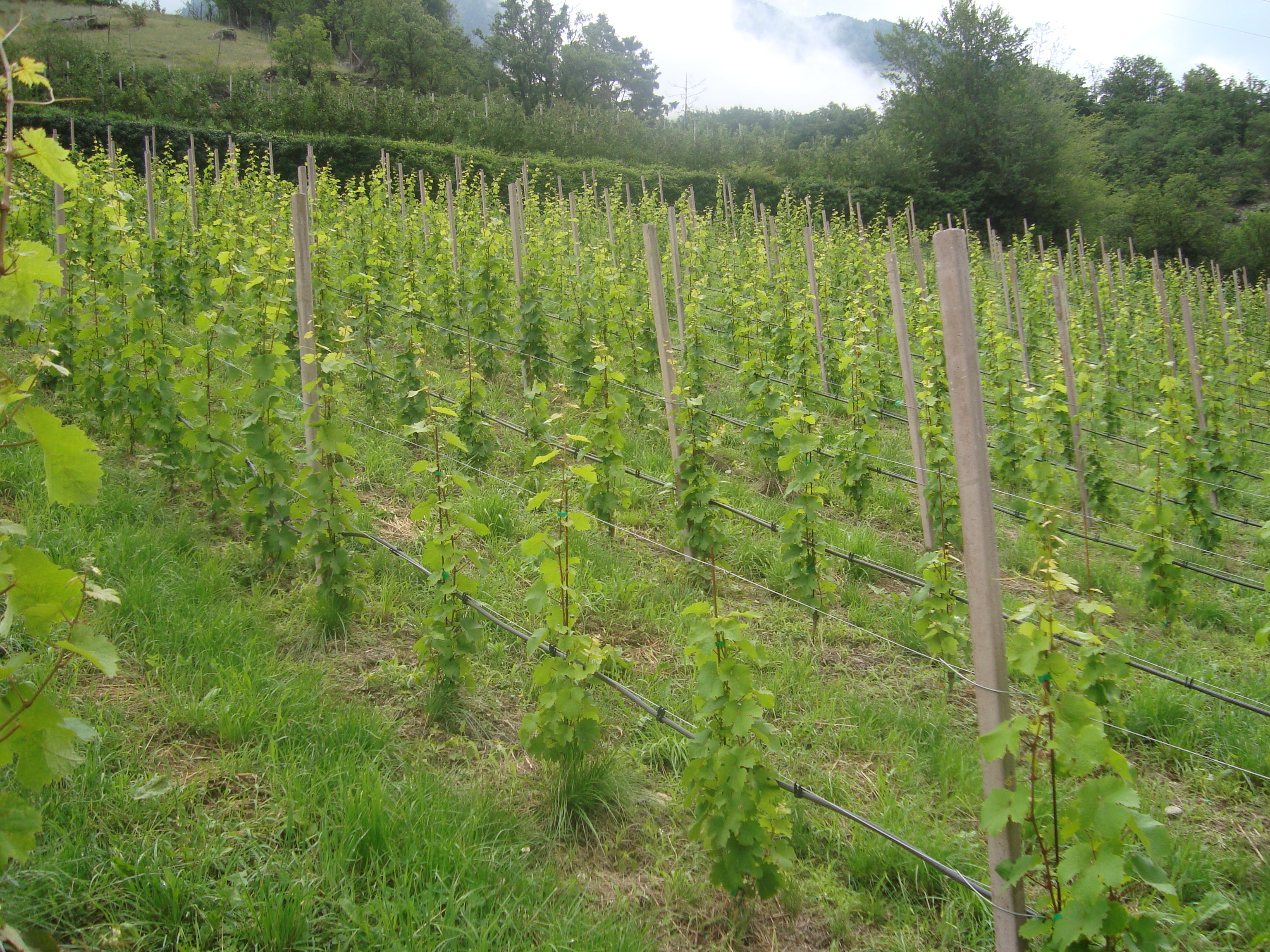
June 2011. Vineyard in its second growing season, cultivated with BioAksxter® and characterised by vigorous vegetative growth.
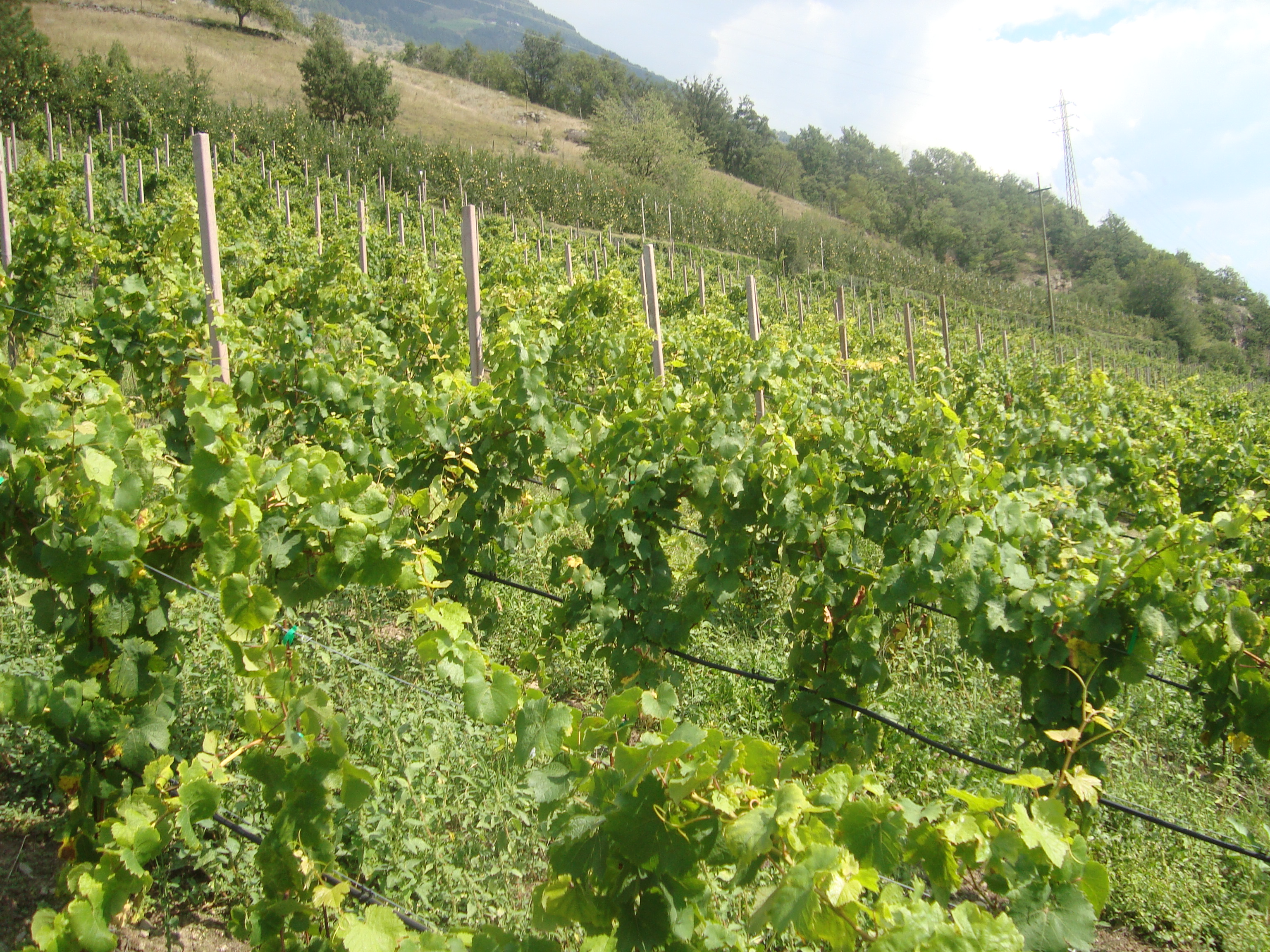
August 2011. Vineyard in its second growing season, cultivated with BioAksxter® and ready for pruning for fruit production.
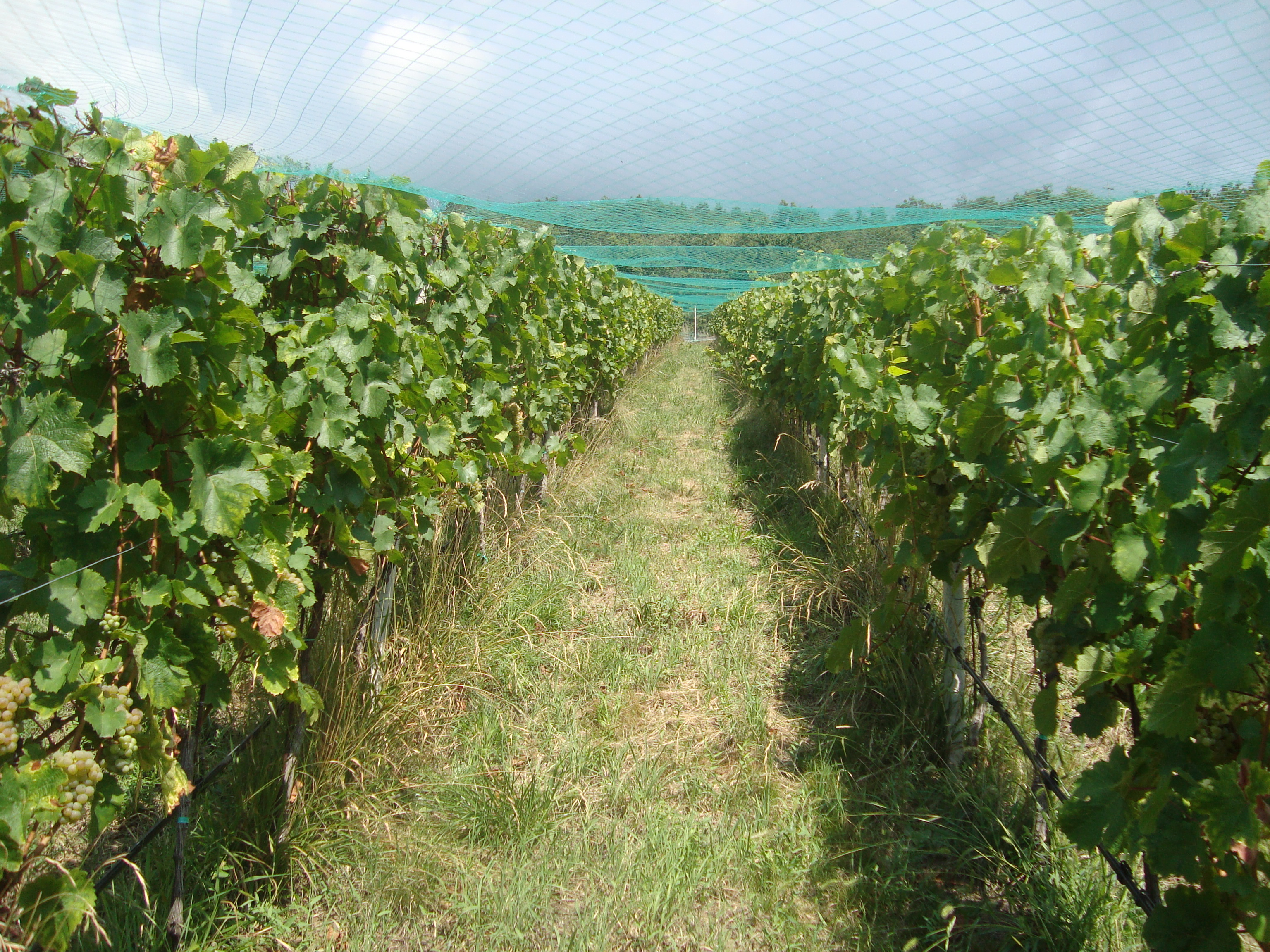
August 2011. Vineyard cultivated with BioAksxter®, previously affected by poor vegetative growth and low productivity.
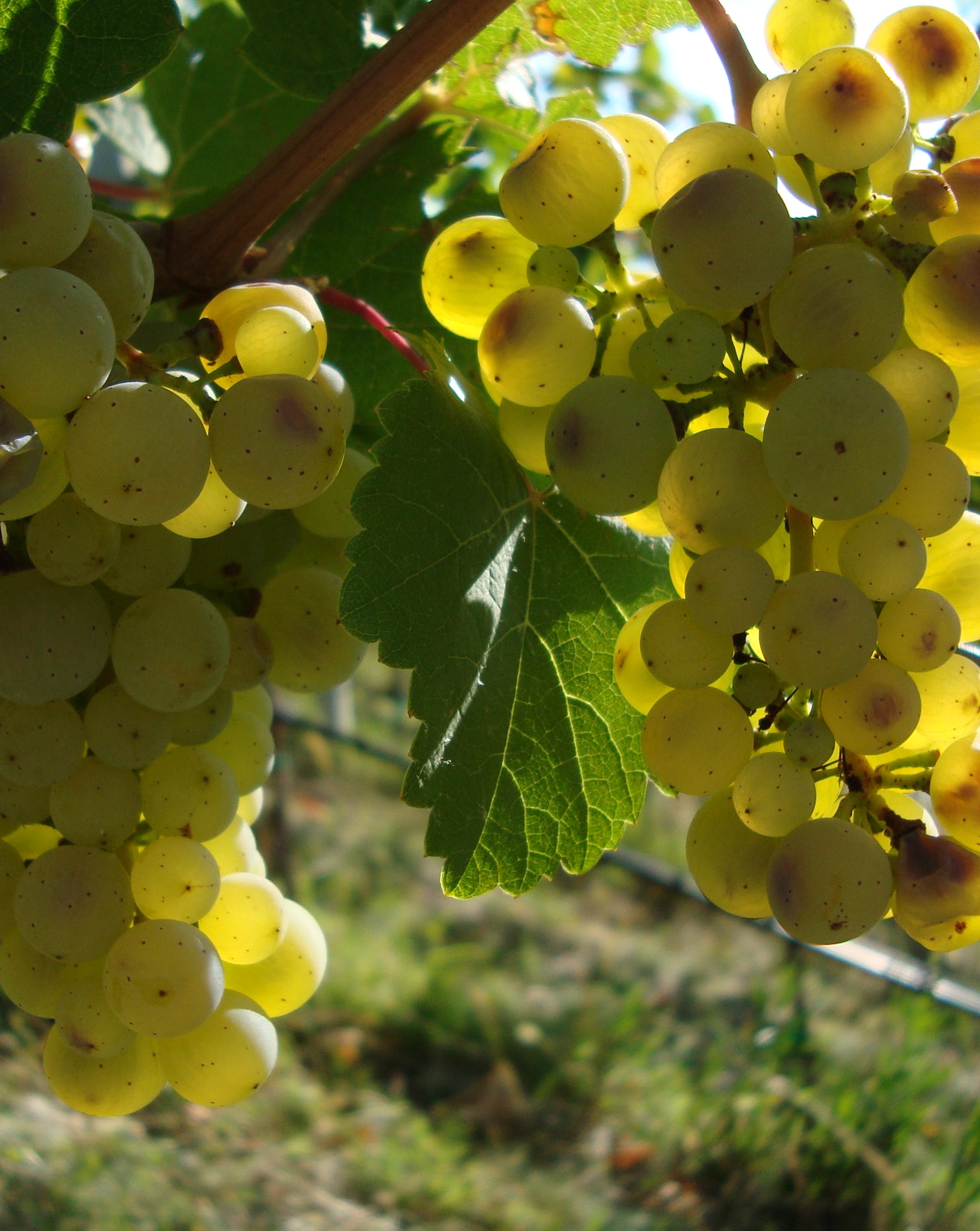
September 2009. High-quality grapes grown with BioAksxter®.
In apple production:
- The problem of apple proliferation disease was resolved. The percentage of newly affected trees was virtually zero, while previously affected trees continued to produce normally.
- Mineral fertiliser applications were reduced to 2 quintals per hectare in most orchards, and plant protection management against apple scab, powdery mildew and eriophyid mites became simpler.
- Fuji orchards affected by alternate bearing and Braeburn orchards that had never achieved satisfactory productivity recorded substantial yield increases, which remained consistent over time.
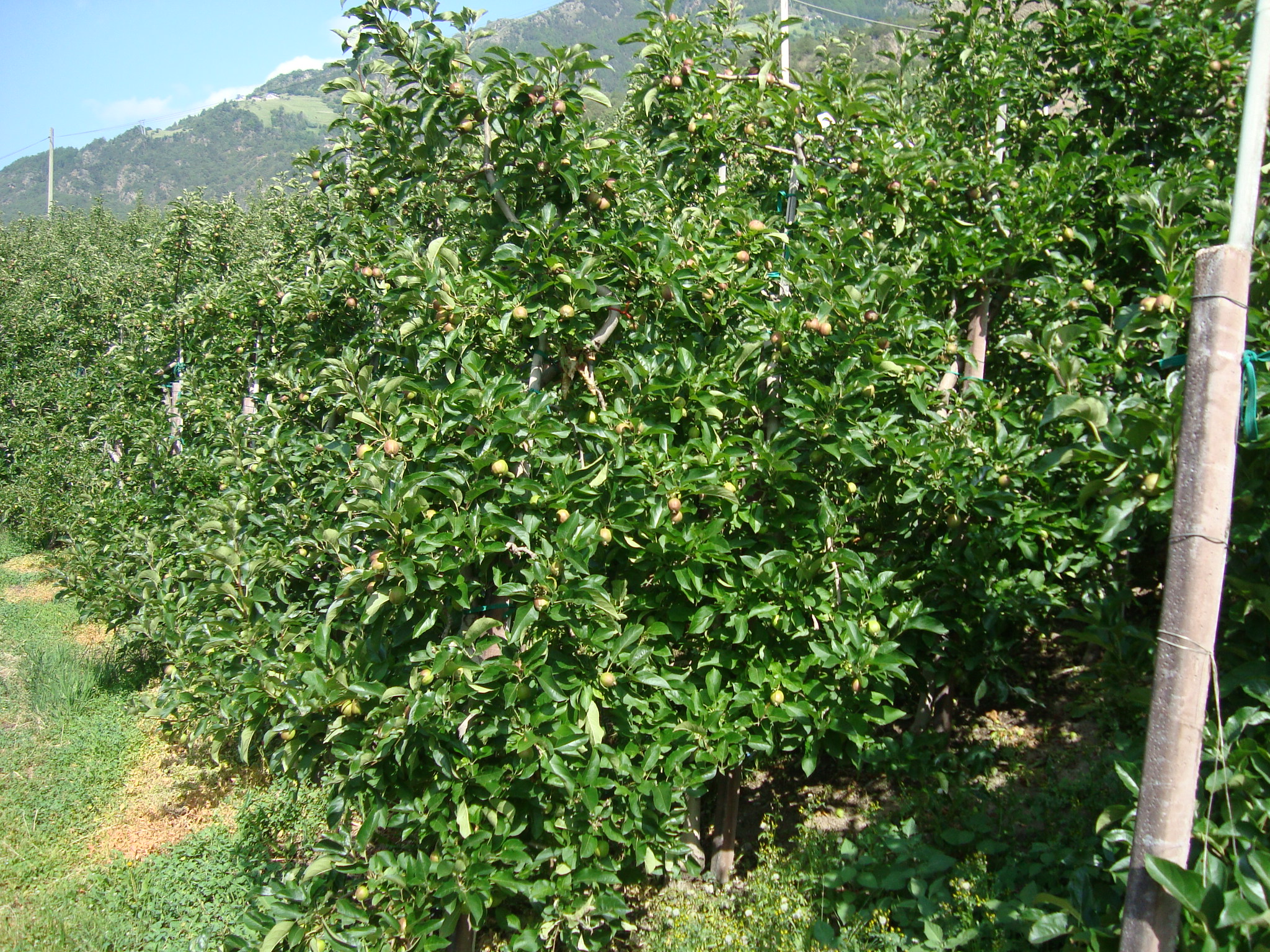 June 2009. Orchard cultivated with BioAksxter®, characterised by vigorous vegetative growth.
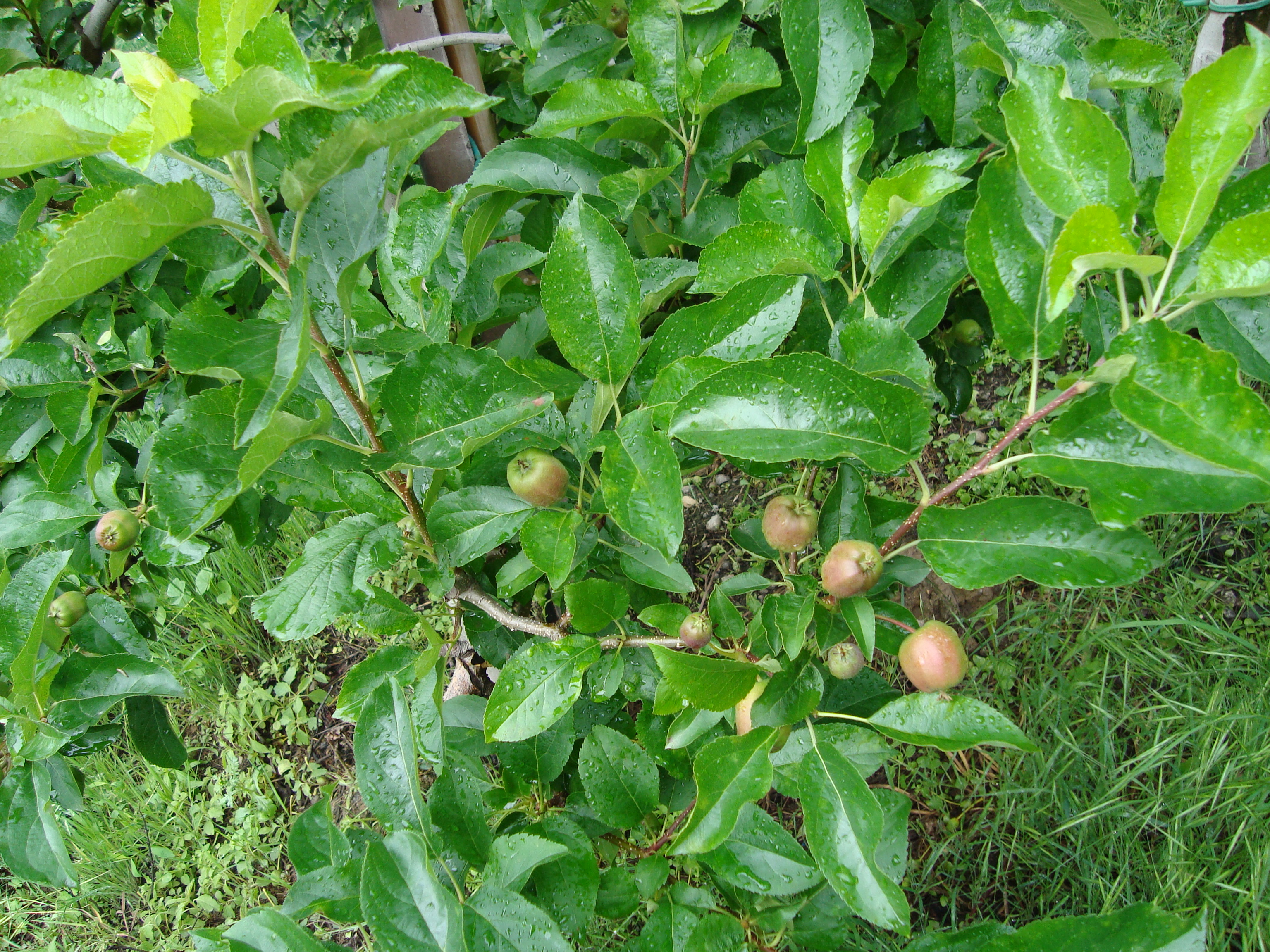
June 2008. Orchard cultivated with BioAksxter®, showing particularly good plant health.
- The farm's average yield consistently ranged between 500 and 600 quintals per hectare, representing an increase of 15–35% compared with the years preceding the use of BioAksxter®. In younger Golden Delicious orchards, yields reached 800 quintals per hectare.
- In addition to expressing satisfaction with the results achieved, the grower described the use of BioAksxter® as indispensable and decisive in resolving the problem of apple proliferation disease.
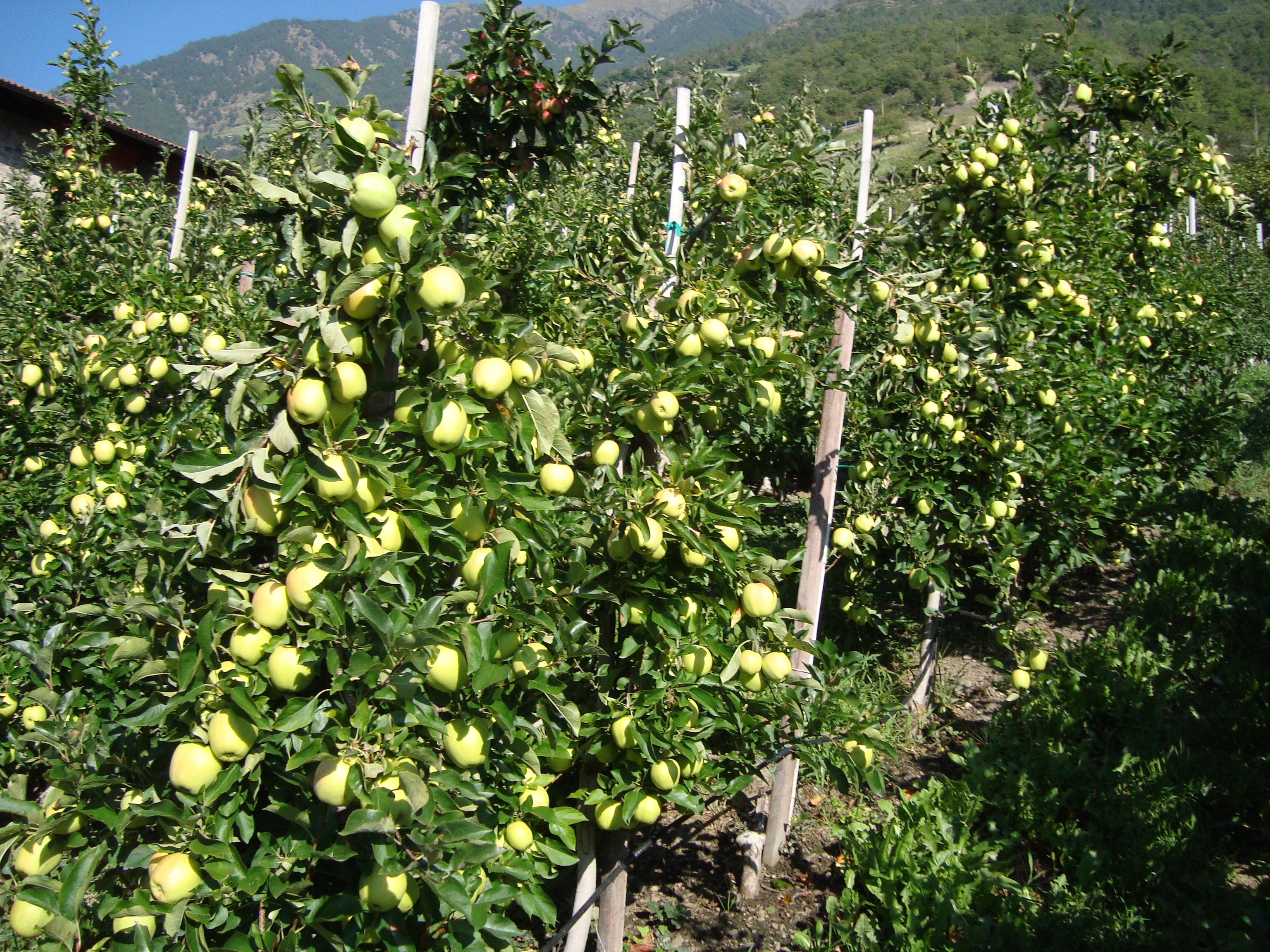
September 2009. Golden Delicious apple orchard cultivated with BioAksxter®.
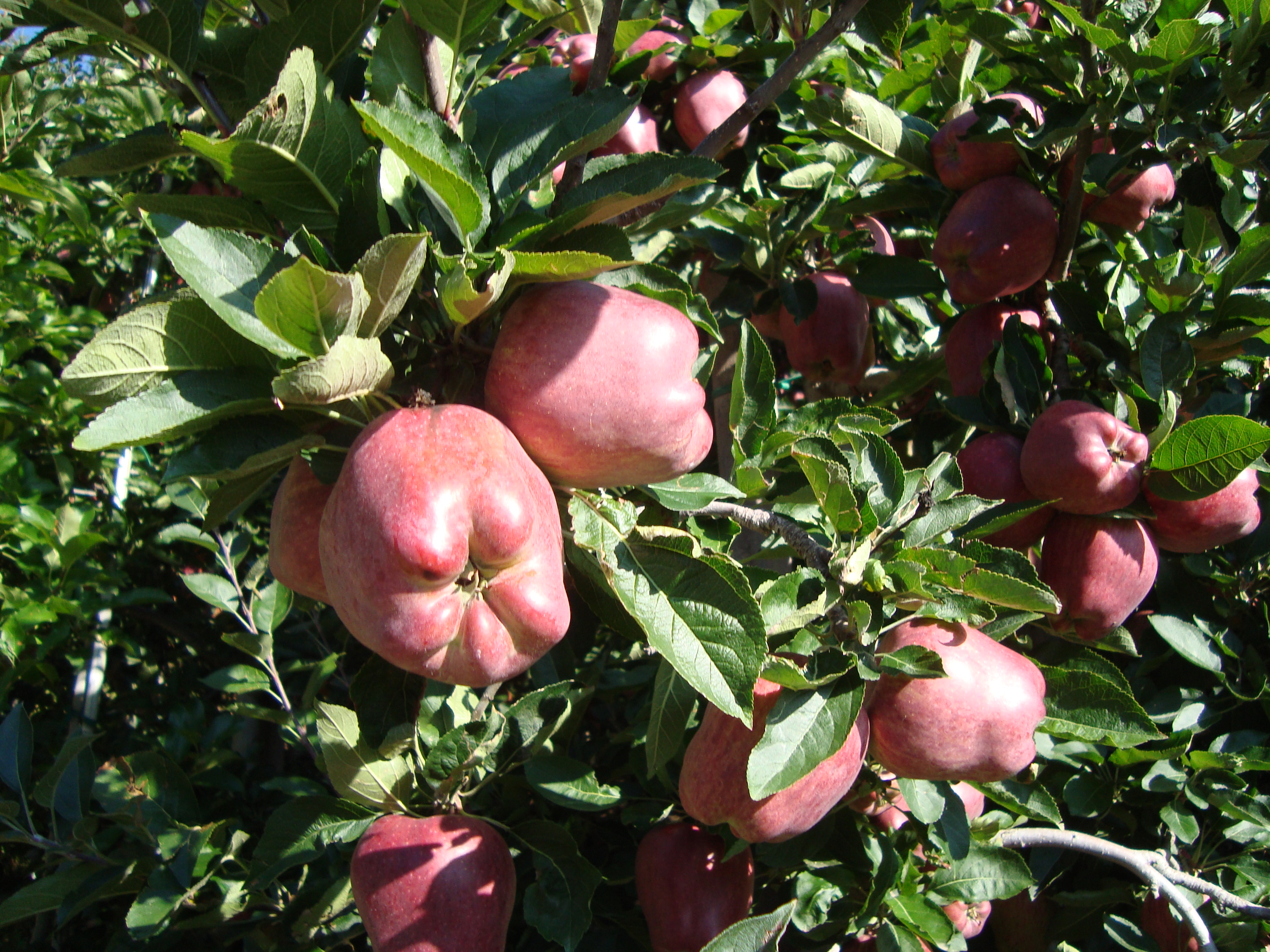
September 2009. Stark Delicious apples grown with BioAksxter®.
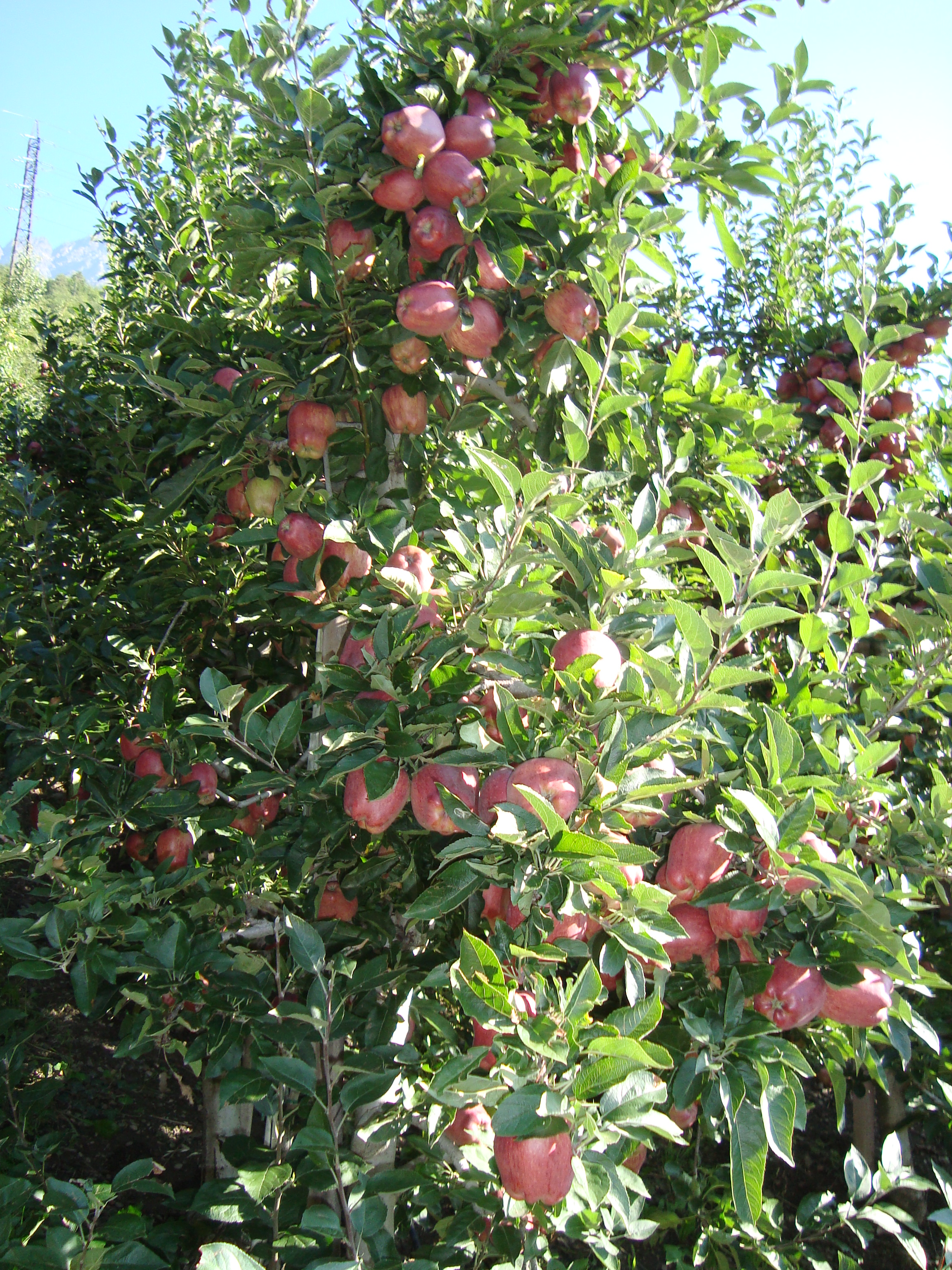
September 2009. Highly productive Stark Delicious apple orchard cultivated with BioAksxter®.
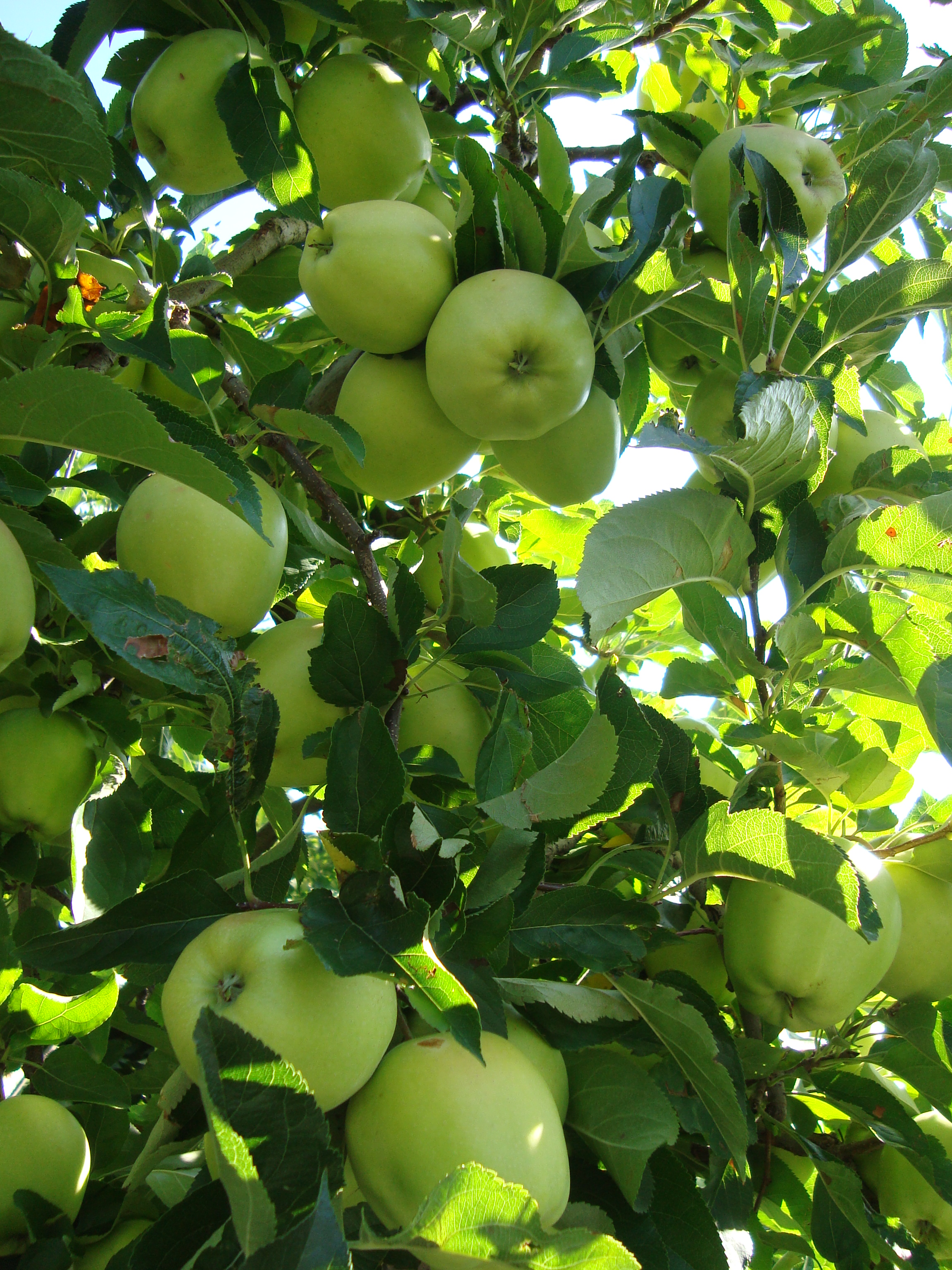
August 2011. Golden Delicious apples grown with BioAksxter®, showing particularly large fruit size.


