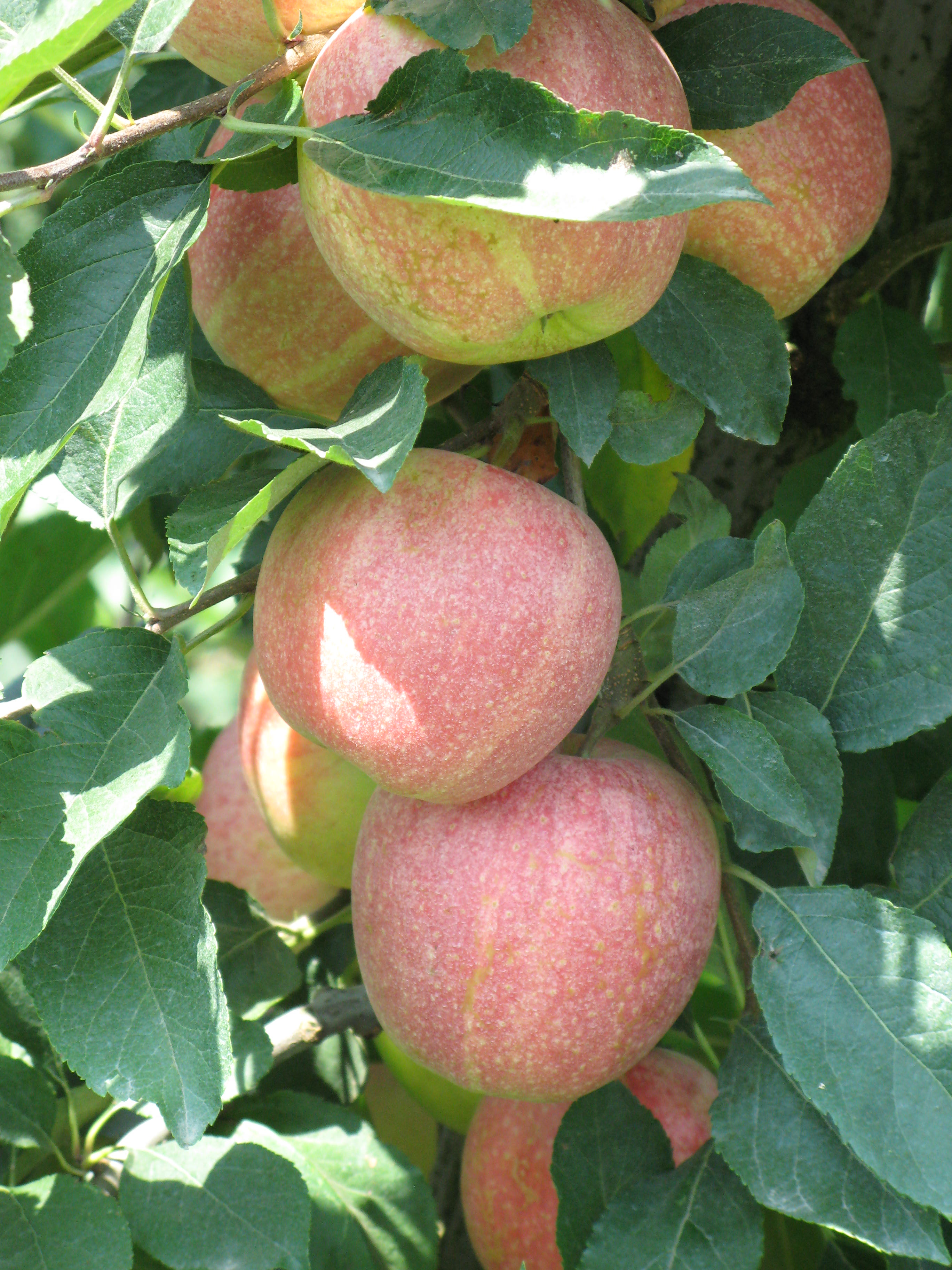
Martin, apple and pear grower
Martin Siller Bachguterhof Farm
In April 2009, Mr Martin Siller, owner of Martin Siller Bachguterhof Farm, approached AXS M31 concerning a problem affecting the farm's production unit in Corlo (Ferrara, Italy).
During the conversion from conventional to organic farming, a fruit decay problem emerged, causing substantial production losses in both 2007 and 2008.
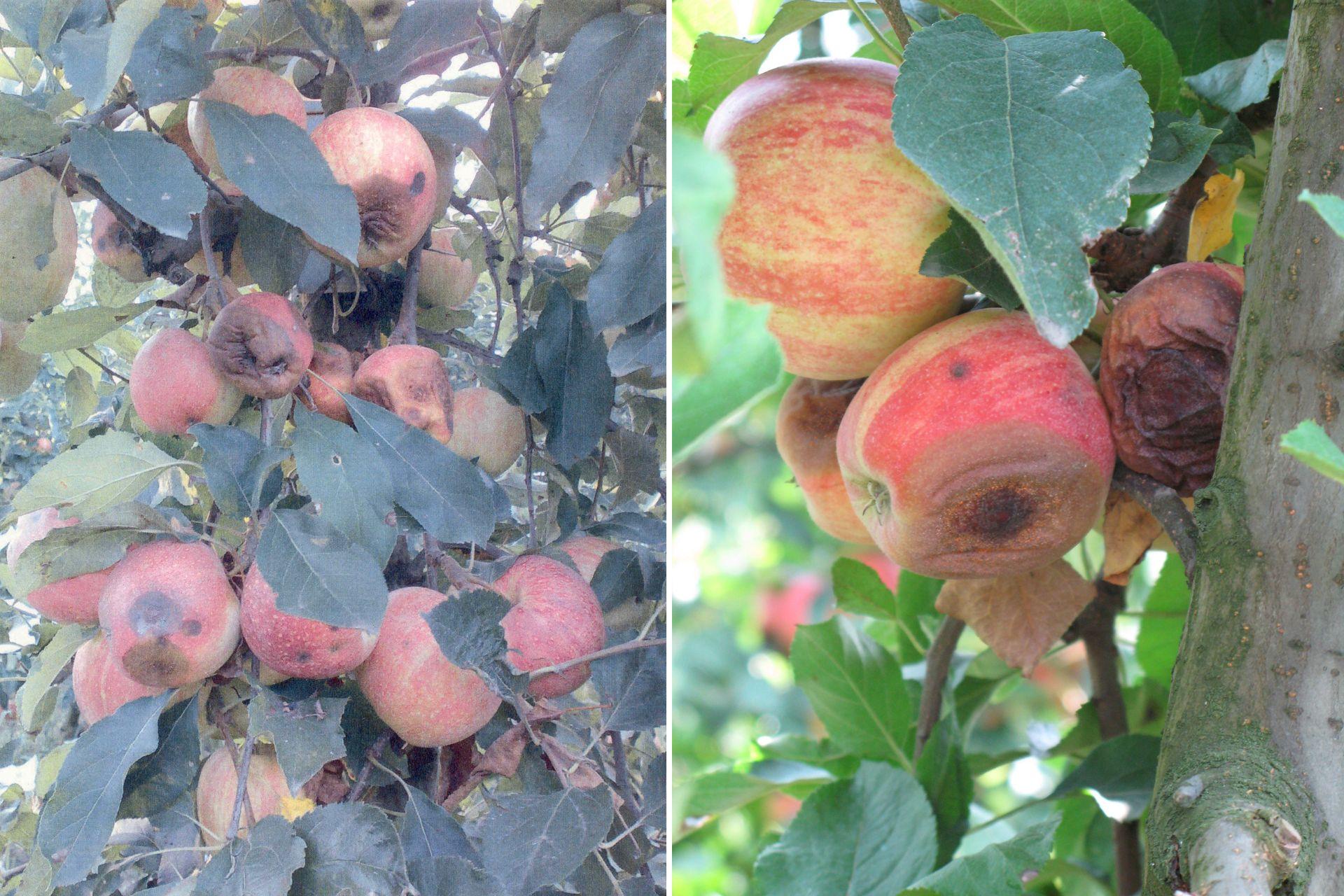
The grower reported that the disease had affected 35% of the fruit still on the trees and that its progression after harvesting had made cold storage impossible.
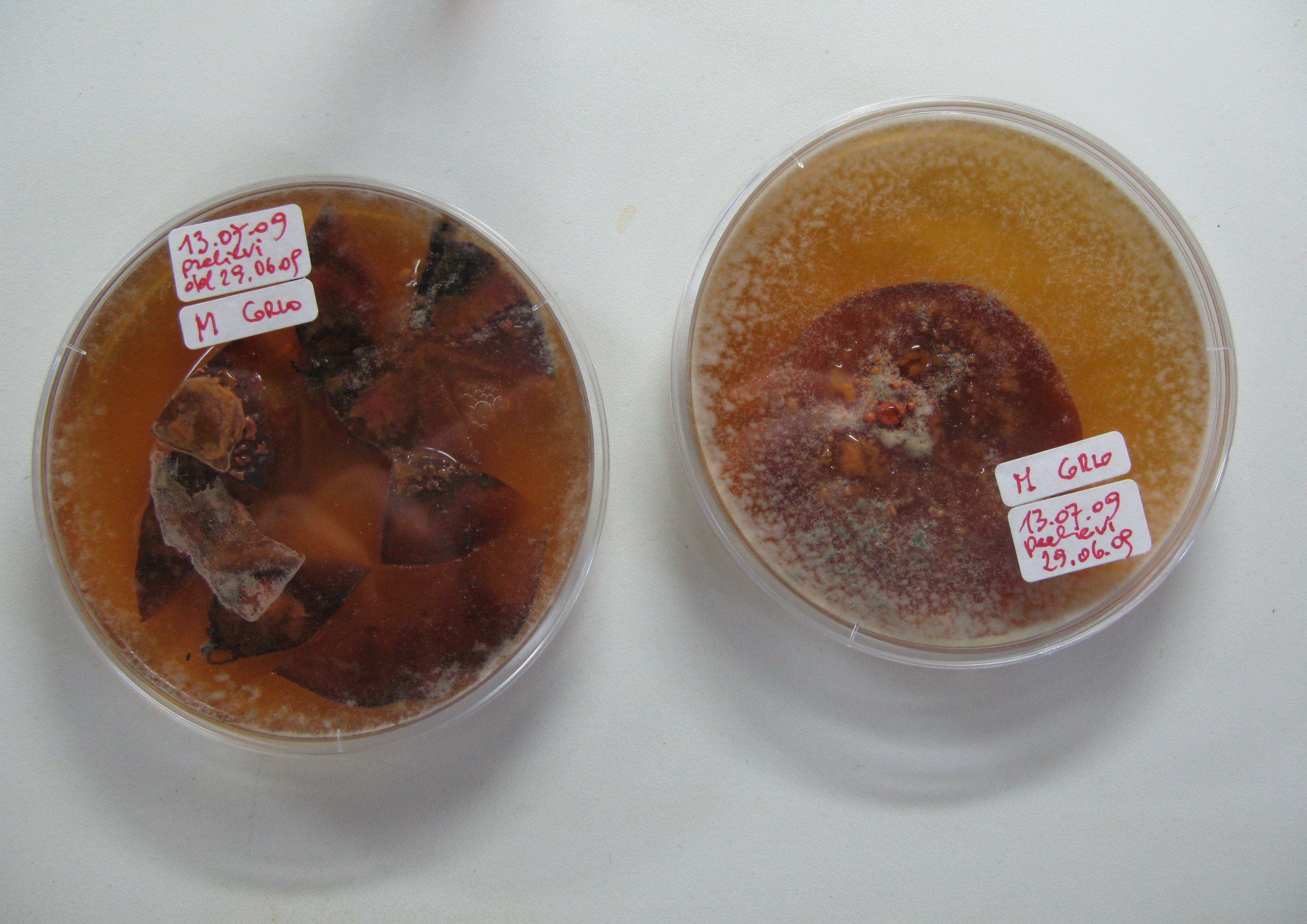
The rapid deterioration of the fruit during growth was attributed by the grower to lenticel rot, a disease associated with the breakdown of fruit cellular structures caused by a fungus belonging to the genus Gloesporium.
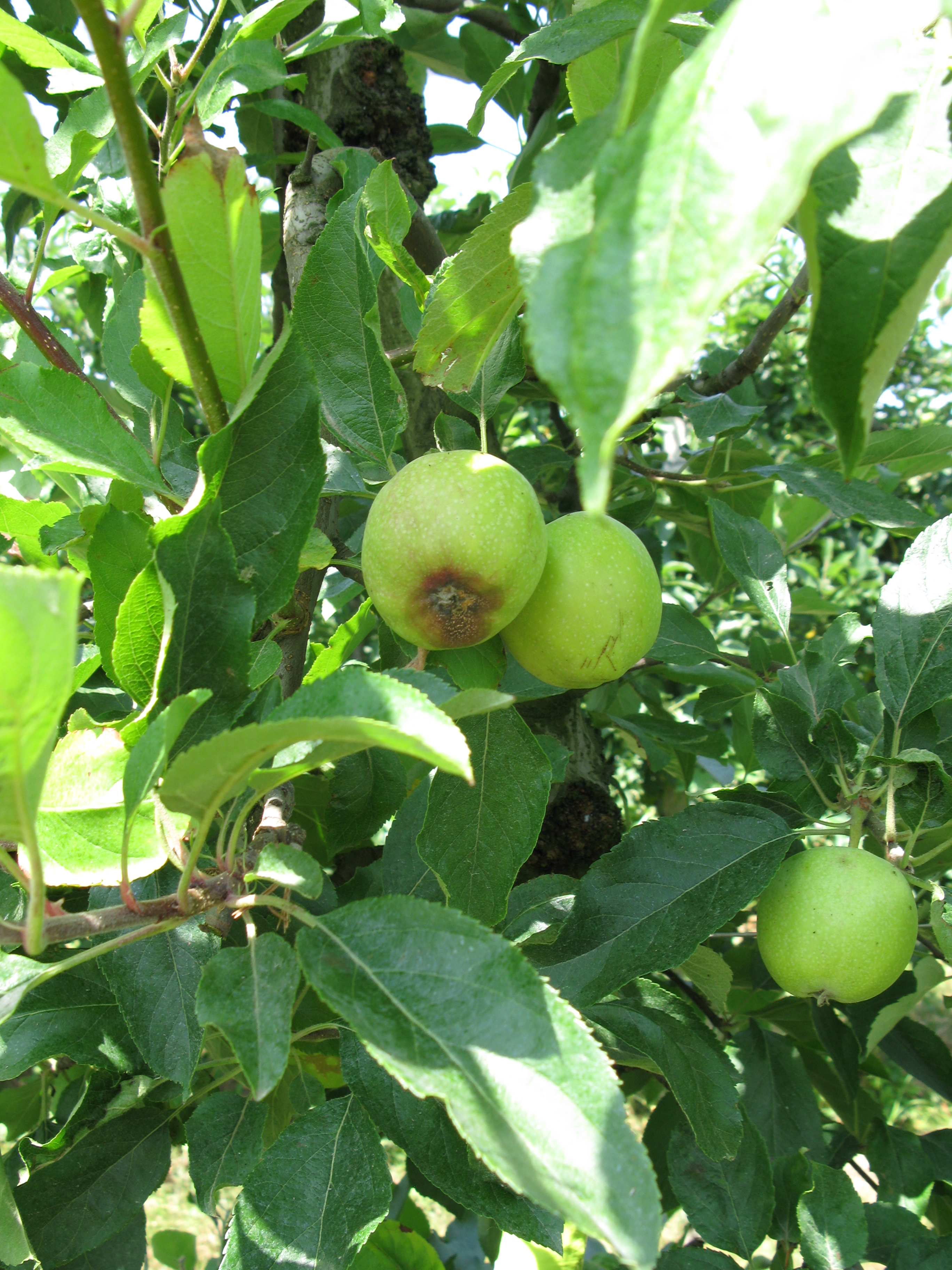
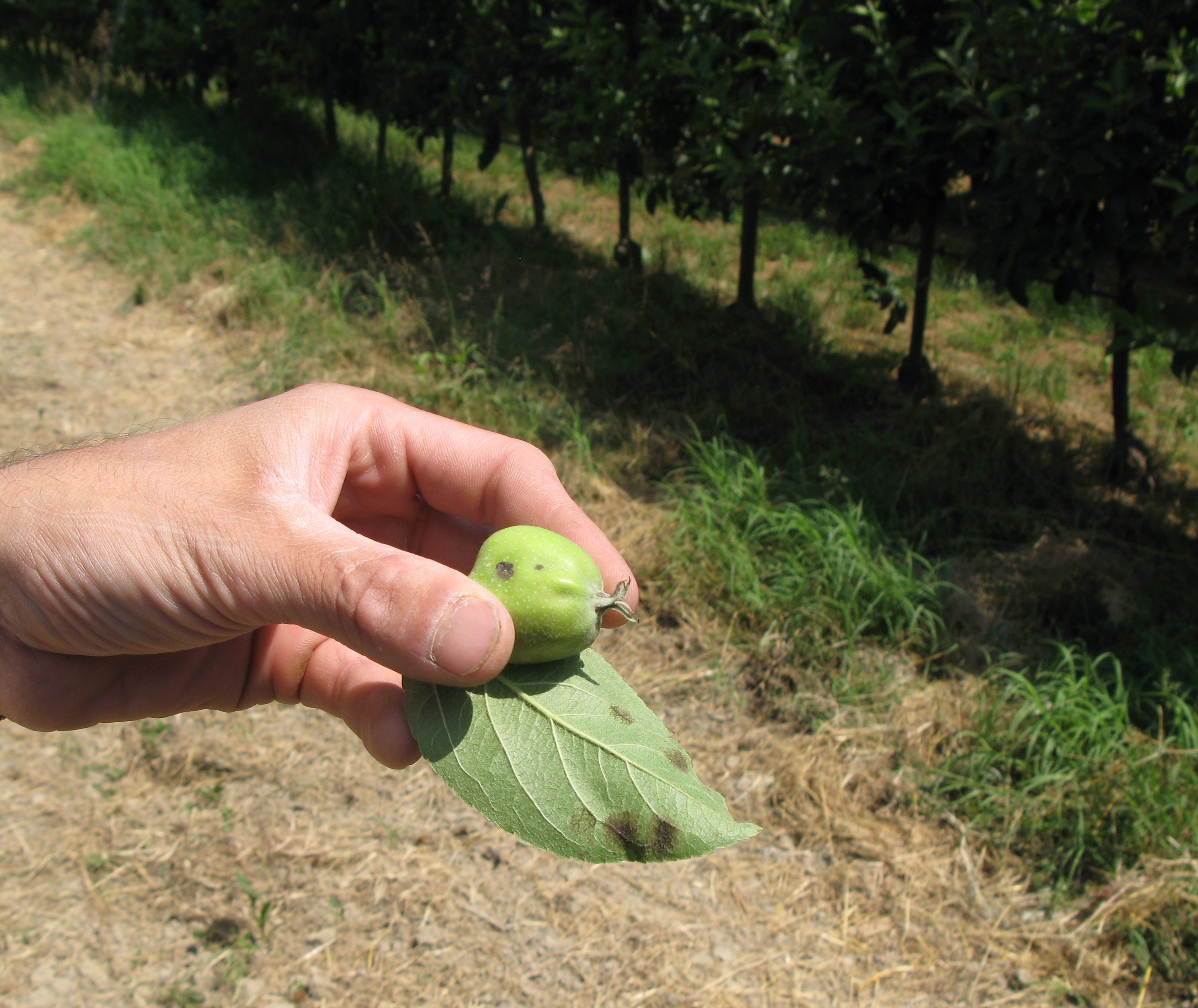
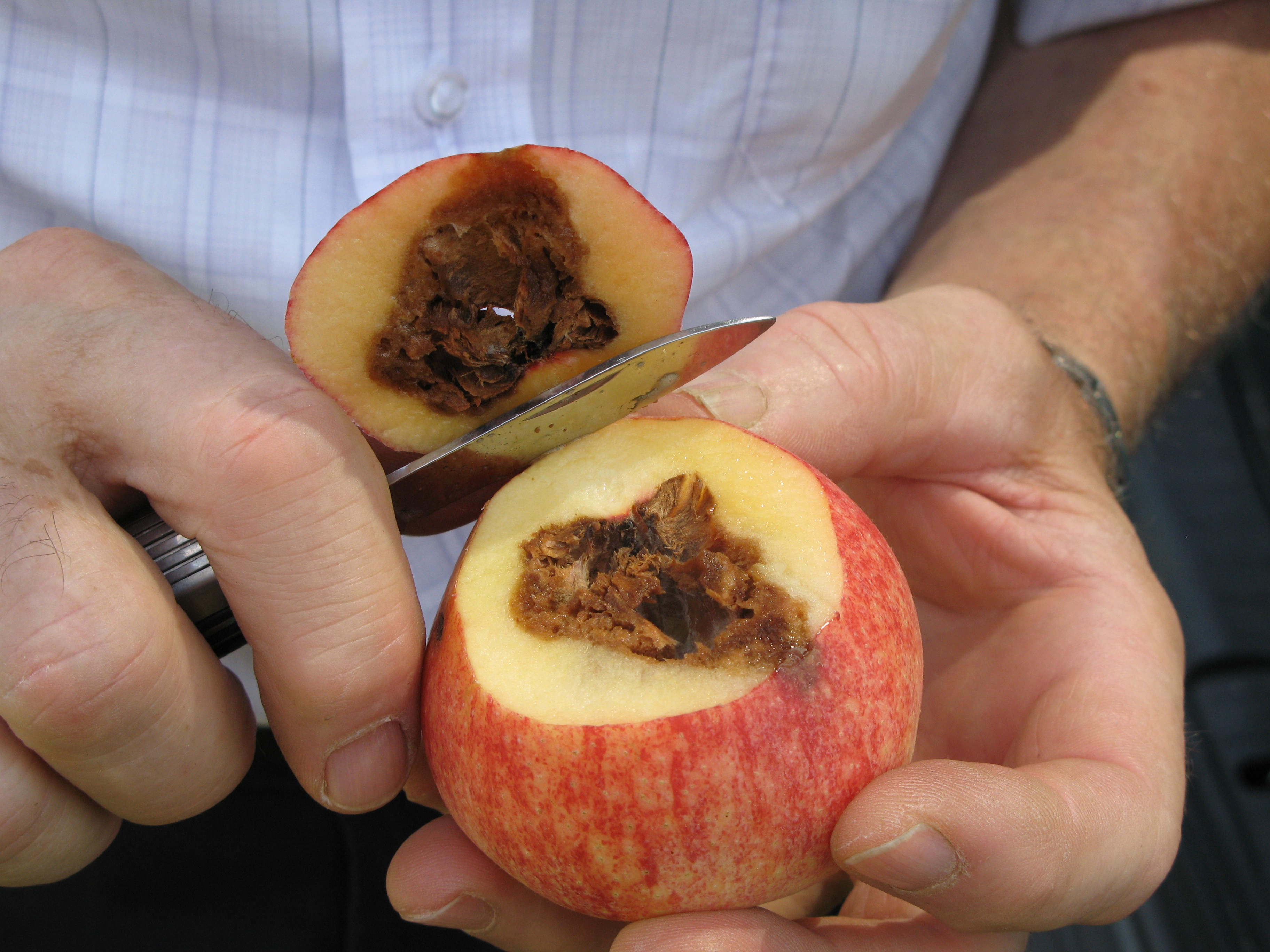
Rot development begins in May and reaches its peak as the fruit ripens in July and August. When it first appears, the rot affects a very small area of the epicarp, close to a lenticel. The affected area then begins to expand until it involves much of the fruit. As temperatures rise and ripening begins, the rot also spreads rapidly to healthy fruit.
Areas affected by lenticel rot
In plot 1 of the eastern orchard, planted with Gala Brookfield and Galaxy, the disease first appeared in 2007, during the first year of organic cultivation. The same occurred in 2008, when organic cultivation was extended to plot 2 of the eastern orchard, planted with Gala Galaxy.
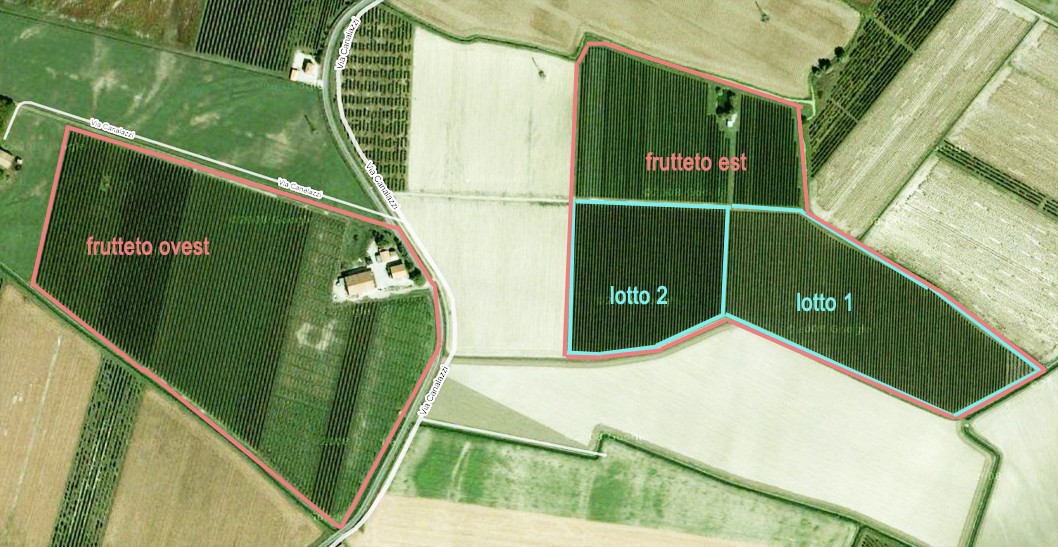
Implementation of protocol 015 | Lenticel rot and calyx-end rot
On 22 April 2009, following an agreement between AXS M31 and the client farm, a protocol was initiated to investigate and overcome this disease in plots 1 and 2 of the eastern orchard at Corlo.
The protocol, conducted by researcher Alessandro Mendini, also included observations of Abate pears in the western orchard, which were characterised by low productivity and affected by Alternaria.
The following activities were carried out:
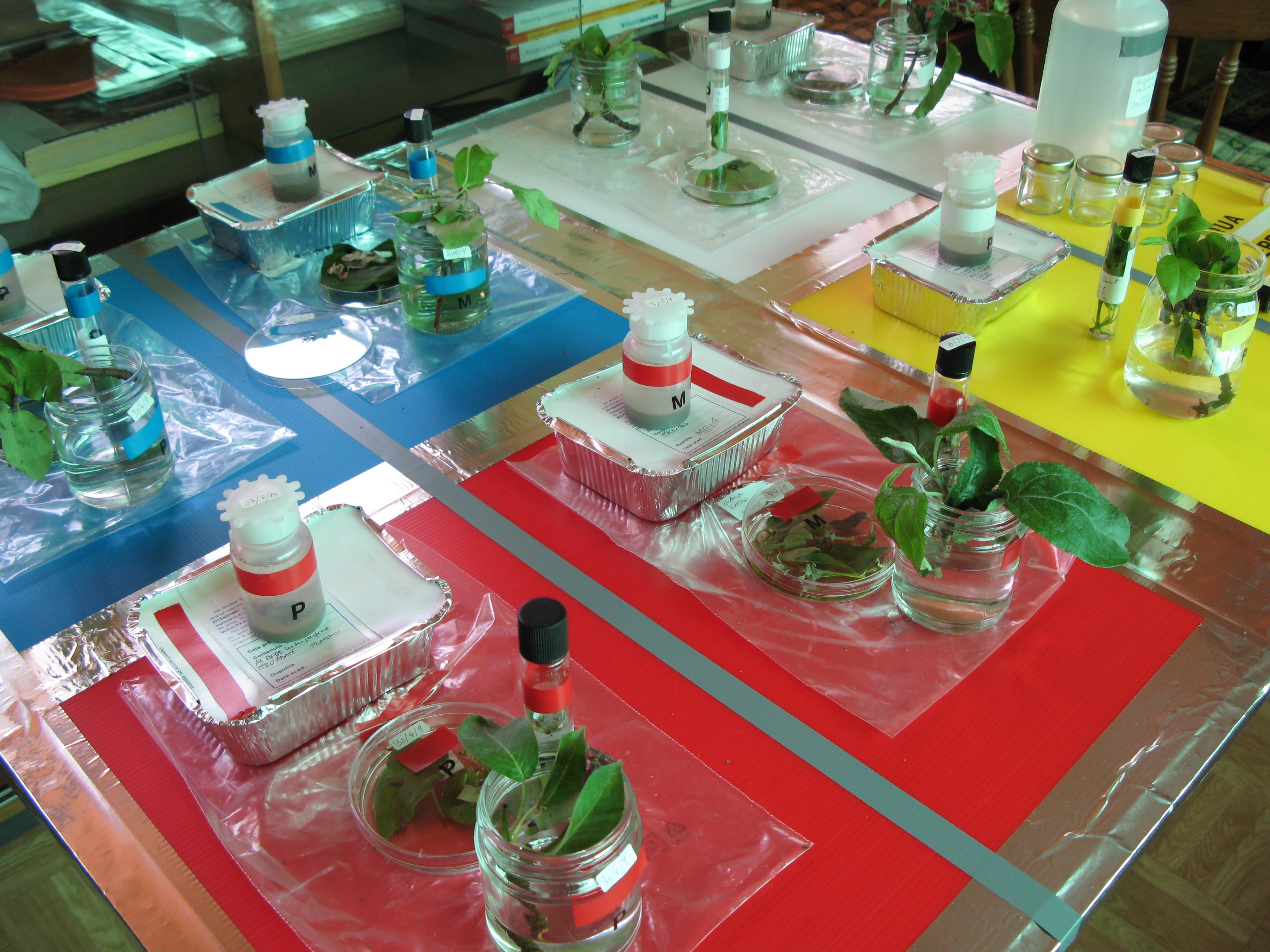
- Periodic monitoring of disease development and production performance through field inspections conducted on 29 April, 15 May, 29 May, 15 June, 29 June, 15 July and 7 August 2009.
- Collection of water, soil and plant tissue samples.
- Specific, detailed analyses conducted by researcher Alessandro Mendini, including molecular biosubatomic analyses of background radioactivity and analyses of sap flow, with appropriate tests on selected experimental plants.
- Processing of scientific data which, among other things, enabled the formulation of a specific, targeted product, designed to remain in harmony with natural processes and designated EP 8.8 FH7D.
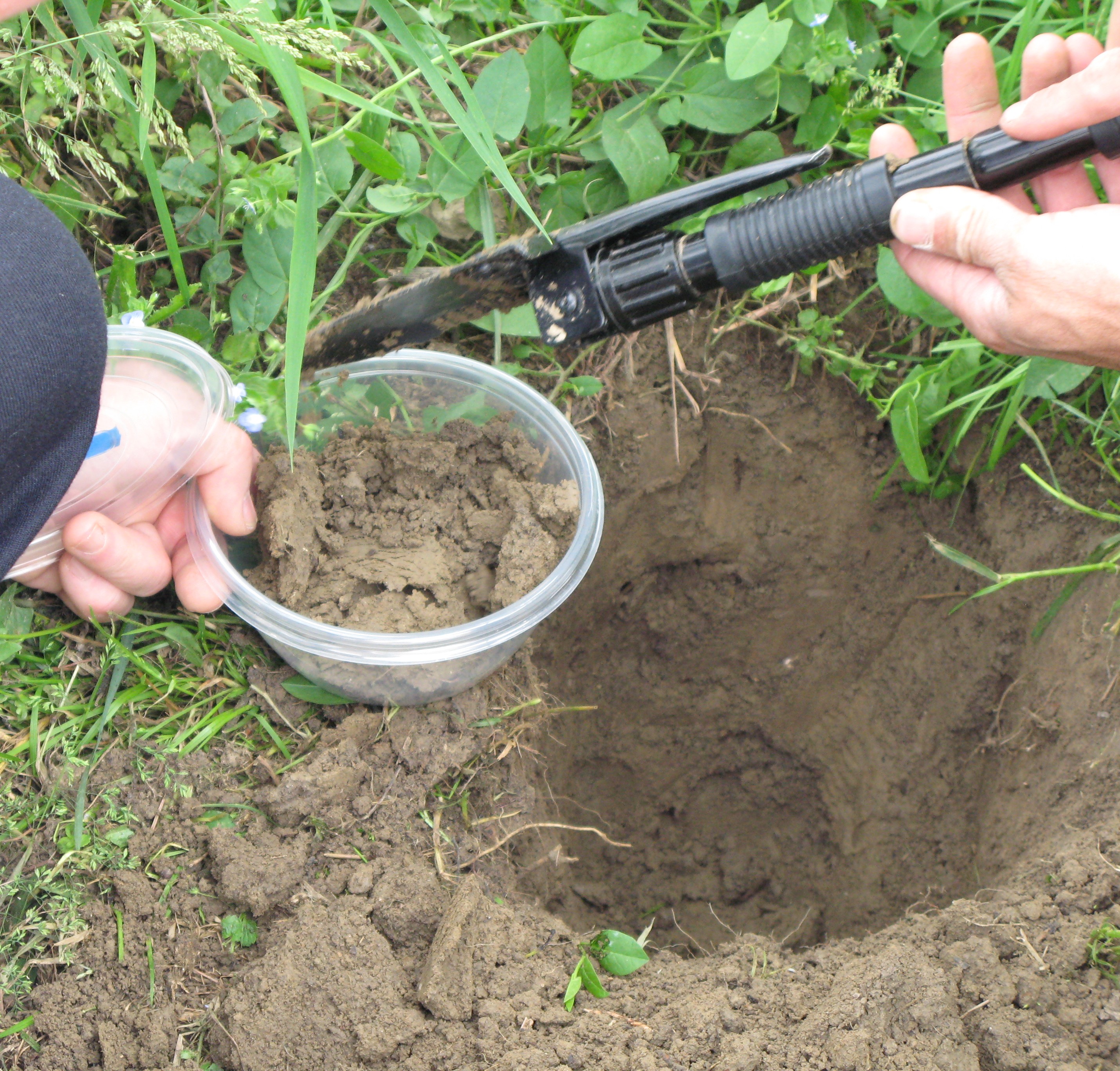
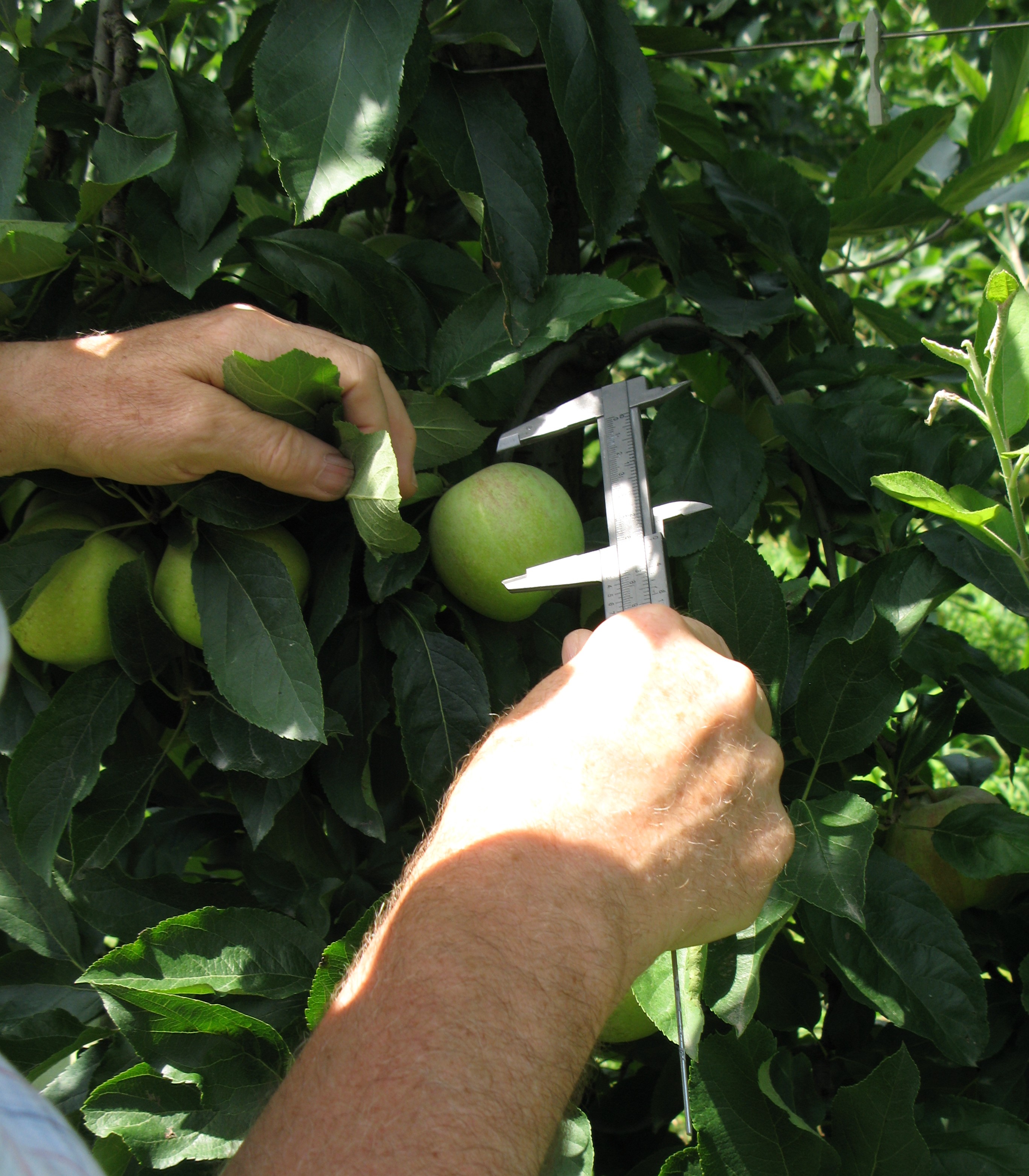
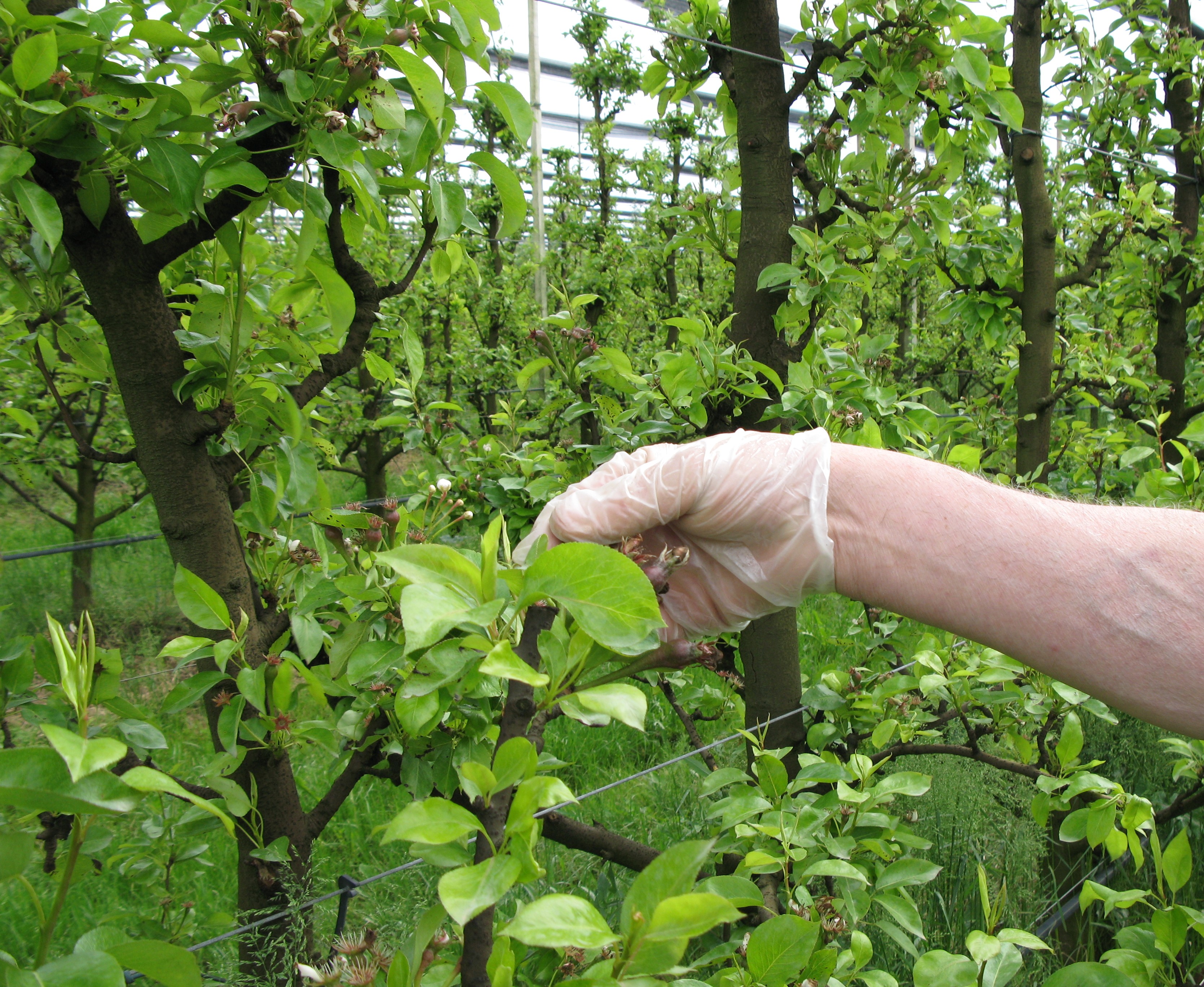
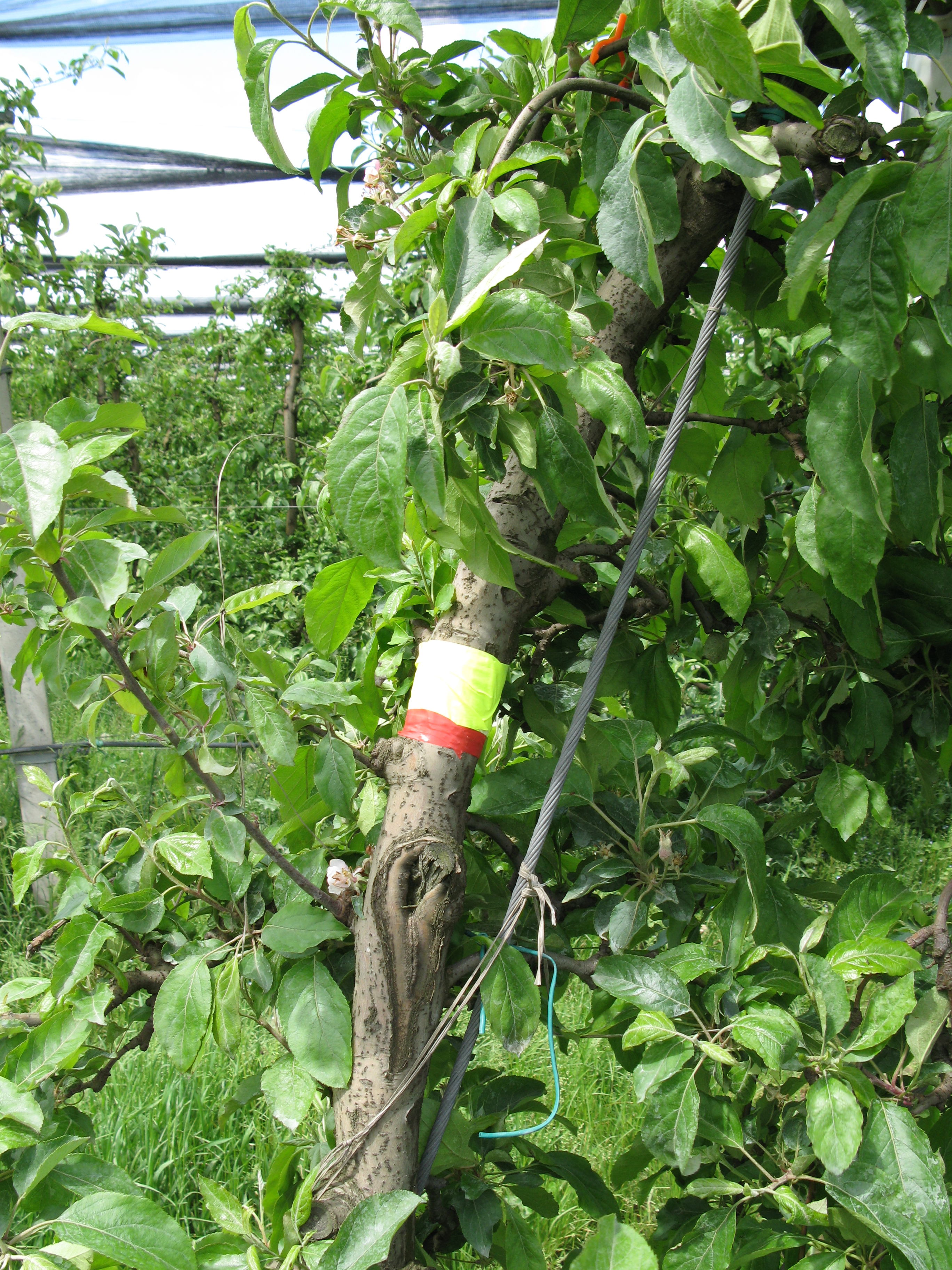
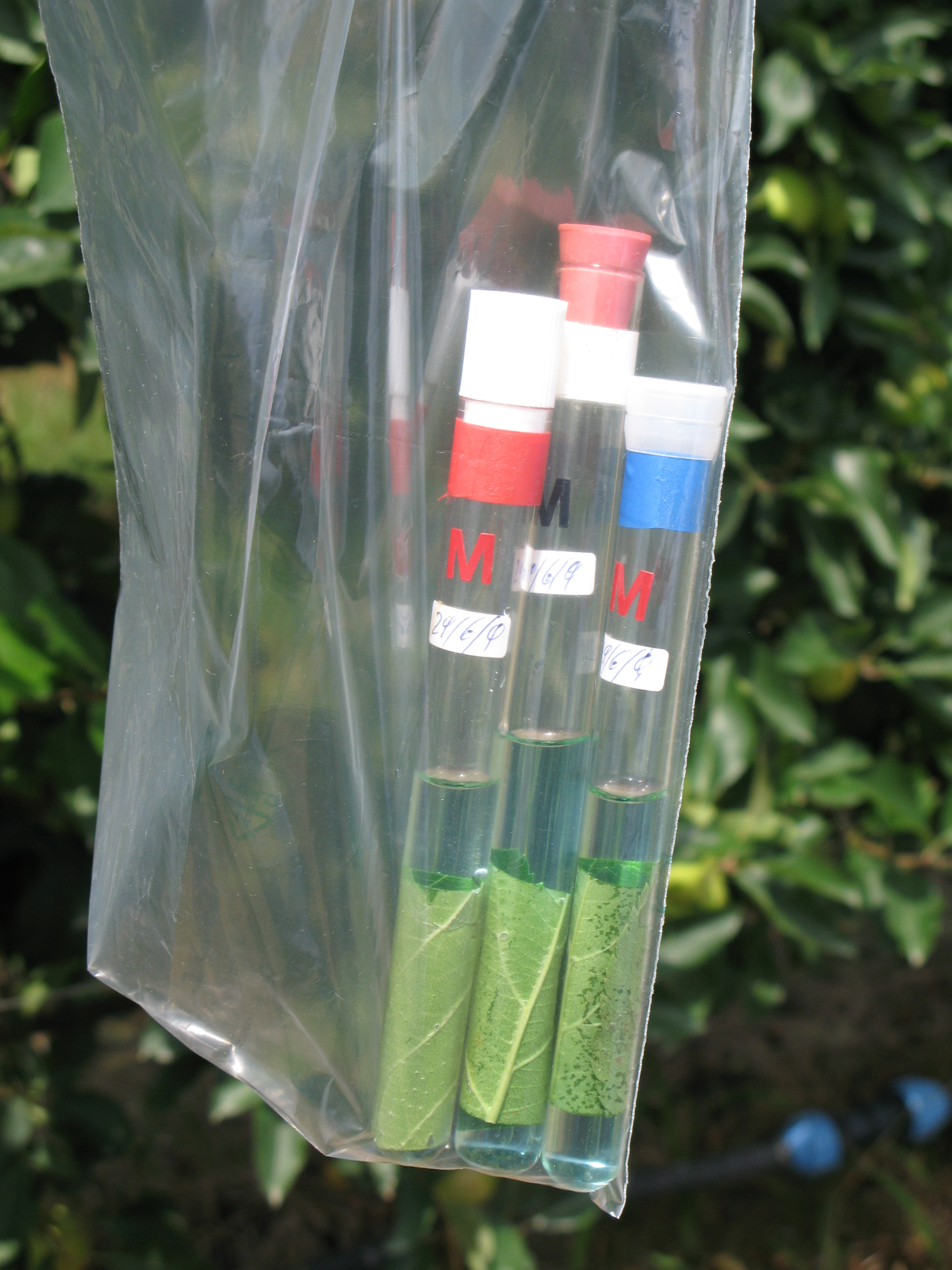
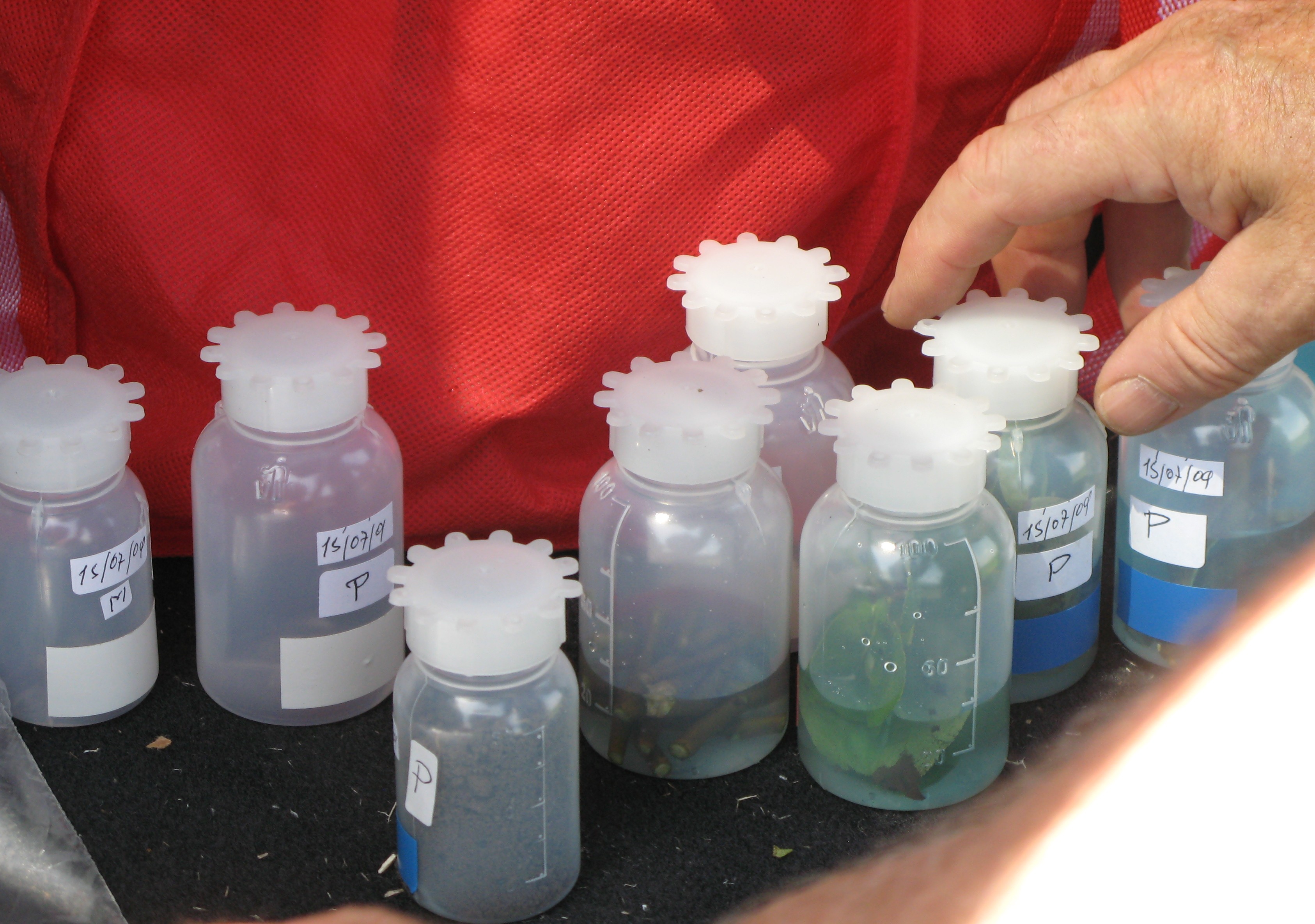
Details emerged concerning the disease which, in addition to its characteristics, how it manifested itself and the areas affected, made it possible to understand its causes. These included a marked reduction in plant responsiveness, caused by years of inappropriate treatments, and a limited capacity for self-reprogramming.
To address this, researcher Alessandro Mendini developed a special ecological restorative treatment designed to safeguard the plants' productive capacity in terms of both quantity and quality. For this purpose, highly advanced calculations were performed using a biomicrocosm processor, conceived and developed by Mendini, which enabled the formulation of EP 8.8 FH7D.
A significant energy imbalance in the plants was also identified, particularly during periods of stress, such as those associated with rising temperatures due to the absence of altitude-related filters. This was reflected in an inability to self-regulate and process exchange messages, together with the interruption of the catalysis required for the transformation of substances.
The use of AXS M31's nanostructured formulations, in accordance with the treatment plan, progressively enabled the reactivation of exchanges, light capture and the movement of circulating fluids, resulting in optimal regulation of the cell's diaphragmatic function.
Assessments of plant vitality were carried out throughout the various phenological stages, from petal fall and fruitlet development through to fruit ripening.
In particular, a progressive strengthening of the plants was observed, which had a positive effect on productivity. Transmission values and elements also improved, confirming what was described as perfect microcombustion.
Calyx-end rot, which begins after flowering and becomes more pronounced during ripening, was brought under control, as was the primary pathogenic strain responsible for the so-called lenticel rot.
According to the protocol, the natural process of self-reproduction of virgin microorganisms, described as a process occurring exclusively with BioAksxter®, brought about a rebalancing of pathogenic fungal, bacterial and viral species.
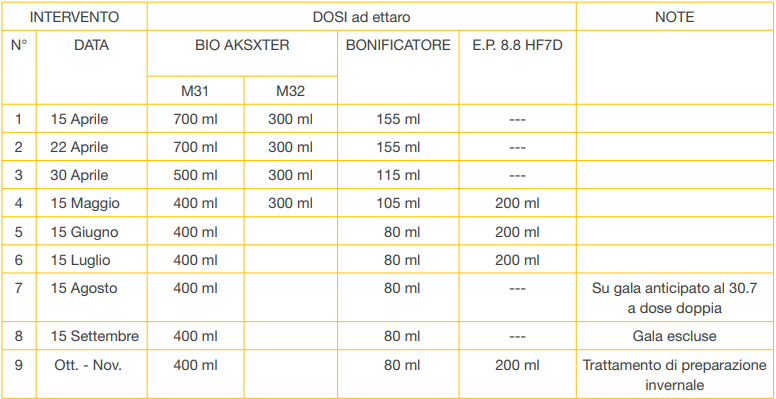
Production data relating to the disease
The development of lenticel rot was monitored by counting healthy and decayed fruit. Fruit remaining on the trees was counted on 7 August, using a sample of 12 randomly selected trees in plots 1 and 2. The number of decayed fruit in plots 1 and 2 of the eastern orchard was determined during the three field inspections preceding harvest.
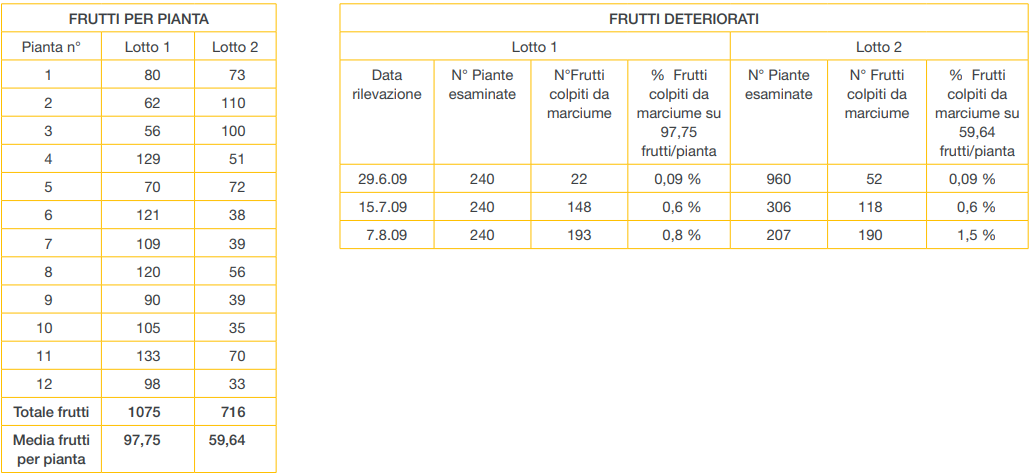
An examination of all the data and the technical assessments carried out in the field indicated an excellent result, which not only led to the resolution of the disease addressed by the protocol, but also to substantial overall improvements in crop condition and production in both the apple and pear orchards.
The protocol is scheduled to conclude in 2011, alongside the remediation programme, with further investigations planned through field inspections, provisionally at the end of May and the end of July in both 2010 and 2011.
As agreed, no scientific documentation will be released. Requests for further information should be submitted in writing to researcher Alessandro Mendini. The photographic record of the field inspections is attached.