Stefano, grower of rocket, basil and cutting lettuce
Aldà Stefano Farm, Isola della Scala (Verona, Italy)
A farm specialising in the greenhouse production of leafy vegetables, particularly wild rocket for domestic and export markets, as well as basil, lamb's lettuce and cutting lettuce.
The farm began using BioAksxter® in May 2007 with the aim of reducing problems caused by Fusarium. The disease primarily affected rocket during spring and summer, becoming apparent from the earliest stages of growth through root browning, leaf yellowing and leaf desiccation. Yield losses in terms of weight ranged from 30% to 50%, accompanied by a considerable increase in harvesting costs. Despite searching for a solution for several years, the farm had never found an effective approach.
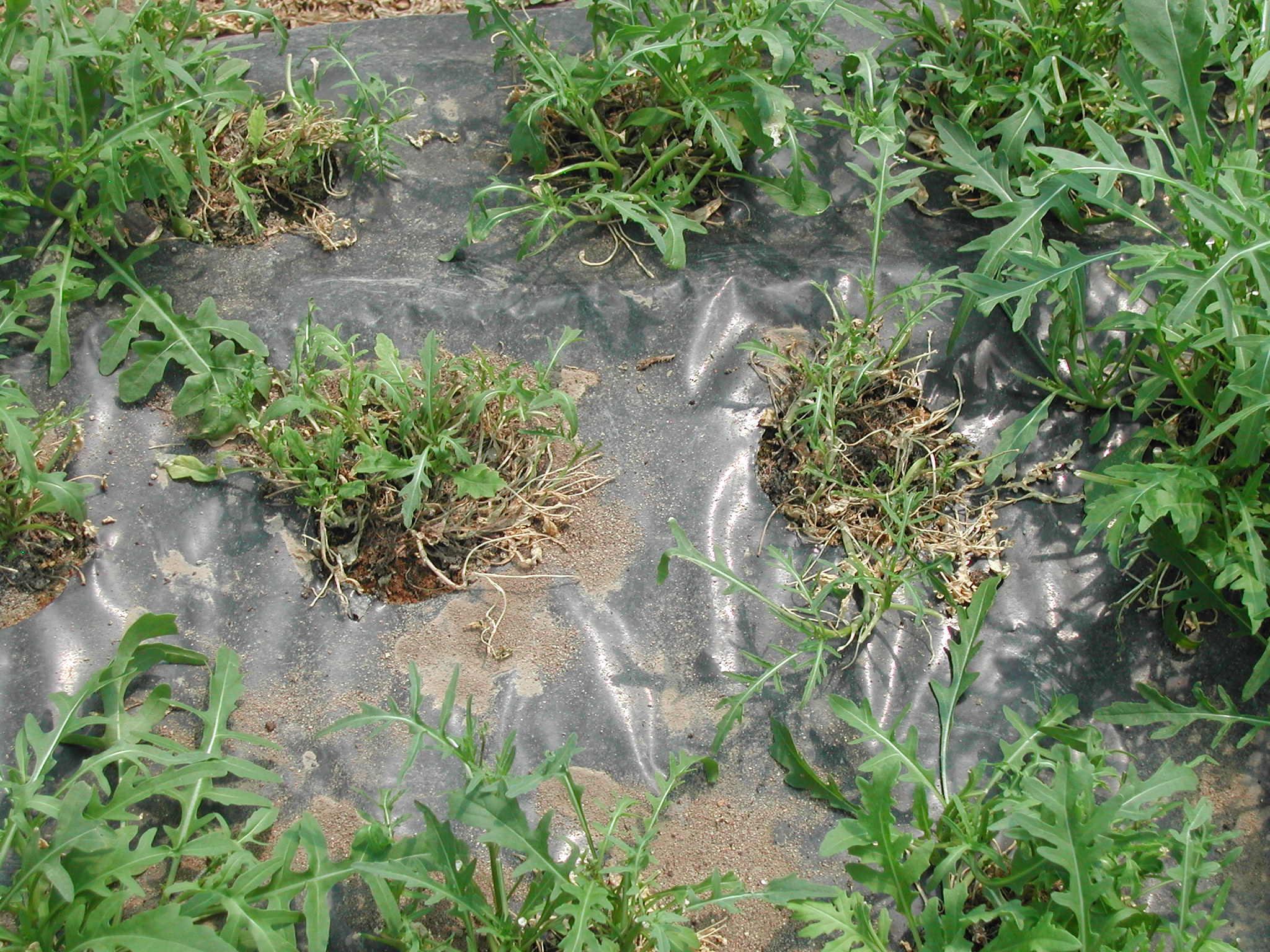
Rocket plants affected by Fusarium.
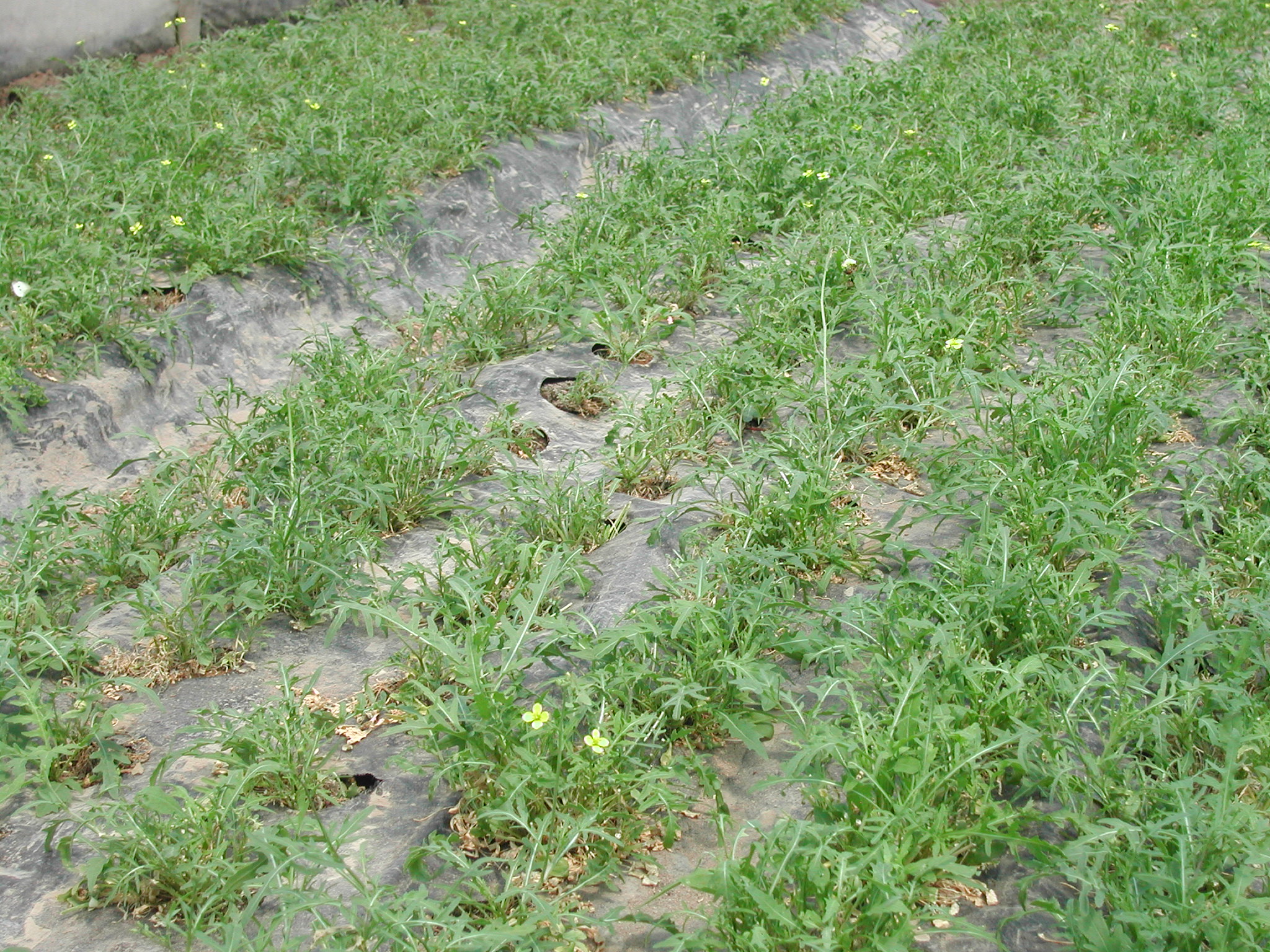
Rocket crop damaged by Fusarium.
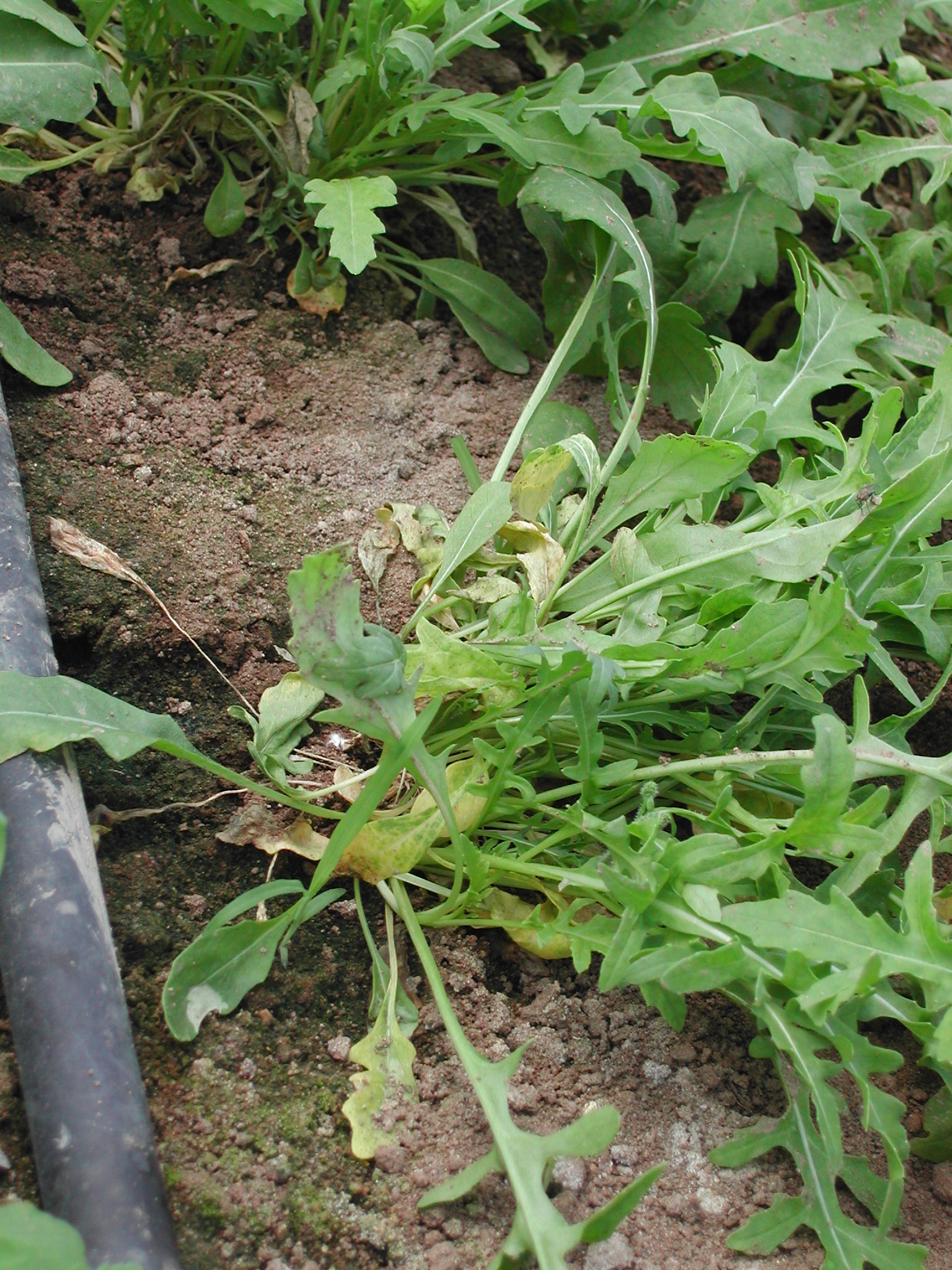
Detail showing Fusarium disease in rocket.
After four months of using BioAksxter®, the results were already evident, with reduced disease incidence and improved leaf firmness. After five to six months, the grower recorded a 20% increase in yields compared with the previous year.
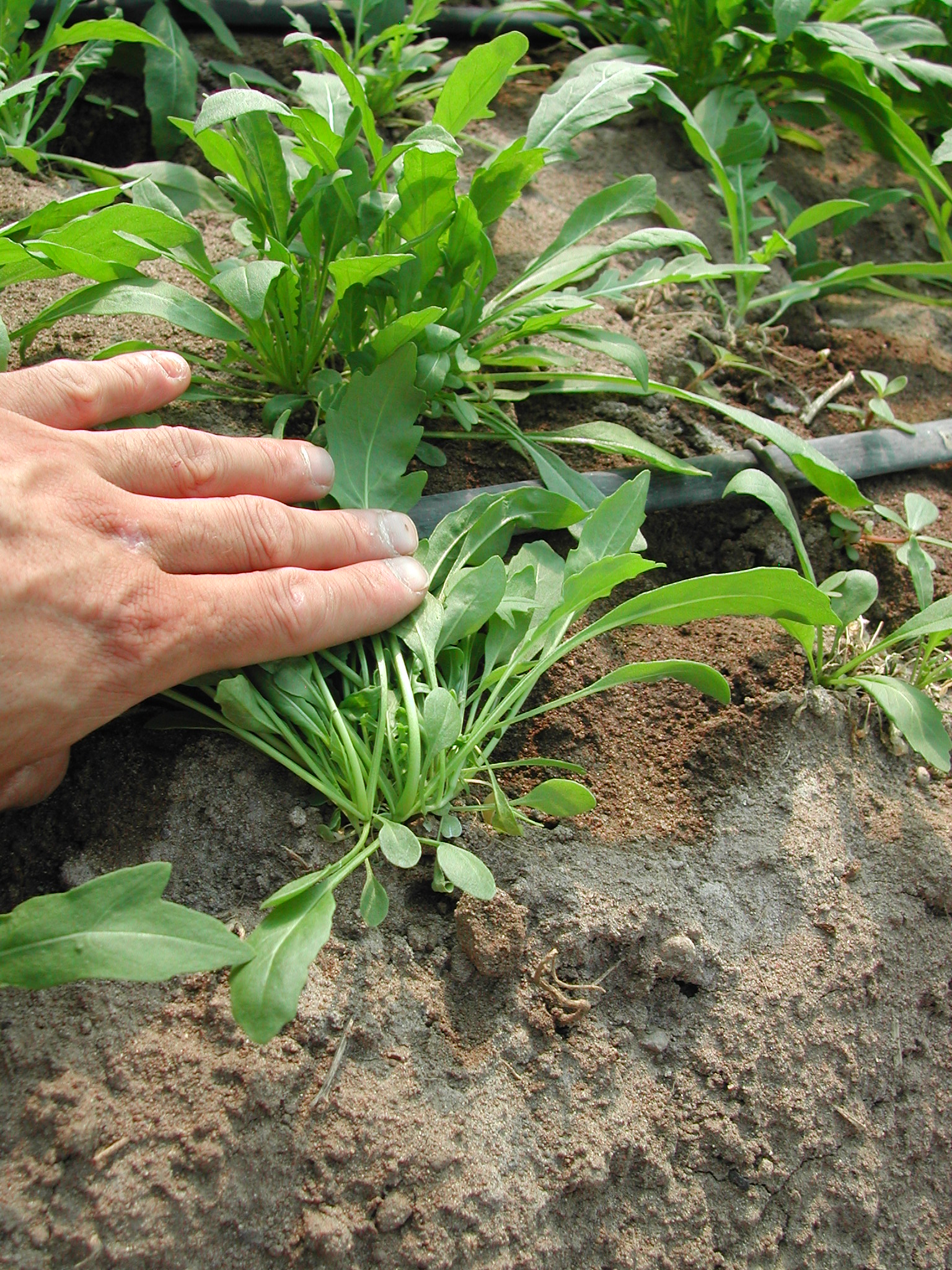
September 2007. Rocket crop after four months of treatment with BioAksxter®.
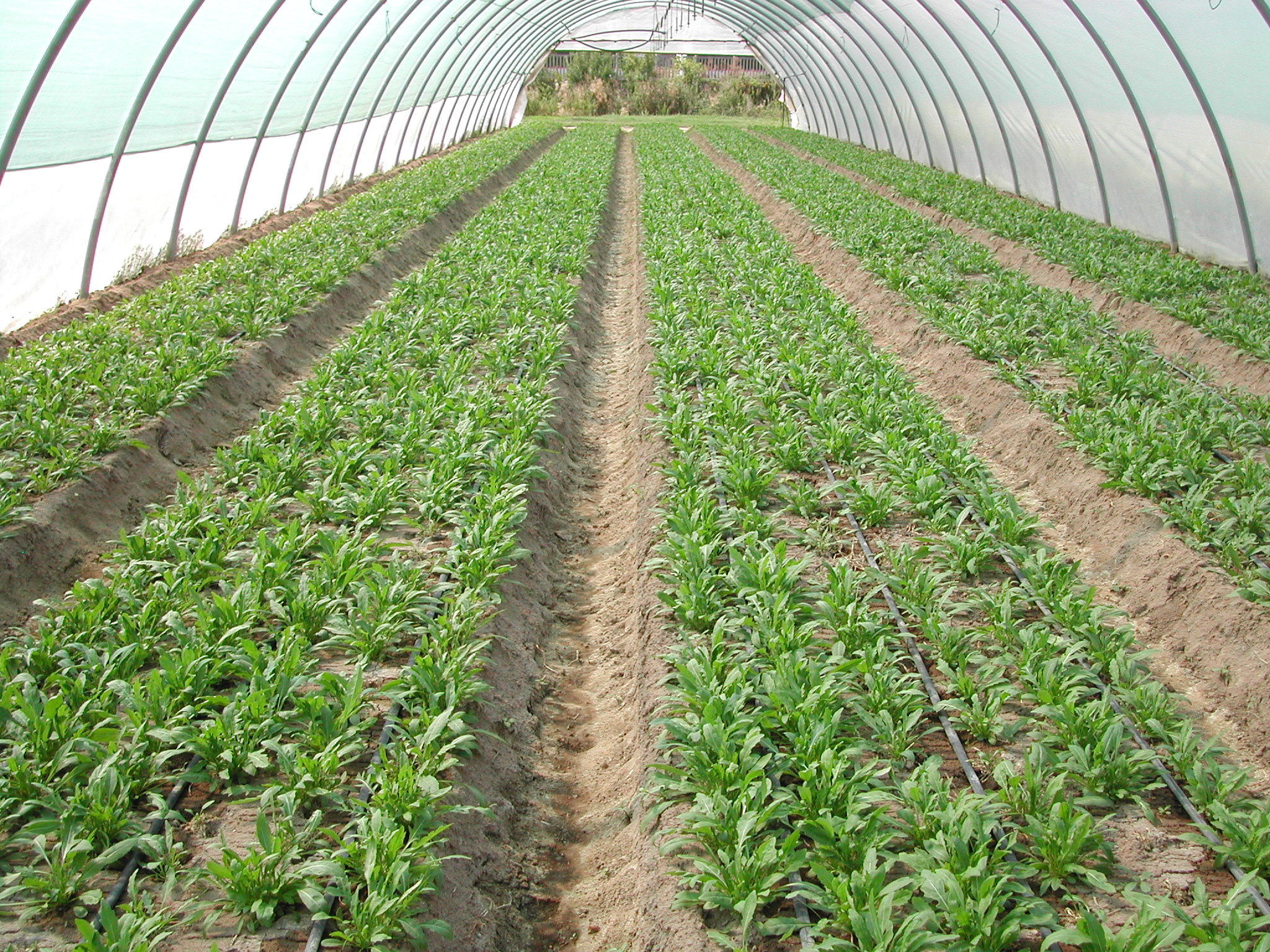
September 2007. Rocket crop at its first harvest cut, after four months of treatment with BioAksxter®.
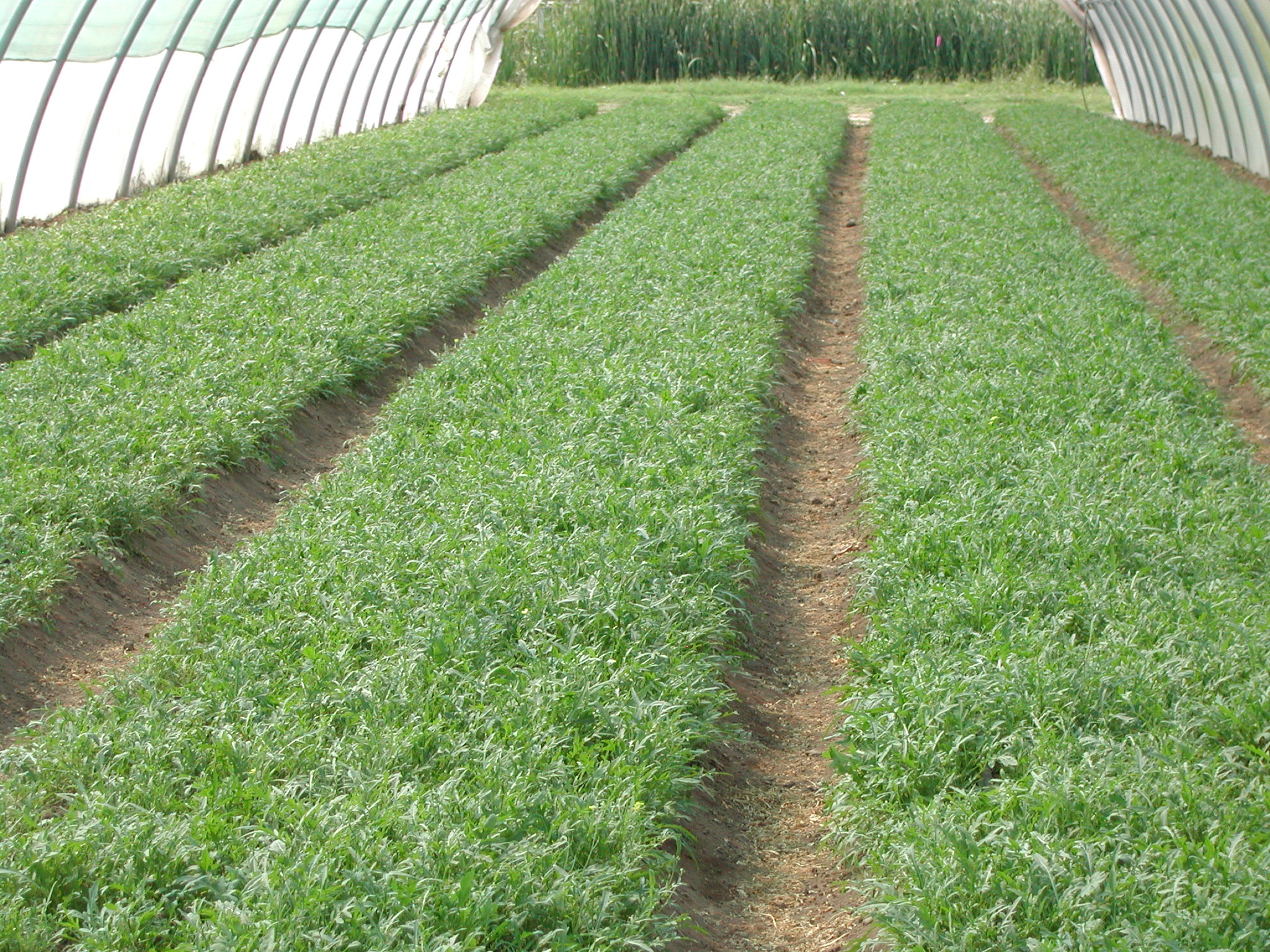
September 2007. Rocket crop at its third harvest cut, after four months of treatment with BioAksxter®.
During 2008, 2009 and 2010, with the regular use of BioAksxter®, the Fusarium problem was completely resolved, resulting in average yield increases of 30–50%, reaching 100% in the most severely affected greenhouses (400 crates per greenhouse compared with the initial 150–250 crates per greenhouse).
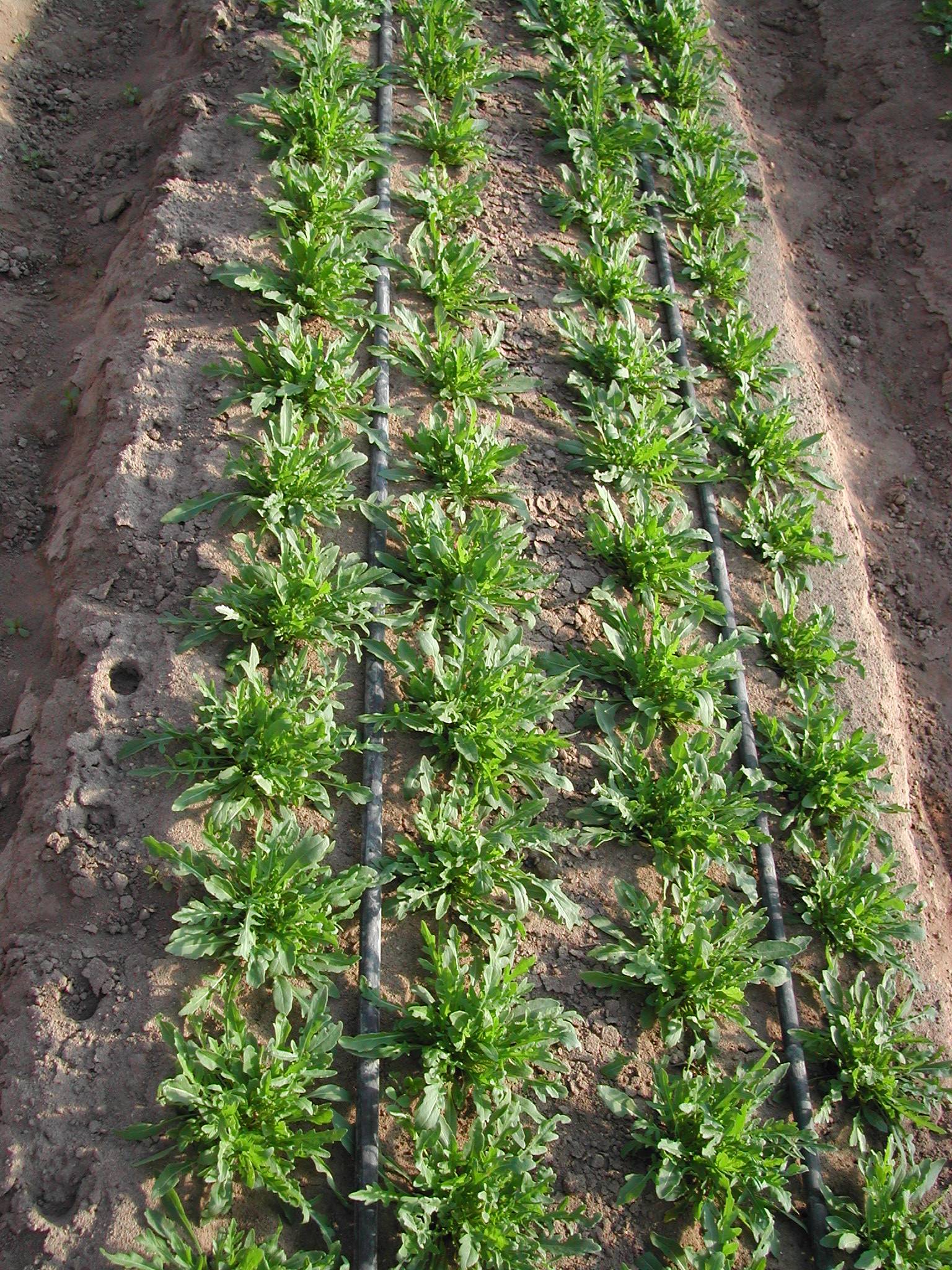
Rocket crop after two years of treatment with BioAksxter®.
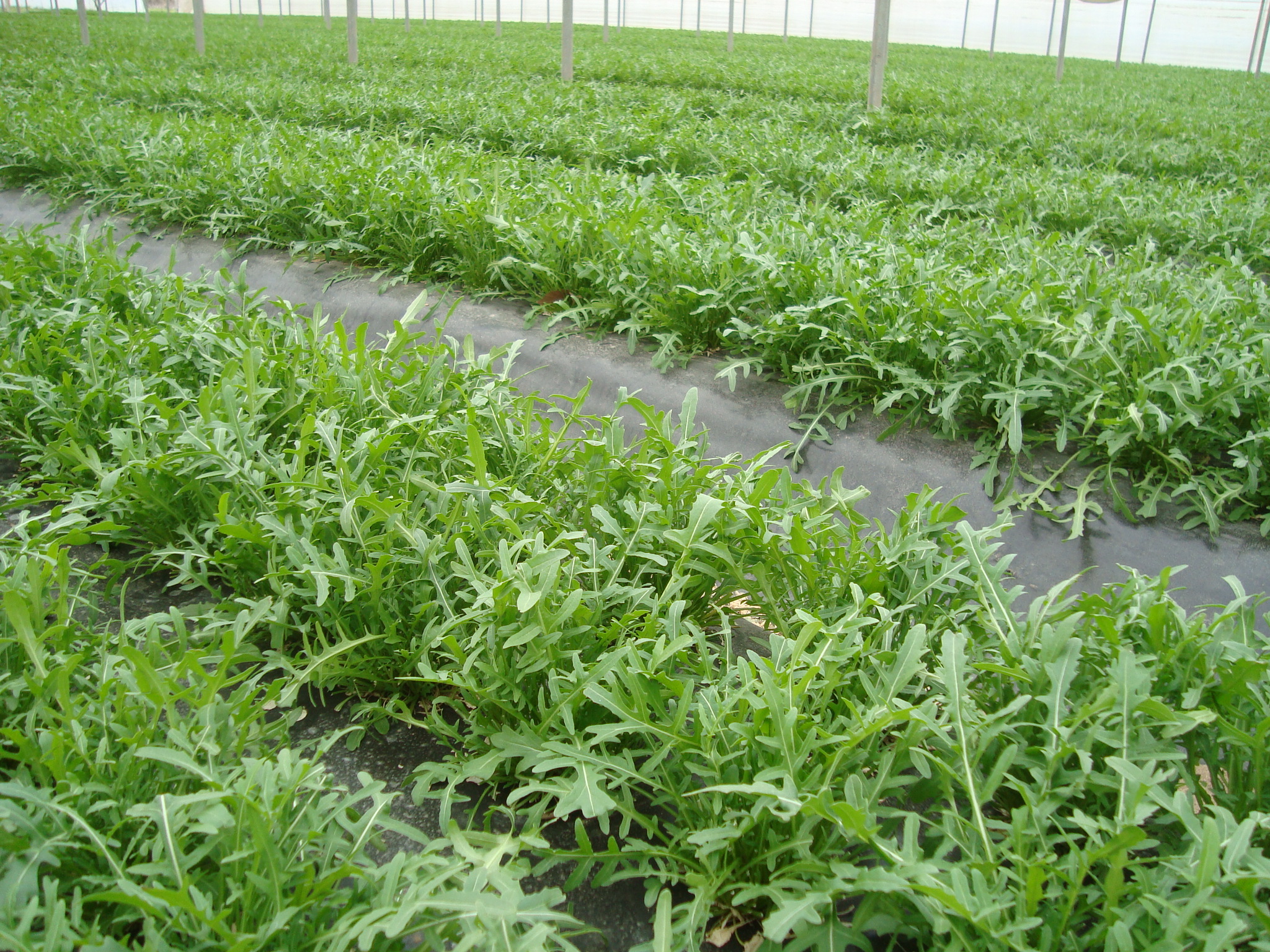
Rocket crop after two years of treatment with BioAksxter®.
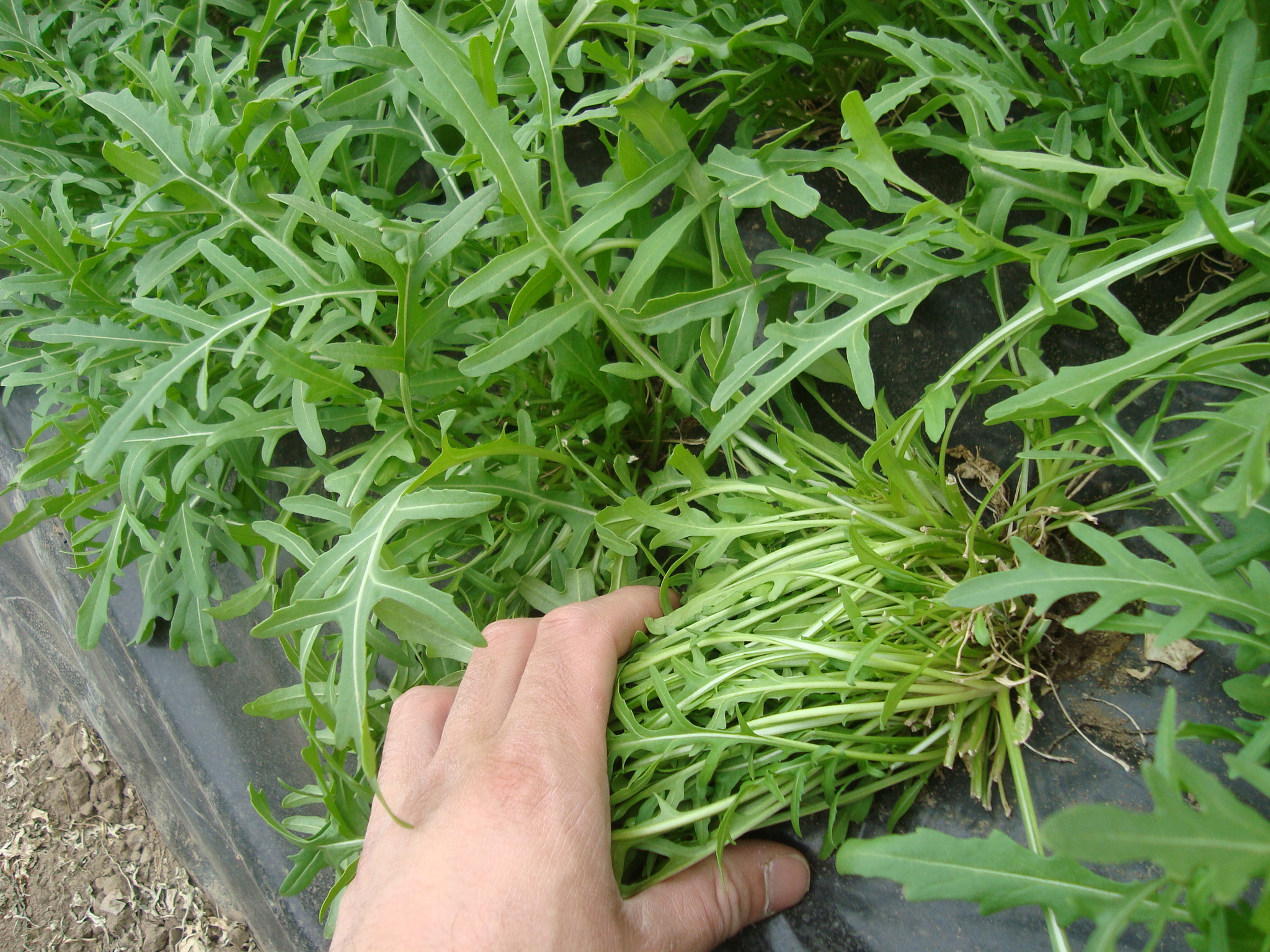
Rocket crop after two years of treatment with BioAksxter®.
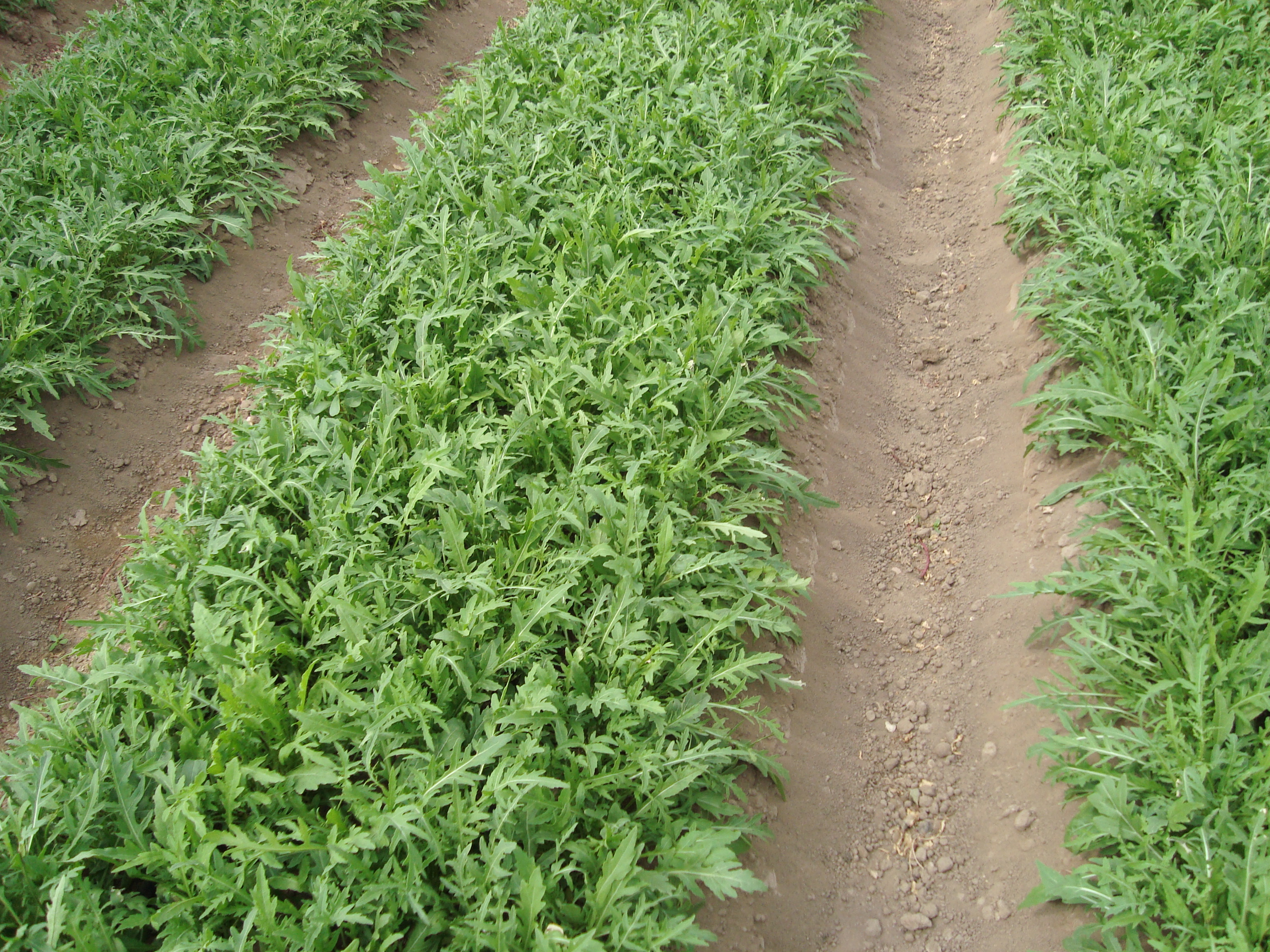
Rocket crop after two years of treatment with BioAksxter®.
Further results were also achieved, significantly improving productivity and reducing production costs, with the following benefits:
- The possibility of incorporating crop residues into the soil or reusing them as organic matter.
- Improvements in soil structure, workability, water-holding capacity and pigmentation.
- Greater resistance to bacterial and fungal diseases.
- Resolution of the problem of nematodes in basil cultivation.
- Increased yields of lamb's lettuce and cutting lettuce.
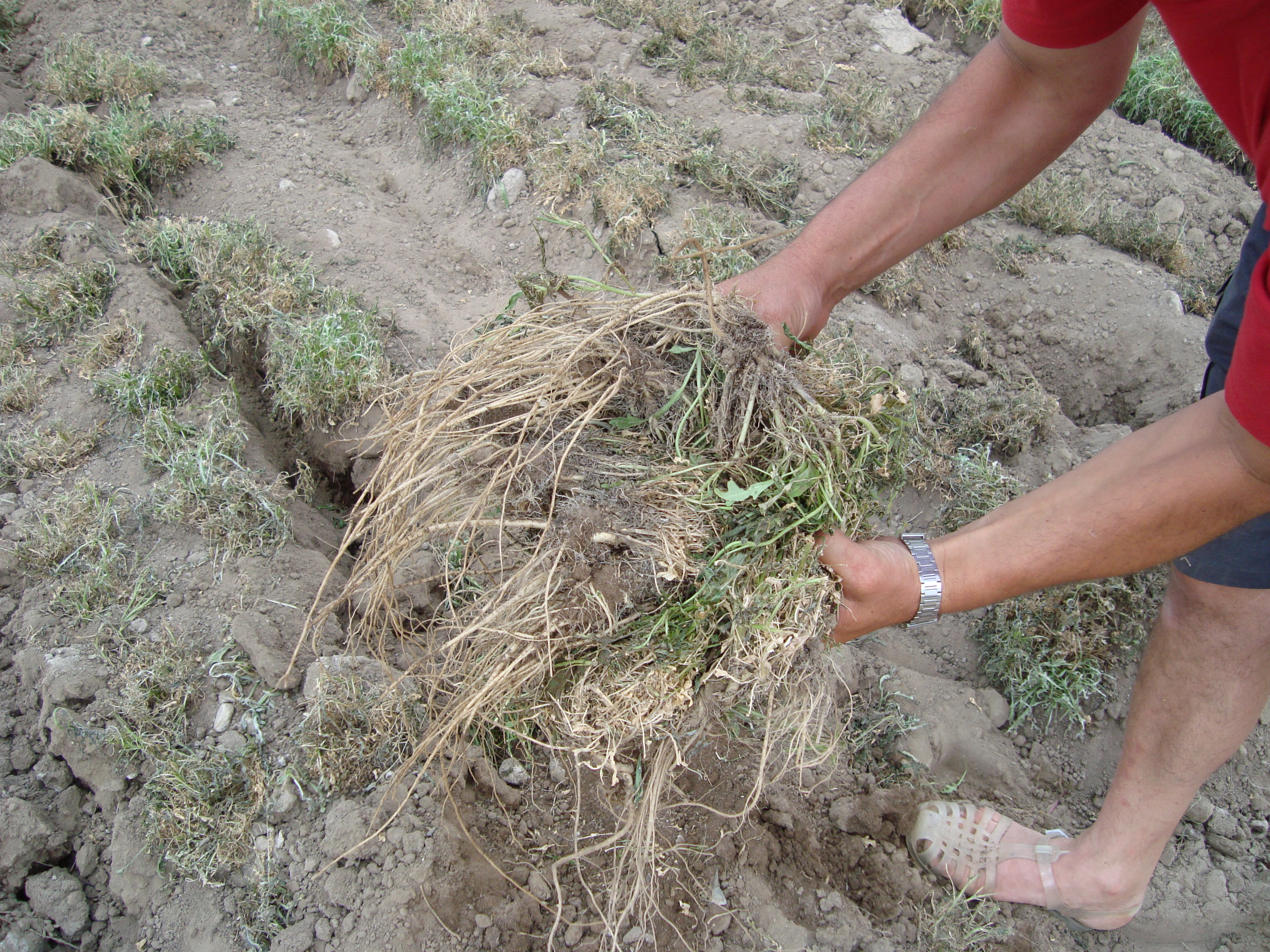
Rocket crop residues left in the field on soil cultivated with BioAksxter® for one year, ready for soil preparation and replanting.
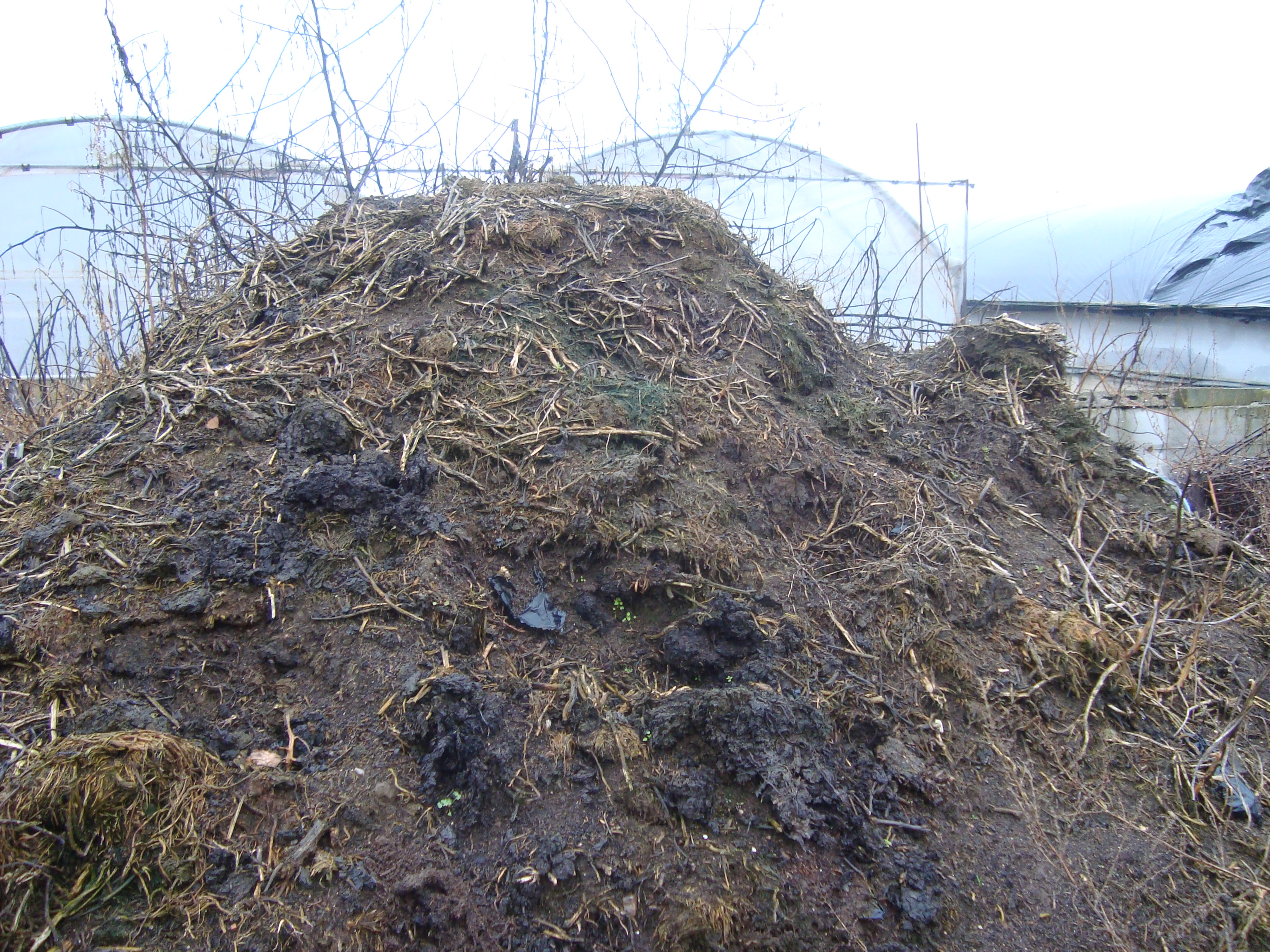
Pile of crop residues from a crop treated with BioAksxter®, intended for reuse as organic matter.
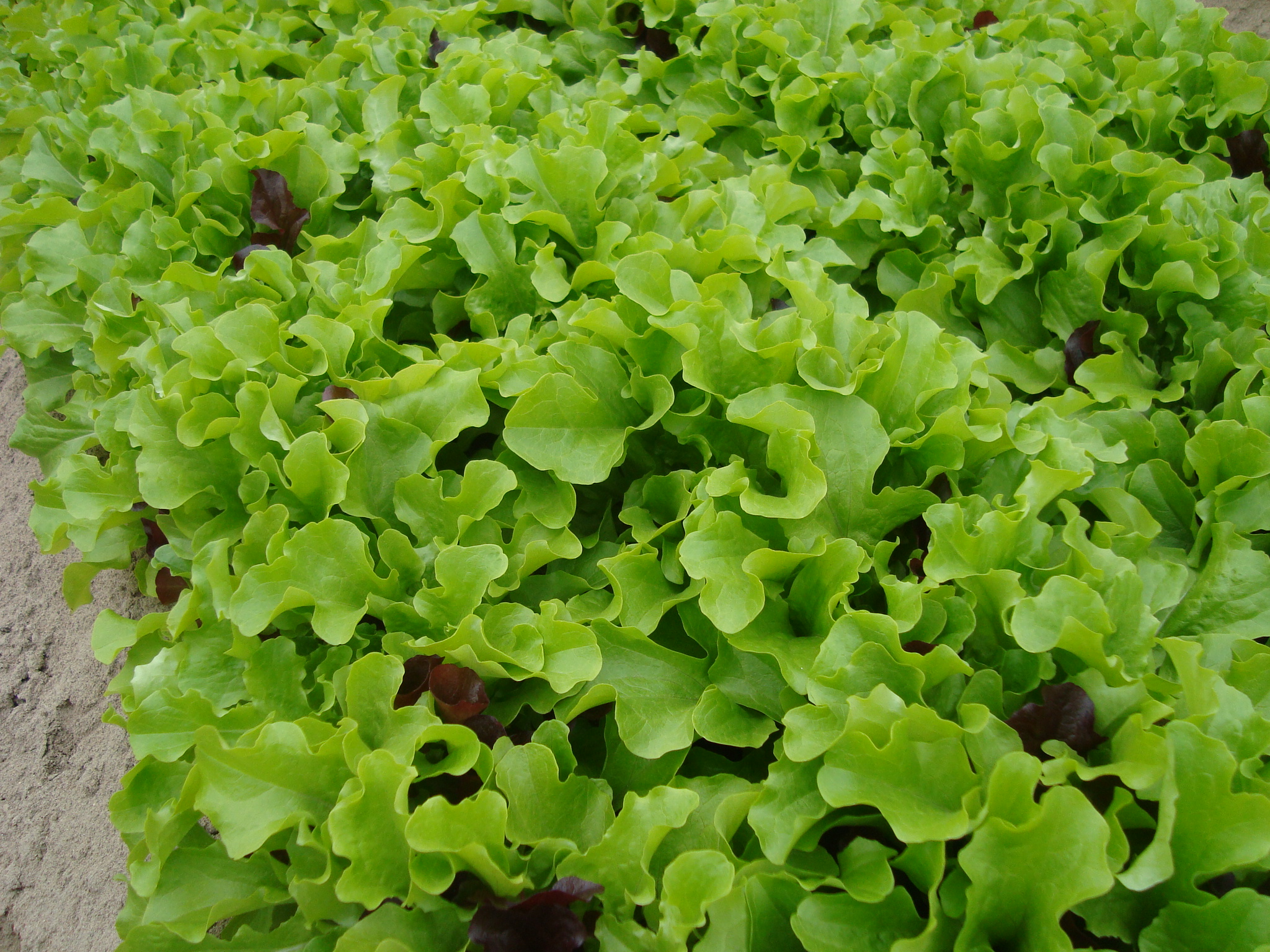
Cutting lettuce crop free from disease, after three years of treatment with BioAksxter®.
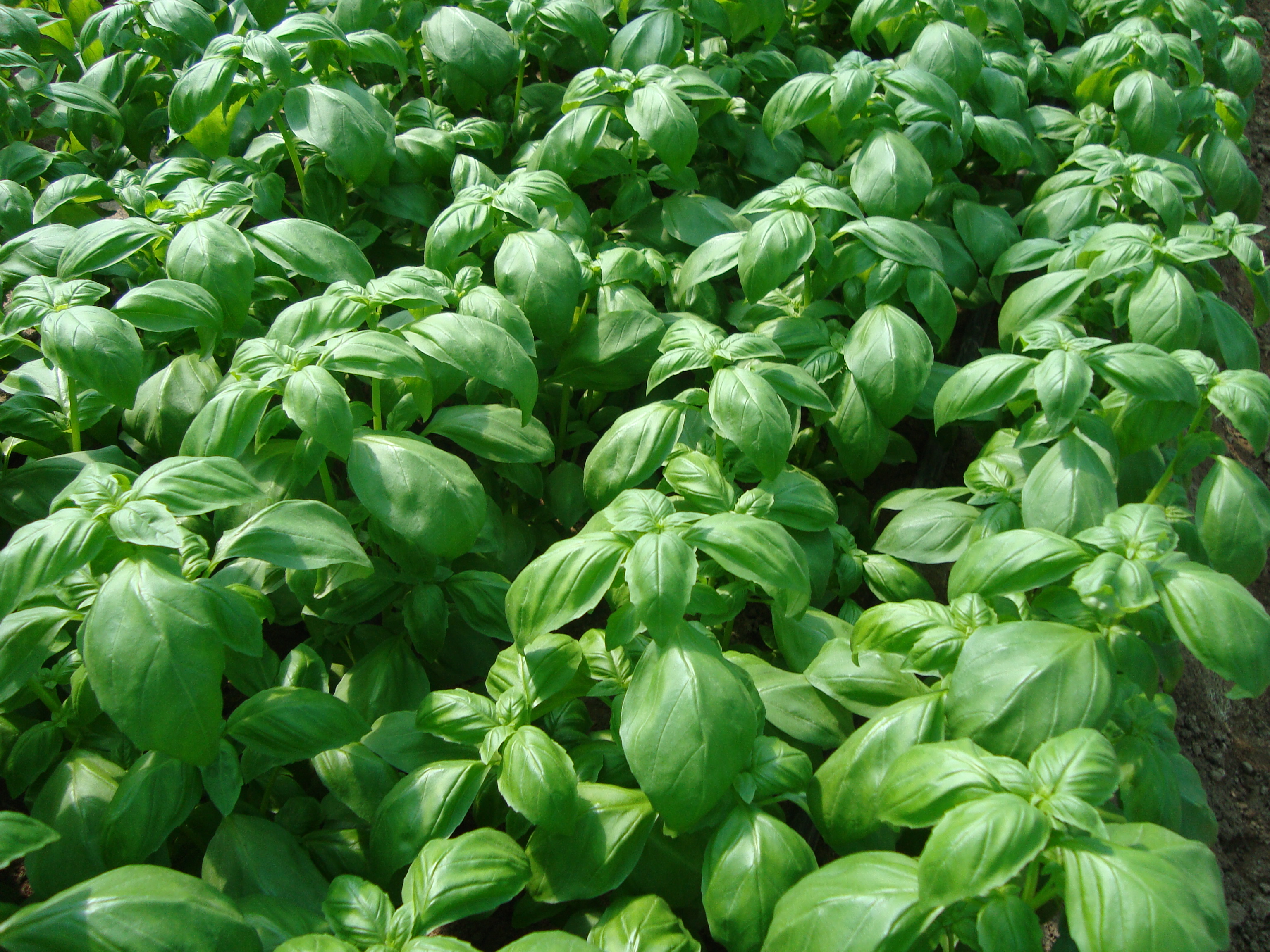
Basil crop after three years of treatment with BioAksxter®.
In 2010, the farm joined the “Ask for Fruit and Vegetables Grown with BioAksxter®” initiative to further enhance the value of its agricultural produce.


