Augusto and Claudia, greenhouse vegetable growers
Pezzo Augusto Farm, Nogarole Rocca (Verona, Italy)
A farm specialising in the production of greenhouse vegetables (melons, watermelons, tomatoes, sweet peppers, courgettes, aubergines, green beans and strawberries) for the national wholesale market and direct sales of locally grown produce.
In July 2007, the farm began using BioAksxter® to improve sweet pepper and courgette yields and prevent crop damage caused by nematodes. Following the initial results, the use of BioAksxter® was extended to all crops with the aim of regenerating the soil and avoiding the use of chemical fumigants.
The nematode problem had first appeared several years earlier, and the effects of chemical soil sterilisation had become increasingly short-lived and less effective, with nematode control lasting for just one cropping cycle.
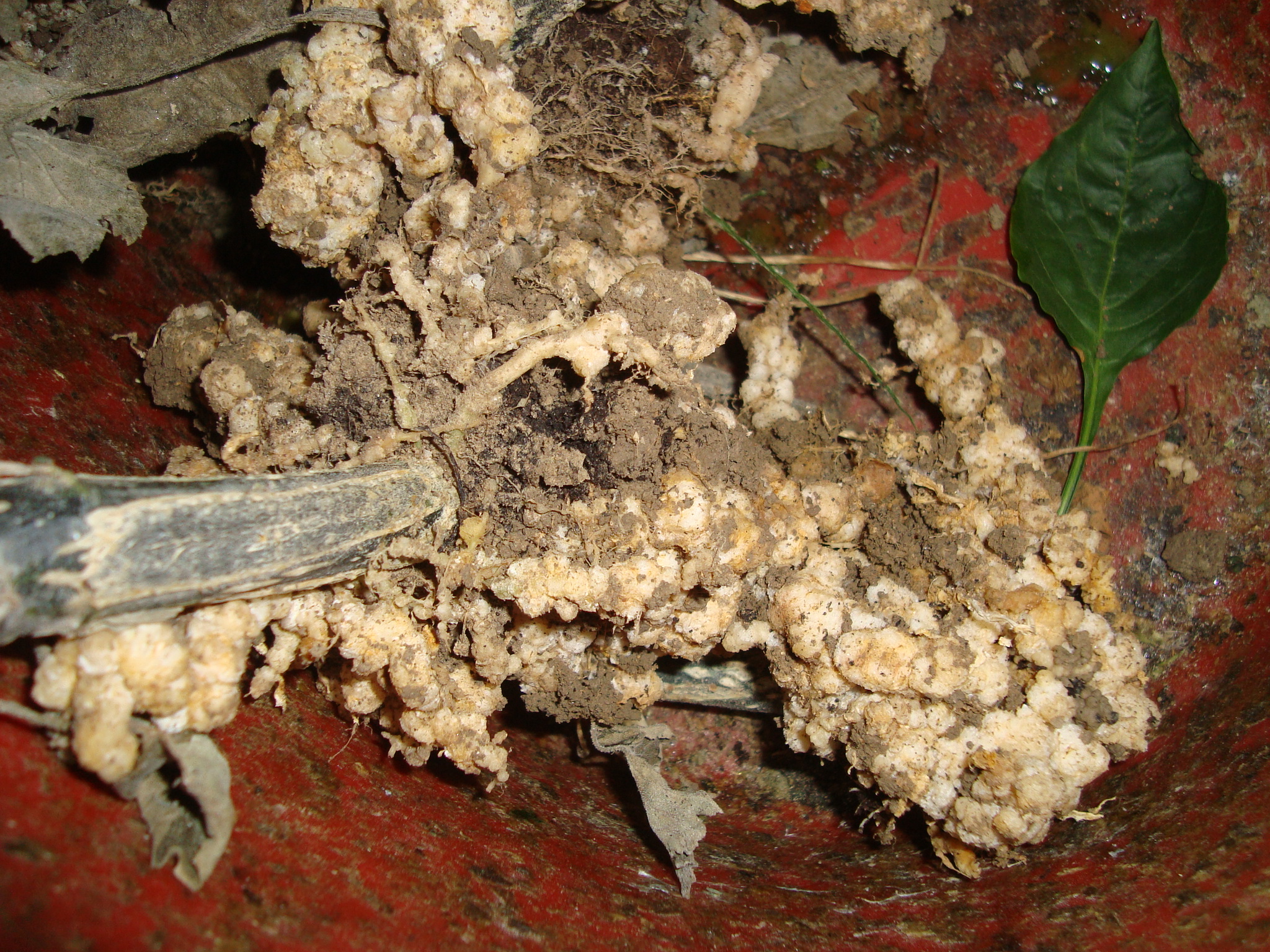
Courgette root deformed by nematodes.
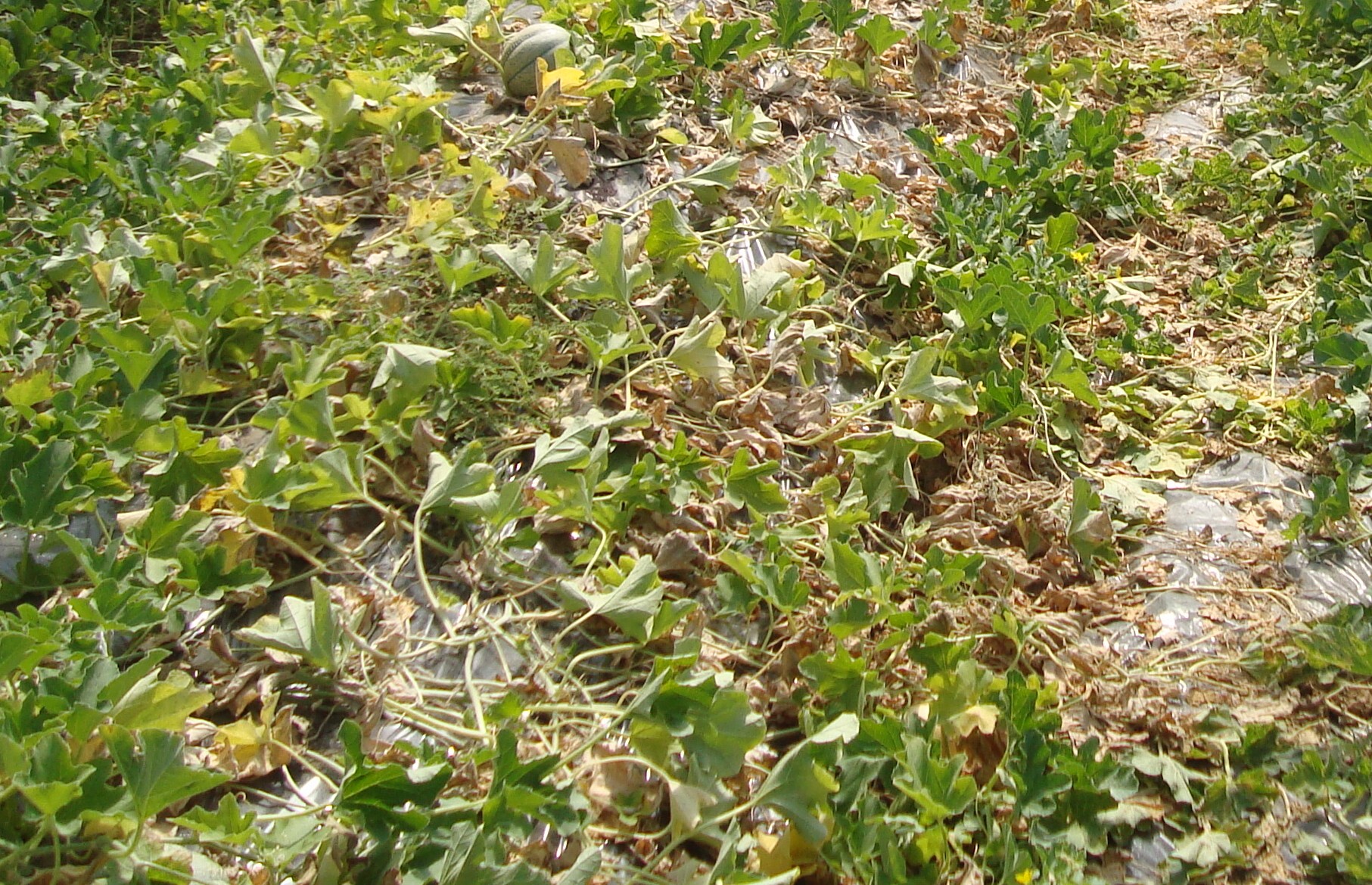
Melon crop showing premature dieback caused by nematodes.
By October 2007, after three months of cultivation with BioAksxter®, sweet pepper yields had reached their highest levels on record. No nematode-induced root galls were observed on courgettes, even in areas where they had occurred during the previous melon cropping cycle.
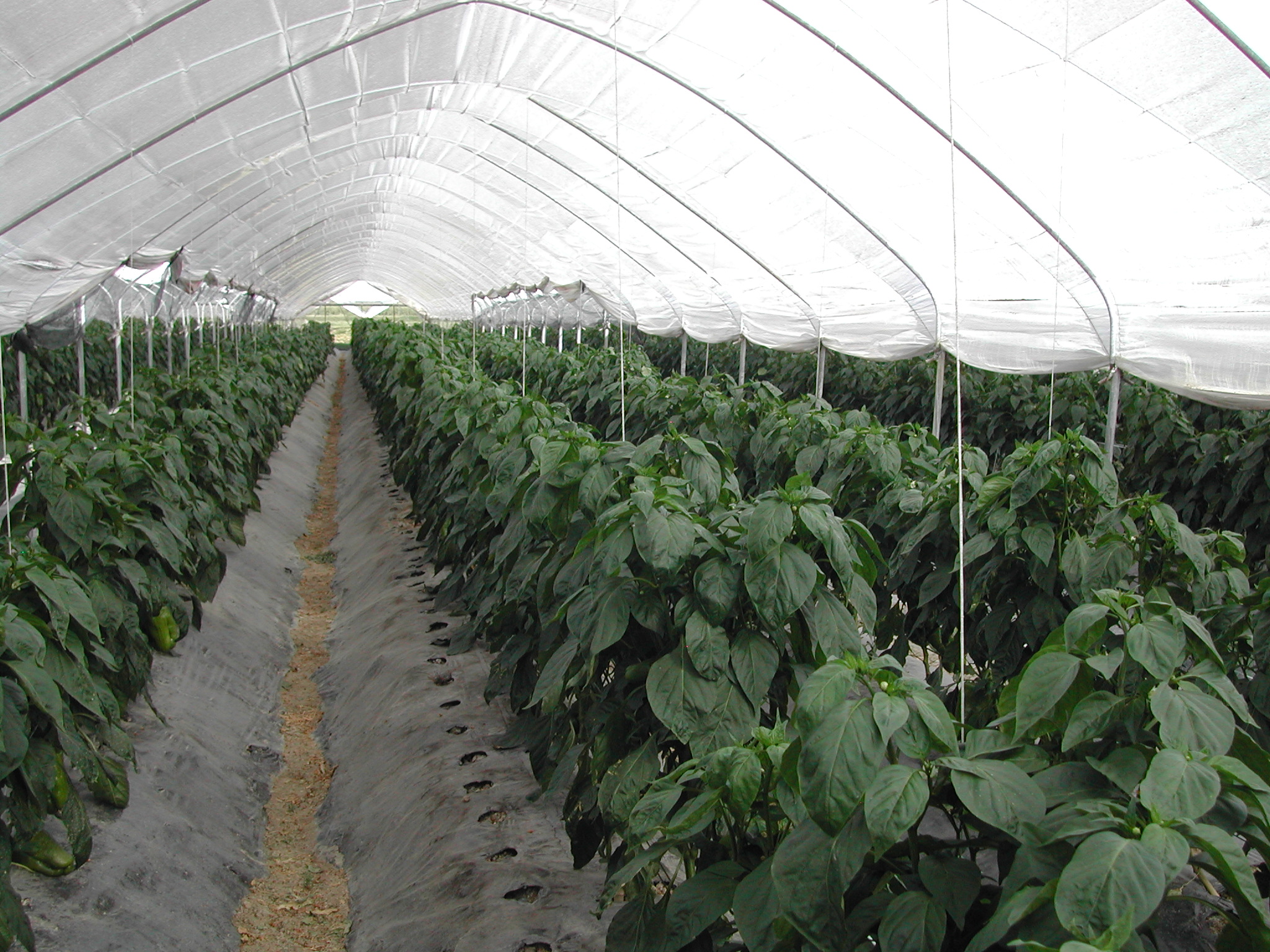
July 2007. Sweet pepper crop at the start of treatment with BioAksxter®.
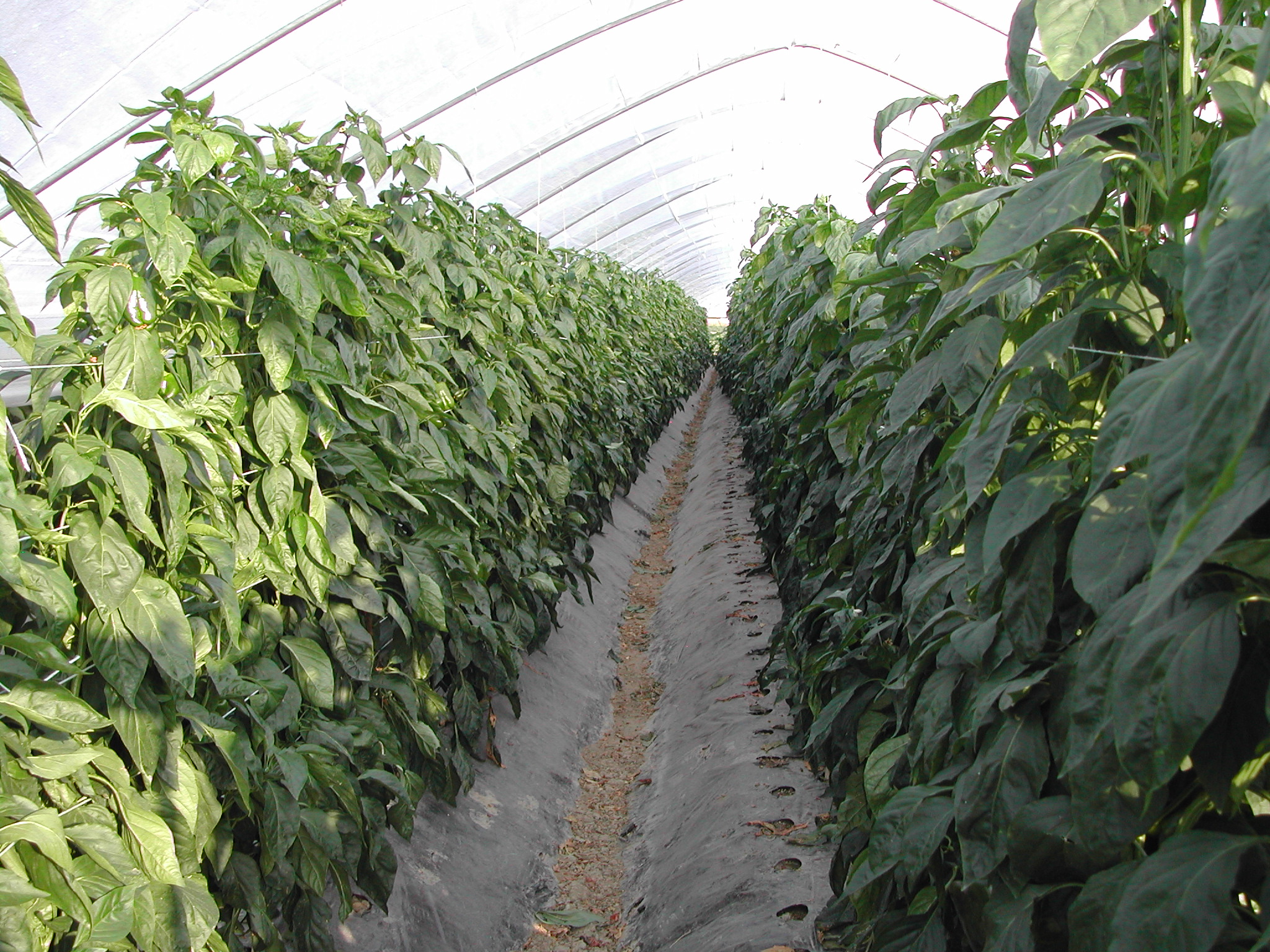
September 2007. Sweet pepper crop after two months of treatment with BioAksxter®.
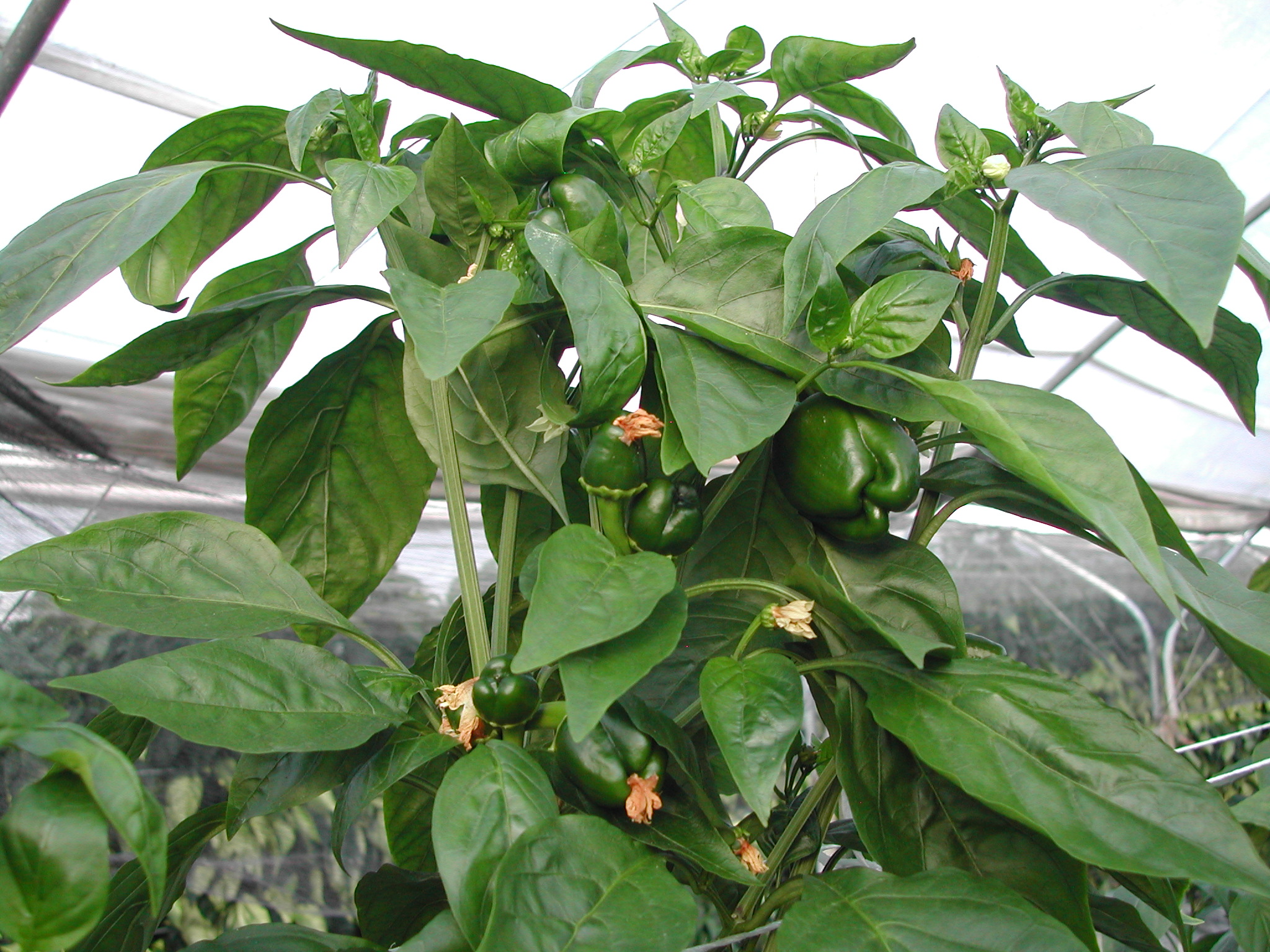
September 2007. Sweet pepper crop after two months of cultivation with BioAksxter®, showing excellent fruit set.
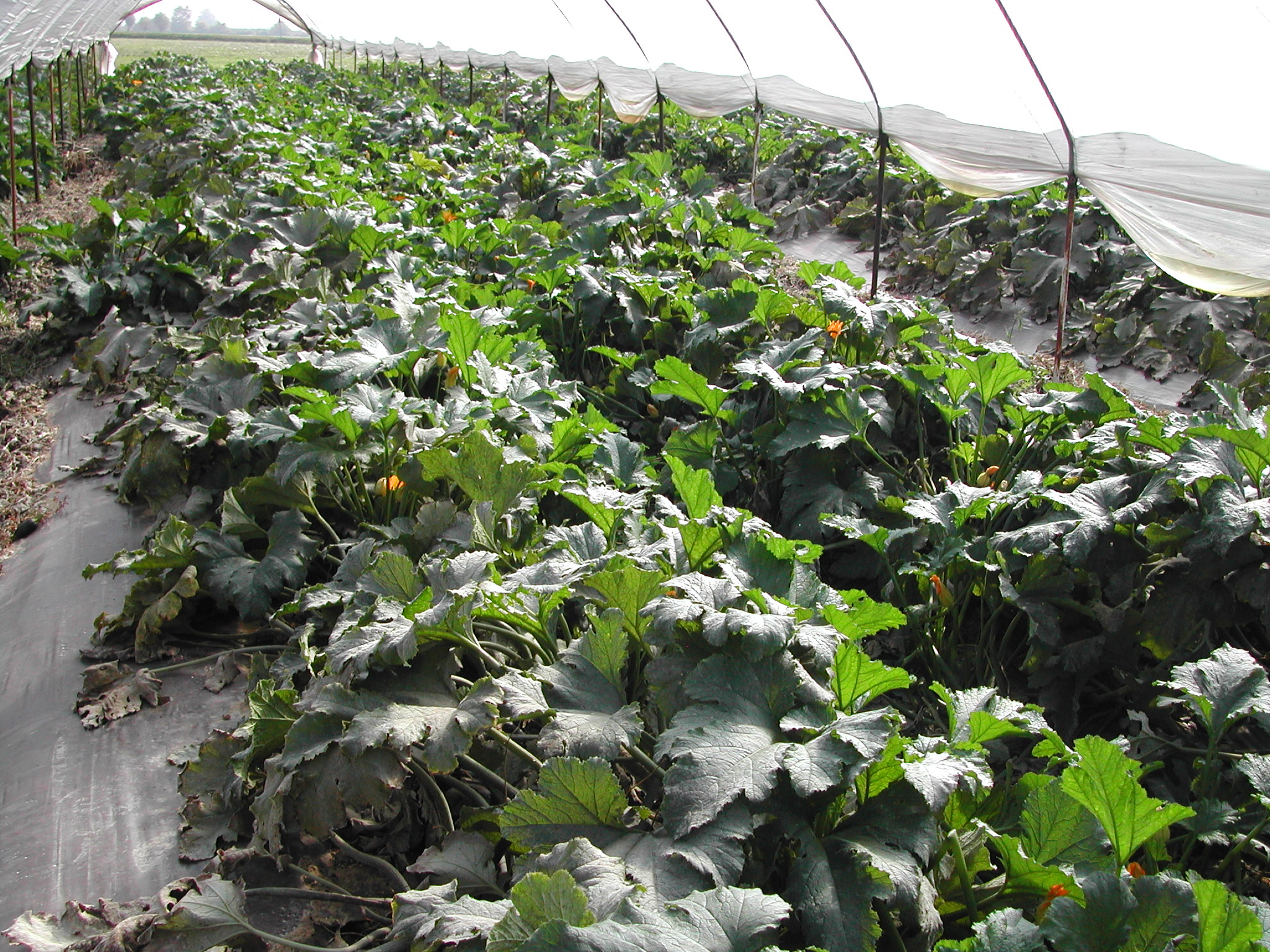
September 2007. Courgette crop after two months of cultivation with BioAksxter®.
During the first year of cultivation with BioAksxter®, nematode infestations were kept under control, with root galls confined to a few isolated areas.
Plant health improved across all crops, making fungal disease management easier, particularly in relation to powdery mildew.
Overall production increased; in particular, sweet peppers showed a considerable increase in fruit size, with the number of peppers per box decreasing from 10 to 8.
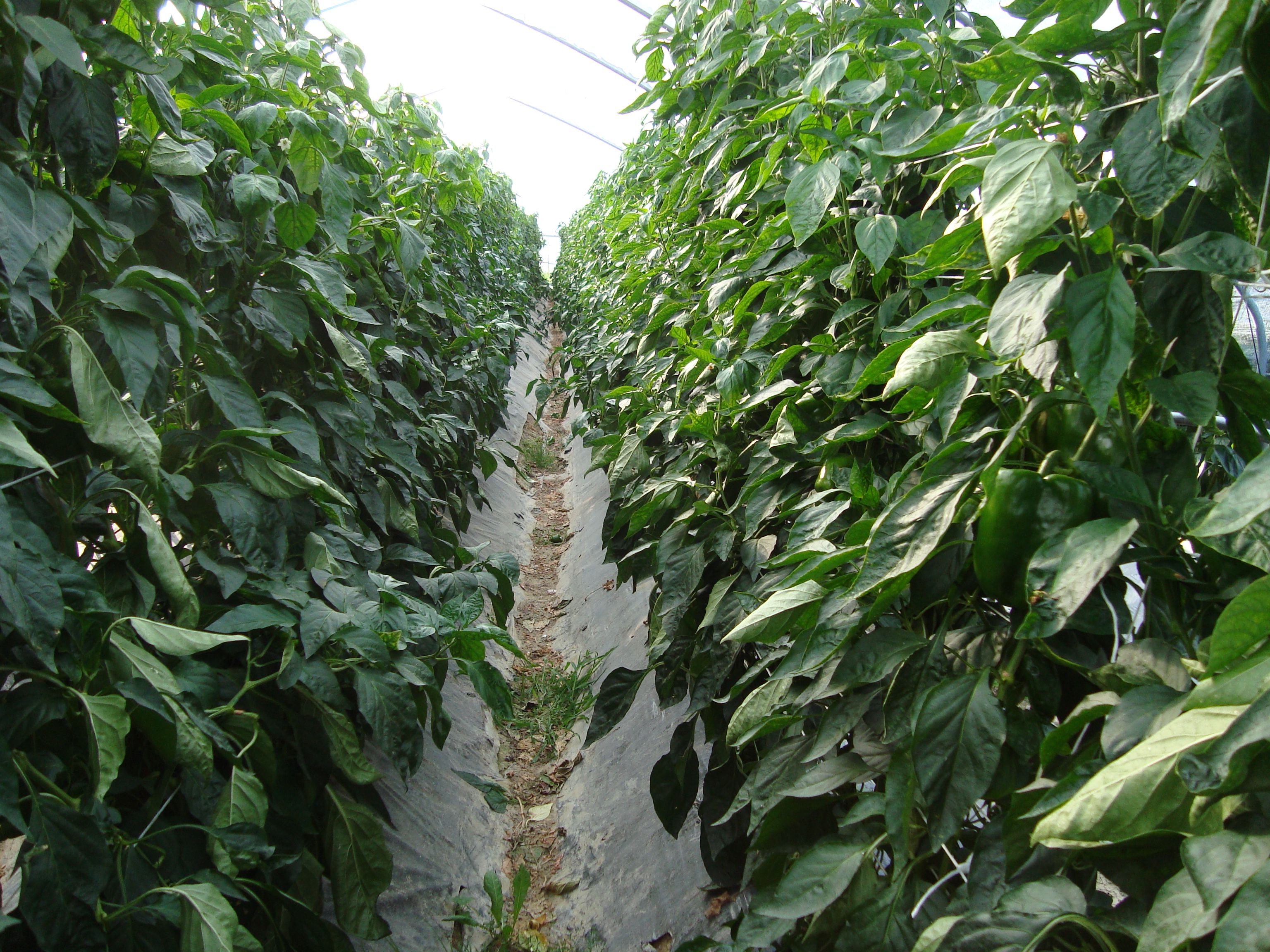
September 2008. Sweet pepper crop after approximately one year of cultivation with BioAksxter®.
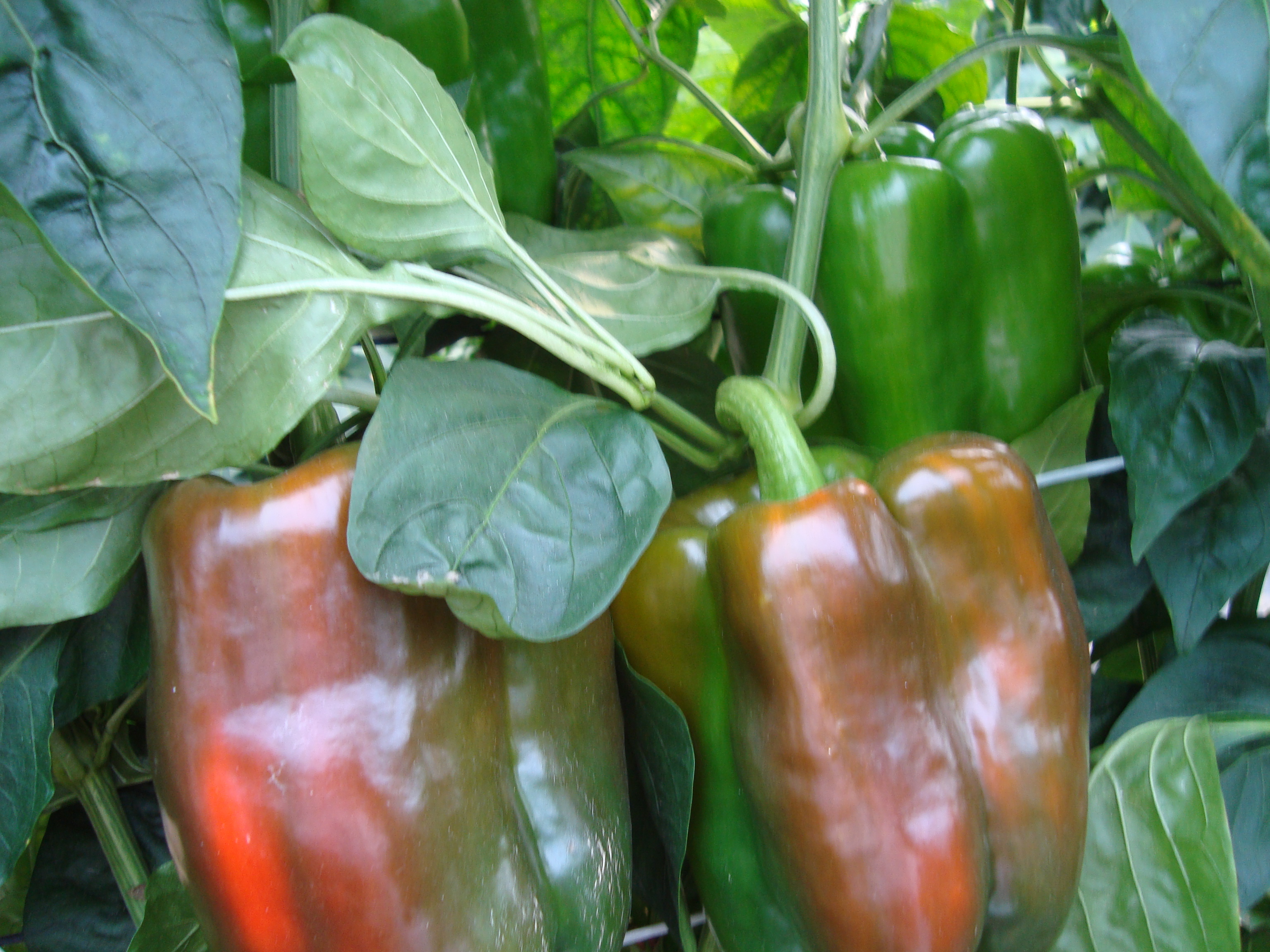
September 2008. Sweet pepper crop grown with BioAksxter®, showing large fruit size.
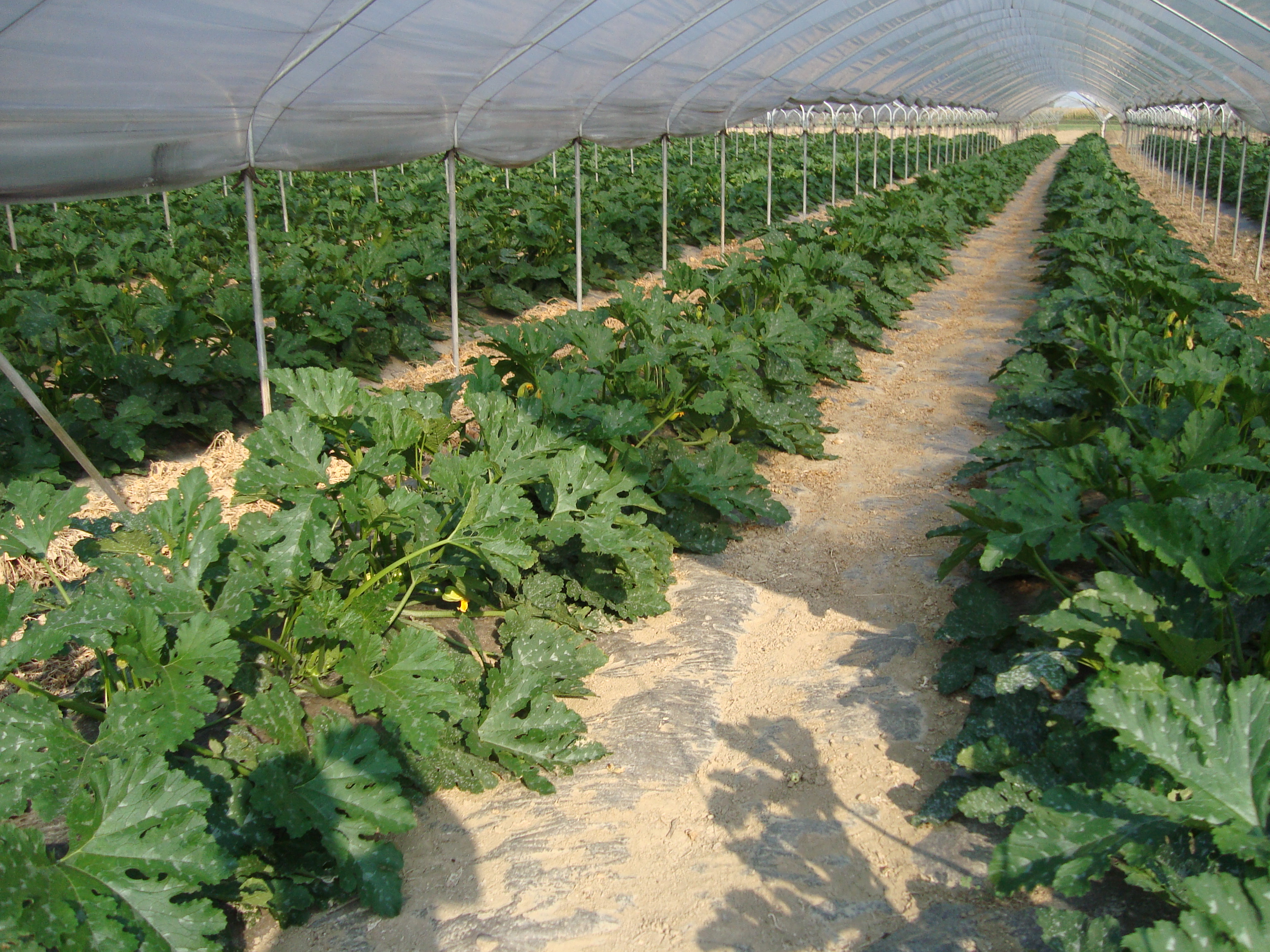
September 2009. Courgette crop grown with BioAksxter®, in excellent plant health.
In subsequent years, results progressively improved:
- The soil became softer and easier to work, and despite its clayey texture, it became possible to replant directly without tillage.
- The nematode problem was definitively resolved, extending the harvesting period and increasing yields.
- Summer cucumber plantings achieved harvesting periods well in excess of 60 days, unlike those of other growers in the area, who suffered substantial losses due to plant dieback.
- In melon cultivation, fruit set increased to 10–12 fruits per plant, and yields rose to as much as 360 quintals per hectare. Sugar content increased and, even in early varieties, °Brix values remained high until the end of harvesting.
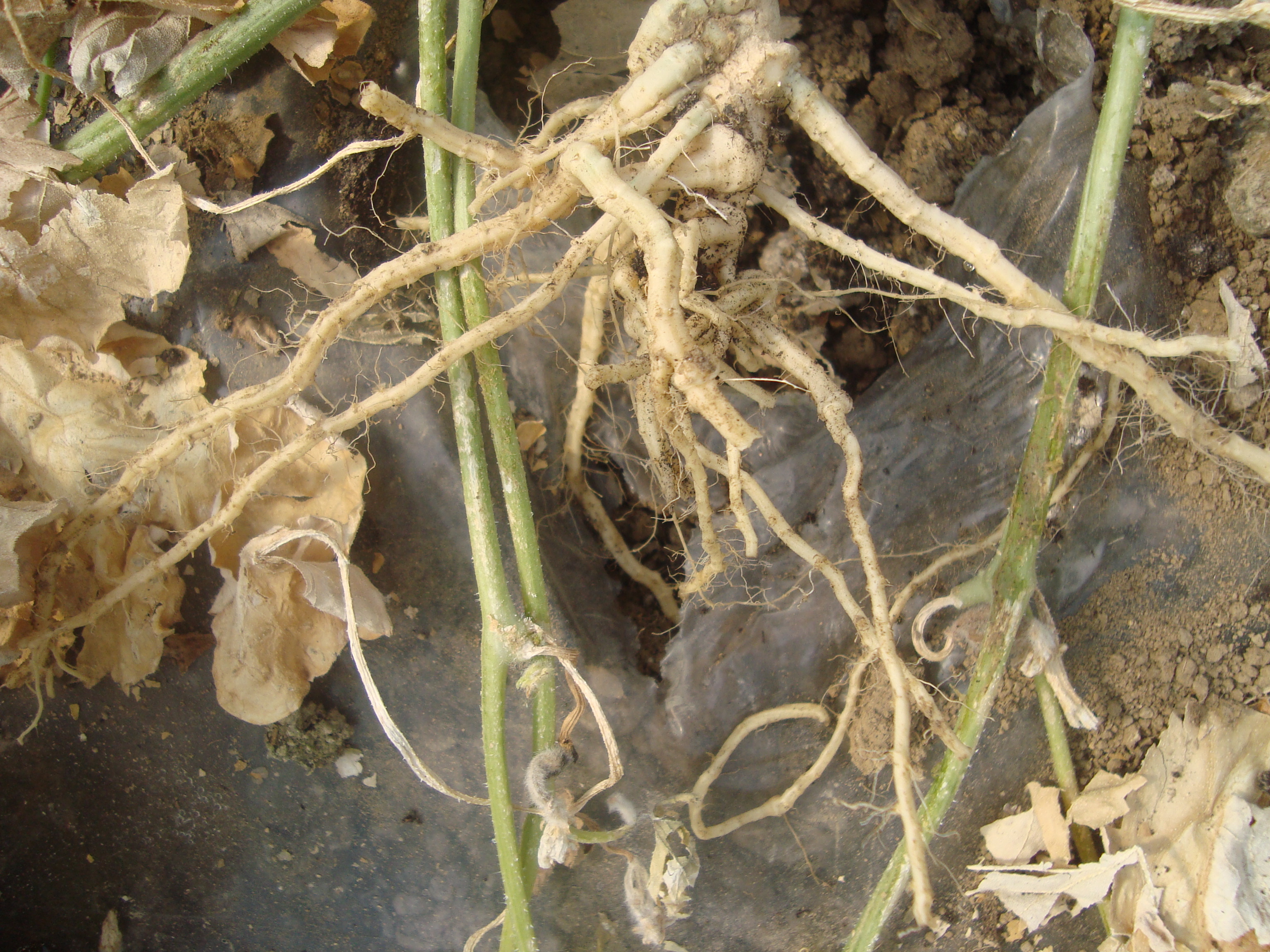
July 2011. Melon grown with BioAksxter®, showing a root system free from nematode-induced galls.
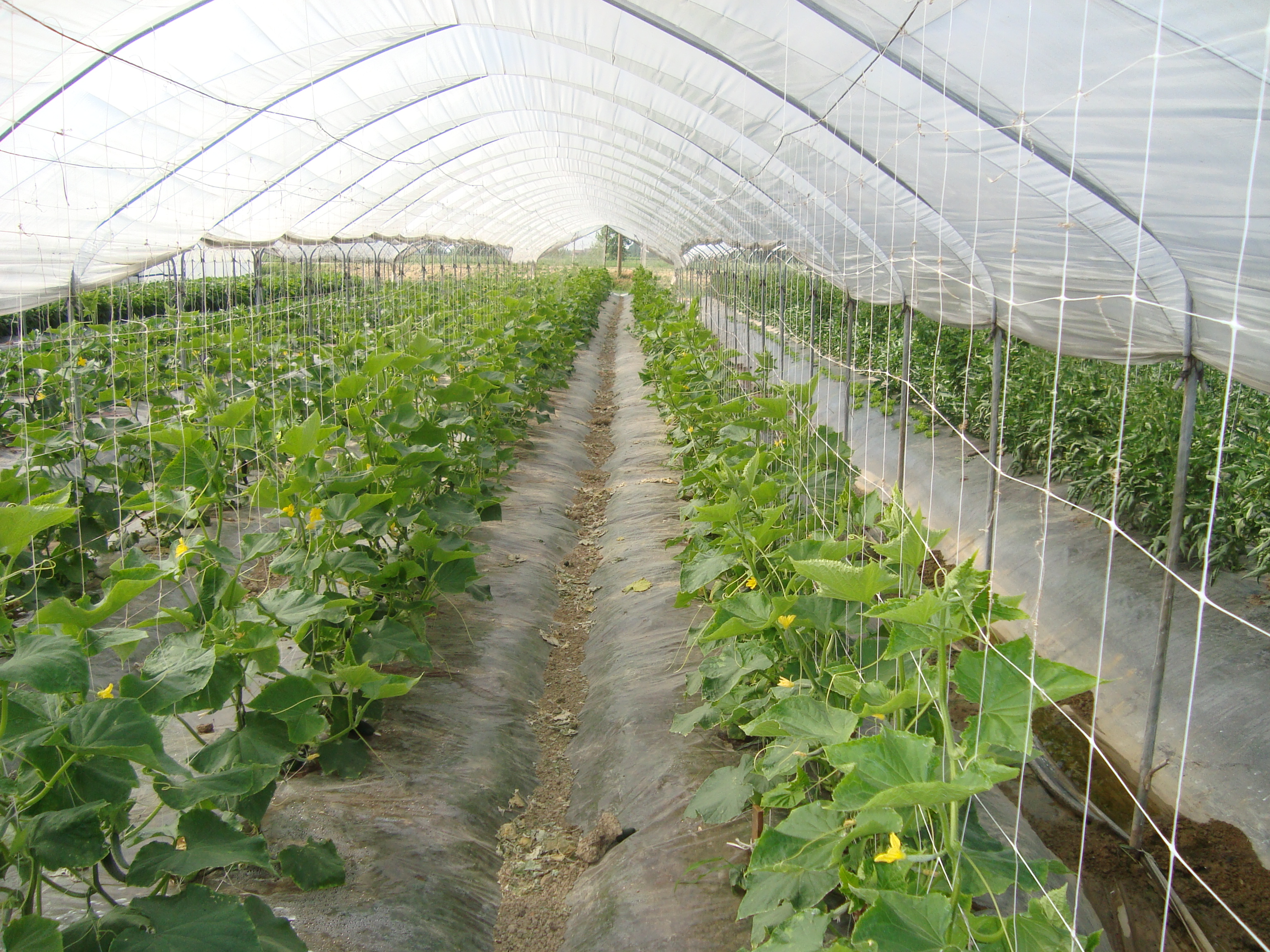
May 2011. Cucumber crop treated with BioAksxter®, free from nematodes.
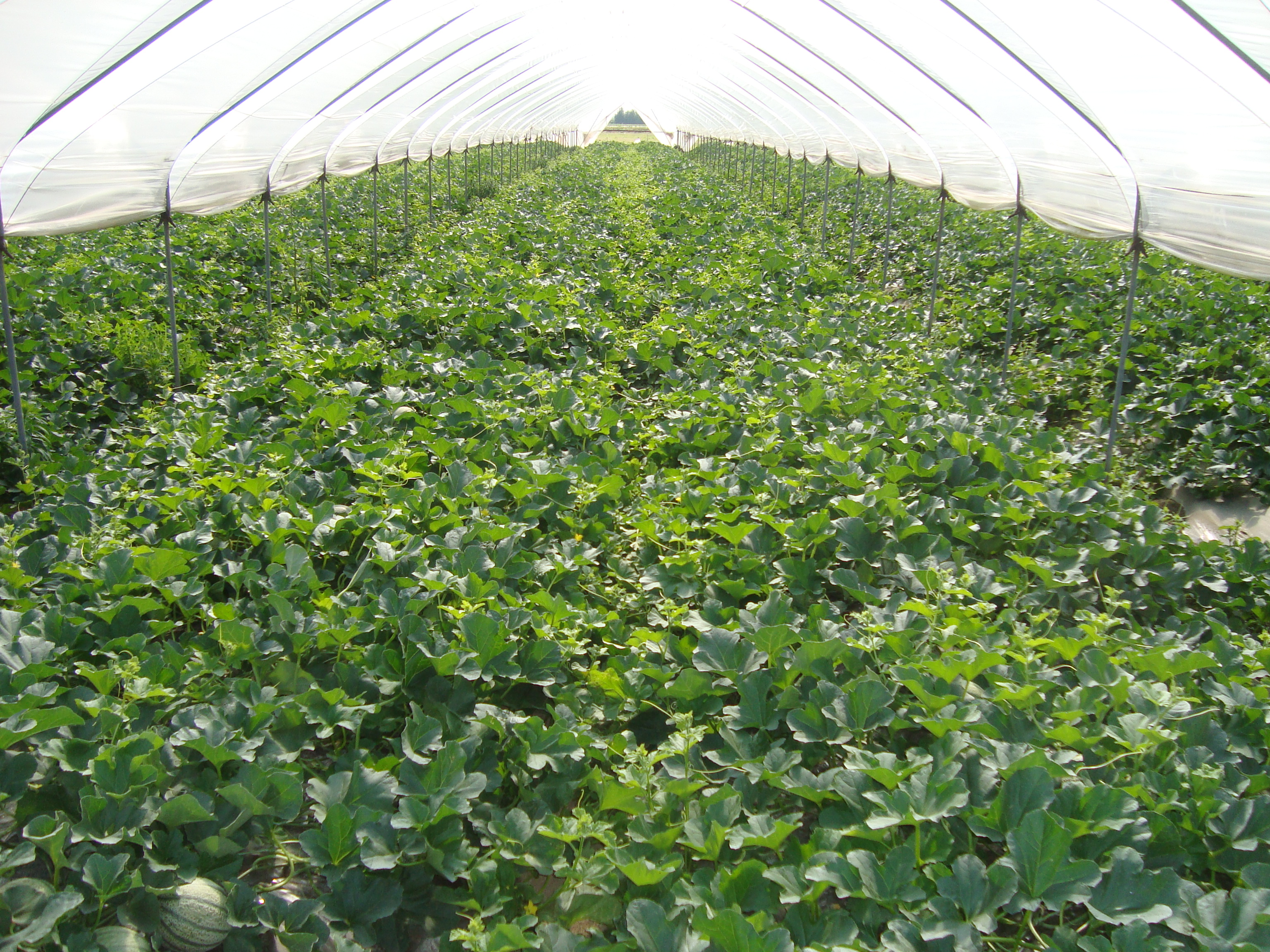
May 2011. Melon crop treated with BioAksxter®, in excellent plant health.
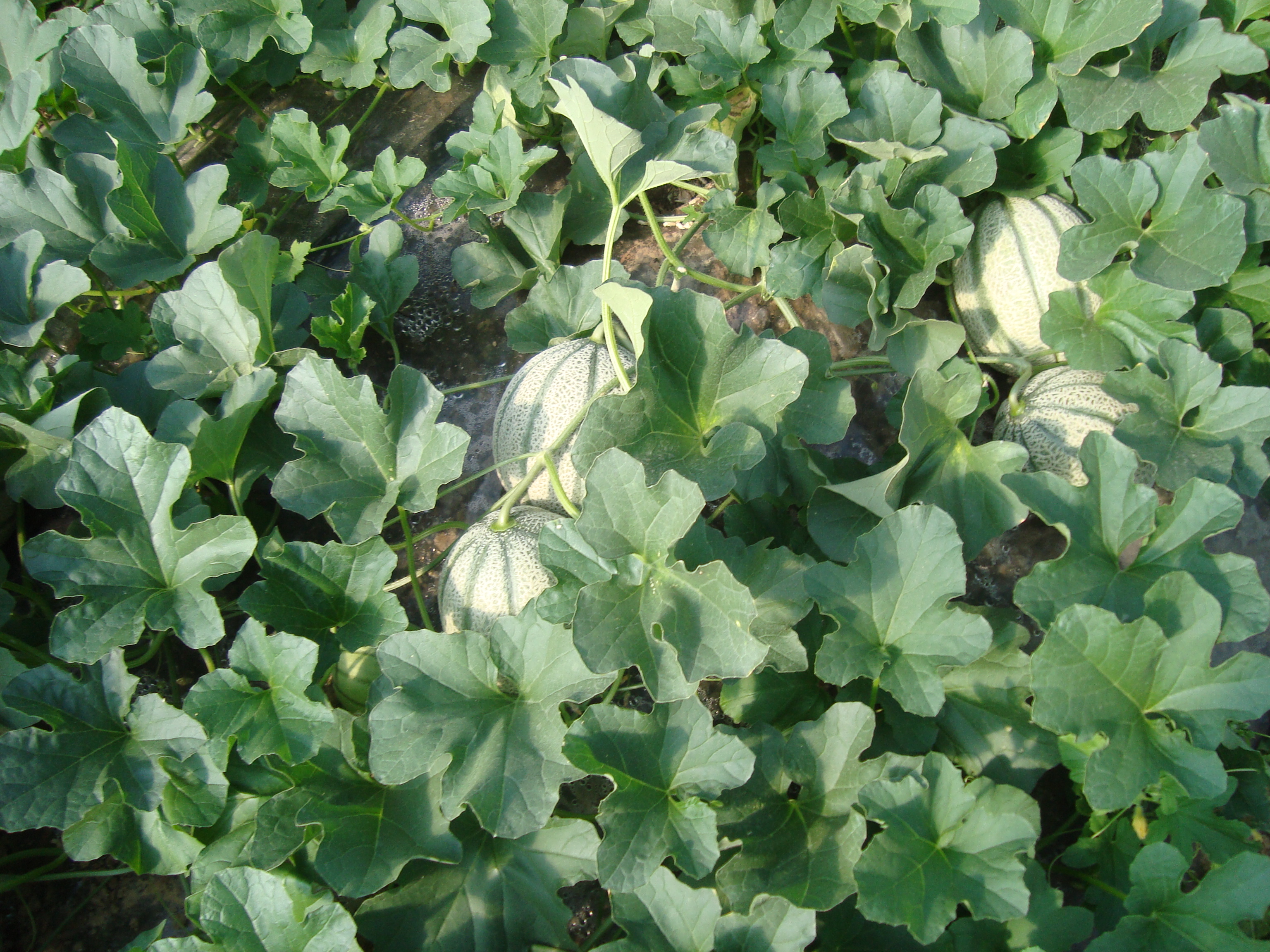
May 2011. Melon plant treated with BioAksxter®, showing high fruit set and well-developed rind netting.
- Strawberries and all the vegetables became sweeter and more flavoursome, as reported by customers at the farm shop.
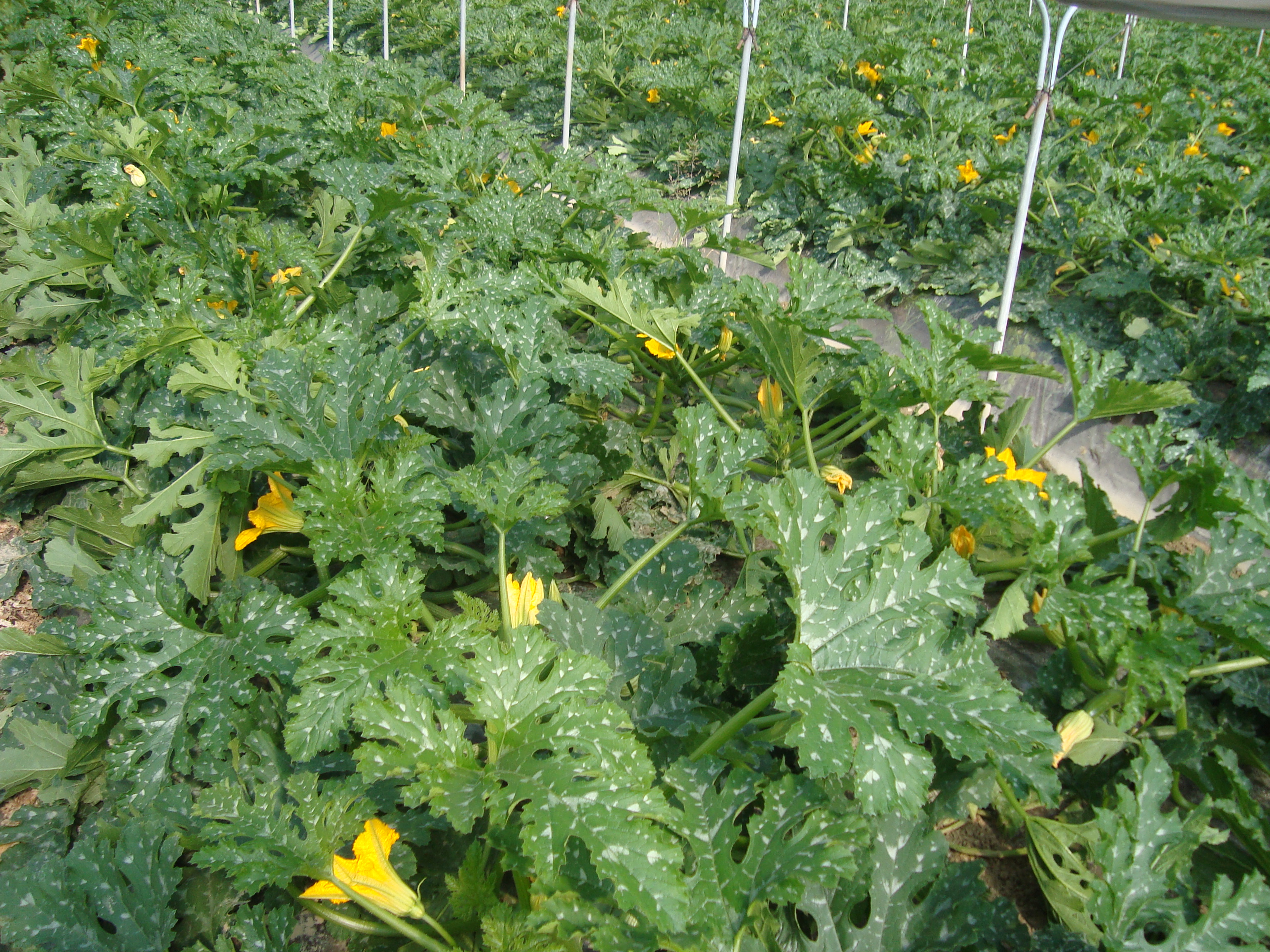
May 2011. Courgettes grown with BioAksxter®.
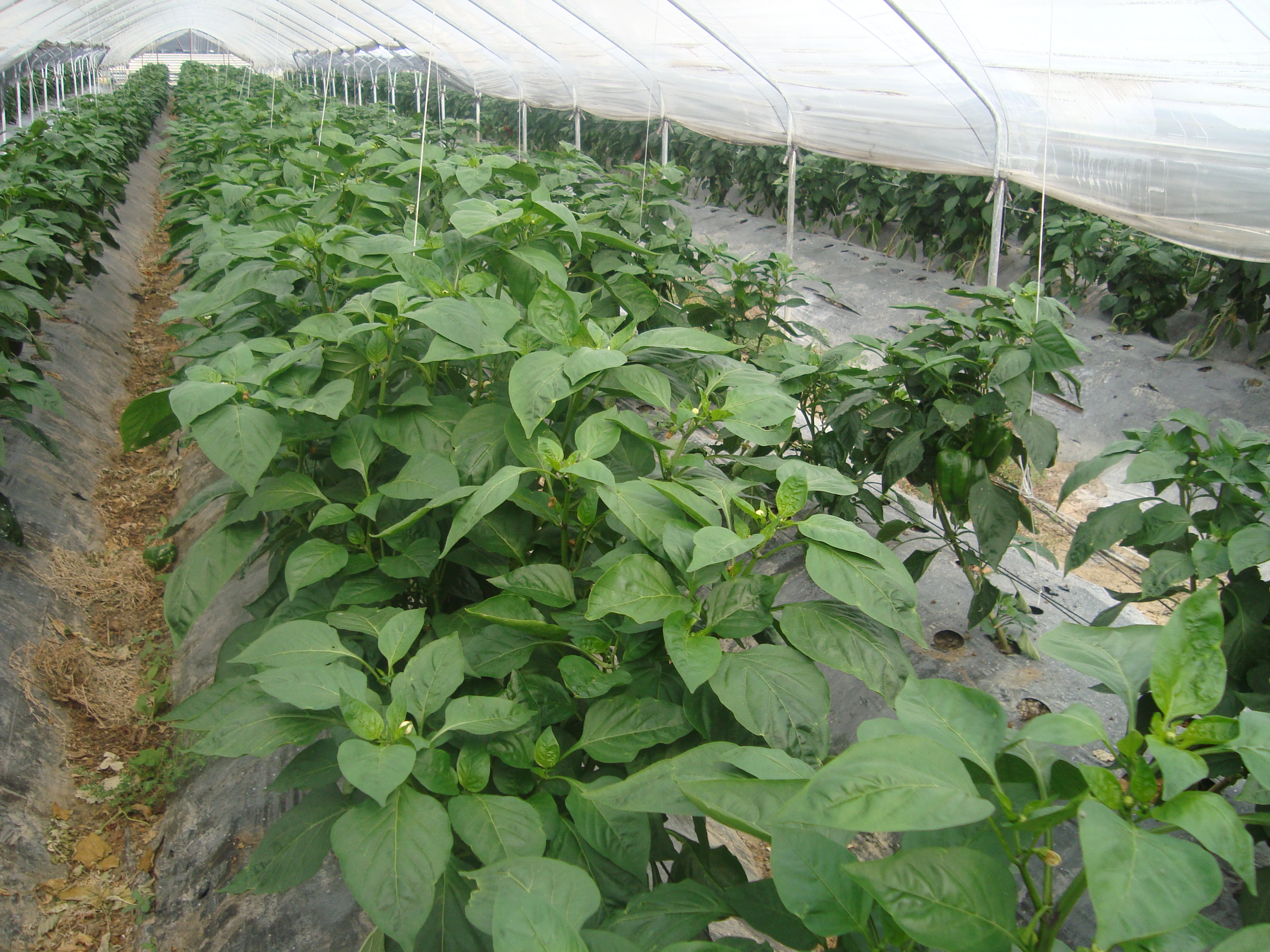
May 2011. Sweet peppers grown with BioAksxter®.
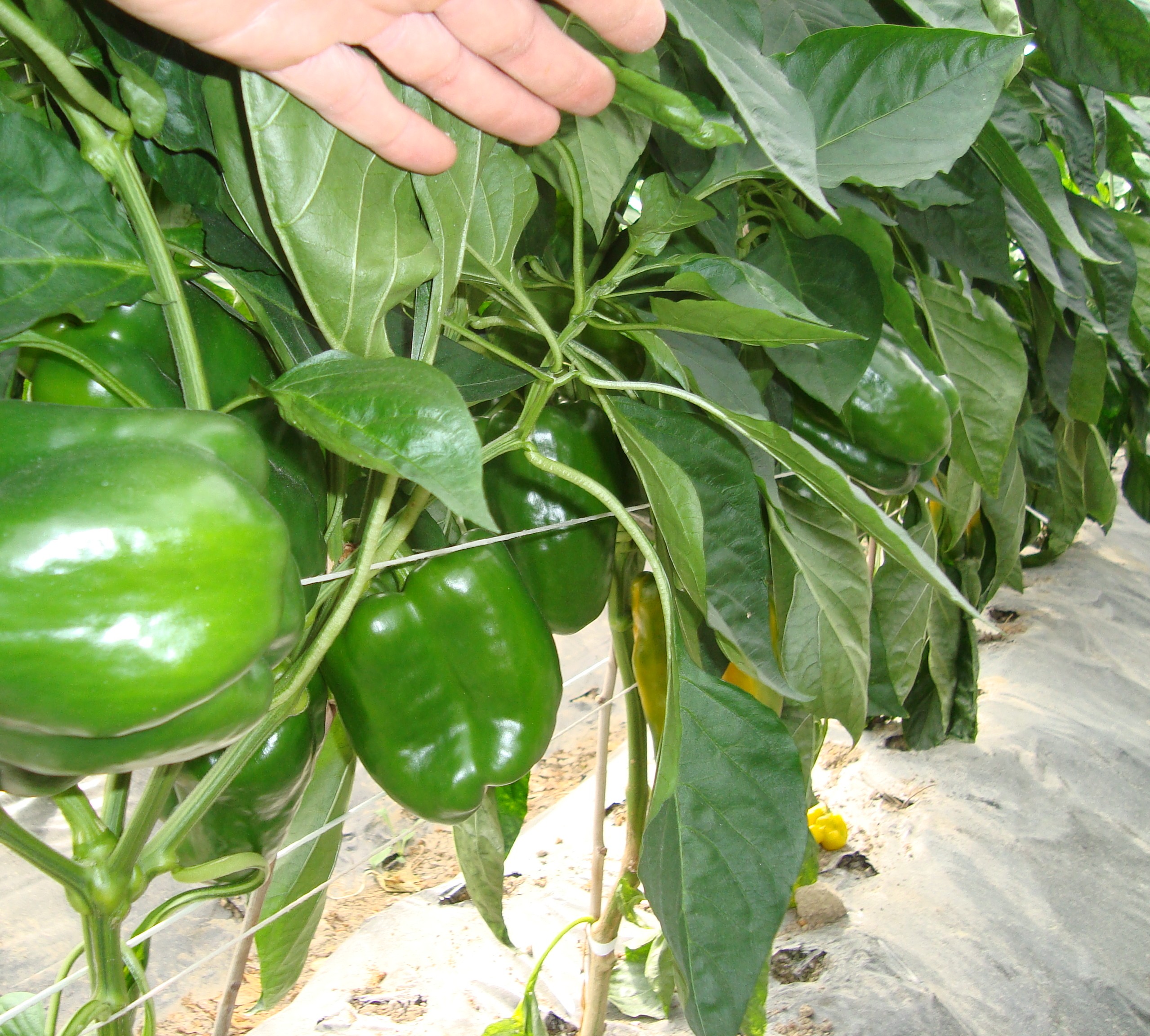
July 2010. Sweet pepper crop treated with BioAksxter®, showing high productivity.
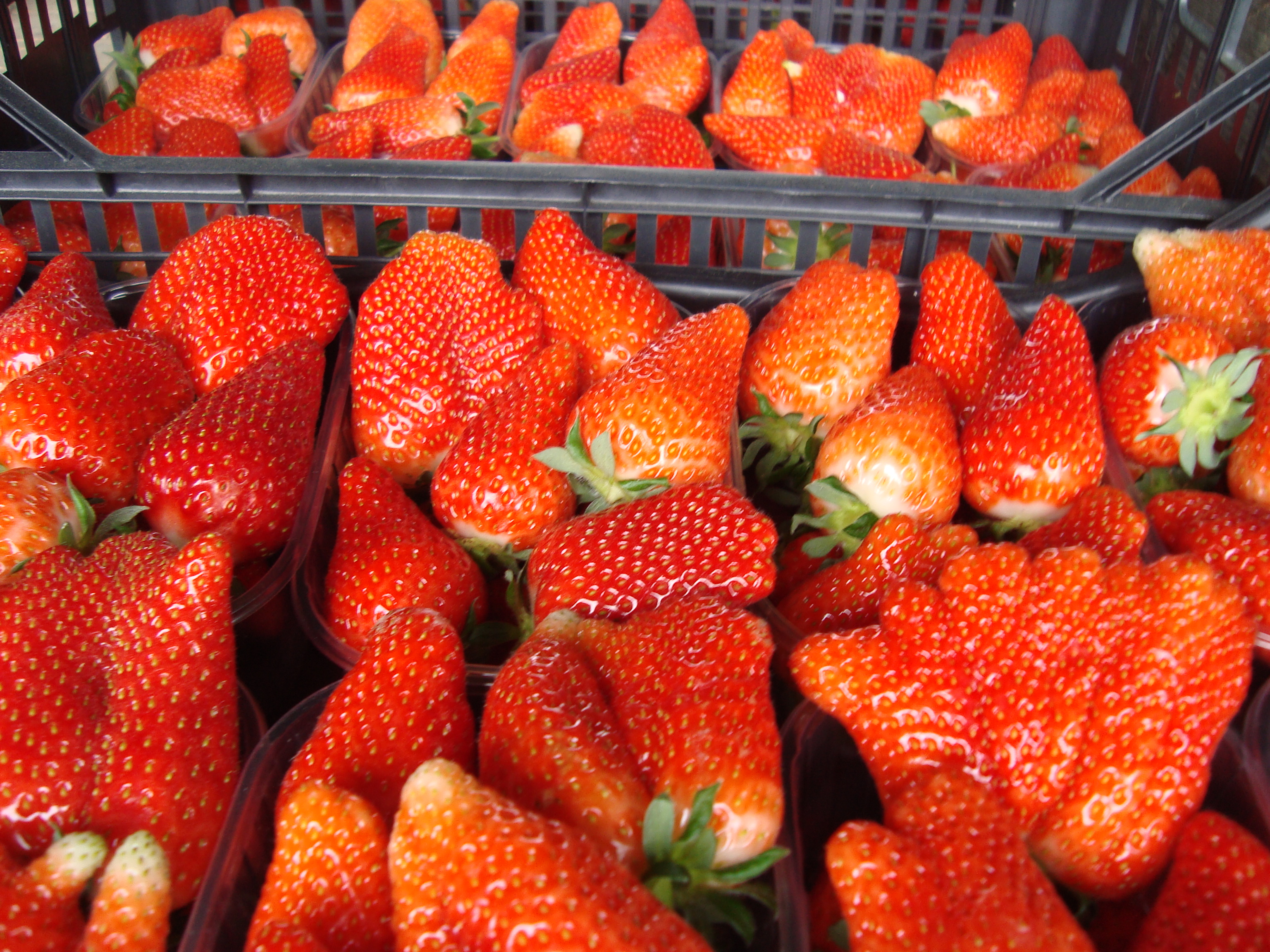
May 2010. Excellent-quality strawberries grown with BioAksxter®.
In February 2011, the farm decided to further enhance the value of its produce by joining the initiative “Eat healthily, ask for fruit and vegetables grown with BioAksxter®”.


