Claudio, cherry and apricot grower
Maschi Claudio Farm, Caldiero (Verona, Italy)
A farm specialising in cherry and apricot production for the domestic market.
In March 2006, the farm began using BioAksxter® in several young cherry orchards showing poor vegetative growth. Following the initial results, its use was extended to other apricot and cherry orchards, with the aim of reducing alternate bearing and increasing fruit size.
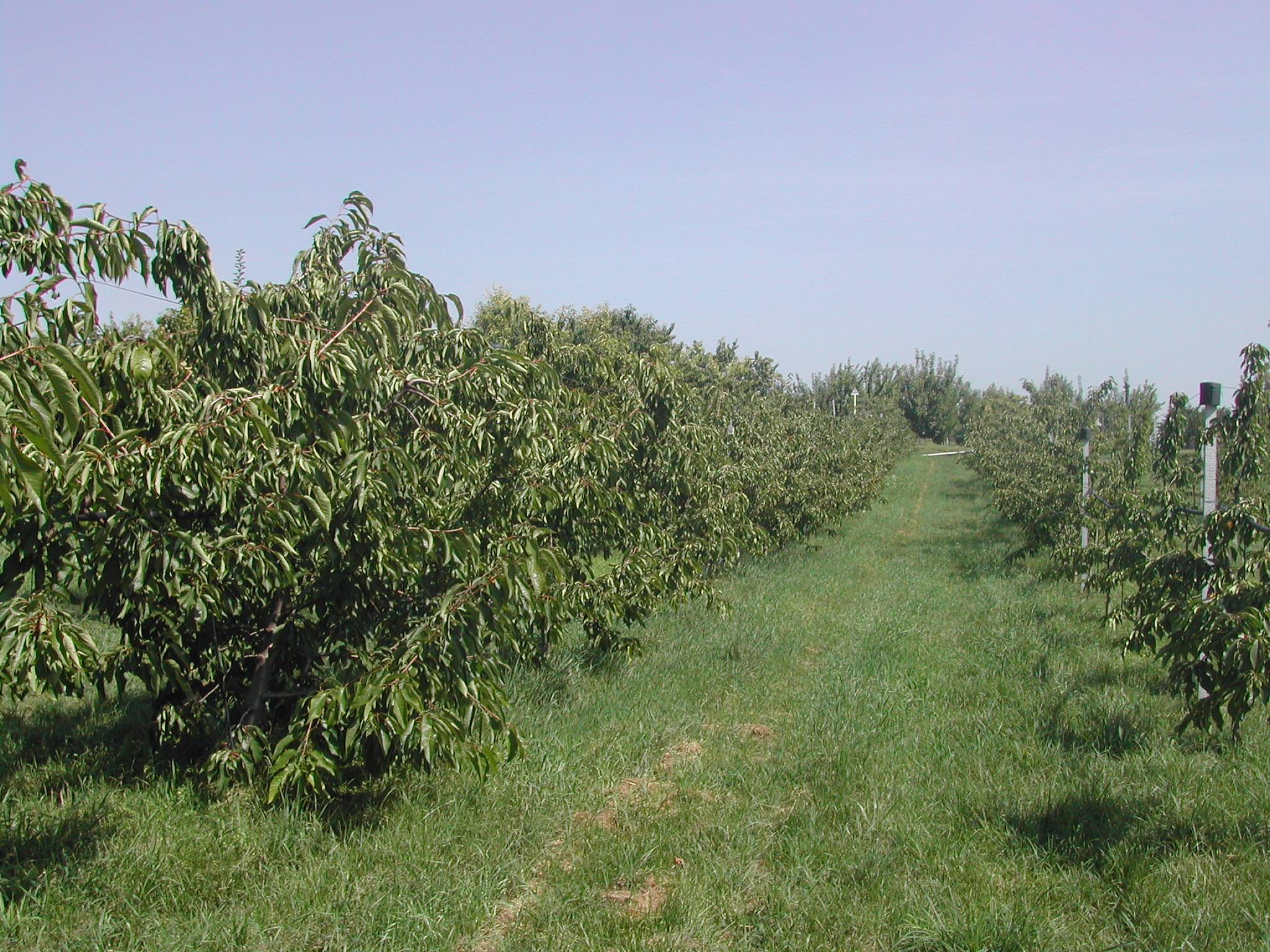
Young cherry orchard showing poor vegetative growth.
After three months of treatment, increased vegetative growth was observed. In the young cherry orchards, new shoot growth was considerably greater than in previous years, and chlorosis was reduced.
In apricot trees, leaf blade size increased, while the reddish colour of the growing shoot tips, an indication of normal growth activity, became more pronounced.
In the treated plots, fruit size increased, by an average of 10%, with peaks of 25% in the Modenesi types, whose average fruit diameter increased from 20 mm to 25–26 mm.
In subsequent years, the results improved further:
- Resistance to fruit cracking, storage life and fruit sweetness increased.
- Alternate bearing in apricot trees decreased, while resistance to Monilinia and fruit drop increased.
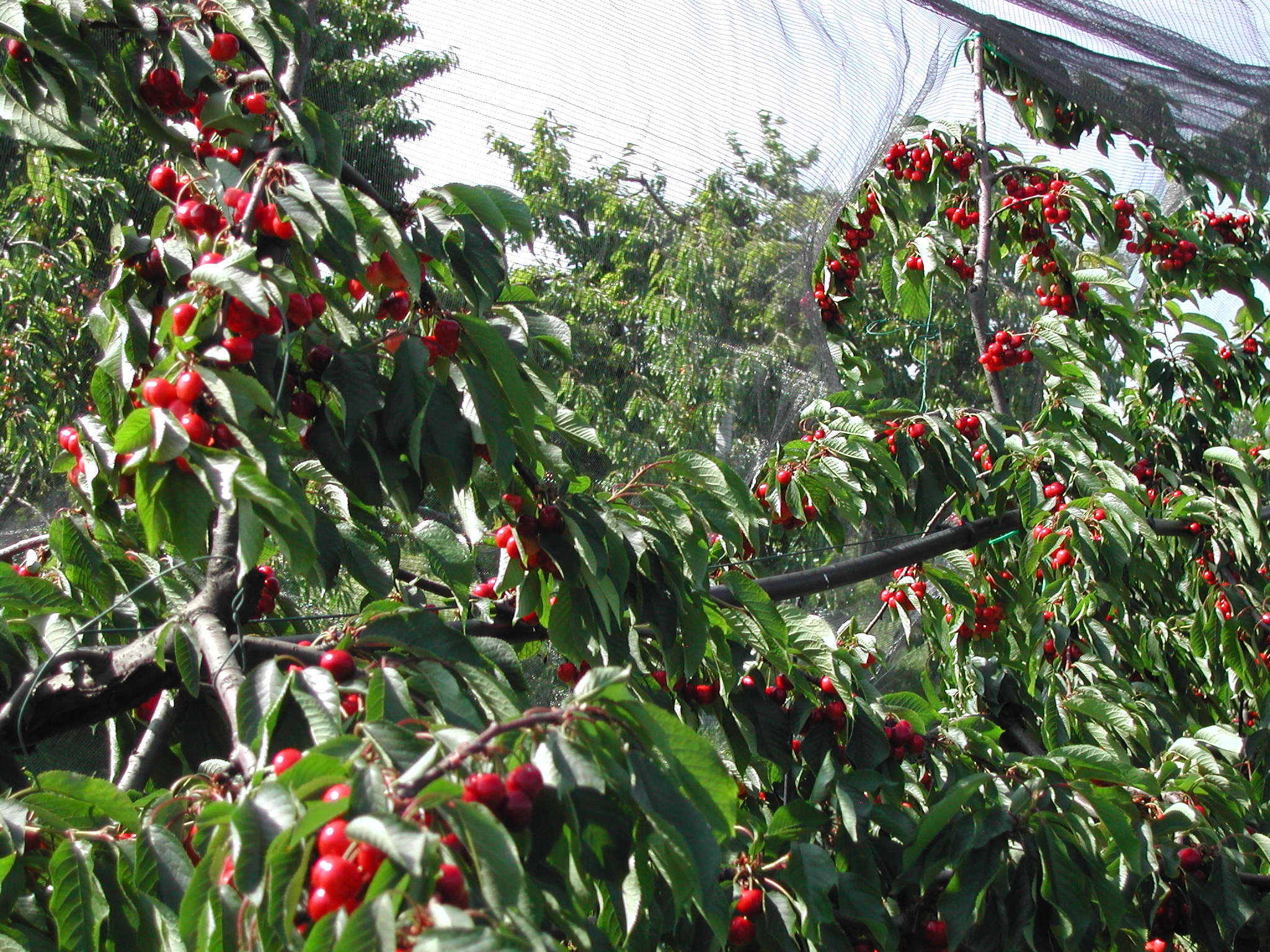
May 2007. Young cherry tree that had previously experienced serious production and growth problems, during its second year of treatment with BioAksxter®.
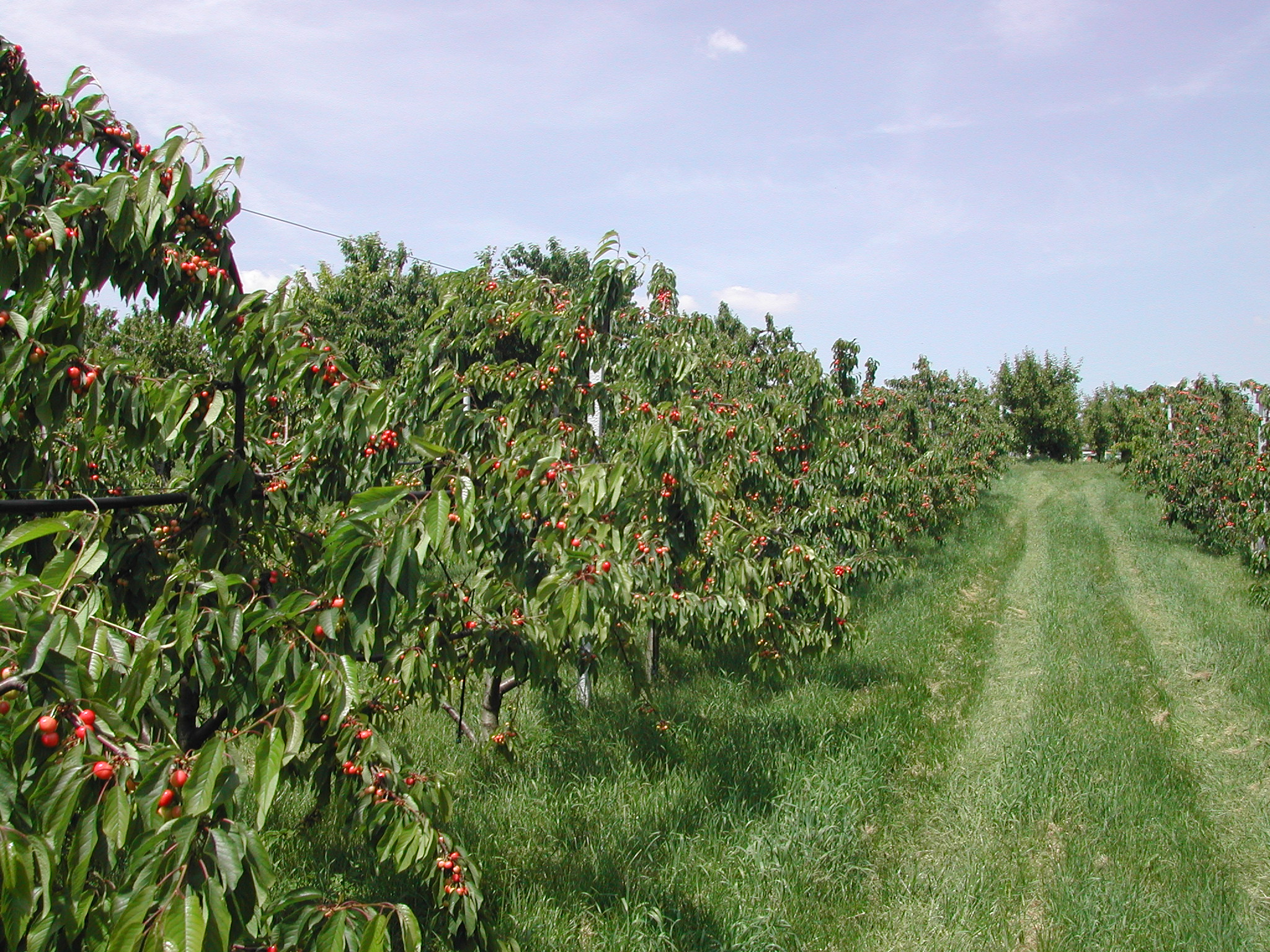
June 2008. Young cherry orchard treated with BioAksxter®.
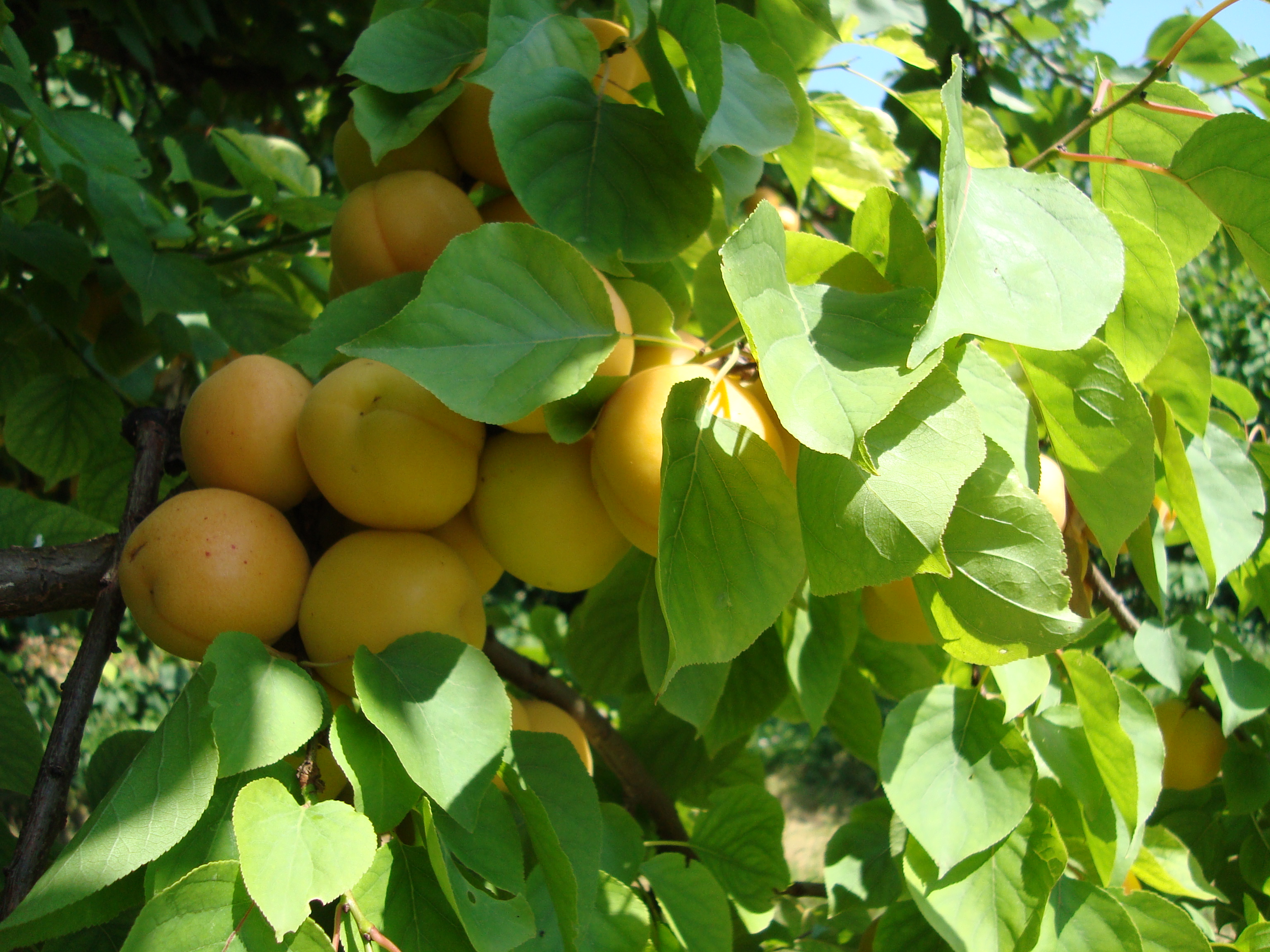
July 2008. Apricot tree treated with BioAksxter®, showing the size of its leaf blades.
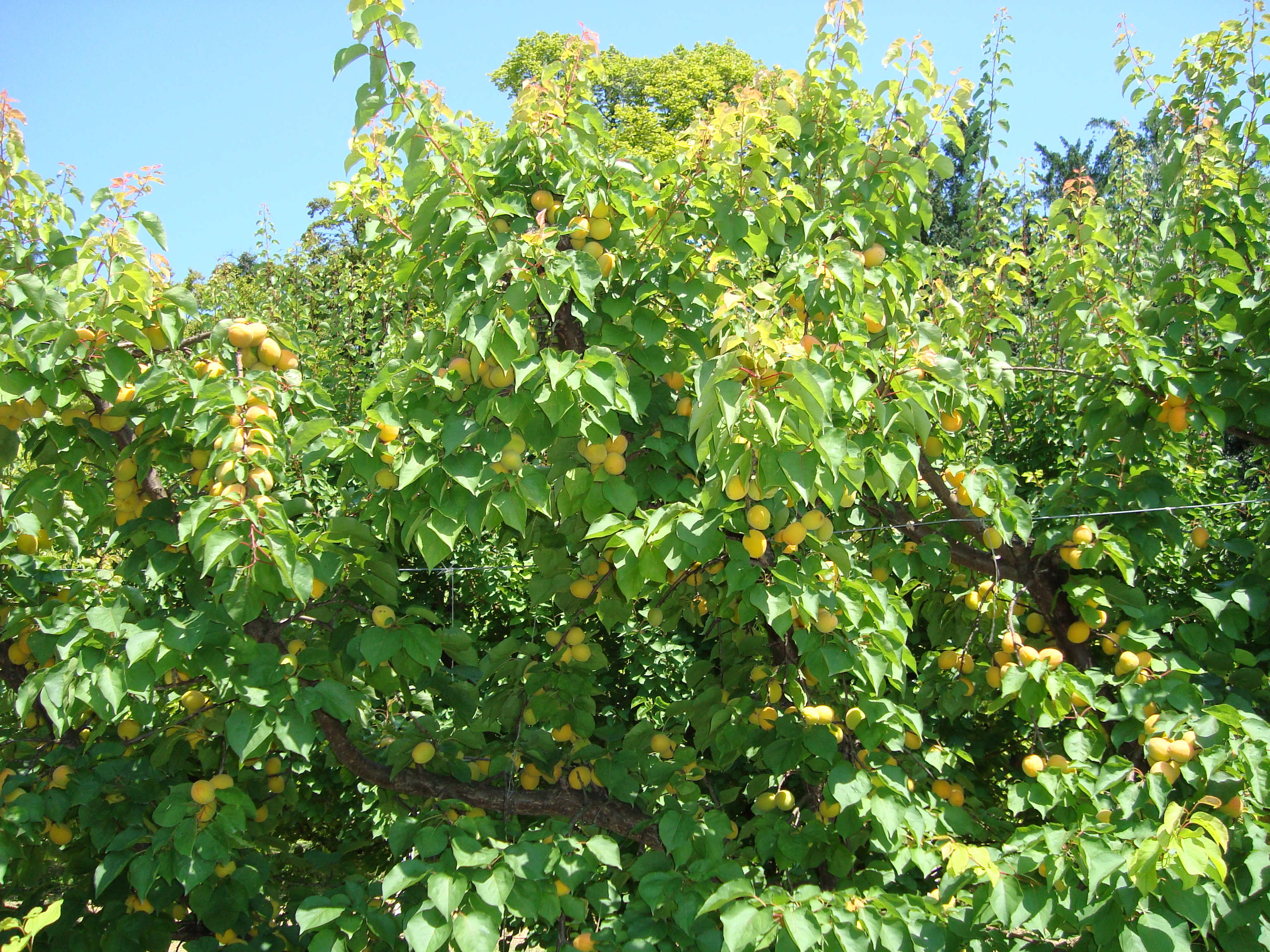
July 2008. Highly productive apricot tree treated with BioAksxter®.
- Cherry production in established orchards increased significantly: average yields rose to 230 quintals per hectare, compared with the previous 190 quintals per hectare.
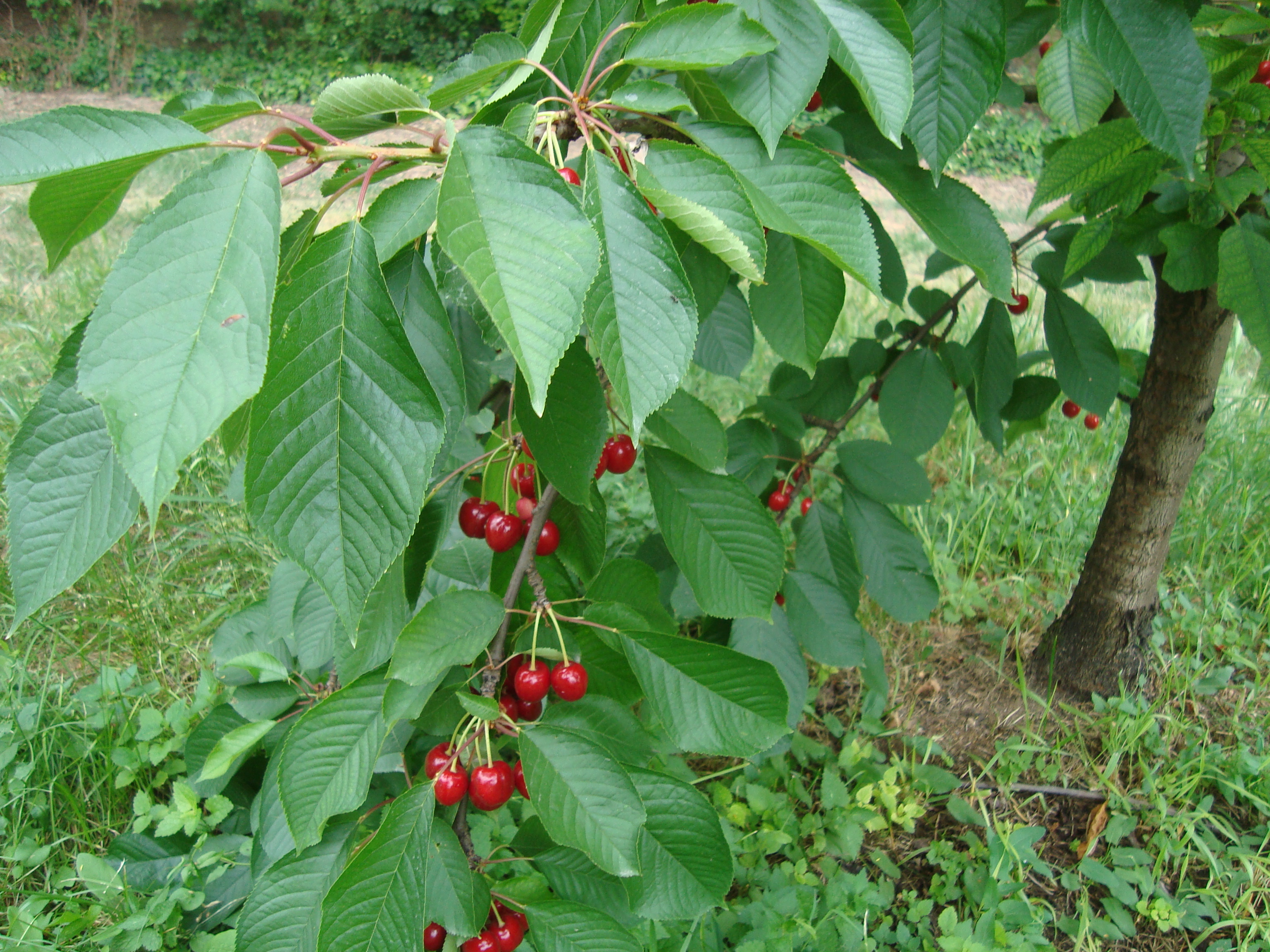
June 2009. Young cherry tree treated with BioAksxter®, showing normal vegetative growth and no signs of chlorosis.
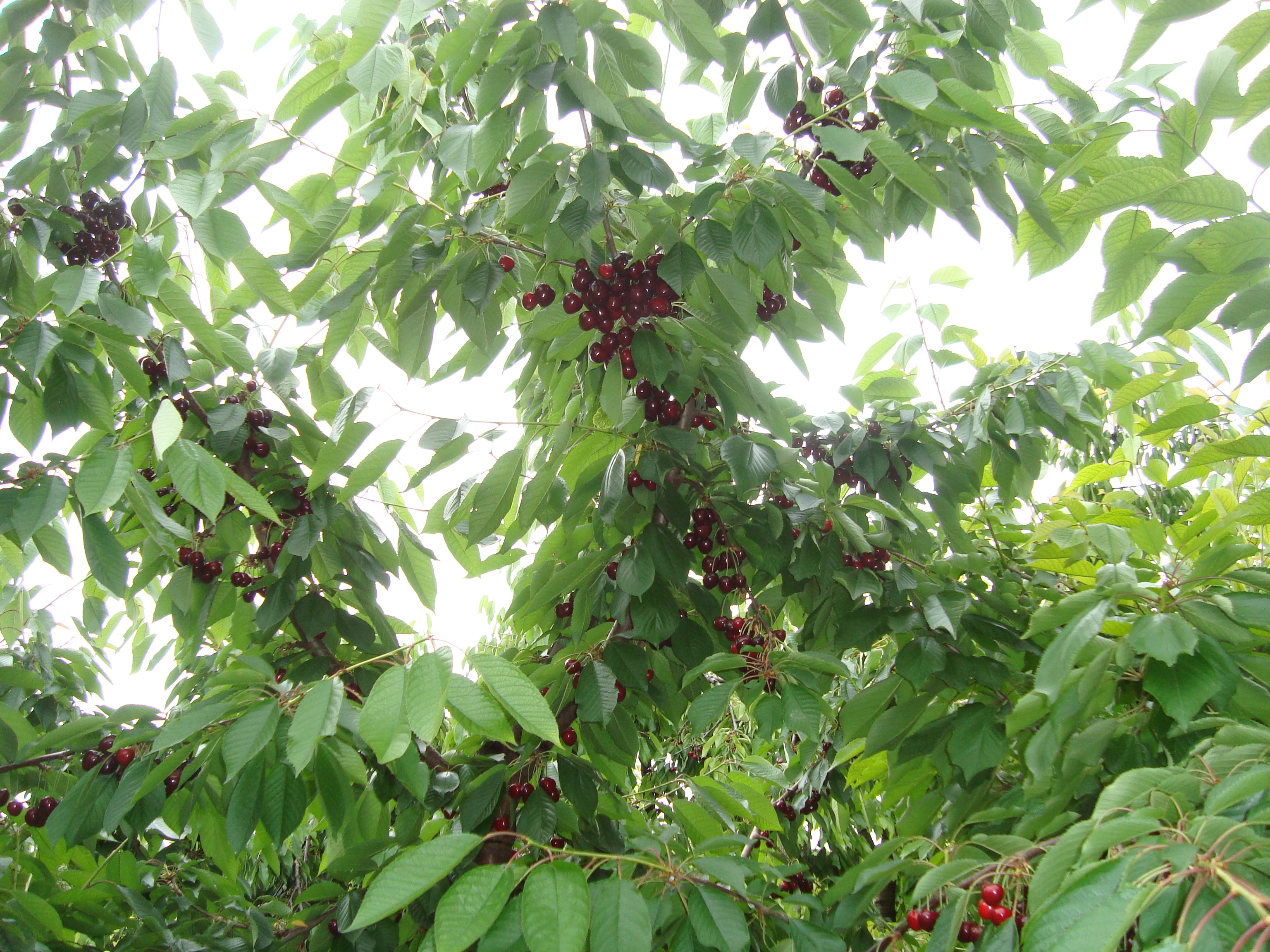
June 2009. Highly productive young tree treated with BioAksxter®.
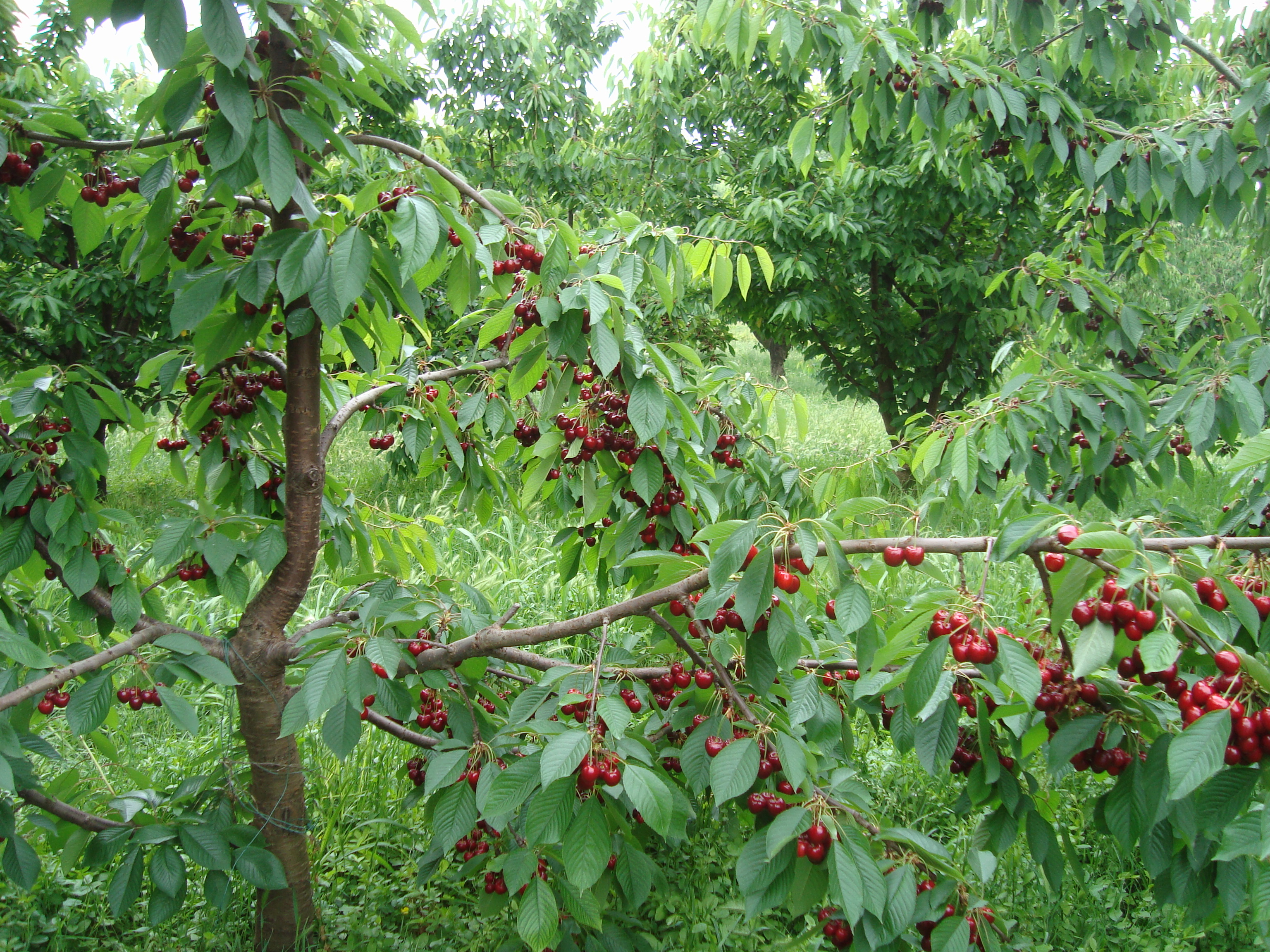
June 2009. Highly productive young cherry tree treated with BioAksxter®.
- The proportion between cherries measuring 17–22 mm in diameter and those exceeding 22 mm decreased from 9.5% to 8%.
- The percentage of cherries exceeding 25 mm in diameter doubled, reaching 70% of total production, compared with 35% in the years before BioAksxter® was introduced.
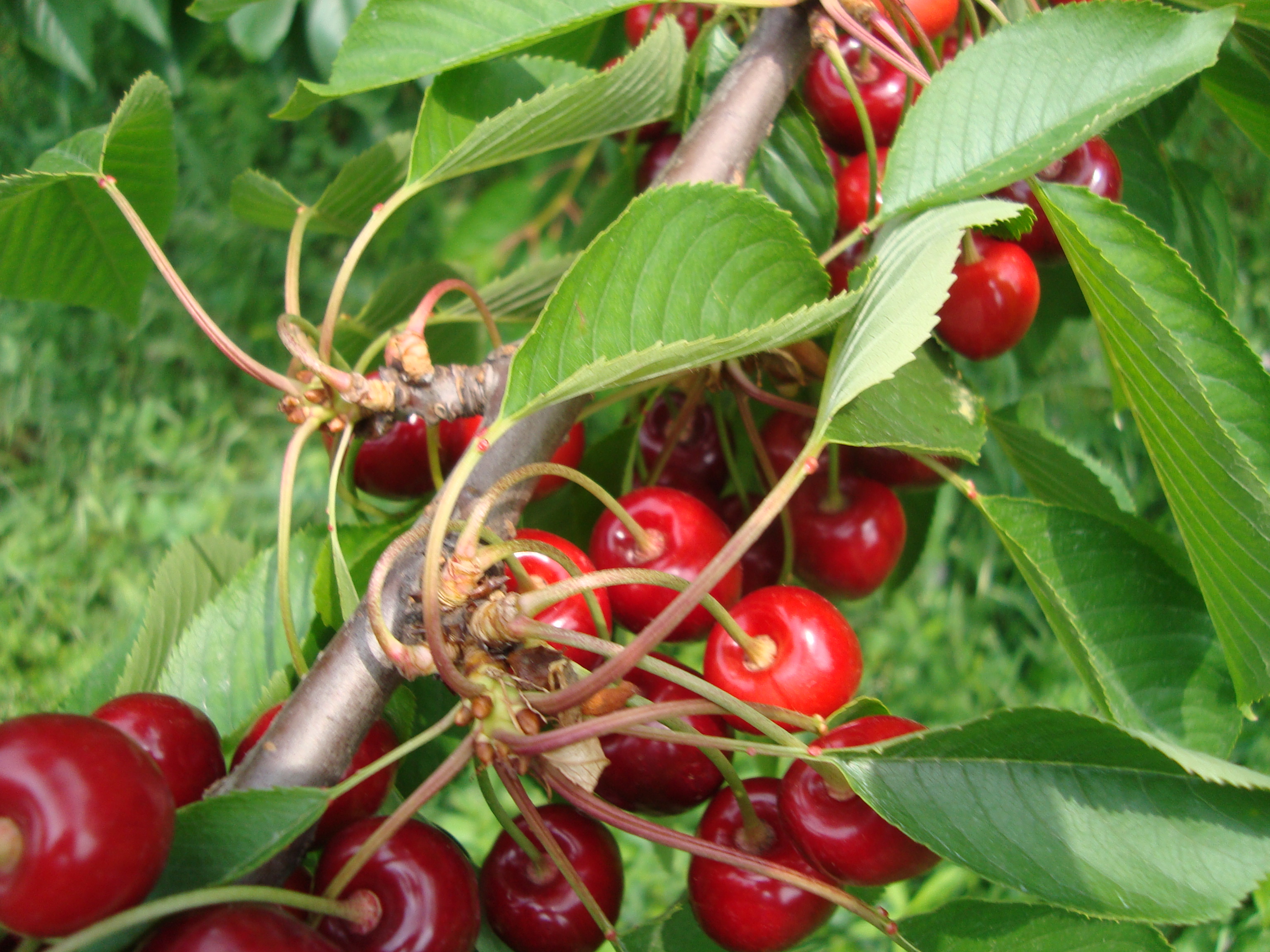
Cherries grown with BioAksxter®, approaching harvest.
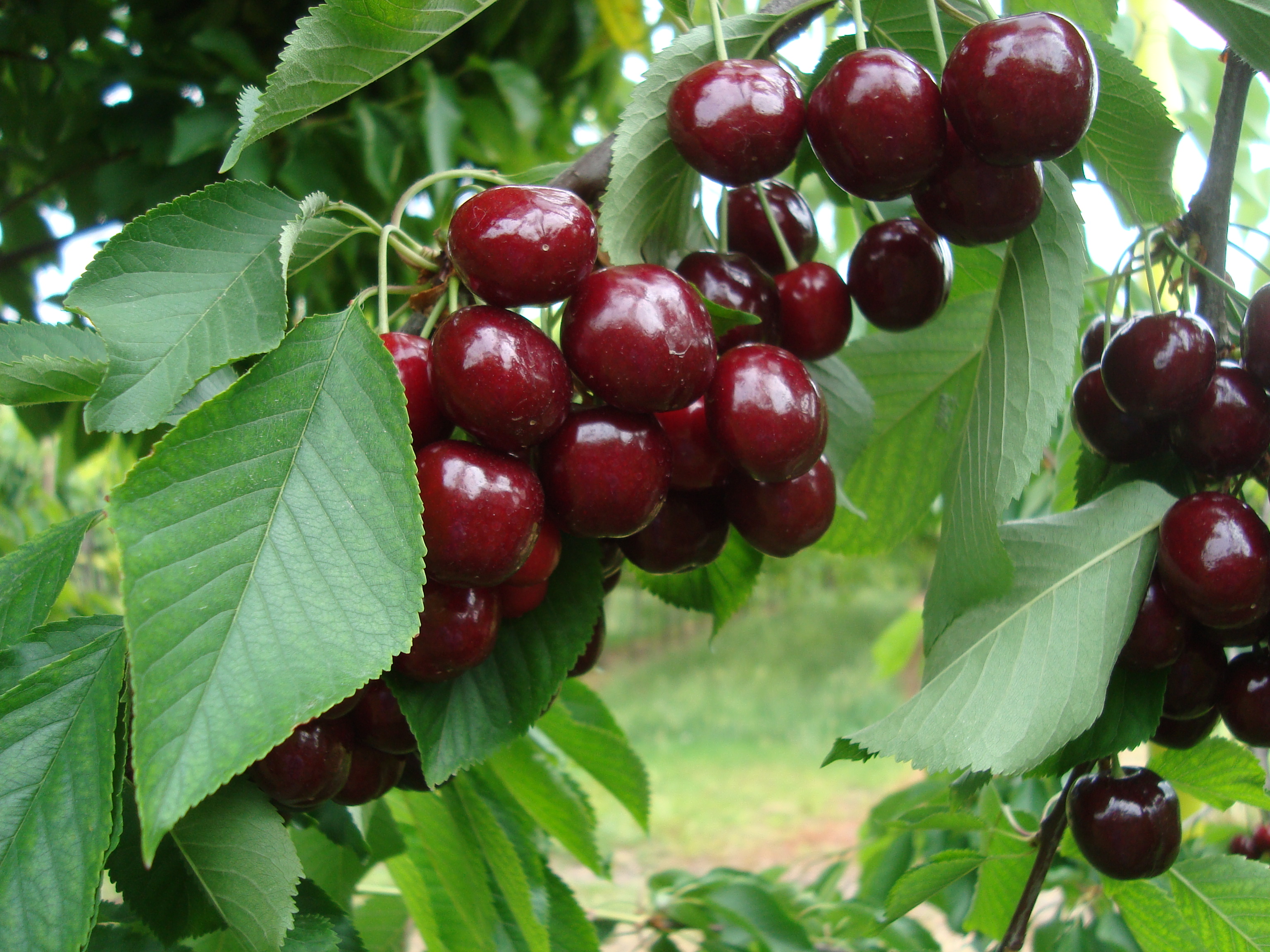
June 2010. Cherries grown with BioAksxter®, showing their large fruit size.
In 2010, the farm joined the “Eat Healthily, Ask for Fruit and Vegetables Grown with BioAksxter®” initiative. In June 2011, the grower expressed satisfaction with the results achieved, particularly the increase in income resulting from improved fruit quality.


