Sergio, tomato grower
Bampa Sergio Farm, Alpo di Villafranca (Verona, Italy)
A farm specialising in the greenhouse production of high-quality tomatoes and vegetables for the domestic market.
In June 2005, the farm, which had been using a soilless cultivation system with perlite as the growing medium for several years, began using BioAksxter® to address a severe decline in productivity affecting its tomato crops.
In previous years, the plants had suffered from progressive root system decay attributed to corky root rot of tomato, together with a decline in vegetative growth and productivity. Just a few weeks after transplanting, leaves and flowers began to become deformed, resulting in reduced fruit set and fruit size. Beyond the third truss, yields were virtually non-existent.
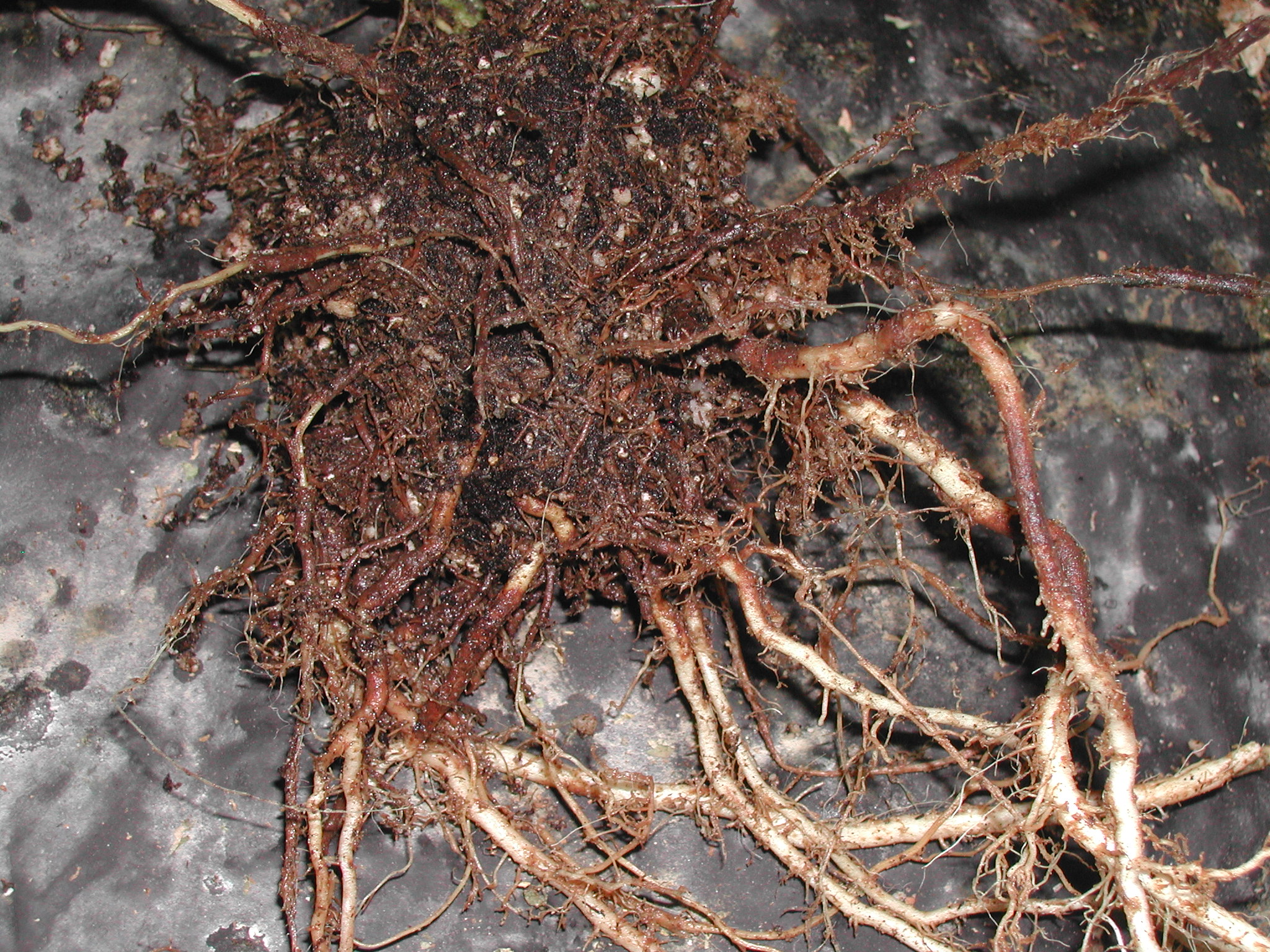
Tomato roots affected by corky root rot.
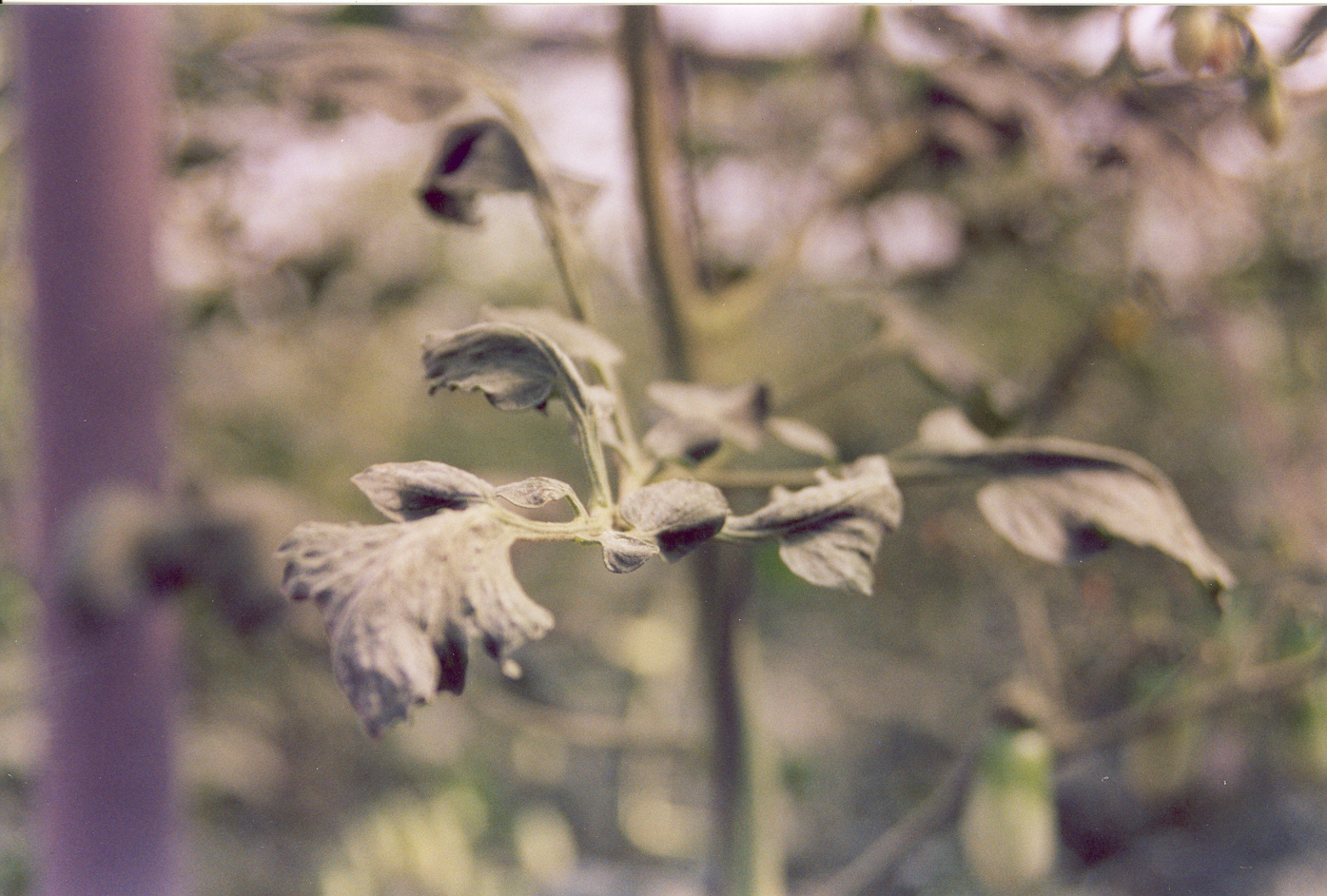
Tomato leaf showing pronounced deformation.
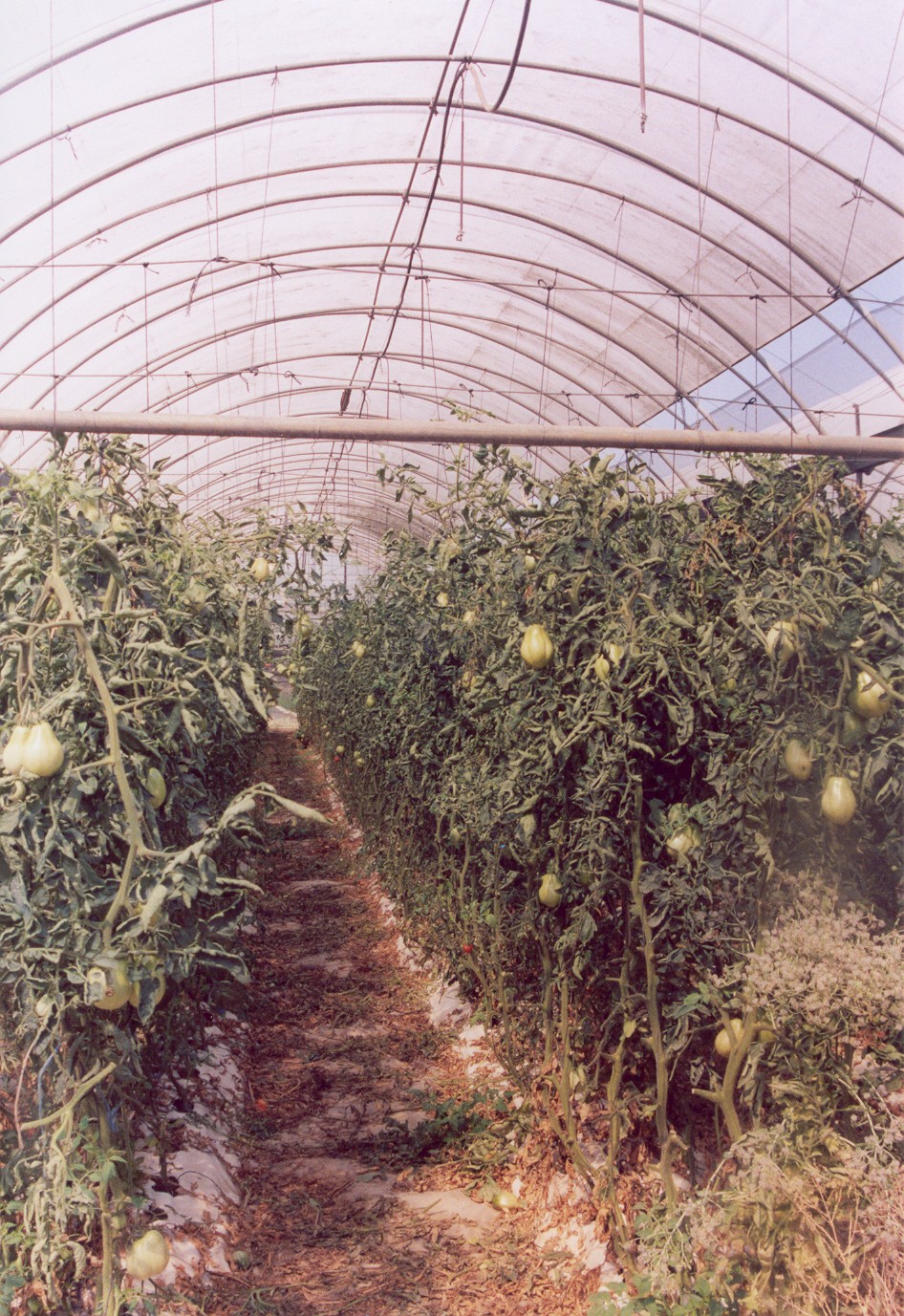
Poorly productive Cuore di Bue tomato crop affected by corky root rot of tomato.
After two months of using BioAksxter®, and following the improvements observed in treated plots compared with untreated ones, the farm asked AXS M31 to initiate a protocol to resolve the problem.
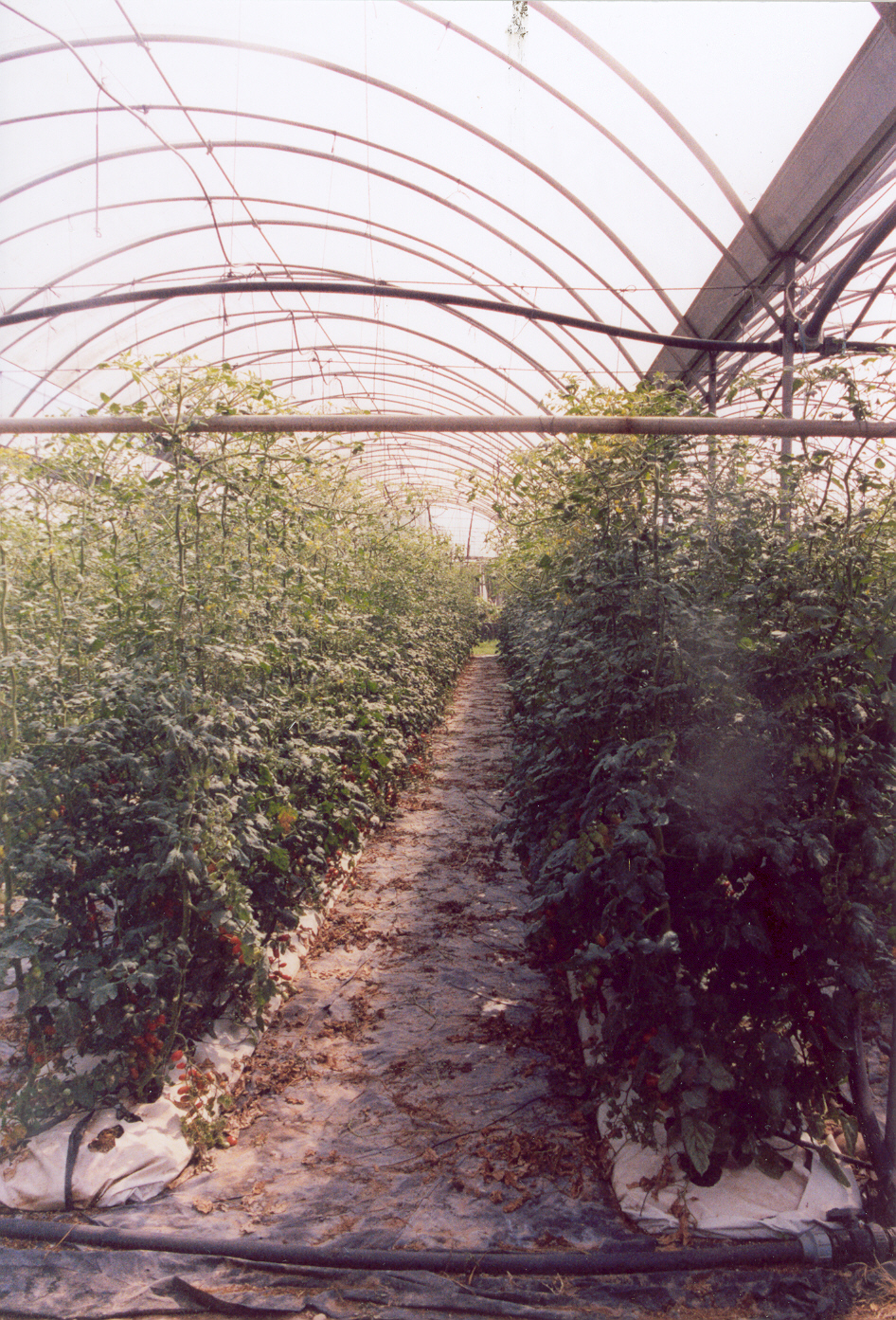
September 2005. Soilless Ciliegino tomato crop after three months of treatment with BioAksxter®. The treated plants (right) show greater vegetative vigour than the untreated plants (left).
Following the rapid identification of the causes, the problem was resolved, culminating in excellent results during the 2006 growing season: yields of round salad tomatoes increased by 27%, while Datterino and Cuore di Bue tomato yields increased by 20–25%.
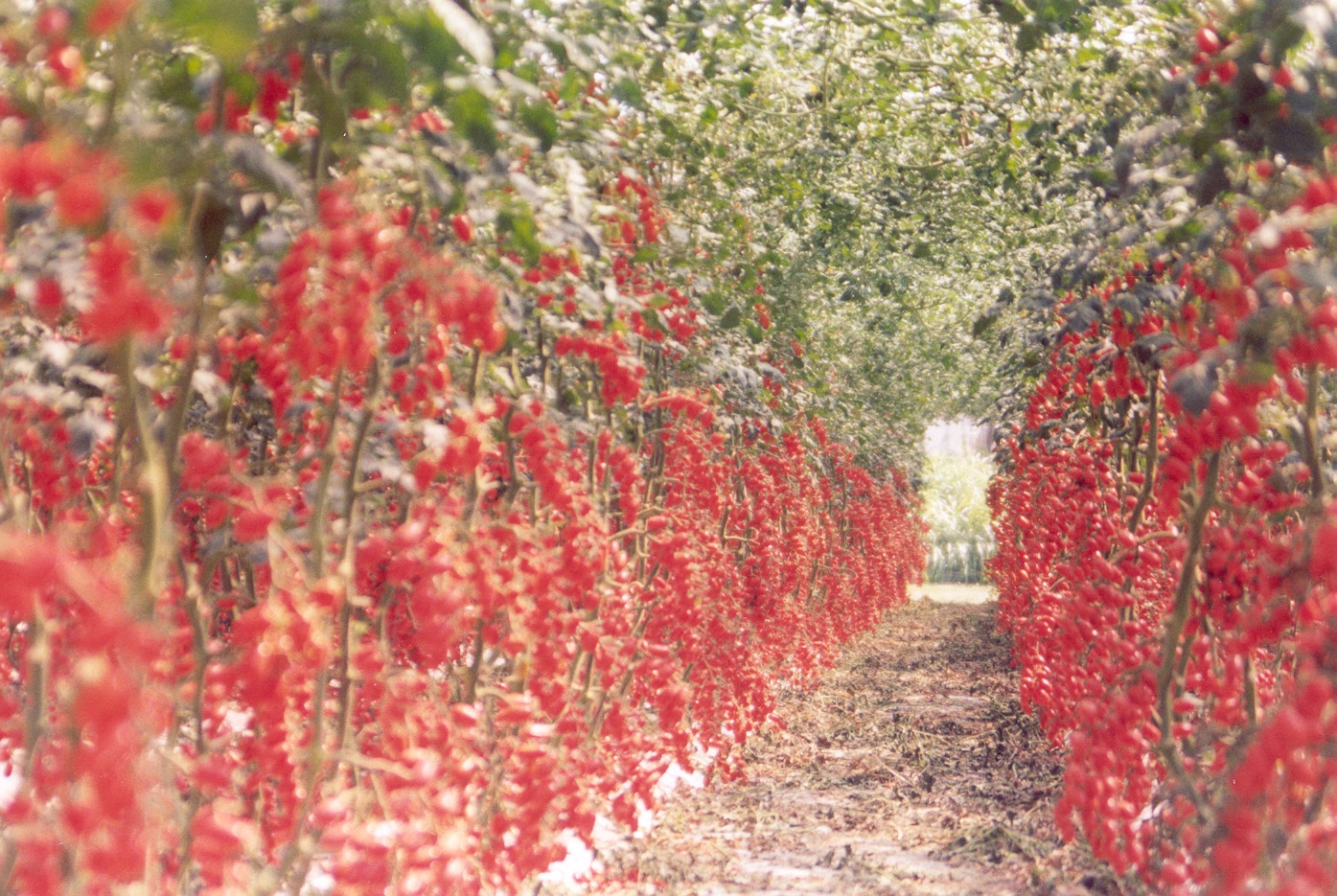
August 2006. Datterino tomato crop. After approximately one year of cultivation with BioAksxter®, yields had increased by 20–25%.
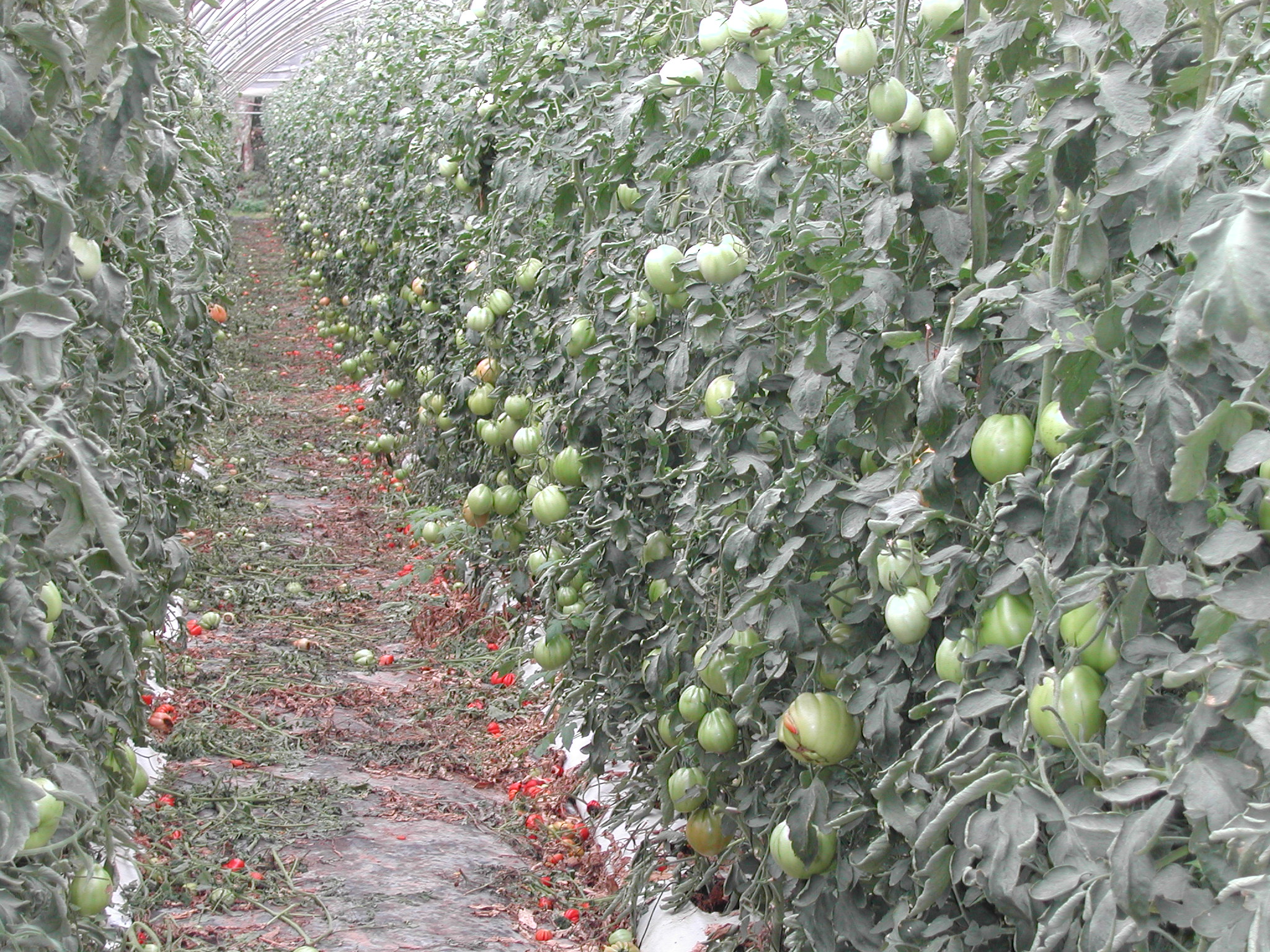
October 2006. Cuore di Bue tomato crop. After one year of cultivation with BioAksxter®, yields had increased by 20–25%, partly due to improved fruit set.
From 2007 onwards, results continued to improve, both because the growing substrate, which was no longer replaced, was progressively brought back into balance, and because the grower chose to use higher doses of BioAksxter® instead of other crop nutrition and protection products:
- Root rot and vegetative disorders no longer occurred, and some tomato plantings produced up to eight or nine fruit trusses.
- Increased resistance to climatic stress and temperature fluctuations helped the crops withstand the most critical conditions, preventing fruit-set failure and yield losses.
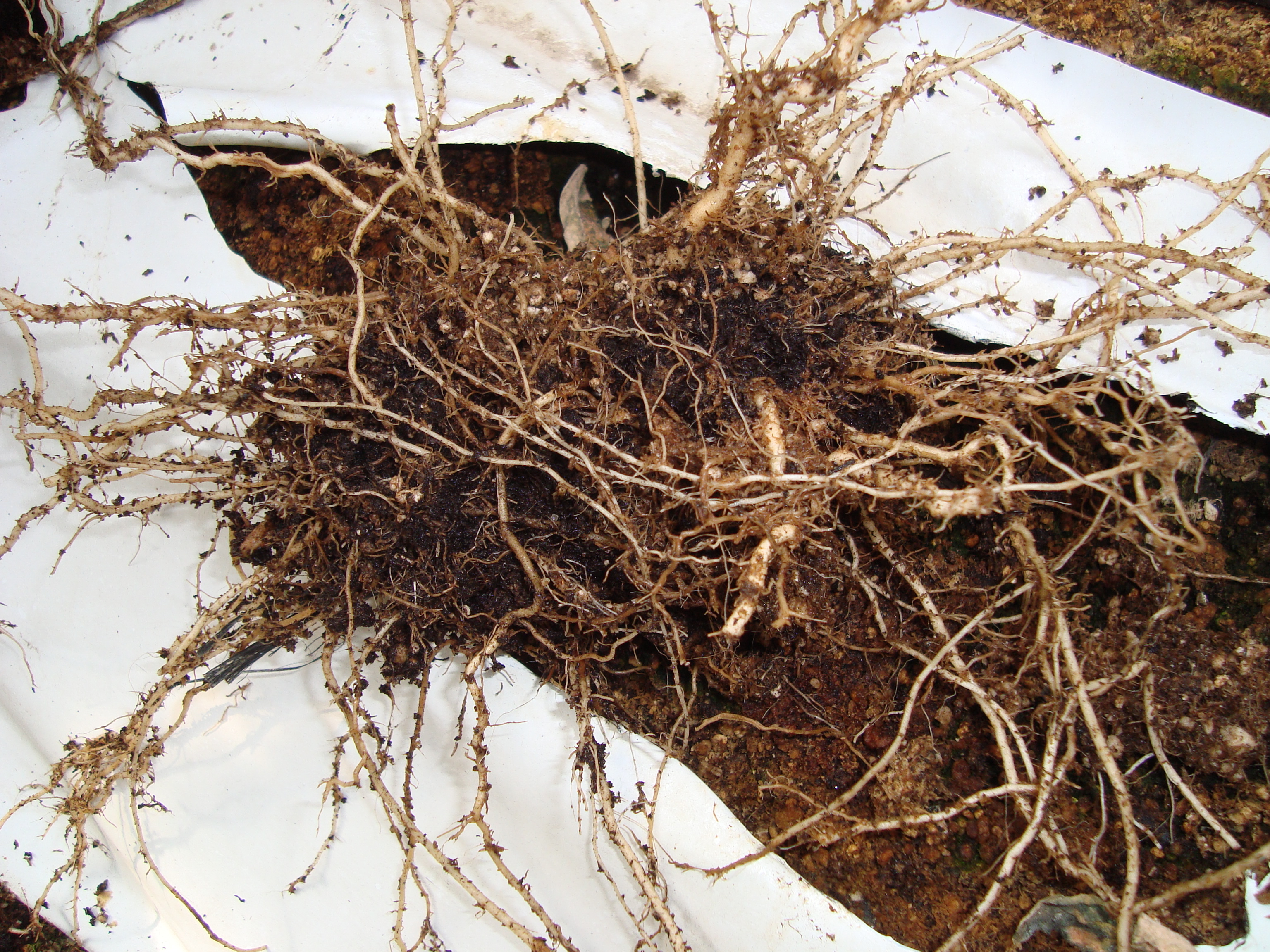
July 2008. Tomato root in the third year of cultivation with BioAksxter®, immune to corky root rot.
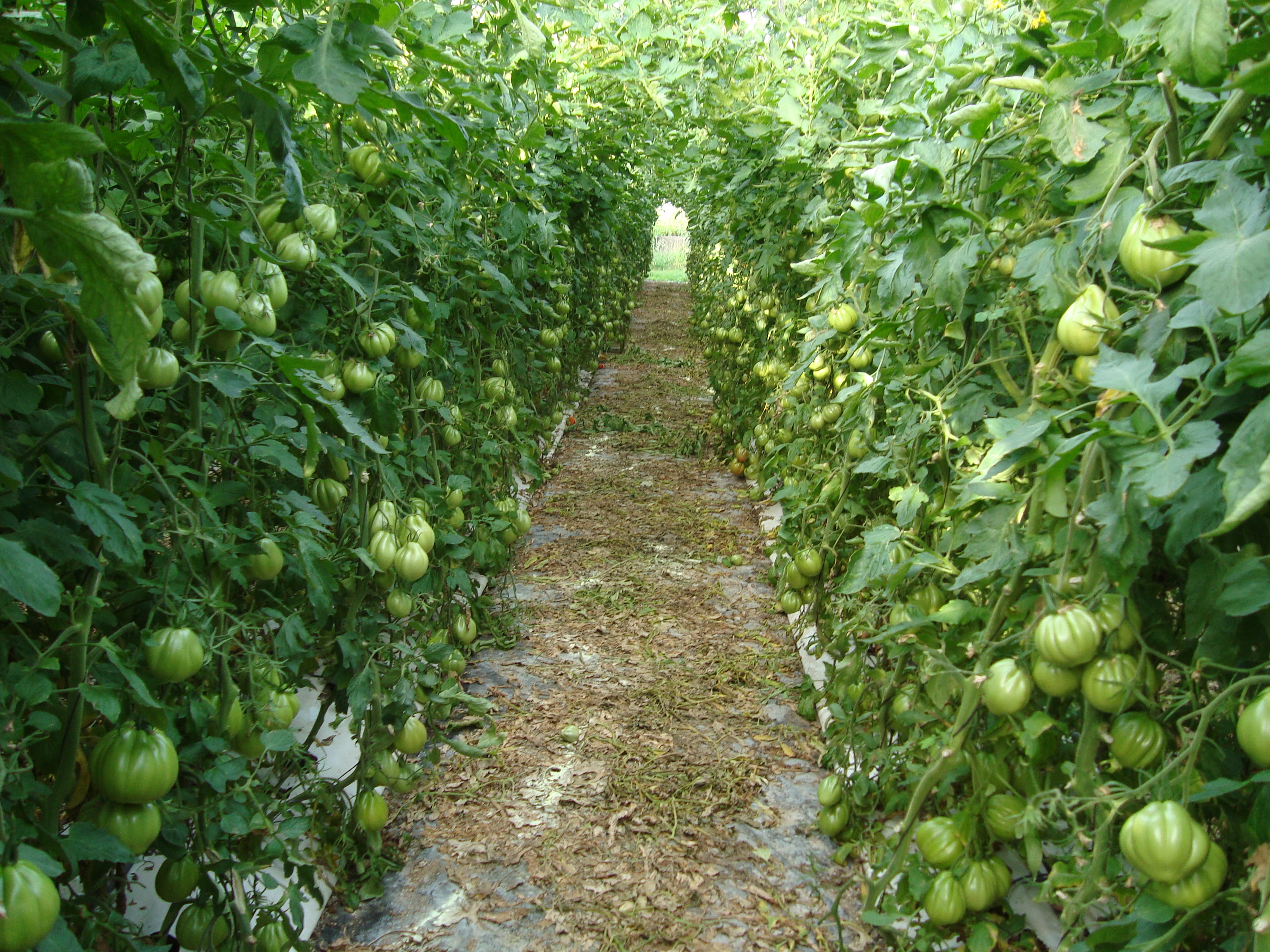
June 2008. Cuore di Bue tomato crop topped after the twelfth fruit truss, in its third year of cultivation with BioAksxter®.
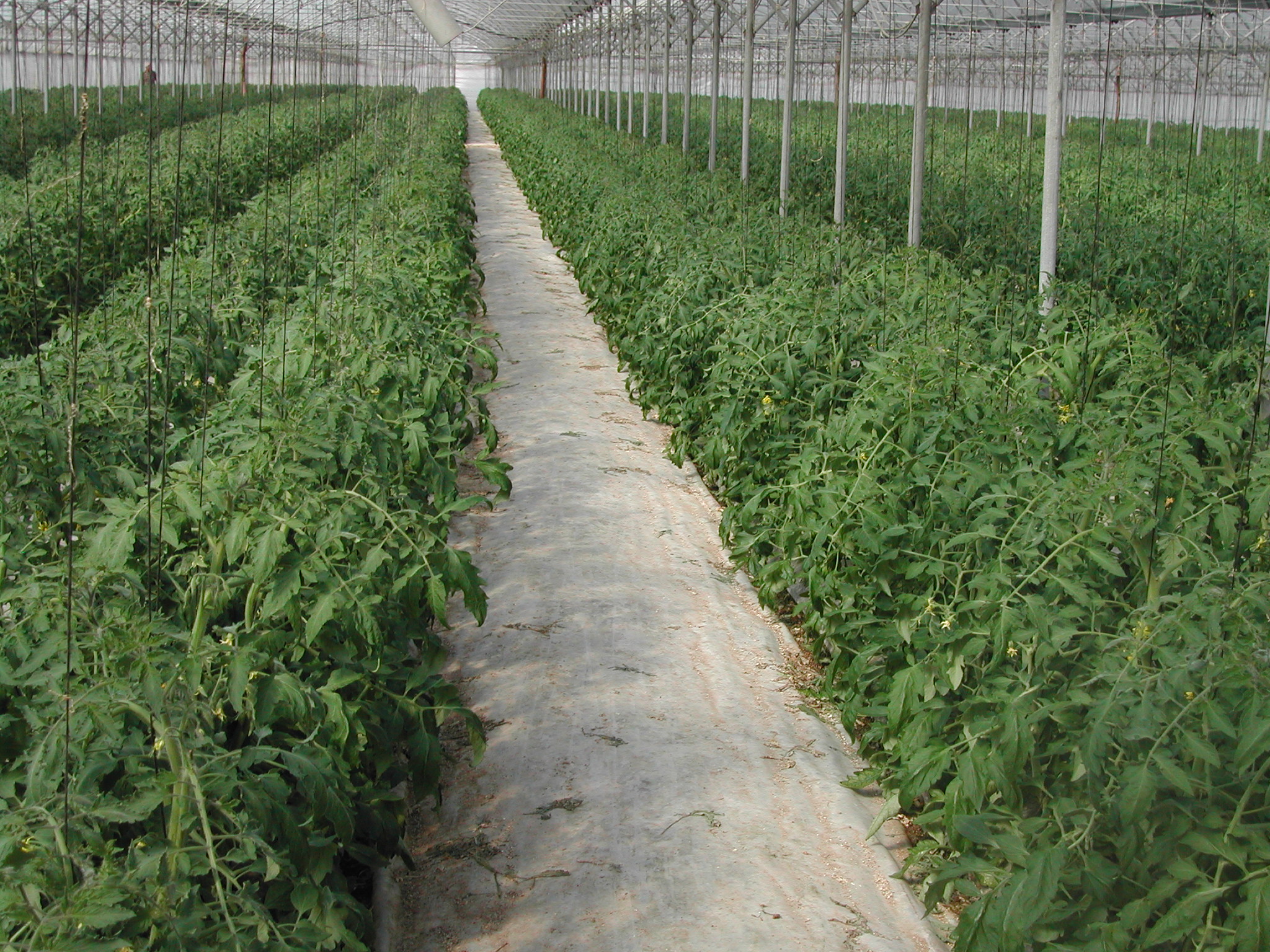
March 2008. Tomato crop grown with BioAksxter®, showing optimal vegetative growth despite sudden temperature fluctuations.
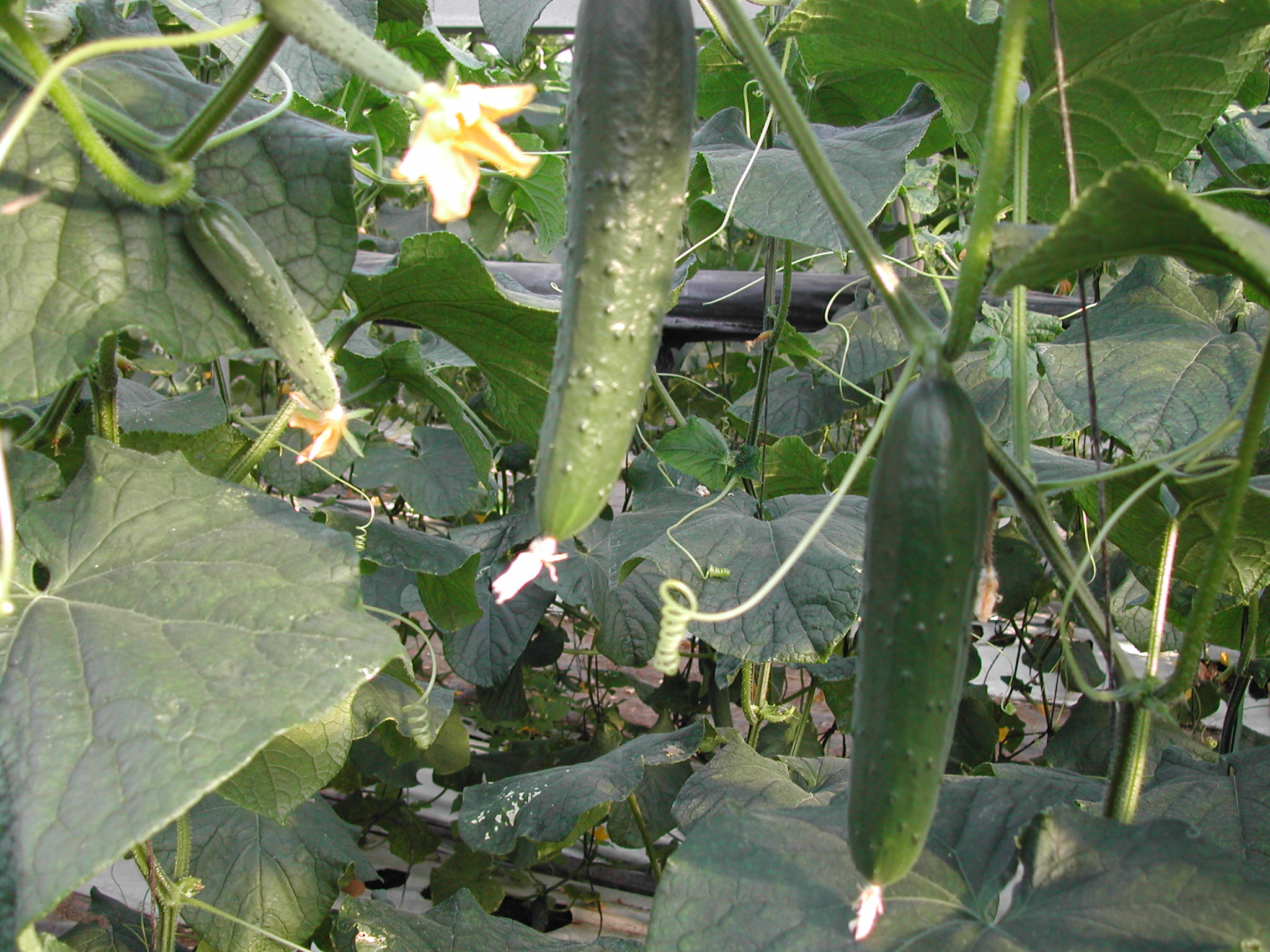
May 2009. Cucumber crop grown with BioAksxter®. Despite considerable temperature fluctuations, fruit set is high and the fruits have a regular shape.
- Balanced plant growth increased pollen production and improved fertilisation, resulting in larger and heavier fruits.
- Higher tissue hydration facilitated the removal of side shoots, reducing the time required and labour costs.
- Yields increased consistently and, in 2010, plots cultivated for two consecutive crop cycles produced 1,800 quintals per hectare.
- Improvements in quality, particularly flavour and storage life, placed the farm among the leading tomato producers supplying the Verona wholesale fruit and vegetable market.
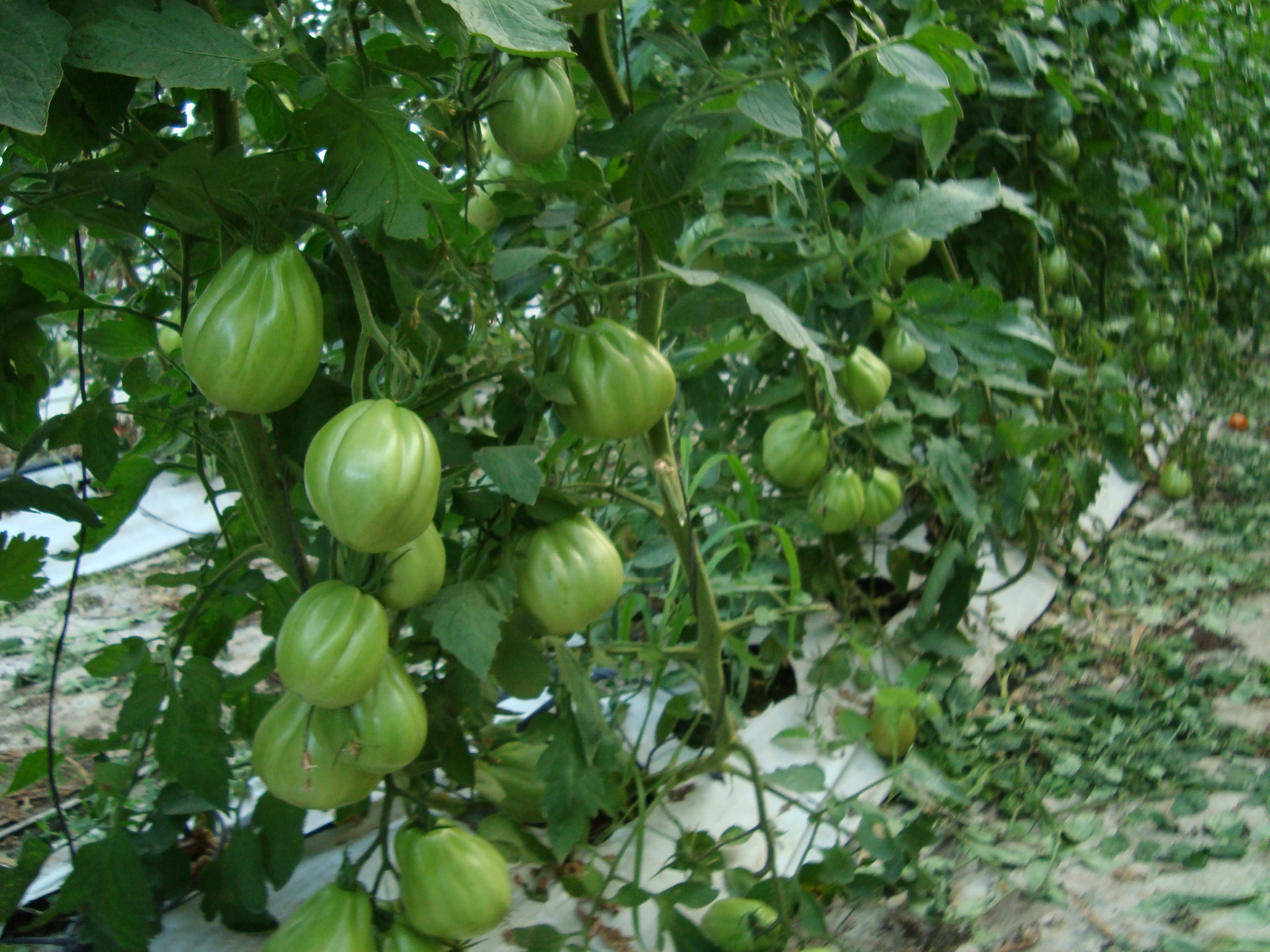
August 2009. Cuore di Bue tomato crop grown with BioAksxter®, characterised by large, uniformly sized fruits.
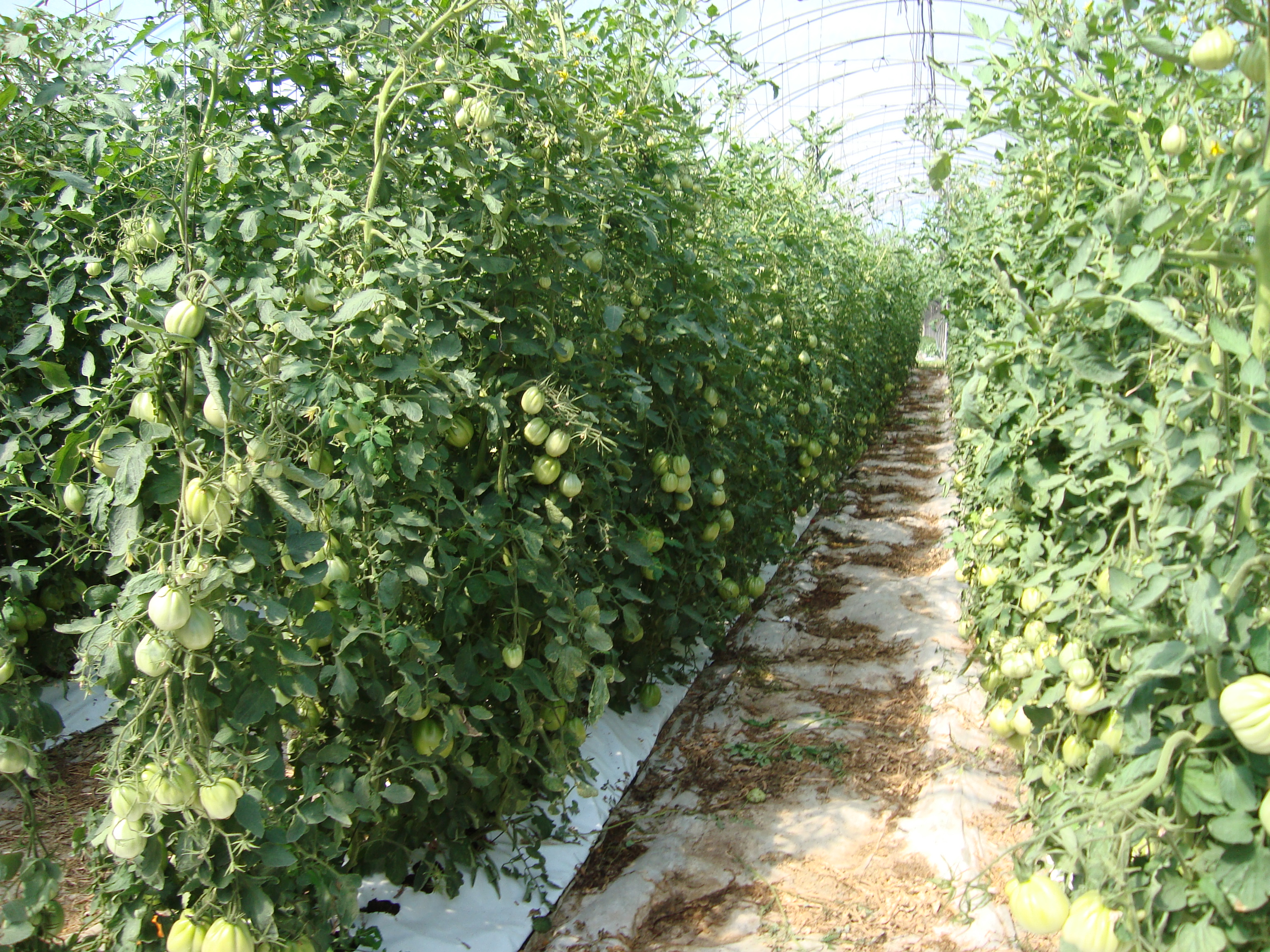
July 2009. Highly productive Cuore di Bue tomato crop grown with BioAksxter®.
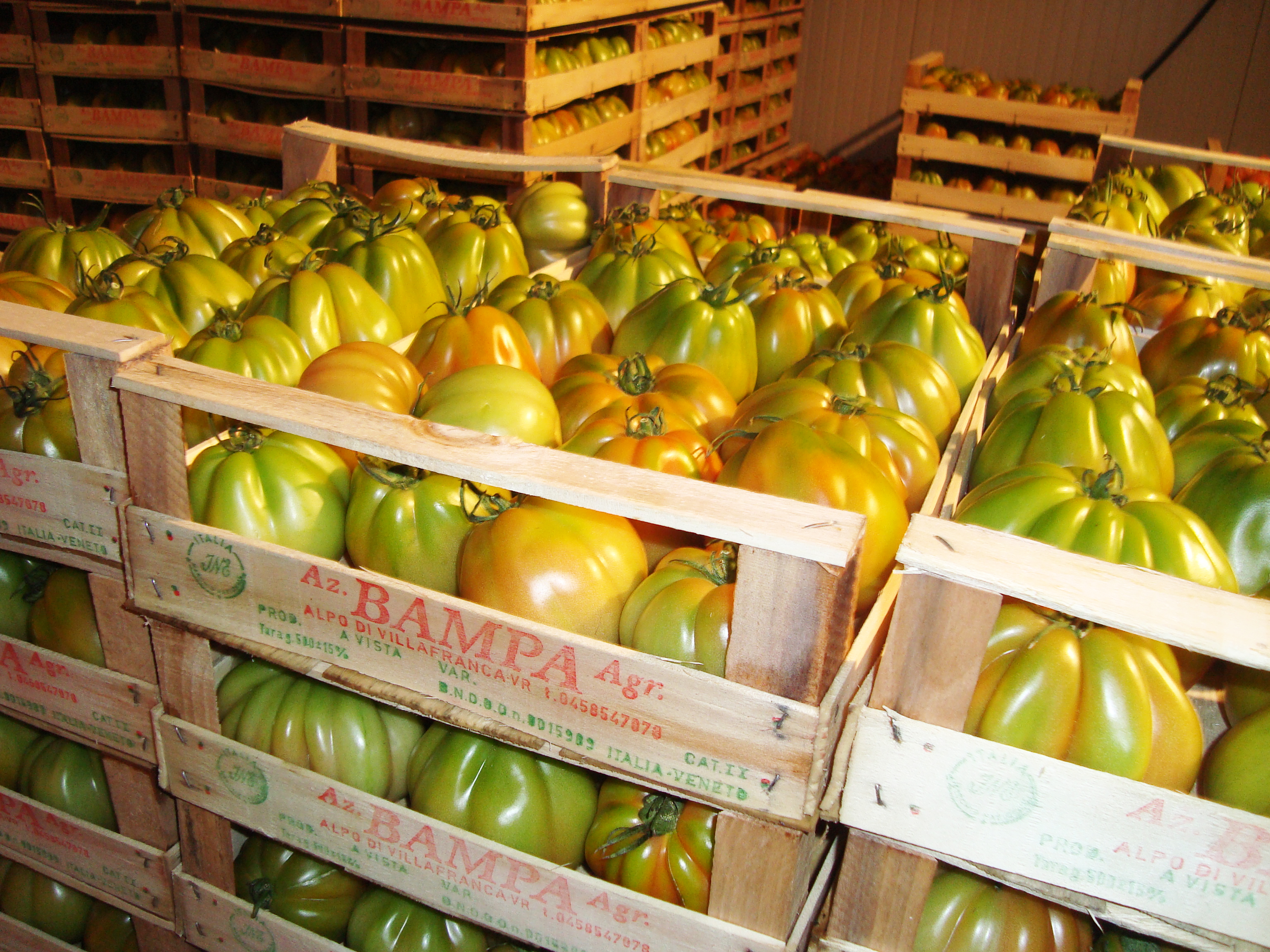
Tomatoes grown with BioAksxter®, ready for sale.
In view of the results achieved through continuous improvements over time, the grower stated that he would never give up using BioAksxter®.


