Evolution and transformation of plant diseases
Diseases are alterations in the life dynamics of living organisms.
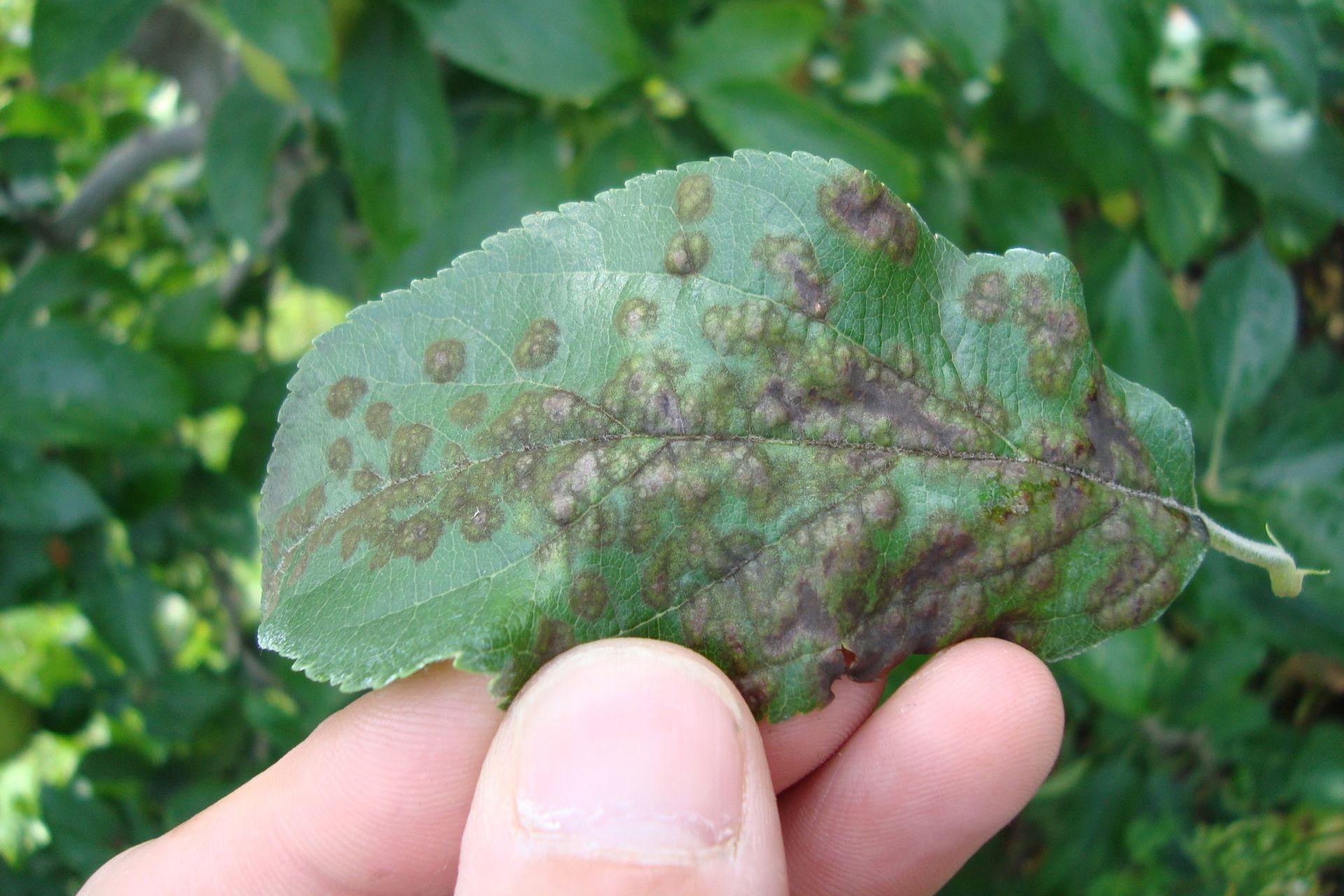
Like all diseases, plant diseases evolve and transform. They are dynamic and continuous processes that pathogens carry out in relation to the plants’ natural defenses and their genetics.
Diseases break in or gradually take hold, just like thieves who, in order to appropriate someone else’s property, must somehow break through their defenses. In the same way, pathogens mutate, adapting to new conditions. They appropriate and feed on the plant’s energy, transforming it for their own survival; they develop new variants capable of infecting plant varieties that were previously resistant; they form new combinations of pathogens; and they also become resistant to plant protection products.
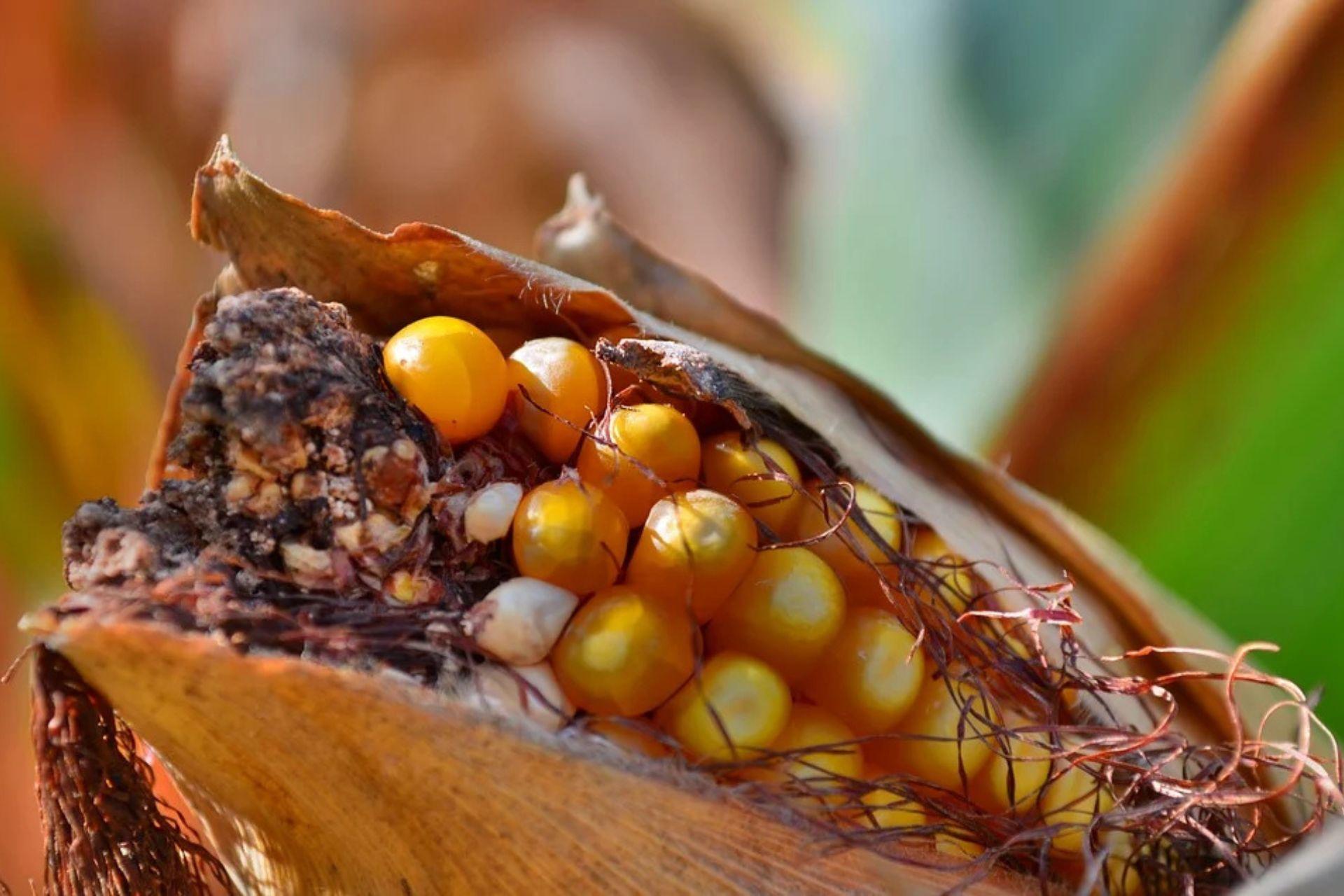
These diseases, caused by external agents (pathogens include bacteria, fungi, viruses, parasites, etc.), are classified as phytopathies. They differ from physiopathies, physiological alterations caused by environmental or nutritional stress.
The weakening of an organism exposes it to both, so phytopathies and physiopathies are often present at the same time.
Plant pathology: plant diseases and defense
Although defense and adaptation are considered evolutionary factors, agriculture cannot passively entrust the entire environment to the “thieves” of the moment.
Practicing agriculture requires a broad vision, from planetary life to interconnected phenomena, which must develop beyond an outdated, rigid cultivation method or agronomic prescription that is not open to a continuous process of adaptation. This is how scholars of plant pathology place the fate of plant health in the hands of so-called agronomic defense.
Do we really believe that this is how we come to know plants? The interaction between pathogenic agents and host plants, and the recognition of symptoms reified in the name of a disease, distance us from a profound knowledge of the plant being at the head of the food chain. Identification through a term is merely the transformation of a condition of distress into an identity. We believe that diagnosis is everything.
And this is why, with regard to scientific thought and, at the same time, the agricultural context, a rapid paradigm shift is necessary.
Plant diseases: the new paradigm of balance
As early as 2002, I presented BioAksxter® as a balancer for plants and soil, but no one understood what balancing meant; they did not understand the need for this action, and to them the product was merely a commercial threat. I received threats of various kinds. For years, I have spoken about new paradigms of Science, about vital energy programs expressed in flows of energy that pass through the living system.
Balance is a dynamic condition of life. It is the dynamic condition of the forces through which life expresses itself. Therefore, there is a tendency toward balance, while there is never a condition of static balance. In agriculture, the development and growth of plants, as well as the related agricultural practices, depend on a dynamic condition of balance in which reactions are reversible.
Balance as a dynamic condition of the agricultural context
To induce processes of self-control and resilience, insufficient practices and motivations are suggested:
- Crop rotation: because it prevents soil depletion and reduces pests and diseases.
- Cover crops: because they protect the soil from erosion and improve its structure.
- Organic composting: because it restores microbial life and nutrients to the soil.
- Biodiversity: because maintaining a variety of animal and plant species increases the stability of the agroecosystem.
Insufficient practices and motivations.
Luigi said: “Dynamic balance is achieved when production needs are integrated with the conservation of natural resources, avoiding forcing nature’s timing through overly intensive methods. This approach aims to reduce environmental impact and enhance natural resources.” That day, the young agronomist, proud of his sustainable management, proposed establishing some cover crops, convinced that he would improve the health and fertility of the soil between one maize cycle and the next.
All correct, except for the fact that it is not sufficient, whether said by Luigi or by anyone else. What agroecosystems need is the active principle of life.
The active principle of life that triggers the natural and spontaneous process of self-control and self-regulation of agroecosystems was brought to us by Alessandro Mendini. It is the cosmic energy that creates and moves life throughout the universe. The only resource capable of restoring balance.
When facts come before words: quorum sensing, proliferation, glaciation.
The self-regulation and proliferation of pathogens are dynamic and opposing processes that, in agriculture, determine the onset, duration, and outcome of infections in crops.
Pathogen proliferation follows the adhesion-colonization-expansion phases, favored by environmental conditions and nutrient availability, during which we observe their multiplication, either inside cells or extracellularly, and the production of toxins. The damage is proportional to the bacterial load, that is, to the quantity of microorganisms required to overcome the plant’s natural defenses. When the disease is particularly virulent, the pathogens’ capacity for self-regulation is determined by QS-Quorum sensing, namely by the threshold (quorum) within which bacteria “sense” that they can induce response phenomena capable of managing the infection, that is, phenomena contrary to immunity.
BioAksxter® activates in plants the ability to inhibit bacterial QS, that is, the ability to develop bacterial infections, through the transduction of signals from the Earth’s magnetic field to the plant. The plant is able to manage the infection and minimize damage by controlling pathogen proliferation and therefore immunity, supplying virgin microorganisms and promoting the growth of beneficial bacteria.
We therefore speak of an increase in the plant’s natural defenses. The activation of natural defenses results in thickening of the cell wall, production of enzymes in plants, phagocytosis, recovery, but above all in the strengthening of the magnetic field as an exchange of information between the Earth’s magnetic field and the plant’s halonar magnetic field, or programmatic field.
The interaction between pathogenic agents and plants is a language that is not only chemical, but above all magnetic. Nature possesses the capacity for self-regulation, which serves to prevent proliferation. In short, Nature does not tend toward infinite growth, but toward the maintenance of a dynamic balance. Self-regulation is a vital program that, as researcher A. Mendini explained, controls transformations through a program of resetting. However, if, for example, an uncontrolled proliferation of viruses or bacteria gets out of control, this program “jams,” all programs go haywire, and a return is no longer possible. This is what we are heading toward, because humanity is destroying the universe of life, and within this anthropogenic pressure that exceeds the limits of self-regulation, a plant and food catastrophe is taking shape.
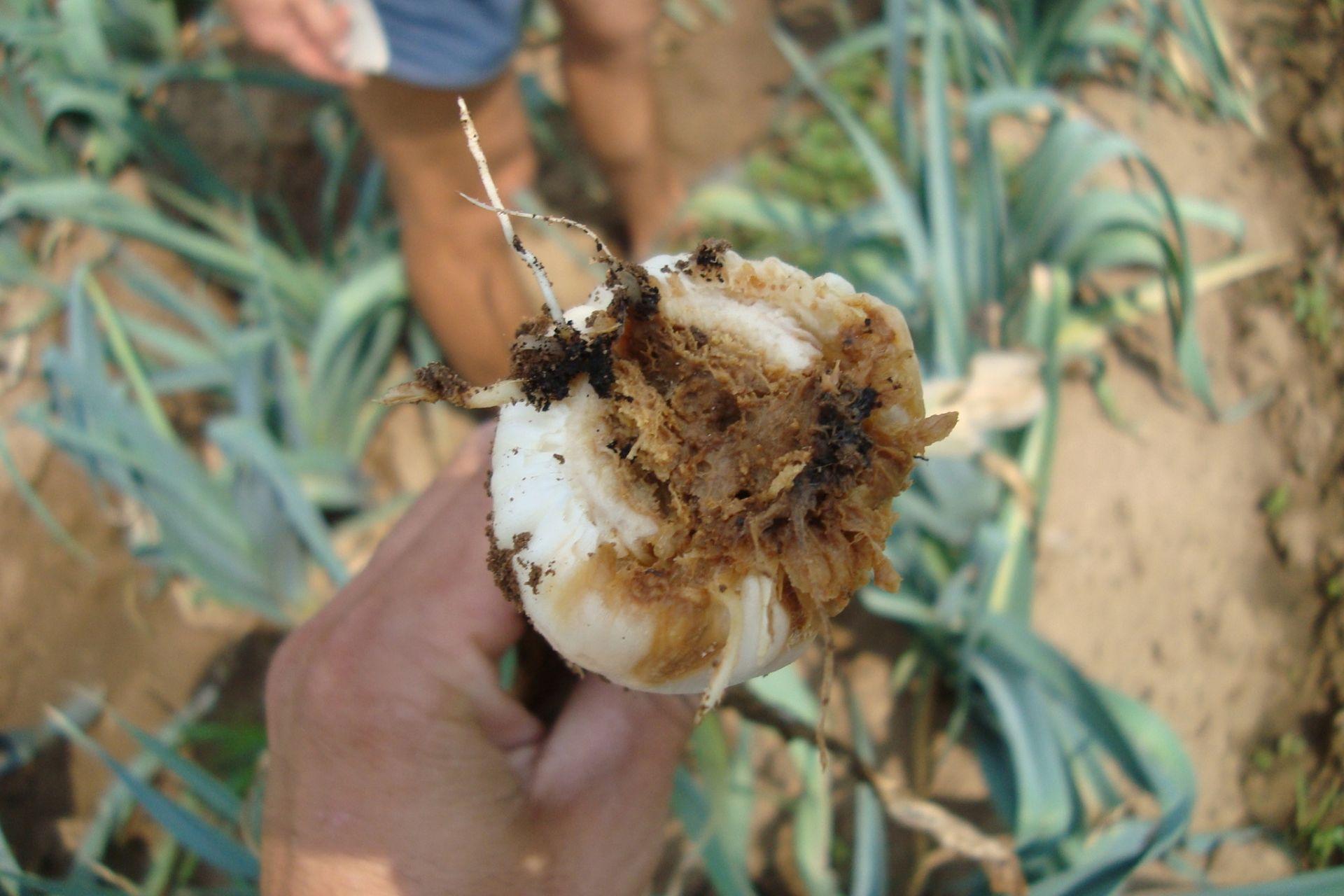
Targeted control and restoration strategies capable of acting on the plant’s primary program are necessary; therefore, BioAksxter®, the active principle of life, is necessary. Because once proliferation begins, there are no means of stopping it… from one day to the next, kilometers of crops collapse… goodbye agriculture, goodbye food. And this will not happen in ten thousand years. Within a few days, this phenomenon spreads throughout the world: it is the collapse of planetary life. Mother Nature, in order to defend herself and preserve life, acts through a colossal mechanism of self-regulation of the Earth’s climate system: she brings about a kind of glaciation. She freezes in order to stop proliferation, but this works against us. Only a band around the equator remains for 5,000/6,000 years, until the planetary poles restore circulation.
It is the consequence of “deprogramming,” a term not yet included in dictionaries but clear in indicating a process moving in the opposite direction to programming.
Plant diseases and the restoration of balance
A new alliance with the environment is needed. A new alliance with Nature is needed, as I wrote in 2023 in The Legacy of Monocultures.
The approach adopted by chemistry is the expression of a logic of power: plants are not defended, they are subjugated. Industrial agriculture uses the logic and the poisons of war, and farmers themselves have been conditioned by this logic. They feel powerful as they parade with their tractors, resembling tanks, against Mercosur. Mercosur is power against power; let us see what they leave behind on the field… destruction, not construction. Plants have nothing whatsoever to do with it, while the environment is subjected to further pollution.
Food is not simply a matter of nourishment.
The choice is between adhering to a corrupt system, praying to “Saint Resilience,” or allying ourselves with Nature. The choice is between carrying on as we are and restoring balance within the food chain.
Plant diseases affect human health
Why are we humans so often concerned with naming plant diseases, as if phytopathological logic could solve one plant disease or another, or rather that “unease” which the English language itself indicates so clearly in the etymology of the term disease/unease (that is, illness and discomfort)?
Do we really believe that this helps us understand our plants better? Identification through a term - that is, the transformation of unease into an identity, and therefore diagnosis - is an assessment foreign to the plant world, whose sensitive dimension expresses itself differently. When we are able to bring our sphere of knowledge into harmony with the plant world, with which we are directly interdependent - that is, when we are truly aware that plants are the planetary evolutionary engine - then we will breathe at the same rhythm as the Earth, the rhythm expressed by its magnetic field.
Then, the state of suffering of plants - today recognized in the degree of incidence or pressure of pathogenic agents and environmental conditions, but also in the abuses inflicted by modern humanity through the massive use of plant protection products and genetic innovation aimed at limiting production losses - will no longer be the mirror of human-nature interference and of changes in environmental conditions. And food security will become an achievement.
The question is: “Now, in that mirror, what will we be able to discern that directly concerns our own health?”
We have always been told, “pathogens that infect plants cannot infect people,” at least until surprising connections were identified between the plant world and the development of animal and human diseases, such as molecular interactions between plant pathogens and human and animal hosts; until foodborne diseases proved to be uncontrollable, such as the increase in gastroenteritis in humans; and while epidemics continue to have lasting impacts, even as health guidelines reassure us and other scientists develop new antibiotics and drugs.
Pathogens and diseases that pass from plants to humans
We already know that plant pathogens negatively affect human health by reducing crop quality, as expressed in the organoleptic value (taste, smell, color, texture) and nutritional value of agricultural products.
However, this is only the beginning. What follows is:
- pathogens of plant diseases (phytopathogens) can cause disease in humans, especially in individuals whose immune system is compromised. For example, fungi such as Fusarium or Alternaria.
- Plants can become reservoirs of human pathogens, acting as passive biological vectors. For example, Salmonella or Escherichia coli bacteria do not merely colonize leaf tissues, fruit, and vegetables. It has been found that pathogens act across different biological kingdoms, overcoming their barriers as a survival strategy.
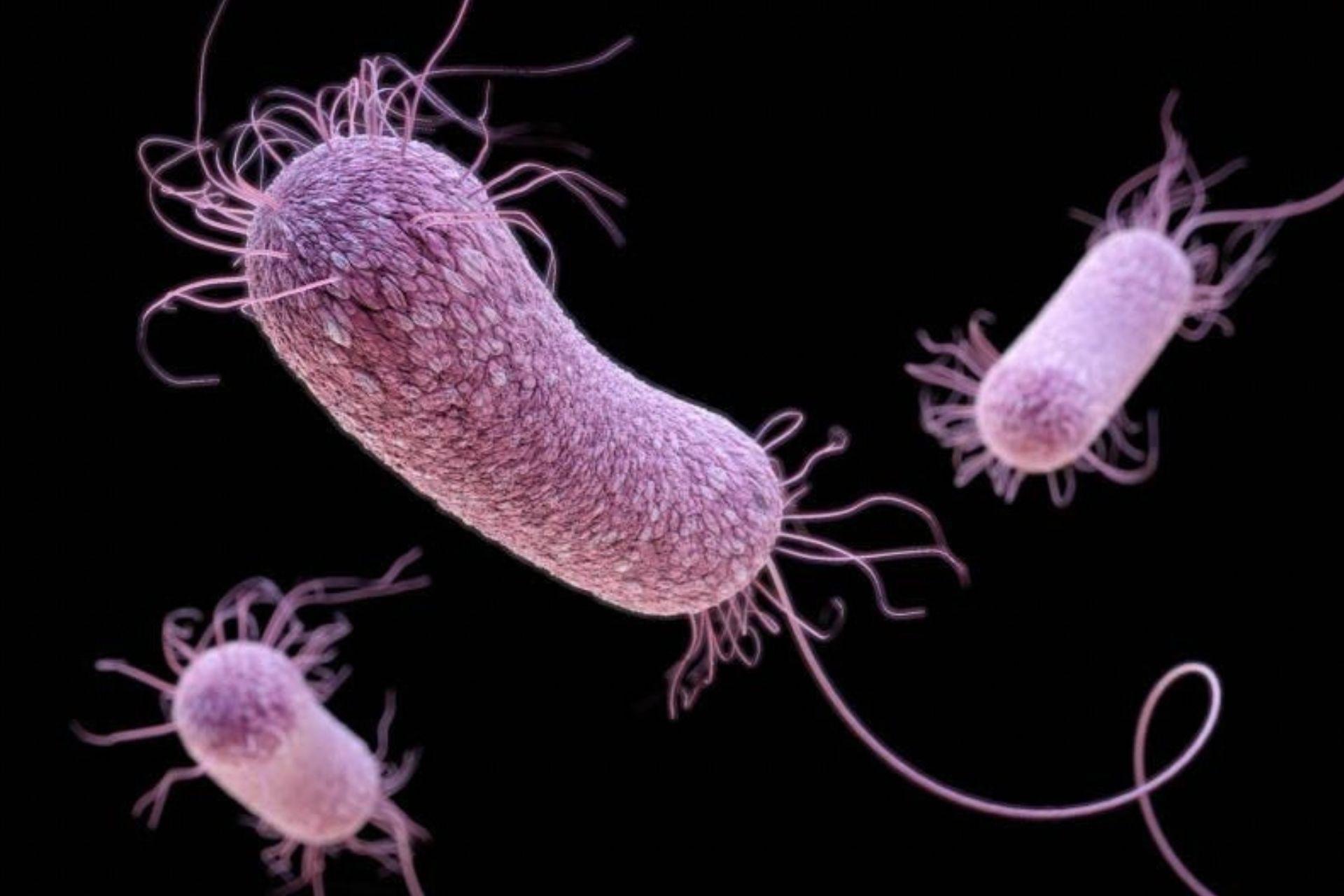
Pathogens that make a kingdom jump from plants to humans are defined as opportunistic organisms or cross-kingdom pathogens. Cross-kingdom infection occurs when a pathogen crosses biological barriers between completely different taxonomic domains or kingdoms: in this specific case, it occurs when a pathogen that normally lives and replicates on plants succeeds in infecting and causing disease in a human or an animal (a passage from the kingdom Plantae to the kingdom Animalia).
Typical examples of this passage/jump are:
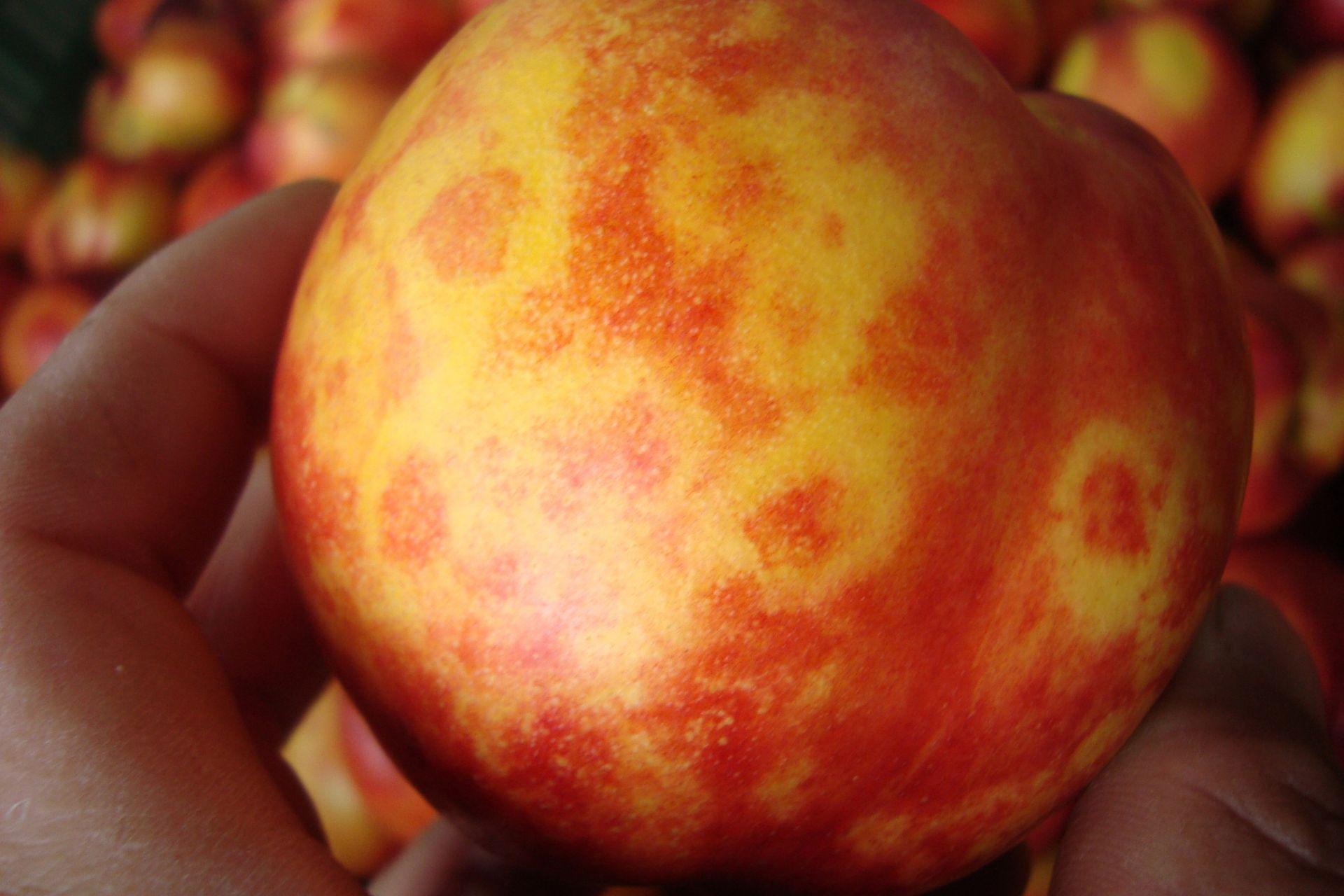
- the fungus Chondrostereum purpureum, a parasite known to cause silver leaf disease, which mainly affects peach and apricot trees;
- the bacterium Pseudomonas aeruginosa, the causal agent of bacterial blight on lettuce;
- the plant pathogen Botrytis cinerea, known to infect a large number of fruits and vegetables, causing grey mold disease;
- aflatoxins (e.g. Aspergillus flavus), mycotoxins produced by pathogenic fungi on the infected host (for example, cereals and peanuts), which in turn produce highly carcinogenic metabolites, causing severe hepatic intoxication or cancer;
- Salmonella enterica, which causes diseases associated with fresh produce, spices, and nuts. It is a bacterium that can pass from the cultivated environment to the plant through soil, water, and organic fertilizers themselves, in which, unfortunately, a certain number of fecal bacteria is permitted;
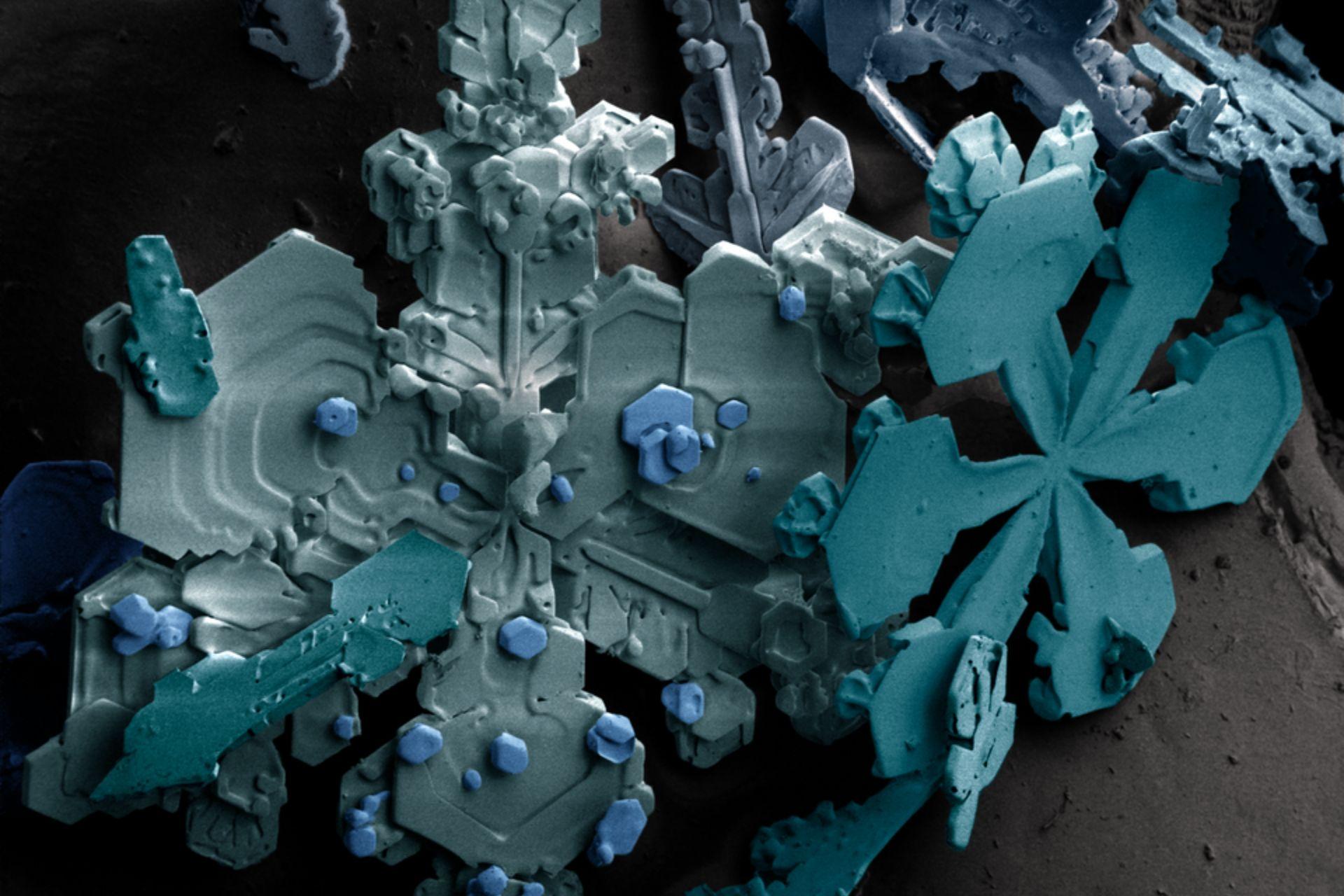
- bacterial canker (Pseudomonas syringae), which, in addition to attacking kiwifruit, apricot, cherry, peach, and plum trees, is capable of producing proteins that cause ice nucleation at the atmospheric level. More specifically, the variant found on tomato is capable of coming into direct contact with animal or human immune cells, disrupting their defense mechanisms.
This “kingdom jump” has been interpreted as a potential for adaptation to the environment in which pathogens live, as a level of molecular evolution, and as a capacity for recombination. I would add: as a consequence of the energetic weakening of plants.
The energy deficit of plants, in fact, is mainly due to the transformation of contaminating molecules, since plants perform an environmental purification function. When the energy levels required for the transformation of the pathogen on the magnetic side are insufficient, the pathogenesis of the disease appears as an attempt to remain alive for longer, a kind of pre-death phase, a compromise between life and death, a survival strategy. This is precisely the condition of plants that are treated, or rather kept alive, chemically. Plants have more and more work to do and less and less energy. If the plant does not have sufficient energy, it allows pathogens/bacteria and toxic molecules to pass through: it does not filter, it does not “sweep,” and it becomes ill, that is, it does not complete the transformation cycle of contaminating molecules, which therefore remain as a burden on cellular structures.
I therefore cite the lack of energy in the plant, rendered powerless in the purification process, among the causes of its diseases, emphasizing the mechanisms of toxicity determined by the accumulation of pesticide residues (plant protection products, insecticides, and herbicides, as well as other chemical substances) in the plant and in the related fruit and vegetable products. Even when each individual substance/active ingredient is below legal limits or is justified by responsible use, the cocktail effect resulting from the use of multiple molecules during the cultivation period, combined with environmental pollutants, weighs on the human organism by altering the hormonal system, affecting fertility and tissue development, causing damage to the intestinal microbiota (constant residues in the diet attack beneficial intestinal bacteria, weakening immune defenses), delays in cognitive development, the development of neurodegenerative diseases, etc.
Eliminating pesticide residues through washing is useless and ineffective.
In short, we must not forget that:
- the plant is the primary element for every organism;
- everything reaches us, the devourers at the end of the food chain;
- human beings themselves, as omnivores, create new diseases through their lifestyles;
- despite the greater awareness and preventive measures adopted by producers and processors, the risk of microbial contamination and the risk of acquiring infections and diseases from fruit and vegetable products remain high and persistent;
- despite the human effort devoted to studies on species jumps (spillover and cross-kingdom), pathogens do not care about our classifications and our systems of order.
This is why the use of BioAksxter®, the natural reprogrammer of primary genetics, is fundamental.
And I conclude in this way, with this “Voice of the People,” since the opinion of ordinary people, too, is often to be considered true or right.
Vox populi
In the middle of the Ferragosto holiday, the two women, looking out over the Gulf of Capri, told each other about their terrifying experiences between one bite and the next.
- The agricultural product certifier told him, “We reject half of the produce… but don’t eat what you find on the market…”
- Toxic? — the other woman asked.
- There is also the whole certification racket — she replied in a low voice, pronouncing the words slowly, almost as if they were trapped in her throat.
- Holy Mother, where are we going to end up!
- In hospital… by now agriculture is a garbage dump.
- My mother-in-law has been diagnosed with cancer. Just think, when they told her, feeling completely crushed, she said, “To me, it’s what we eat.”
Her son has allergies, her granddaughter has celiac disease, her sister ended up in the emergency room with salmonella — she added, sighing and making the horns gesture under the table.
- But what do you think? — the first woman went on. — There are hundreds of kinds of infections and diseases caused by contaminated food. Just think, in our ward we have a patient hospitalized with inflammatory bowel disease, and in the bed next to him there is a farmer with a suspected occupational disease:
chemical treatments from morning till night… and the other one eats his produce. They’ve become friends! If only they knew…
- But why, can plant diseases pass to humans?
- The diseases themselves no, but the pathogens can. Bacteria, parasites, viruses… you have no idea how many there are: silent armies, invisible armies.
- As far as I’m concerned, plant diseases pass to humans. If they can pass from animals to humans, why not from plants to humans?
- Ah, my dear, but you’re talking about a species jump! Spillover…
- Well, my son does the high jump, my daughter does the long jump, I’m jumping around from morning till night — what kind of species are we, you tell me.
- A species jump occurs when an animal pathogen becomes capable of infecting human cells, thereby jumping from the animal species to the human species. Viruses, for example, can mutate and transmit their genes by infecting and replicating in our cells as a result of human manipulation of Nature (pollution, alteration of ecosystems, genetic manipulation, etc.).
- Hey, there are too many of us, and everyone eats and shits! Thank you, agriculture, with your growers, certifiers and… plague-spreaders.