Flavio, greenhouse and open-field melon grower
Gardini Flavio Farm, Viadana (Mantua, Italy)
A farm specialising in greenhouse and open-field melon production for domestic and international markets.
The farm began using BioAksxter® in February 2008 on greenhouse crops, with the aim of reducing soil fatigue. In soils that had been cultivated with melons for 10 years, reduced fruit keeping quality, a high rejection rate due to fruit cracking, poor quality during the final harvests and a 20% production loss caused by plant collapse had been observed.
In October 2008, the use of BioAksxter® was extended to open-field melon and wheat crops, with the aim of reducing fungal disease incidence (particularly melon downy mildew) and damage caused by climatic stress, increasing yields and quality, and above all improving and maintaining soil fertility.
After 6–8 months of using BioAksxter®, remarkable results were achieved across all crops. In open-field cultivation, in addition to increased yields, high resistance to melon downy mildew was observed, allowing the harvesting cycle to be completed.
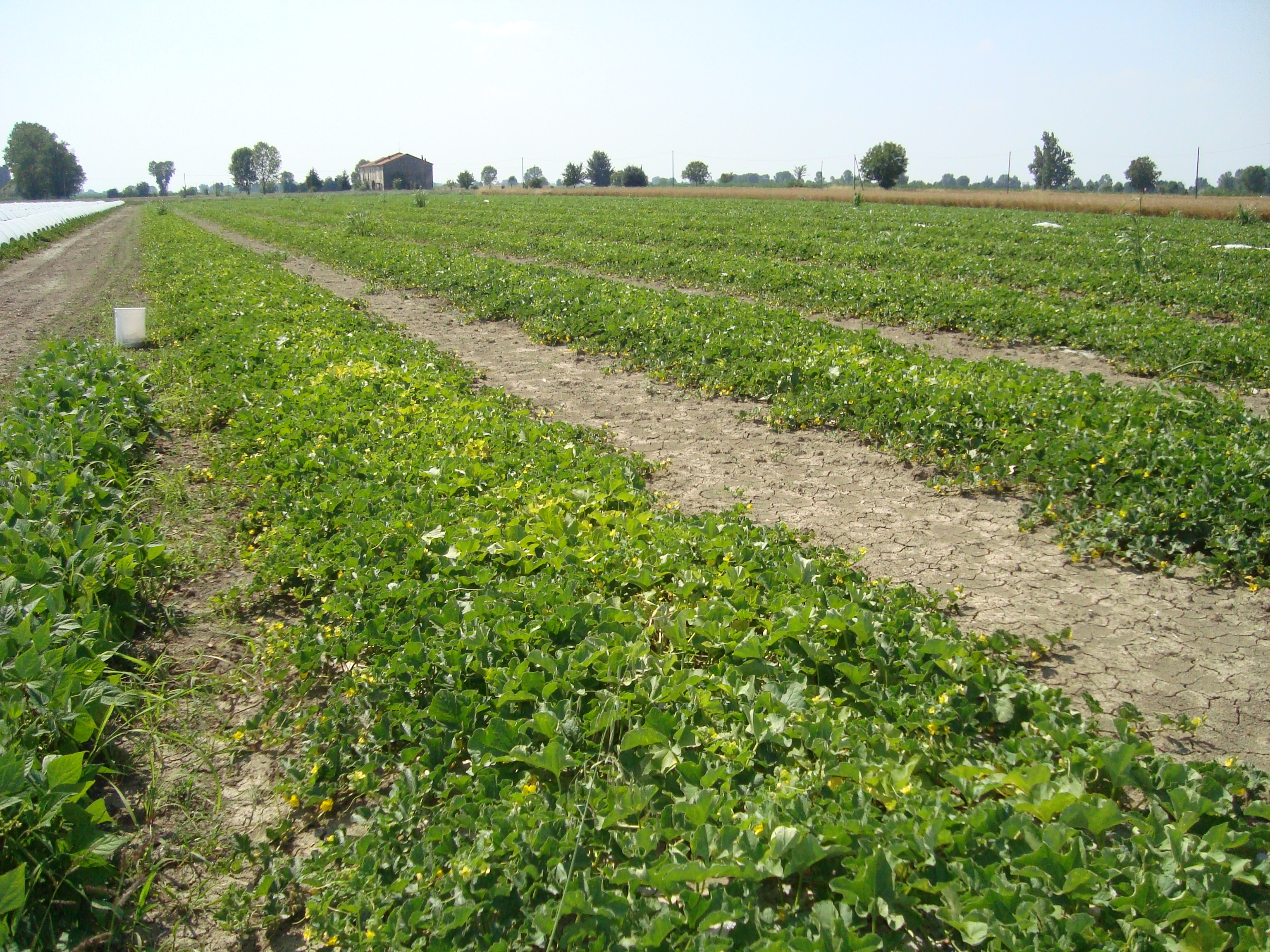
2008. Untreated open-field melon crop severely affected by downy mildew.
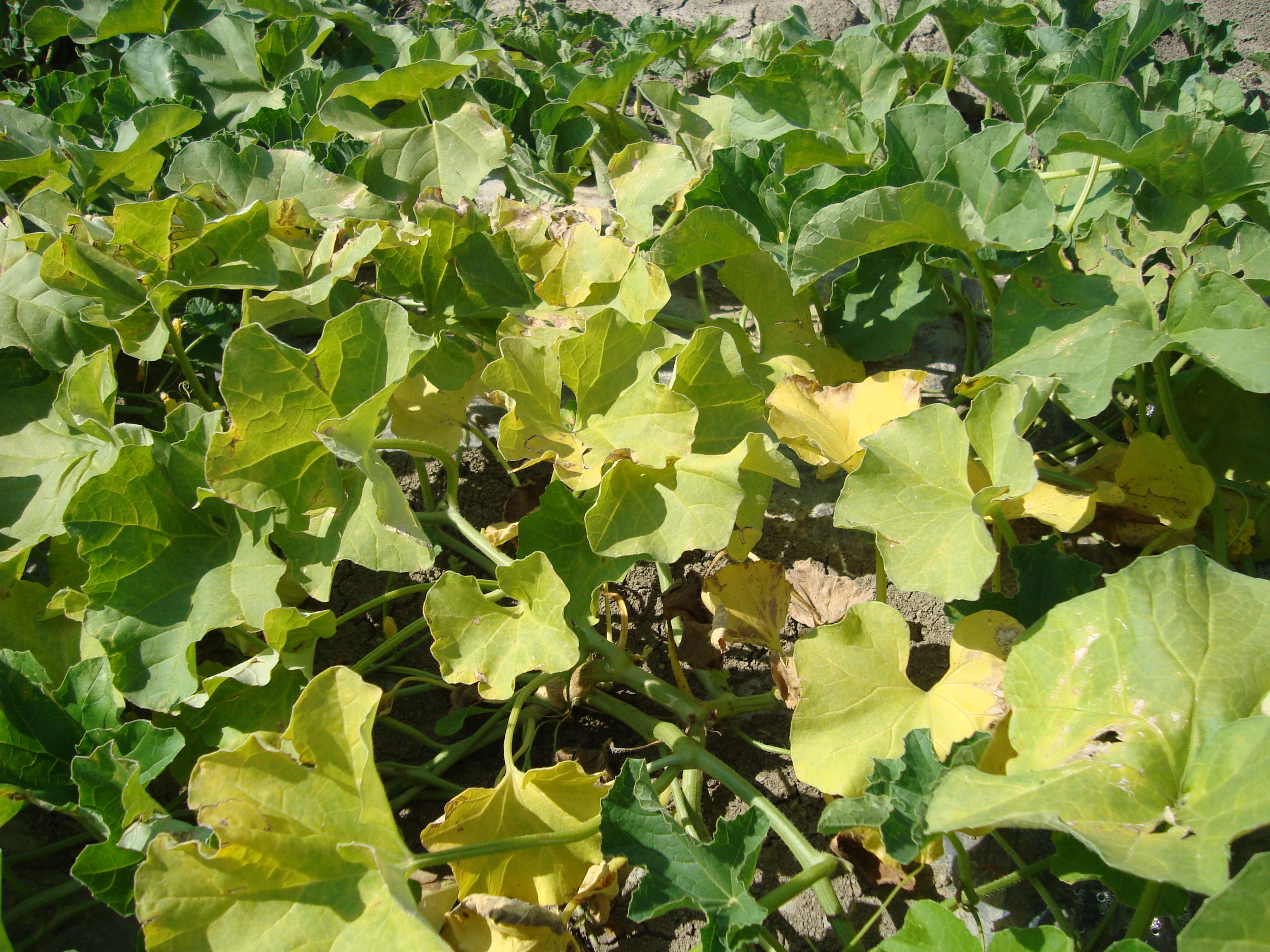
2008. Untreated open-field melon plant severely affected by downy mildew.
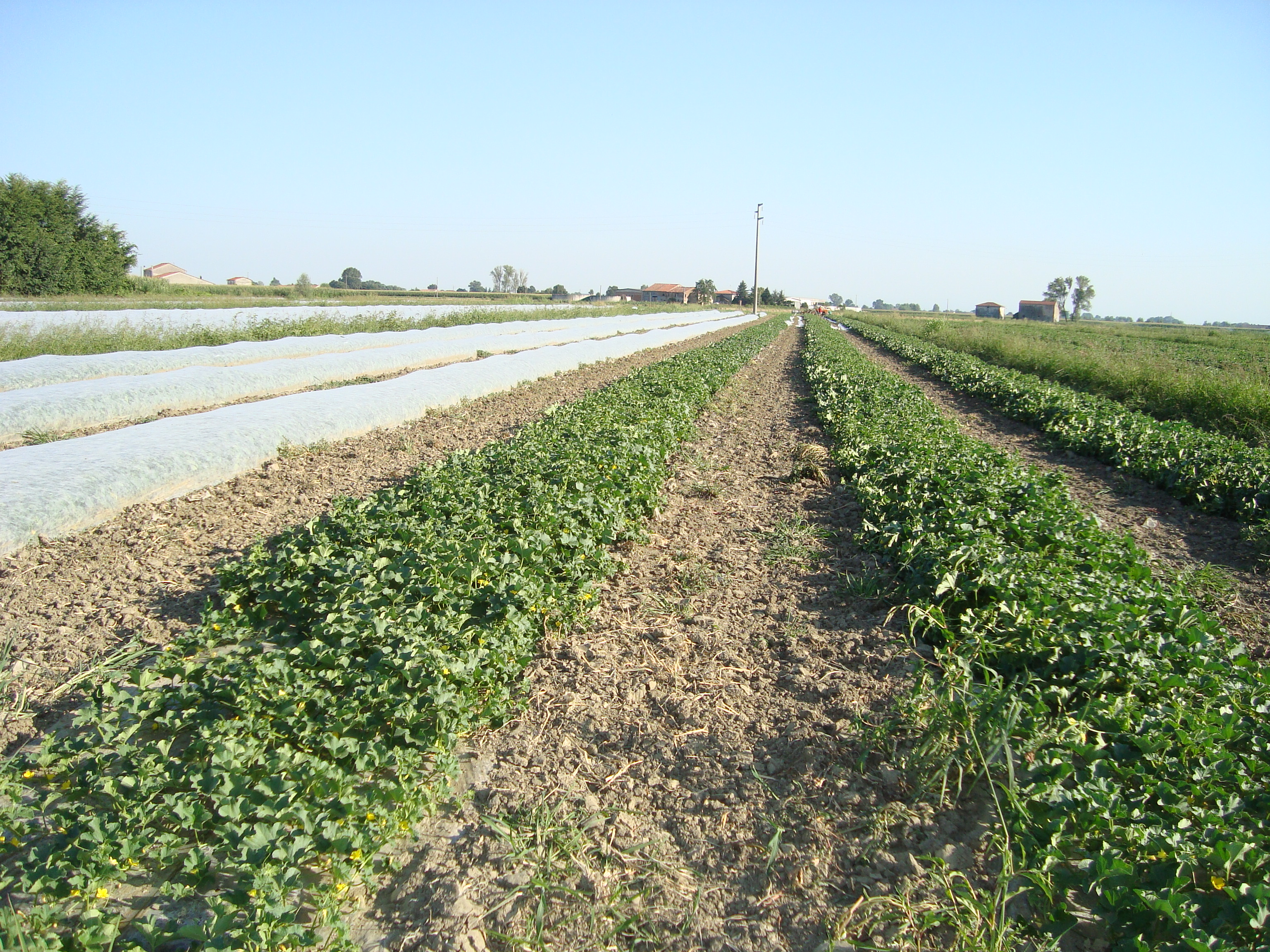
2008. Open-field melon crop during the first year of cultivation with BioAksxter®, immune to downy mildew.
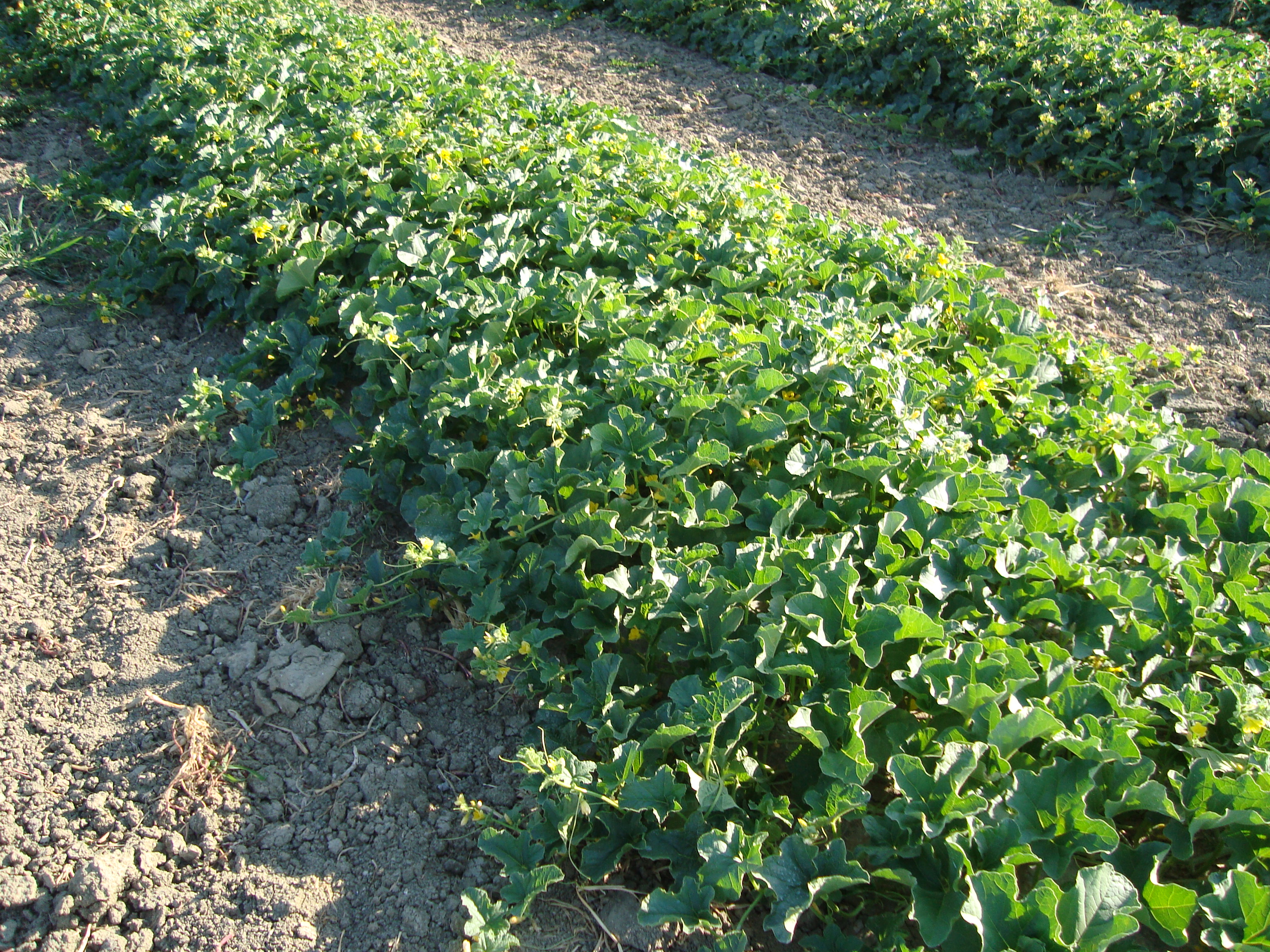
2008. Open-field melon plant during the first year of cultivation with BioAksxter®, immune to downy mildew.
In greenhouse melon crops, fruit set was uniform, with no fruit cracking or plant collapse. The harvesting period was extended, allowing all fruits to be harvested, while sugar content remained high throughout the production cycle. Average greenhouse melon yields reached 10 kg per plant.
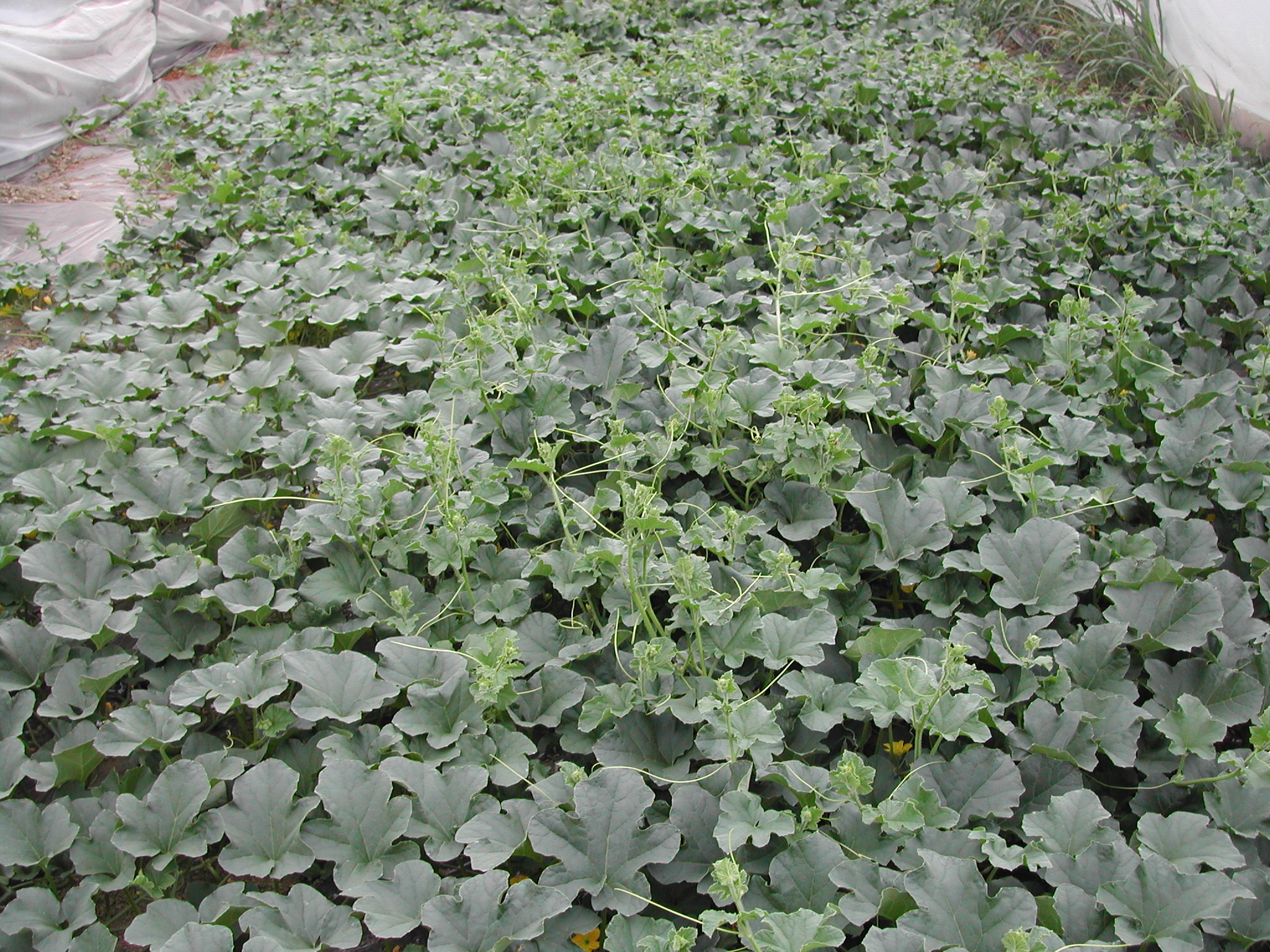
May 2008. Greenhouse melon crop grown on soil affected by fatigue, after three months of treatment with BioAksxter®.
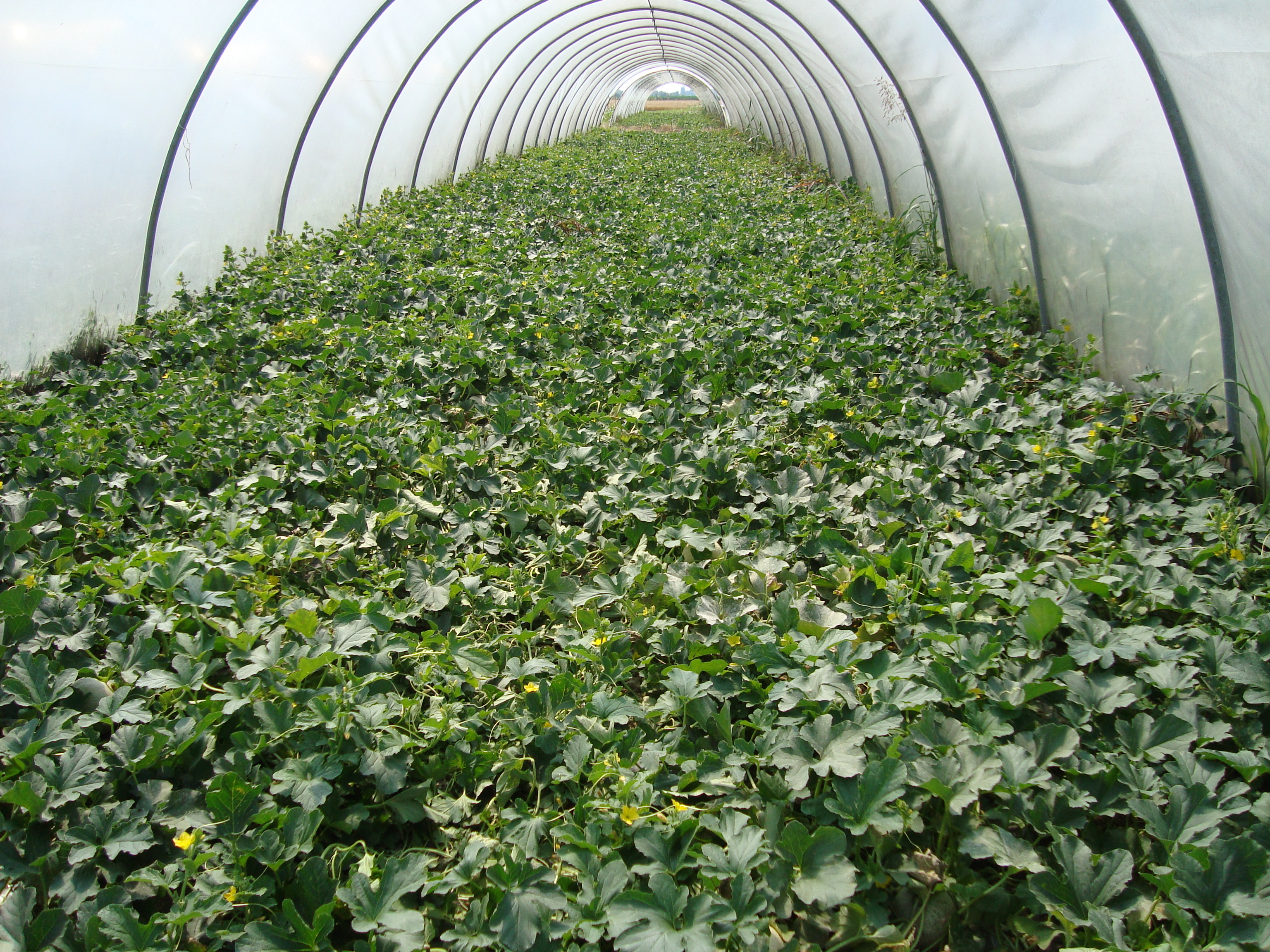
June 2008. Greenhouse melon crop grown on soil affected by fatigue, after four months of treatment with BioAksxter®.
After two years of treatment, soil structure and workability had improved, soil fatigue was no longer observed, and the use of grafted plants was no longer necessary.
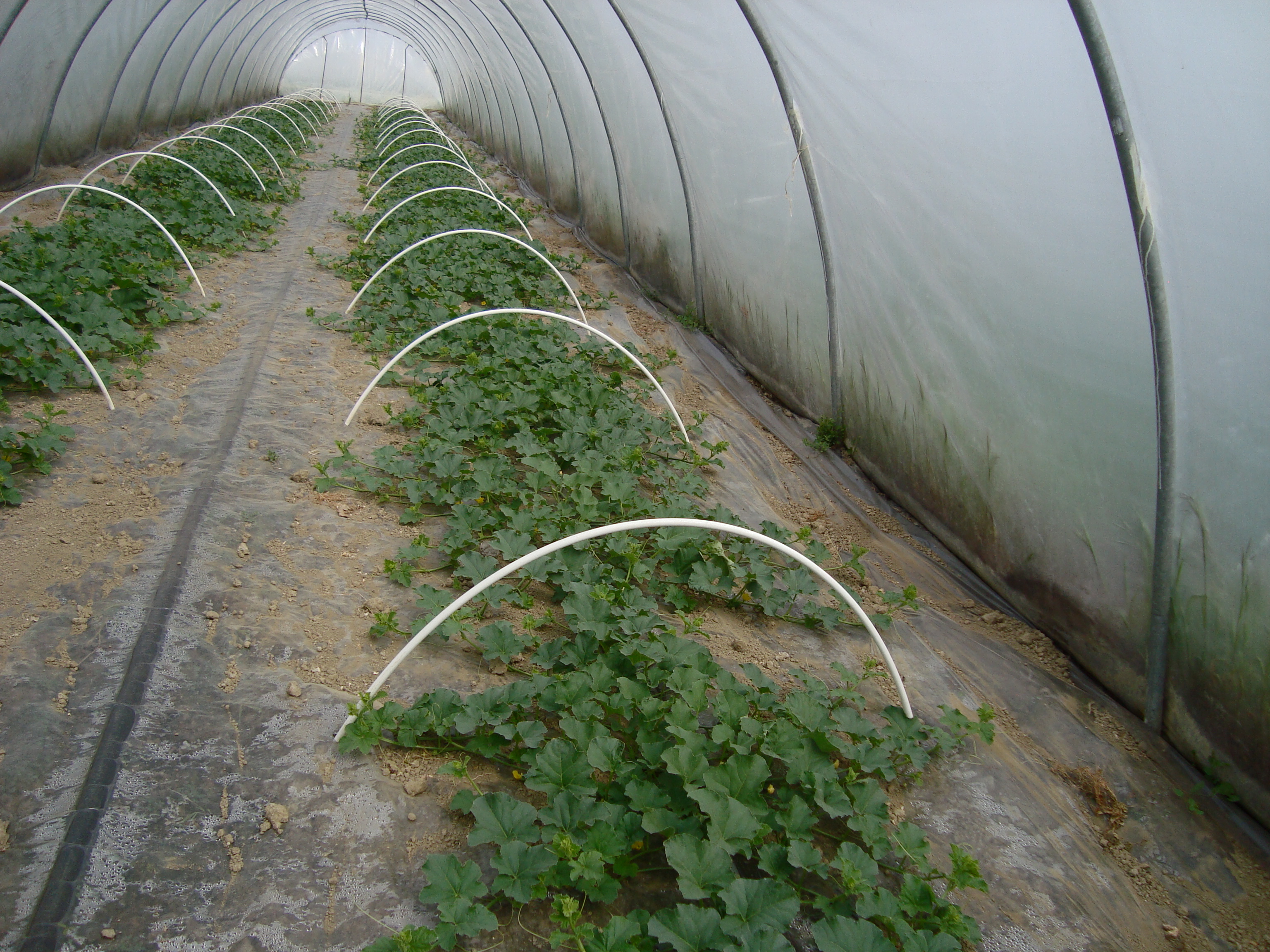
April 2010. Ungrafted melon crop grown on soil affected by fatigue after approximately 10 years of cultivation, showing results after two years of treatment with BioAksxter®.
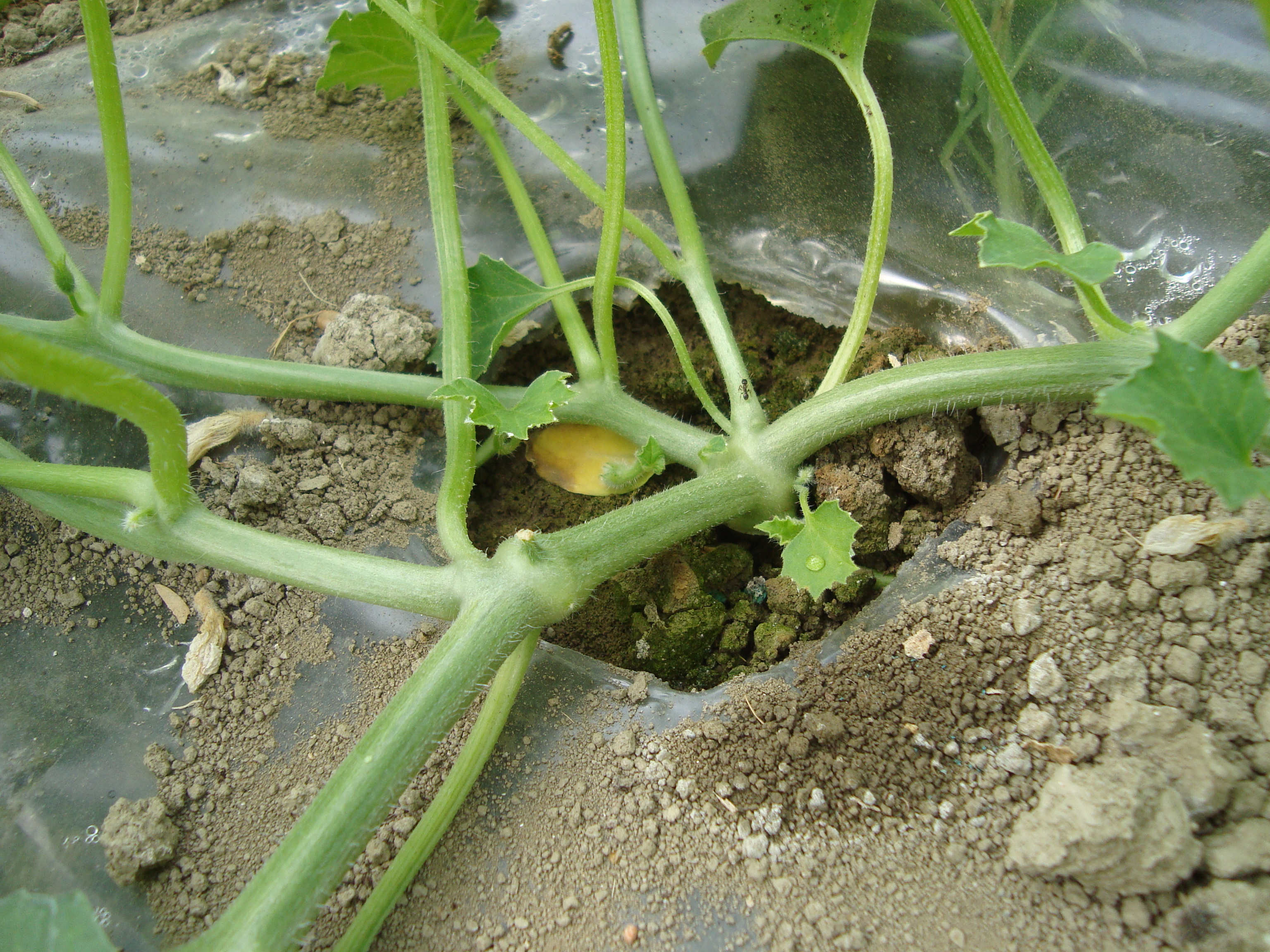
April 2010. Ungrafted melon plant grown on soil affected by fatigue after approximately 10 years of cultivation, showing results after two years of treatment with BioAksxter®.
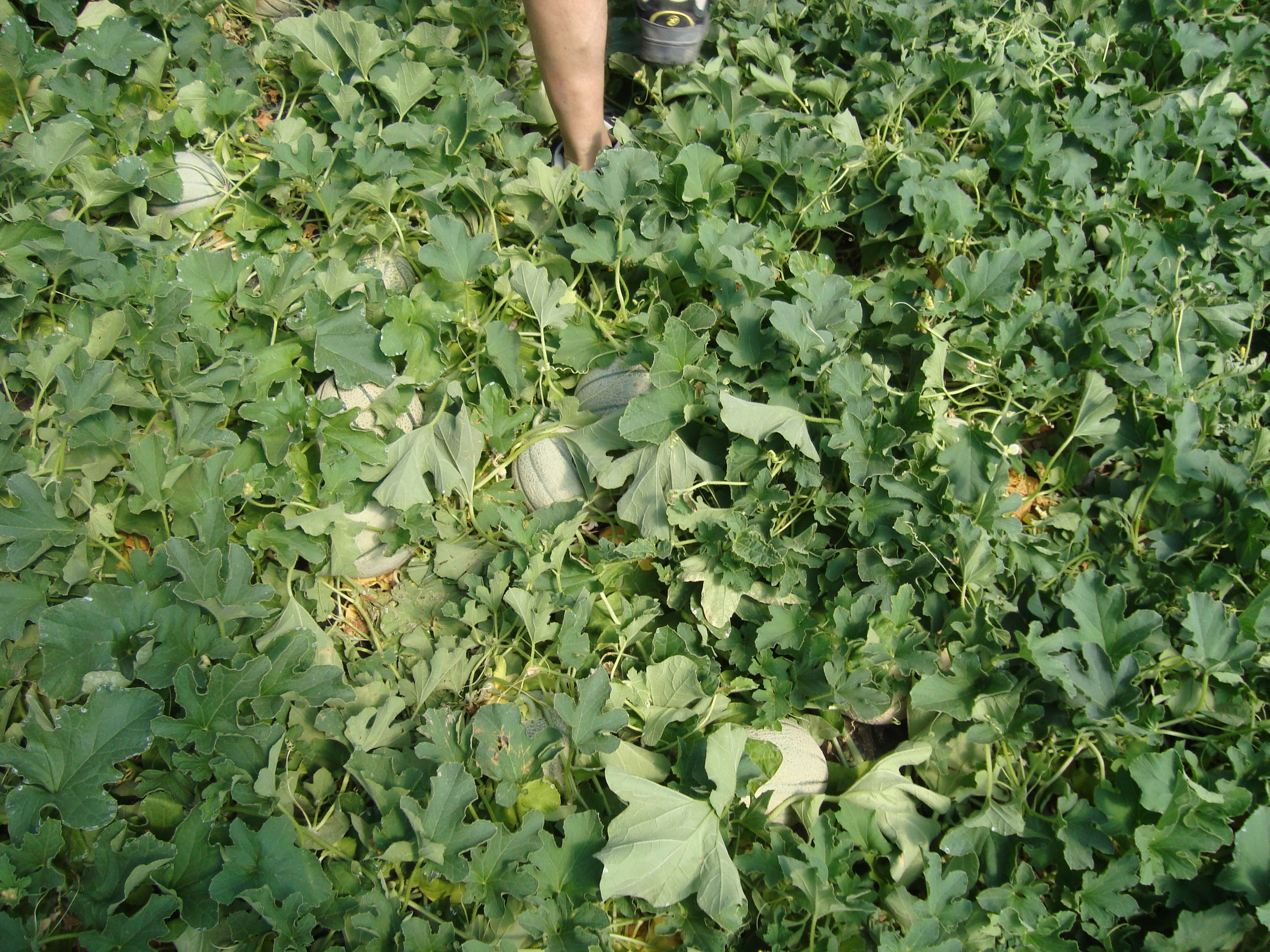
June 2010. Ungrafted melon crop at the beginning of harvesting, grown on soil affected by fatigue after approximately 10 years of cultivation, showing results after two years of treatment with BioAksxter®.
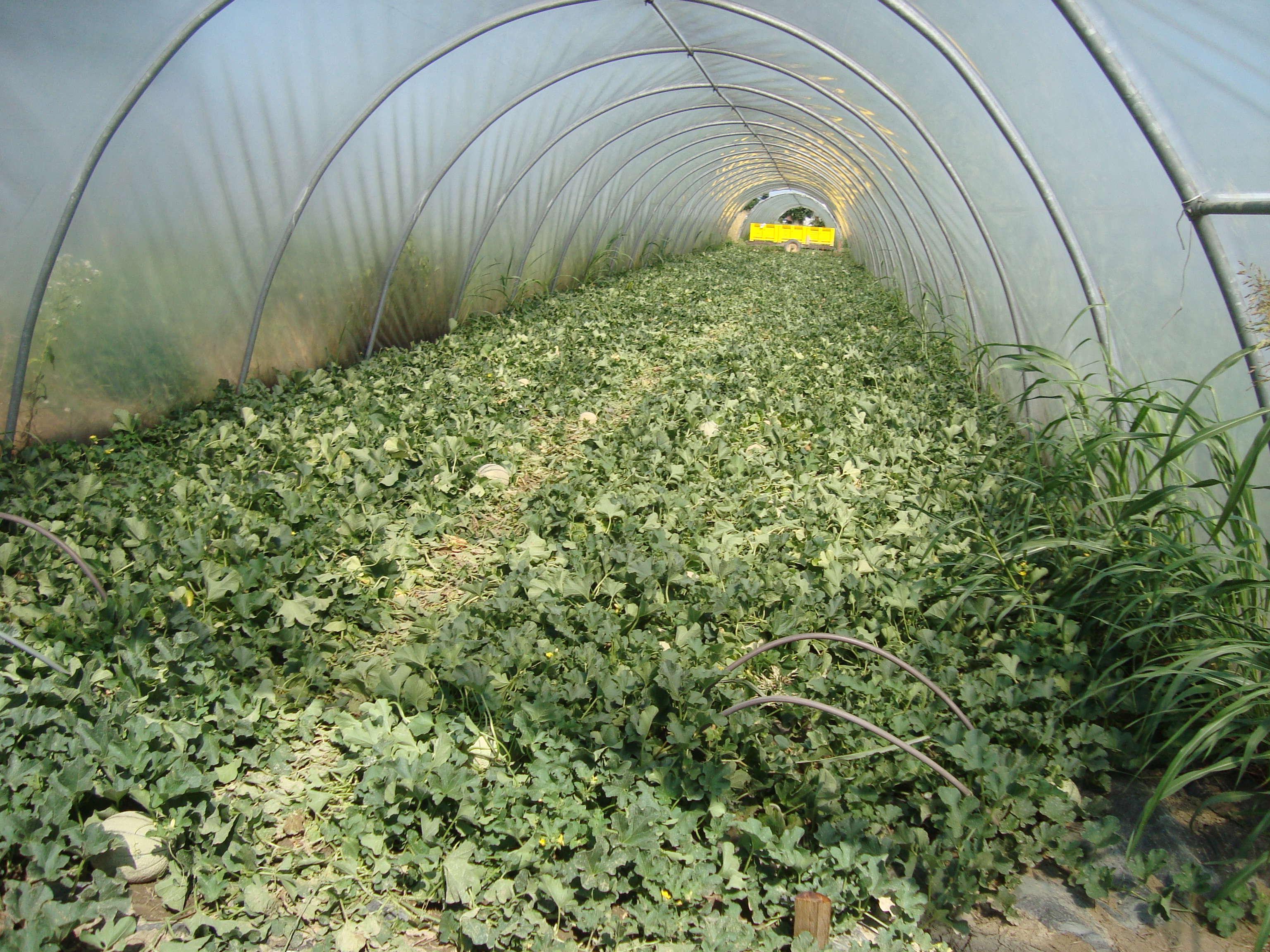
July 2010. Ungrafted melon crop at the end of harvesting, grown on soil affected by fatigue after approximately 10 years of cultivation, showing results after two years of treatment with BioAksxter®.
Adverse weather conditions and outbreaks of powdery mildew, melon downy mildew and Didymella were overcome without difficulty, while crop nutrition and plant protection management became simpler.
Melon quality improved and yields increased by 30%, with an average production of 7–8 quintals per greenhouse (225 m²) under protected cultivation and over 10 kg per plant in open-field crops.
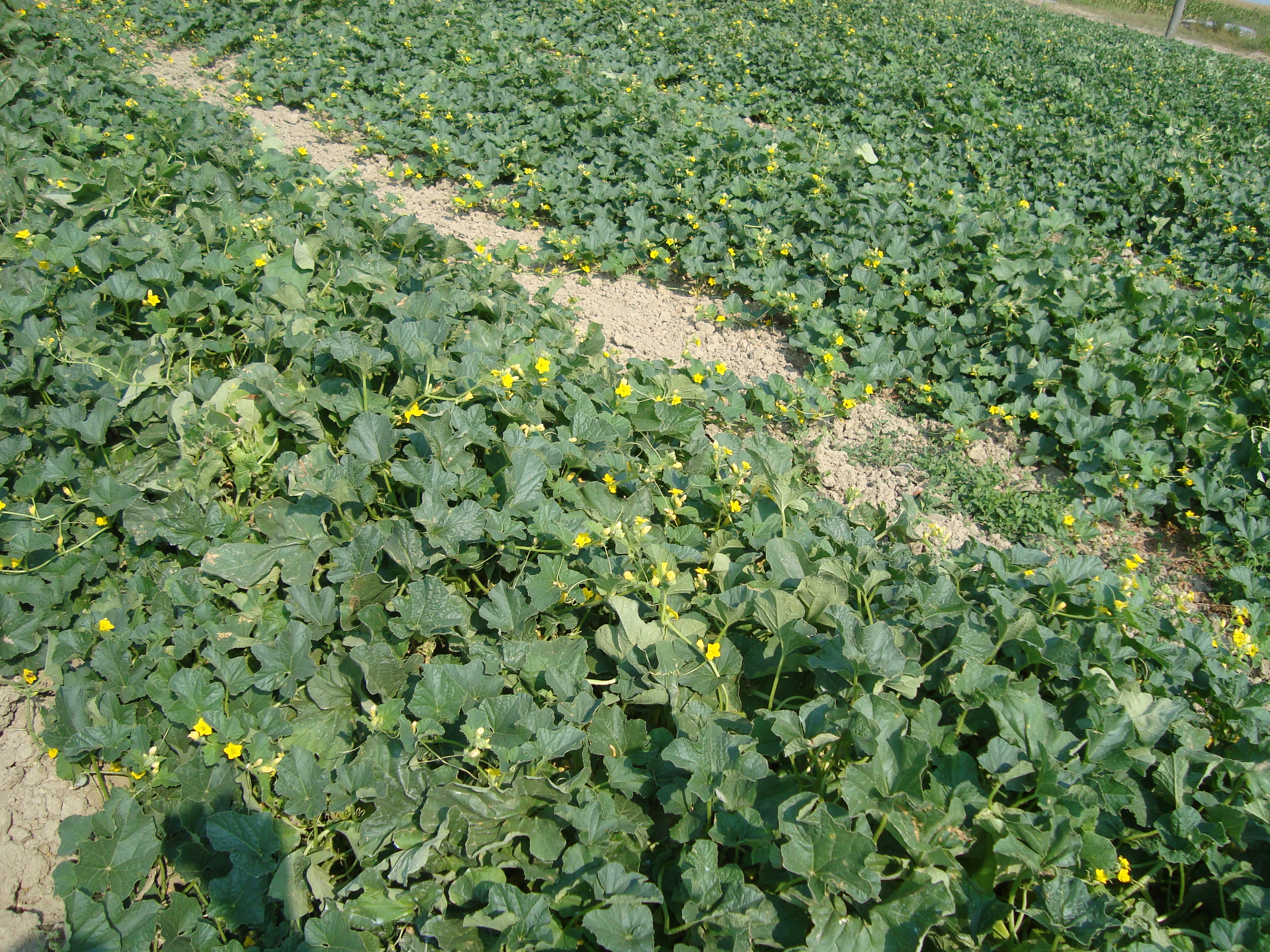
July 2010. Open-field melon crop characterised by high productivity and excellent plant health, during the second year of treatment with BioAksxter®.
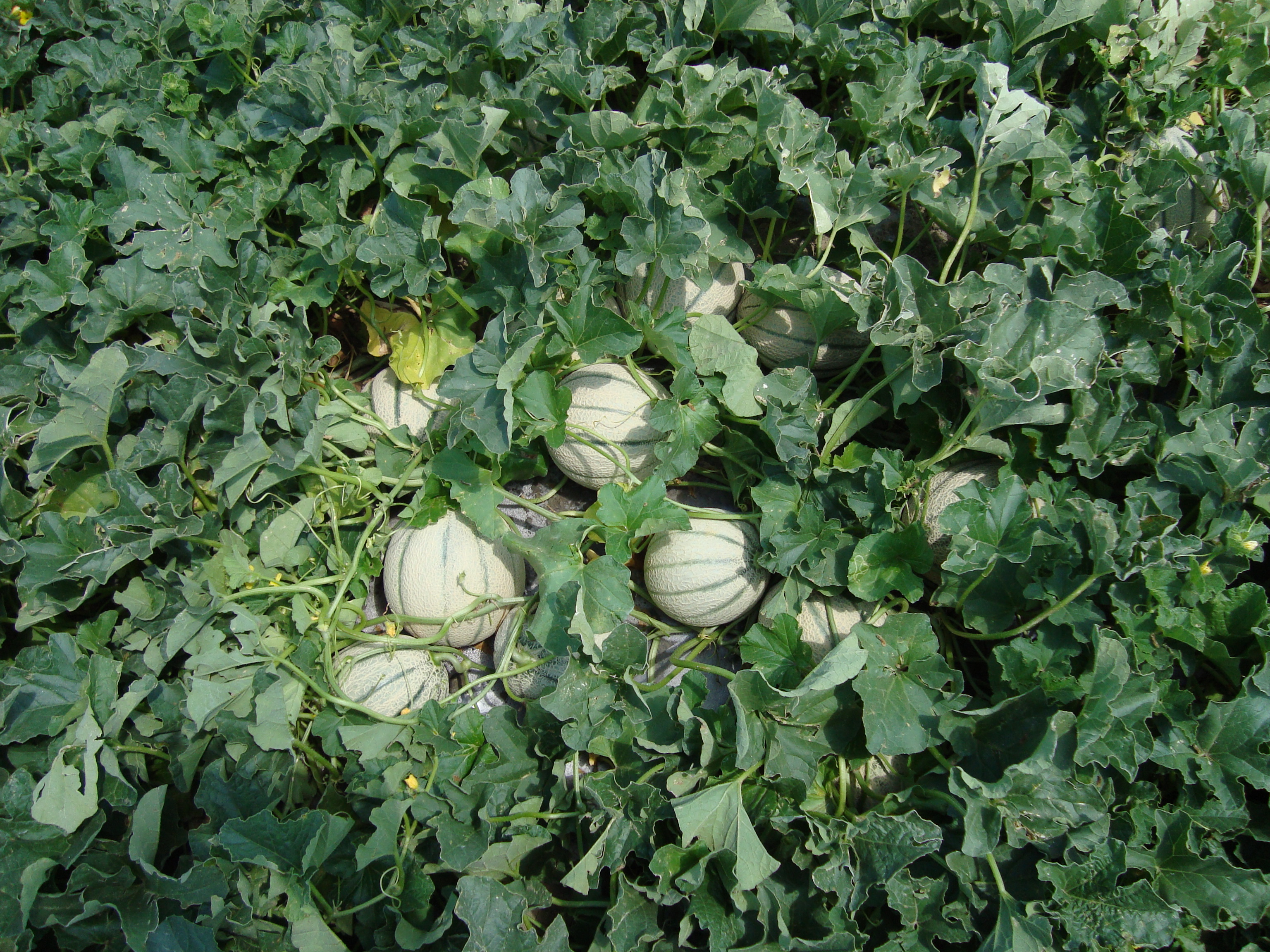
July 2010. Open-field melon crop during the second year of treatment with BioAksxter®, showing abundant fruit set.
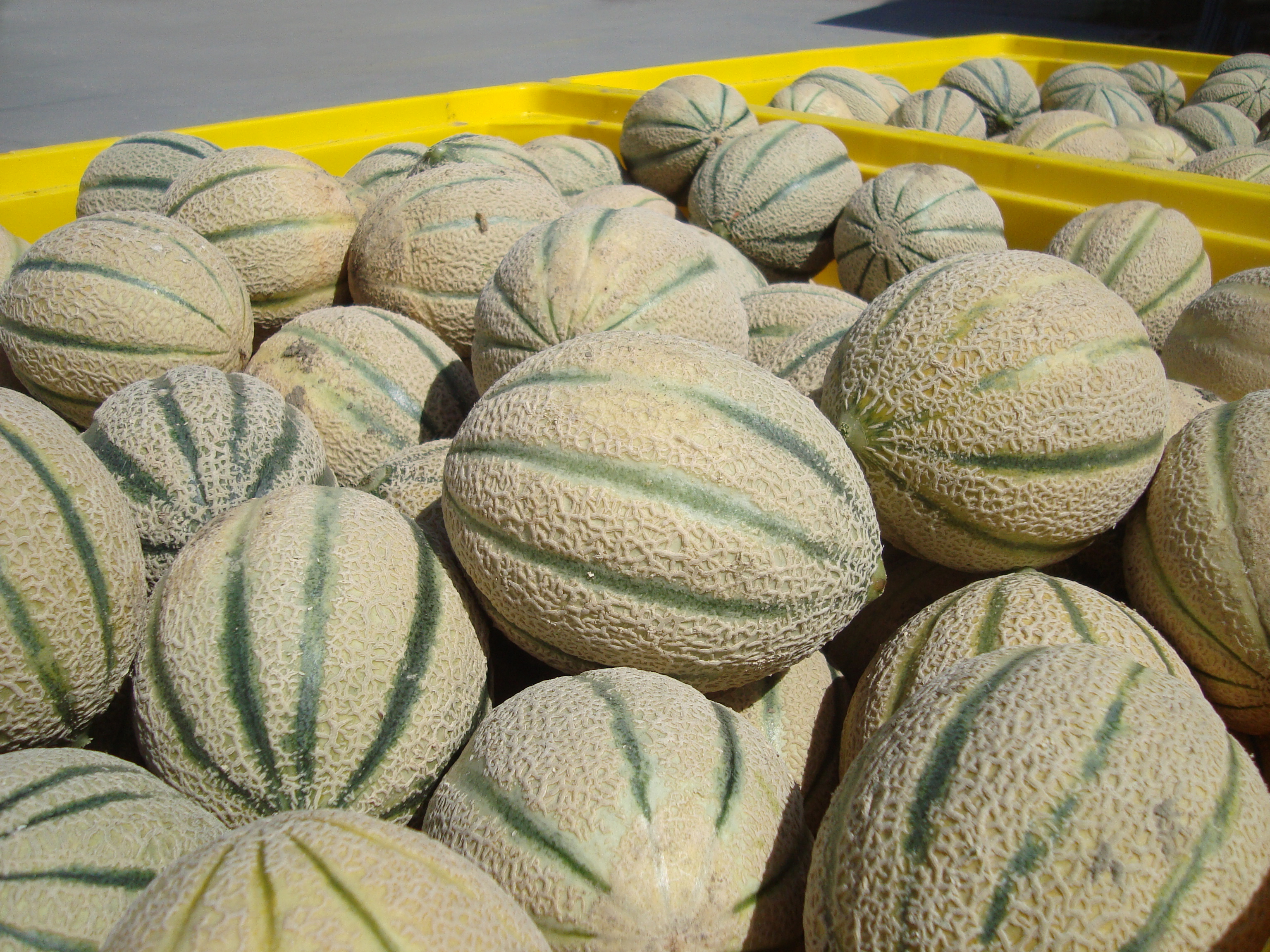
Melons characterised by pronounced rind netting and uniform fruit size, grown with BioAksxter®.
In 2010, at the end of the third melon production season using BioAksxter®, the grower reiterated his great satisfaction with the results achieved and with having identified an effective solution that increases farm income while protecting the environment and human health.
The positive experience led the same grower to adopt BioAksxter® in other cropping situations. A further case study concerns the protocol entitled “Wheat with excessive rainfall, low temperatures and poor germination”.


