Graziano, greenhouse vegetable grower
Dal Maso Graziano Farm, Alpo di Villafranca (Verona, Italy)
A horticultural farm specialising in the greenhouse and open-field production of aubergines, courgettes, melons, head lettuce and tomatoes, supplying wholesale markets and the farm shop.
The farm, which has always focused on high-quality produce, began using BioAksxter® in June 2005. The main objective was to restore and maintain the fertility of soils that had been intensively cultivated with vegetables for approximately 15 years, in order to improve quality, increase yields and reduce growing plant health problems, such as nematodes and Verticillium.
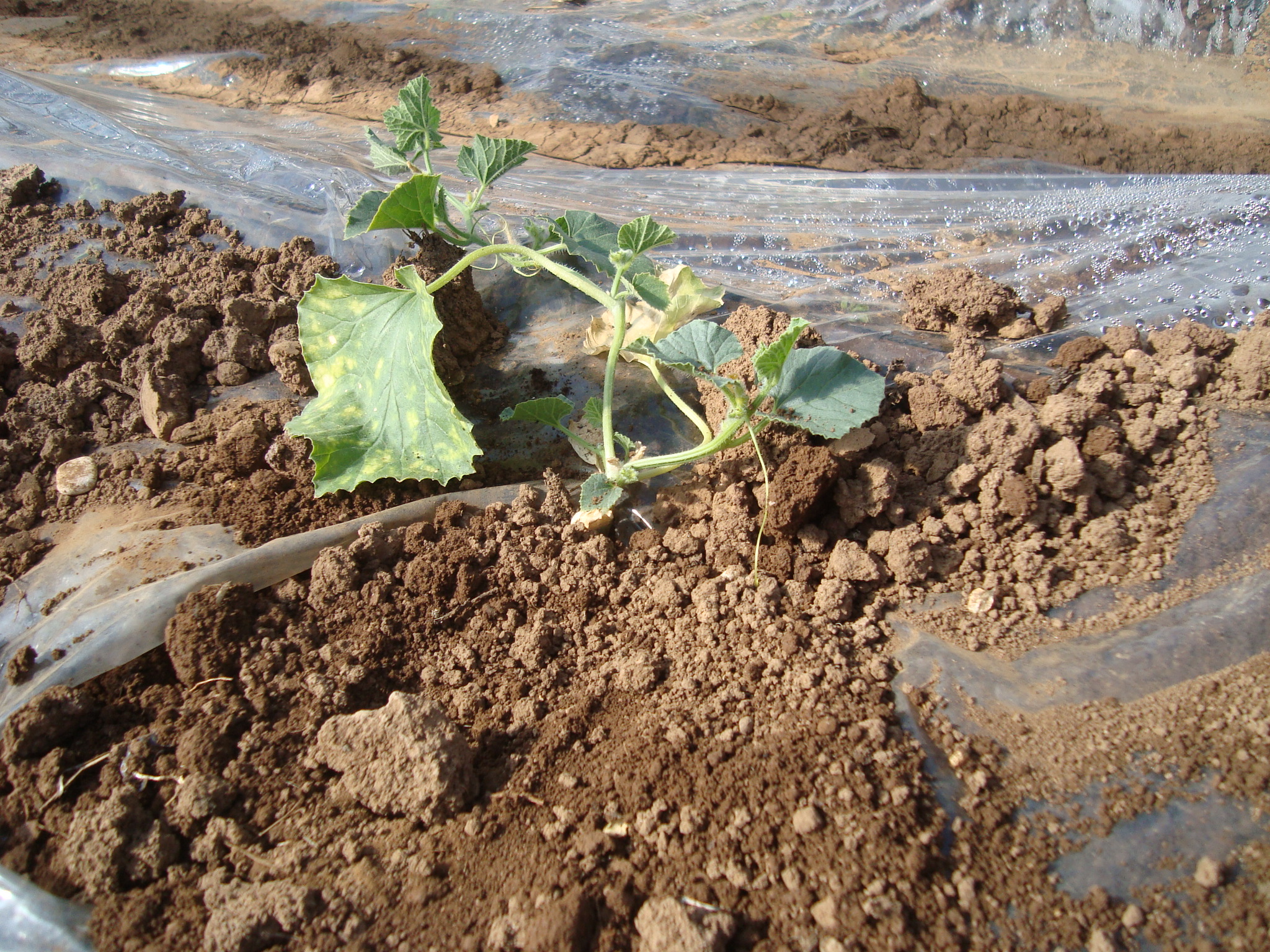
Young melon plant severely affected by nematodes.
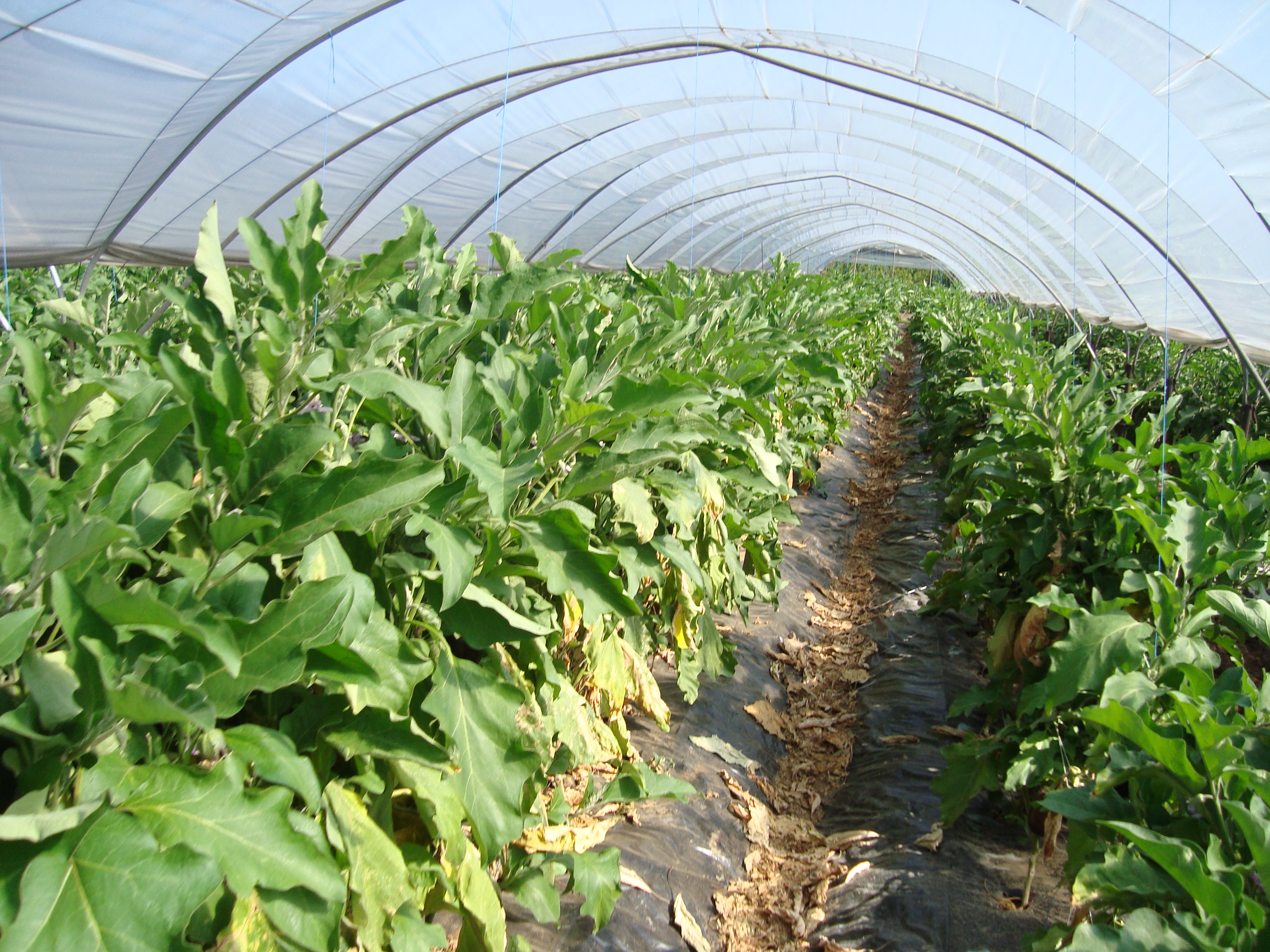
Desiccation of basal leaves caused by Verticillium.
After one year of using BioAksxter®, a satisfactory balance in crop development was achieved. The melon harvesting period was extended, and organoleptic quality improved, even during the final pickings.
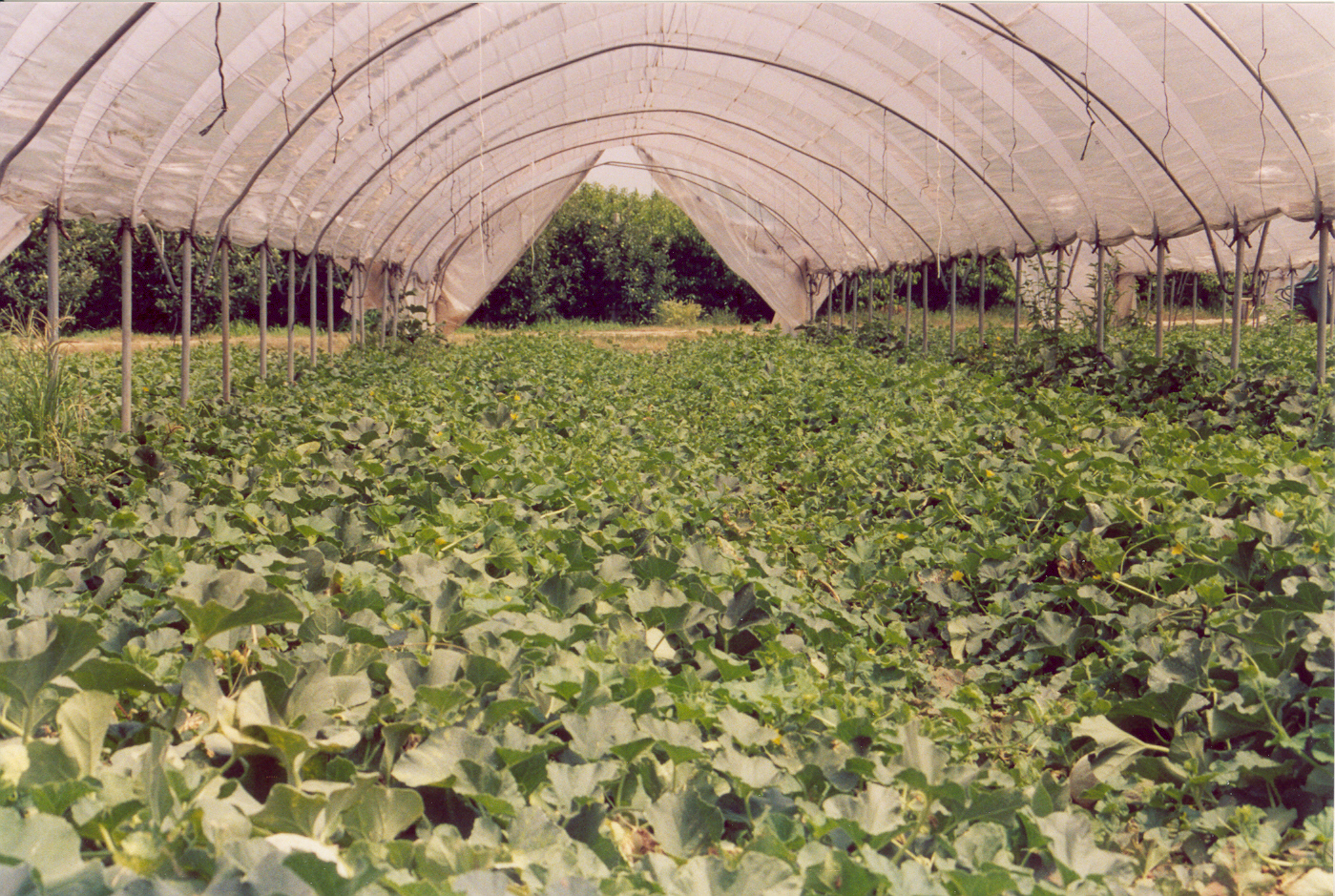
June 2006. Melon crop treated with BioAksxter®.
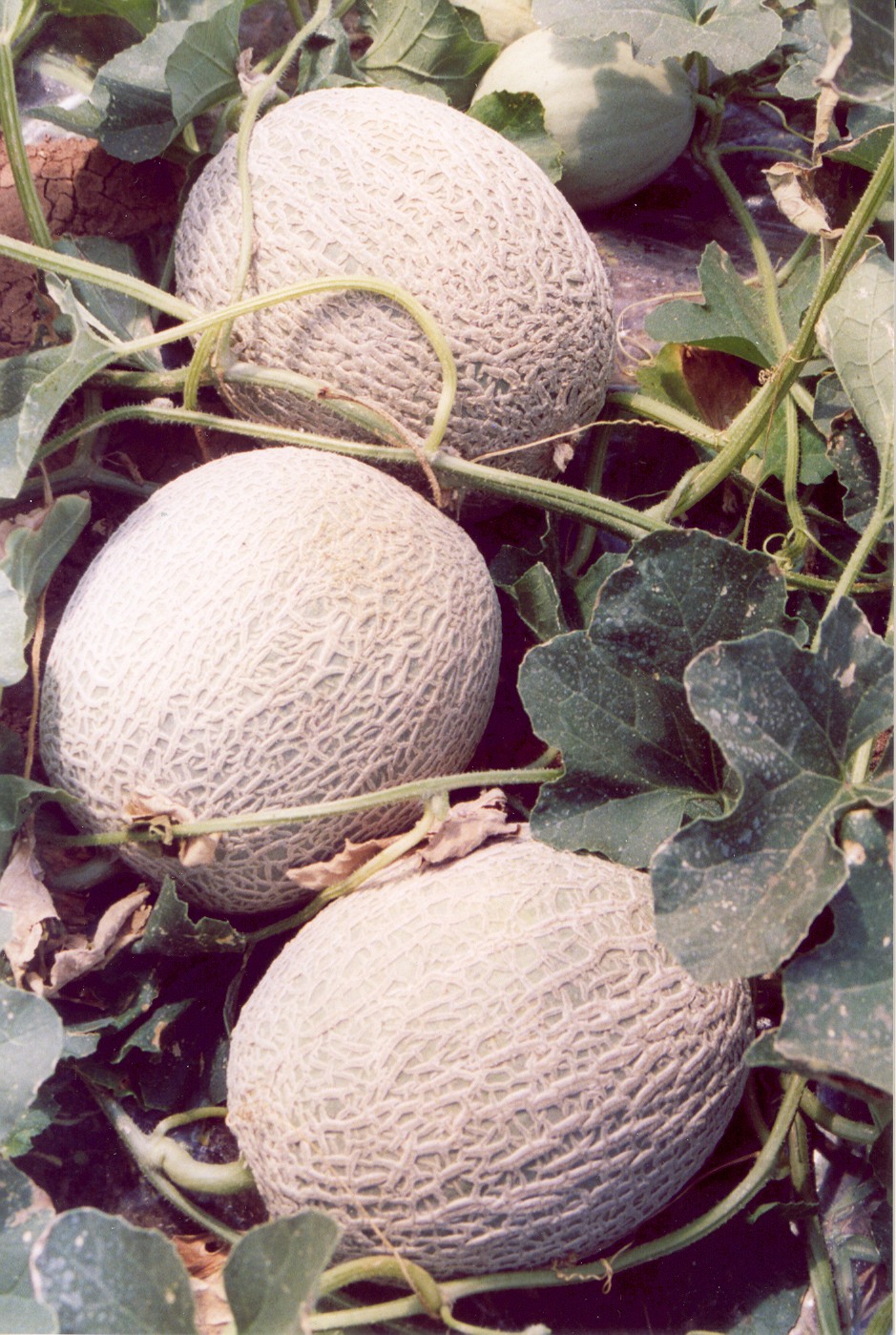
June 2006. Melon grown with BioAksxter®, characterised by pronounced rind netting.
In elongated tomato crops, blossom-end rot was substantially reduced, and overall plant health improved.
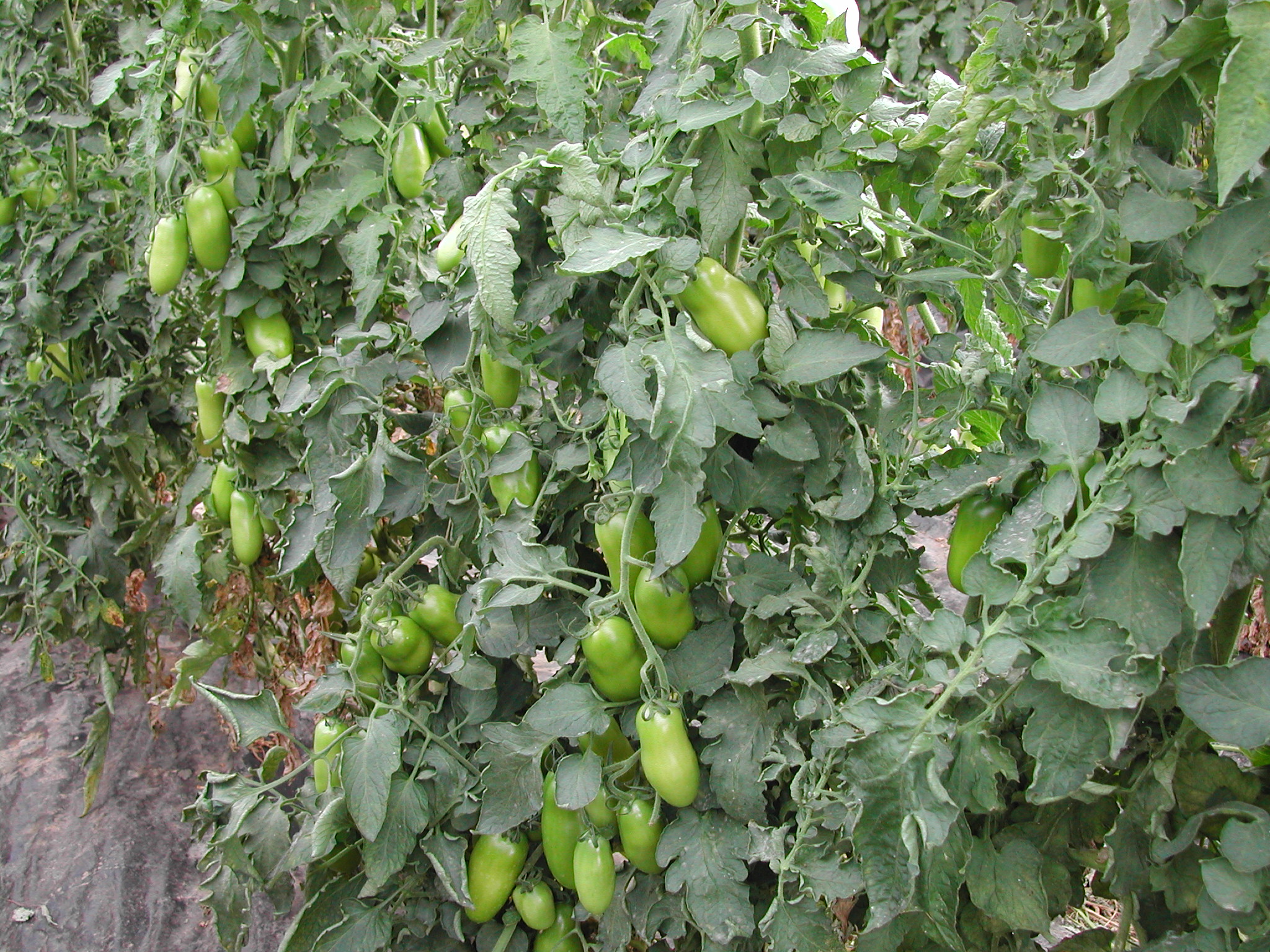
July 2006. Elongated tomato crop after one year of treatment with BioAksxter®.
In courgette cultivation, an average yield of 10 quintals per hectare per day was maintained throughout the harvesting period, with an increase in production of approximately 2 kg per plant.
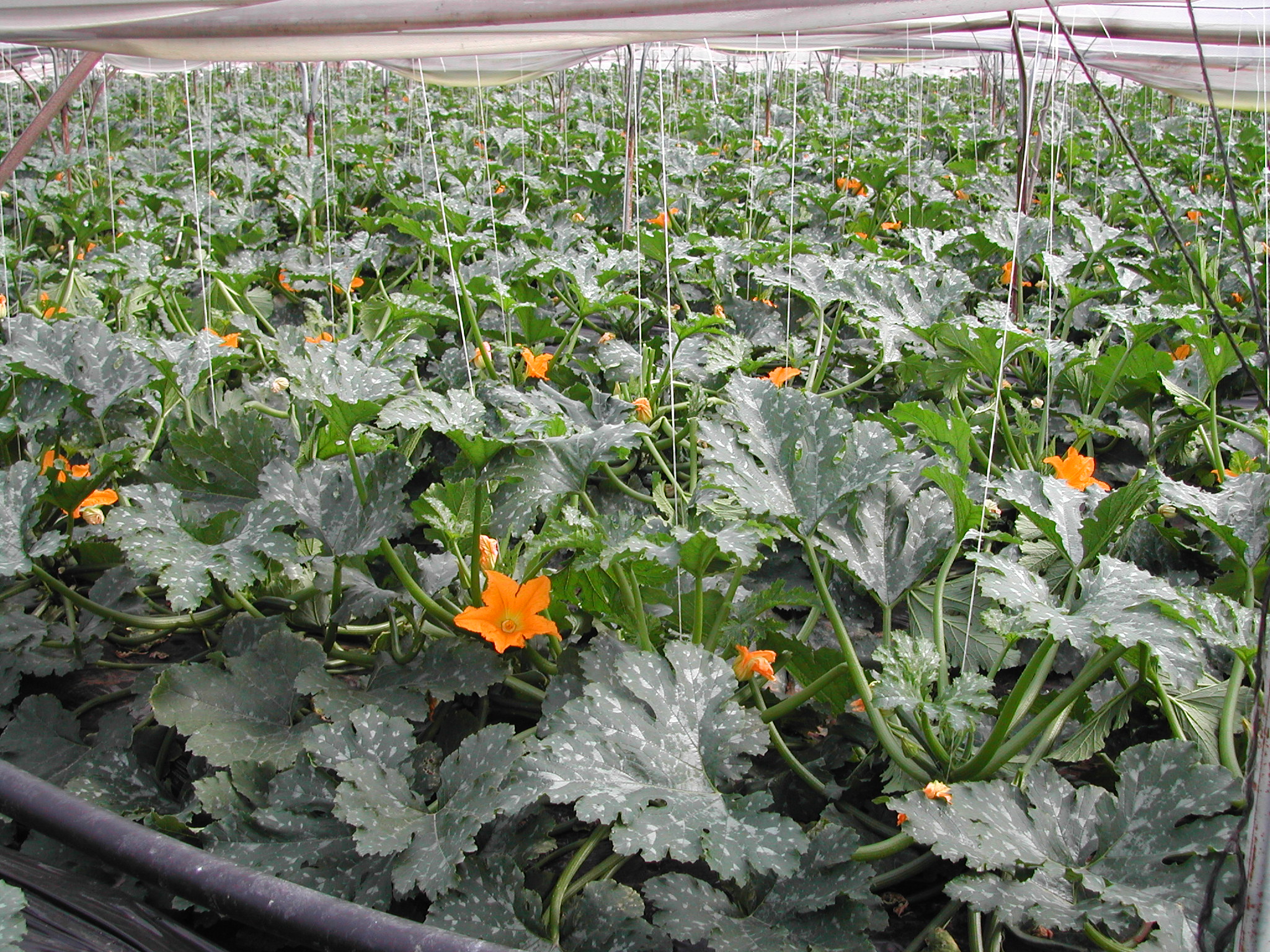
Young courgette crop after one year of treatment with BioAksxter®.
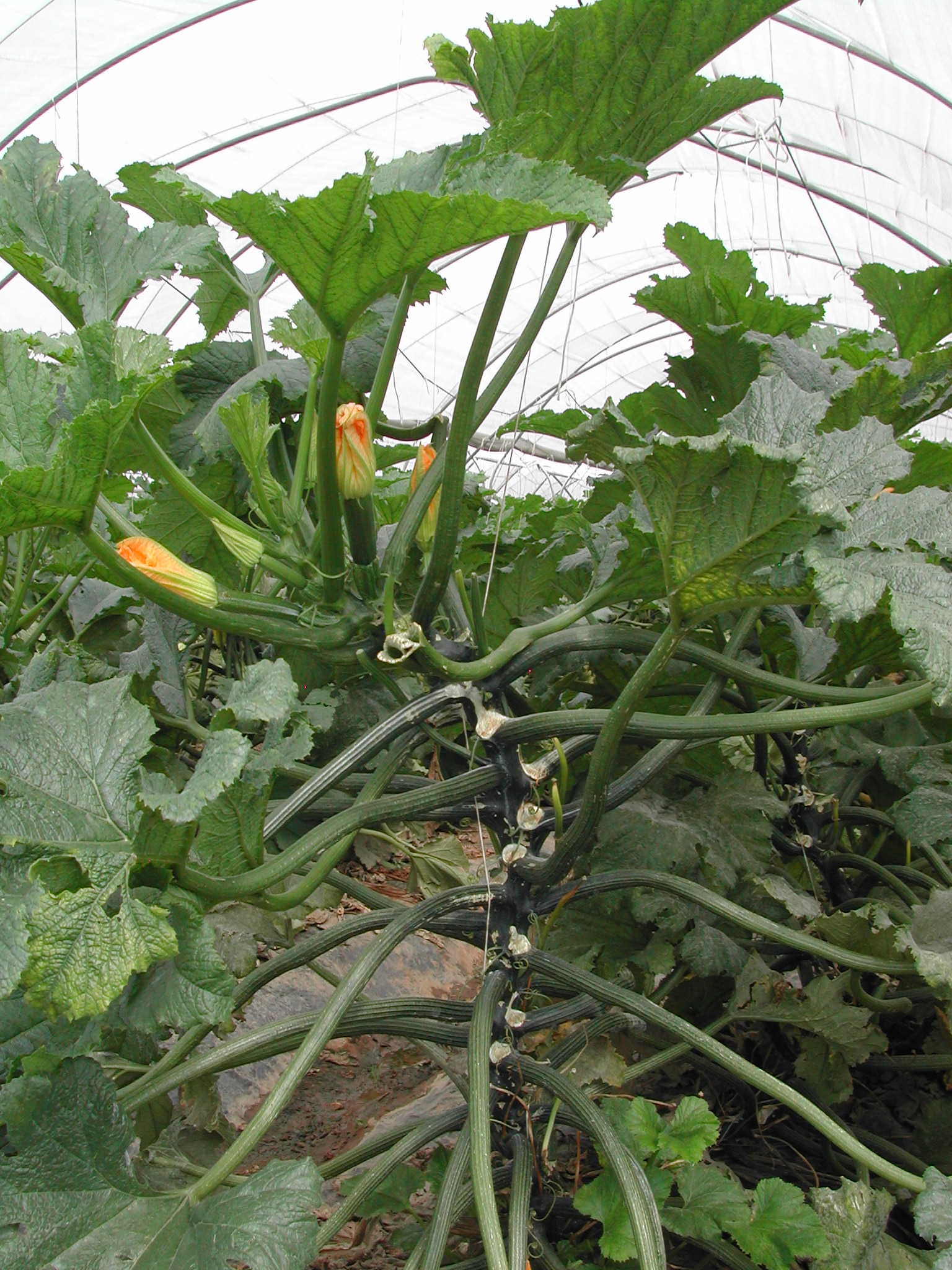
Established courgette crop after one year of treatment with BioAksxter®.
After two years of treatment with BioAksxter®, the grower stated that agronomic and production results were comparable to those obtained from previously uncultivated soils, as healthy, productive crops had been achieved with fewer fertiliser applications and plant protection treatments.
Indeed, crop nutrition and plant protection management became considerably simpler across all crops, with a reduction in Verticillium, downy mildew, powdery mildew, aphids and red spider mites, greater resistance to nematode attacks, and the disappearance of leaf yellowing and nutrient deficiencies.
The time required for courgette crops to begin producing was reduced to less than 30 days, and blossom-end rot in elongated tomatoes was completely resolved.
Aubergine crops grown on the same land for two consecutive growing cycles achieved excellent results in both quality and yield.
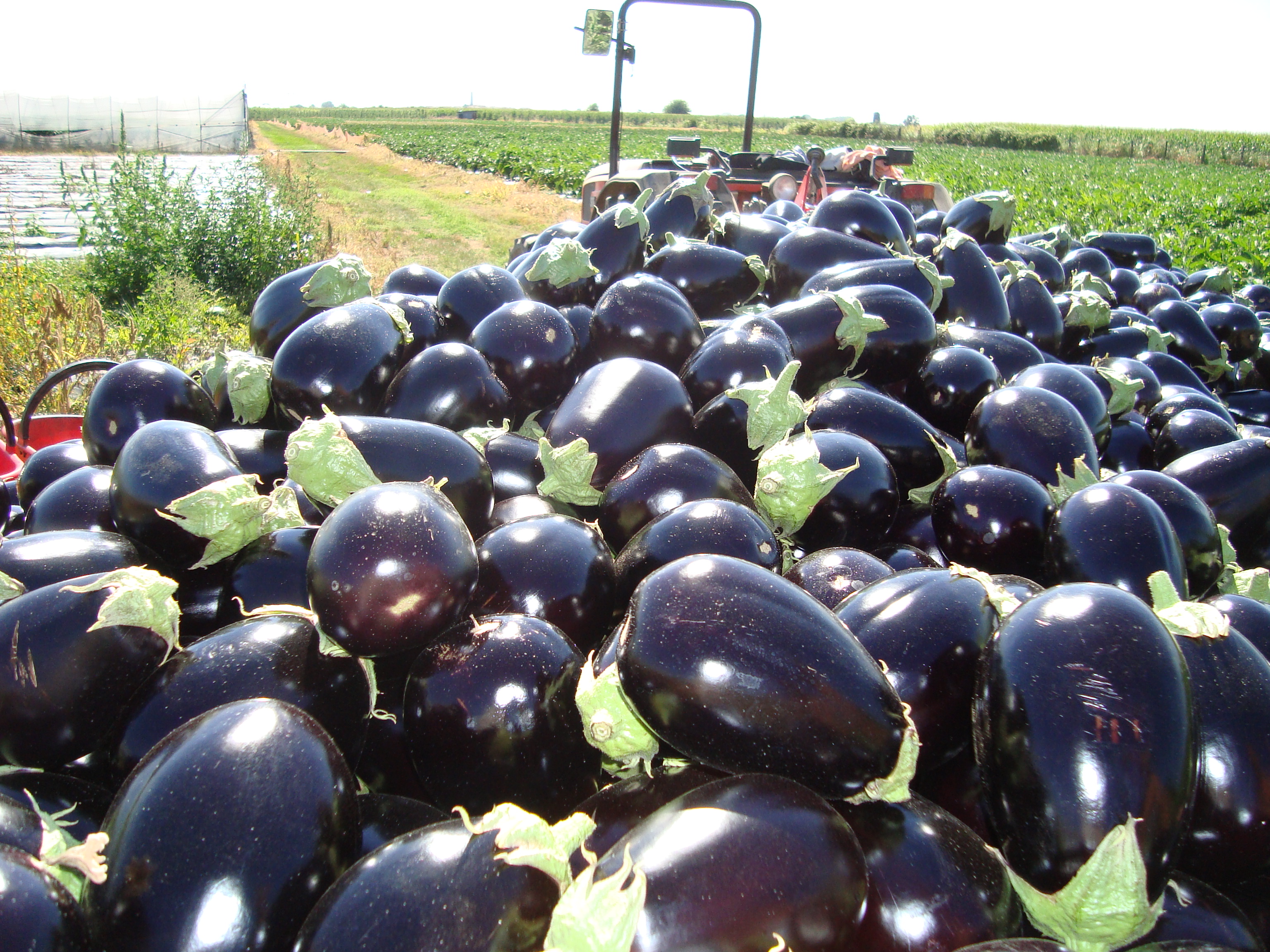
Aubergine crop grown on the same land for the second consecutive growing cycle, after two years of treatment with BioAksxter®, showing no decline in productivity due to soil fatigue.
Average greenhouse melon yields increased to 10 kg per plant, while head lettuce harvested in December reached 370 g per plant, with no rejected produce and excellent plant health.
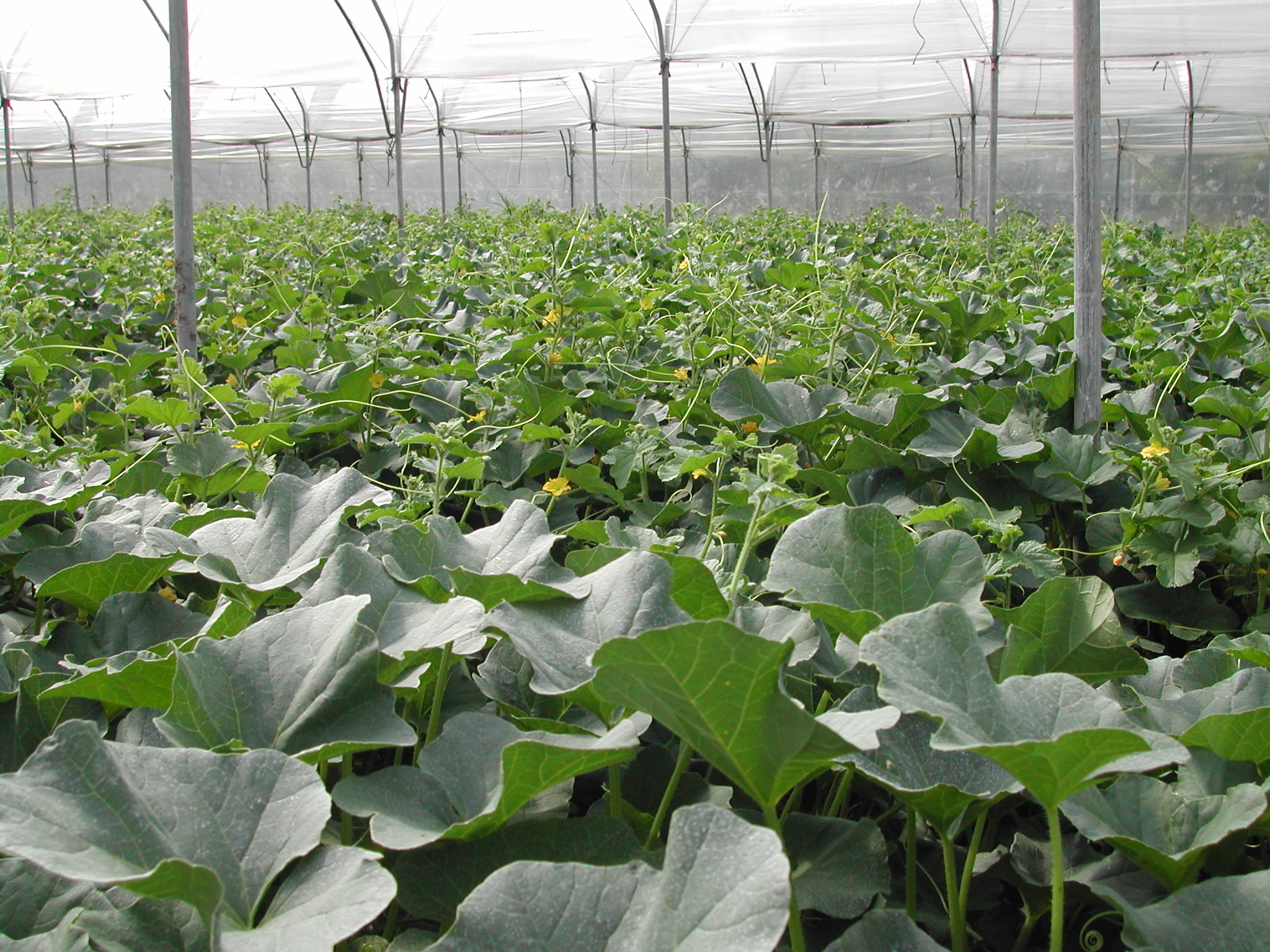
Melon crop after two years of treatment with BioAksxter®.
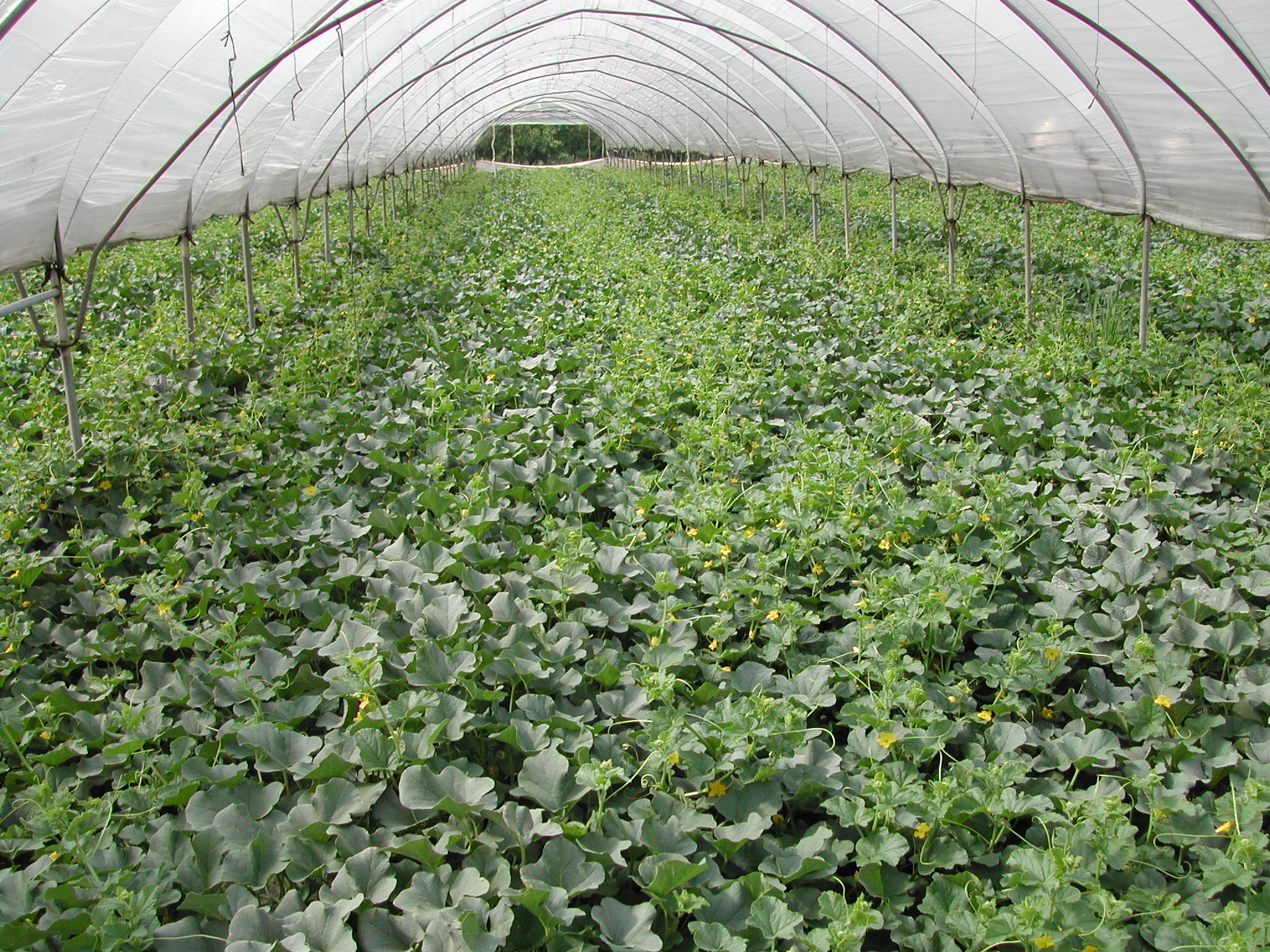
Melon crop after two years of treatment with BioAksxter®.

Lettuce crop grown in December, after two years of treatment with BioAksxter®.

Lettuce crop grown in December, after two years of treatment with BioAksxter®, showing the healthy condition of the basal leaves.
In subsequent years, despite intensive cultivation and changing climatic conditions, the farm consistently maintained excellent plant health and productivity:
- Nematode problems were kept under control through the limited use of specific treatments, targeted only at the most susceptible greenhouse crops.
- Fungal and viral infections affecting open-field courgette crops were overcome without difficulty, whereas they caused substantial yield losses on many other farms.
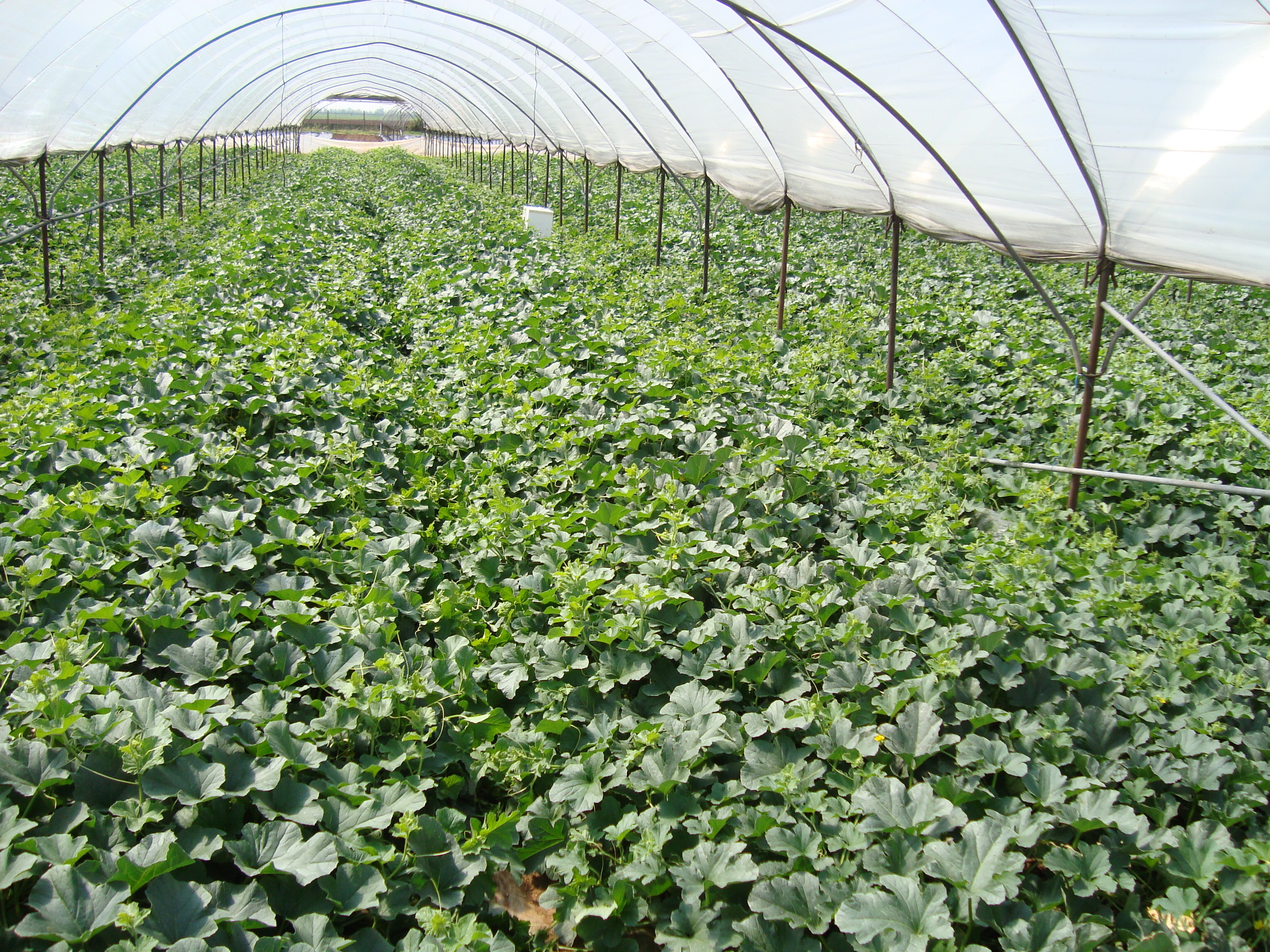
Melon crop after three years of treatment with BioAksxter®.
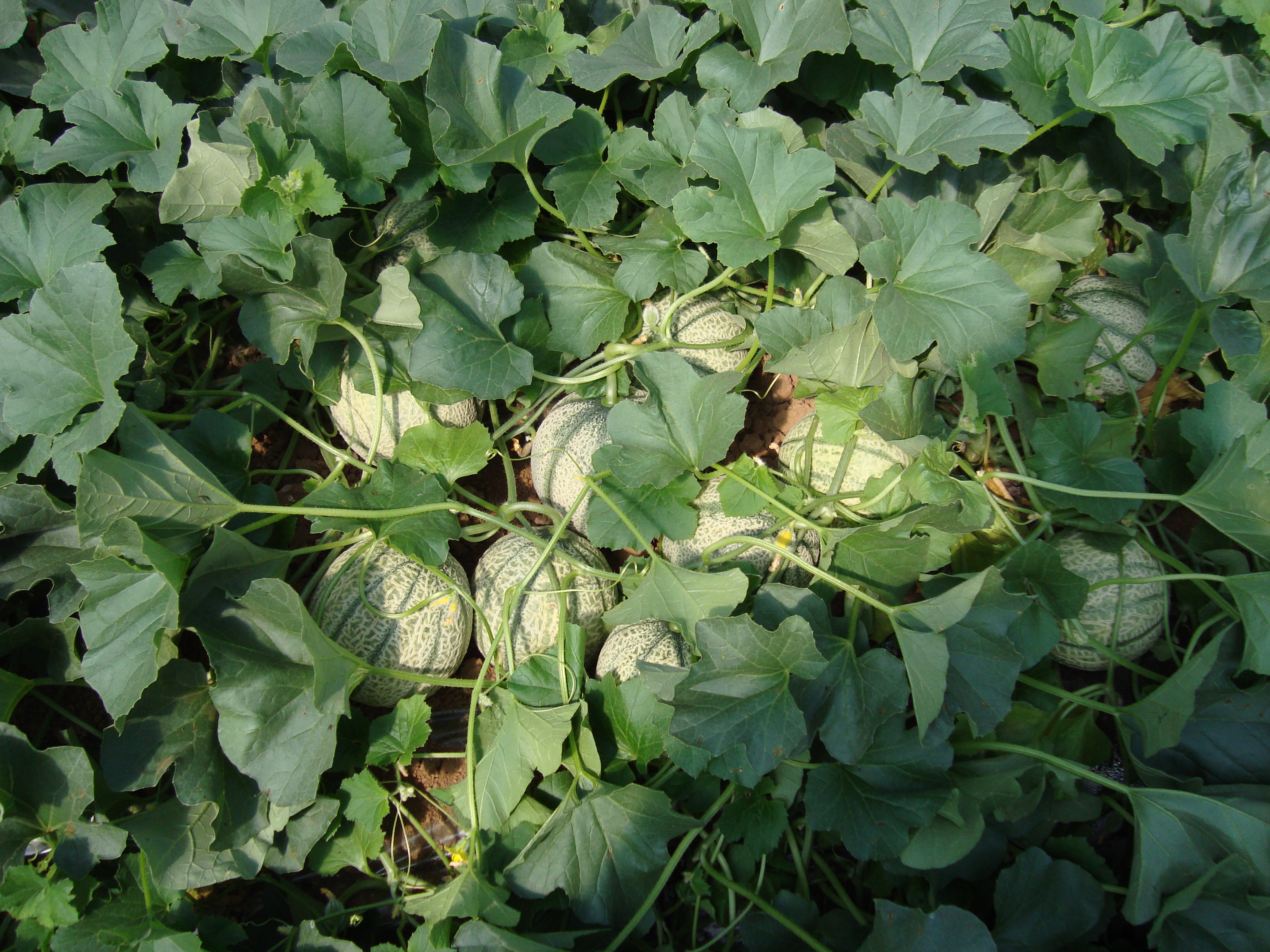
Melon crop after three years of treatment with BioAksxter®.

Open-field courgette crop treated with BioAksxter®, showing excellent plant health during periods of high downy mildew and viral disease pressure.
- Aubergine crops, although repeatedly grown on the same land, showed no abnormalities attributable to soil fatigue and exhibited greater resistance to Verticillium, aphids and red spider mites.
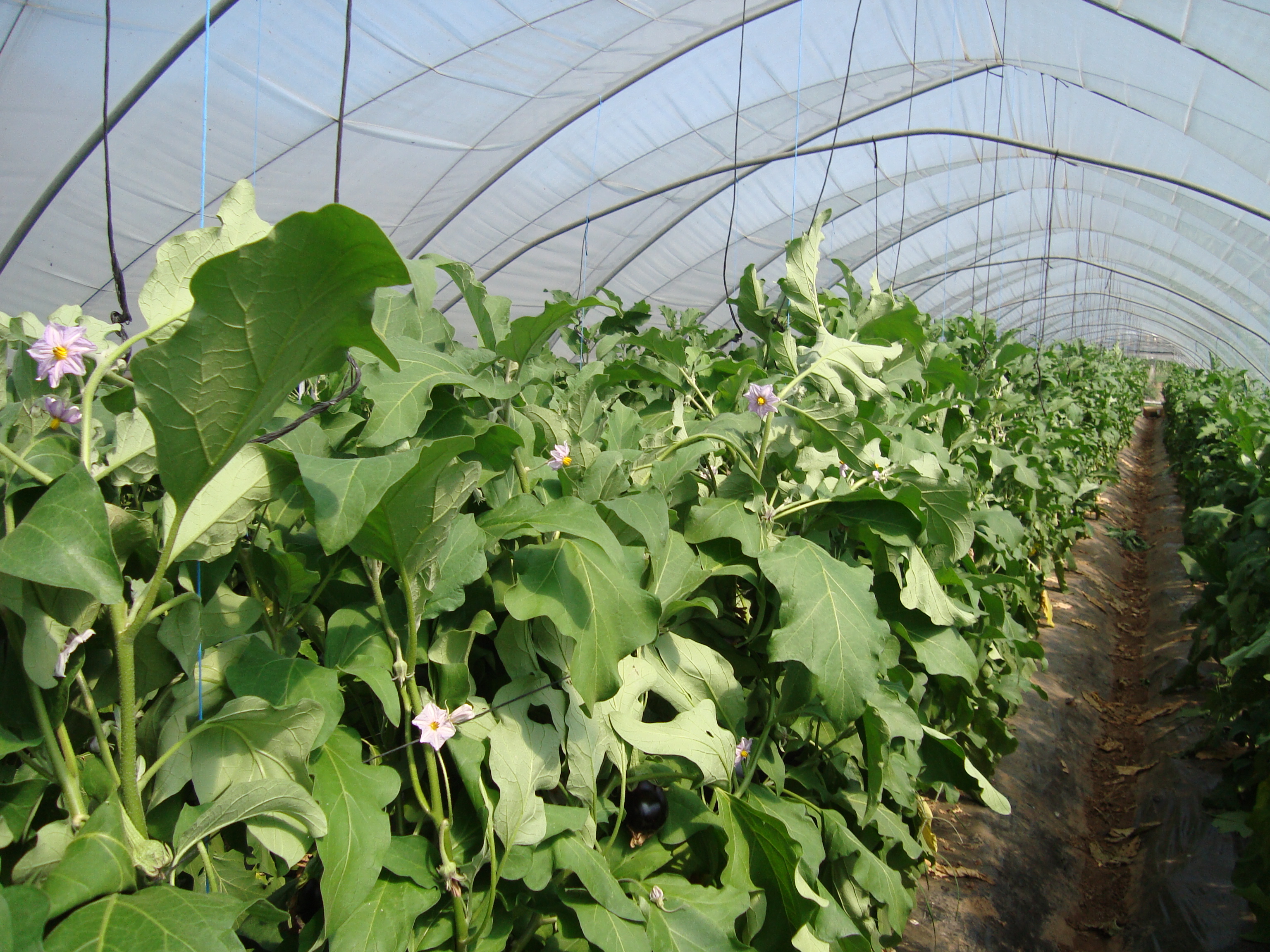
Aubergine crop grown on intensively cultivated soil after two years of treatment with BioAksxter®.
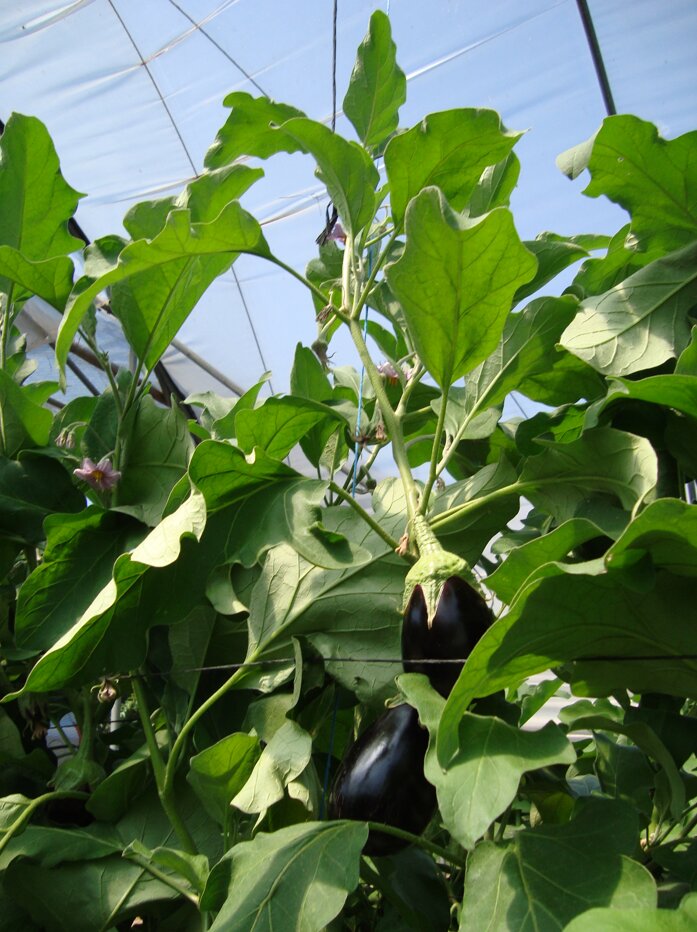
Aubergine crop grown on intensively cultivated soil after two years of treatment with BioAksxter®.
- Lettuce crops, even when grown during the coldest and most humid periods of the year, showed neither cold damage nor infections caused by Bremia or Sclerotinia.
- The produce was characterised by negligible rejection rates and greater resistance to mechanical damage during handling and packaging.
Aubergines treated with BioAksxter® during harvesting operations, resistant to cuts and bruising.
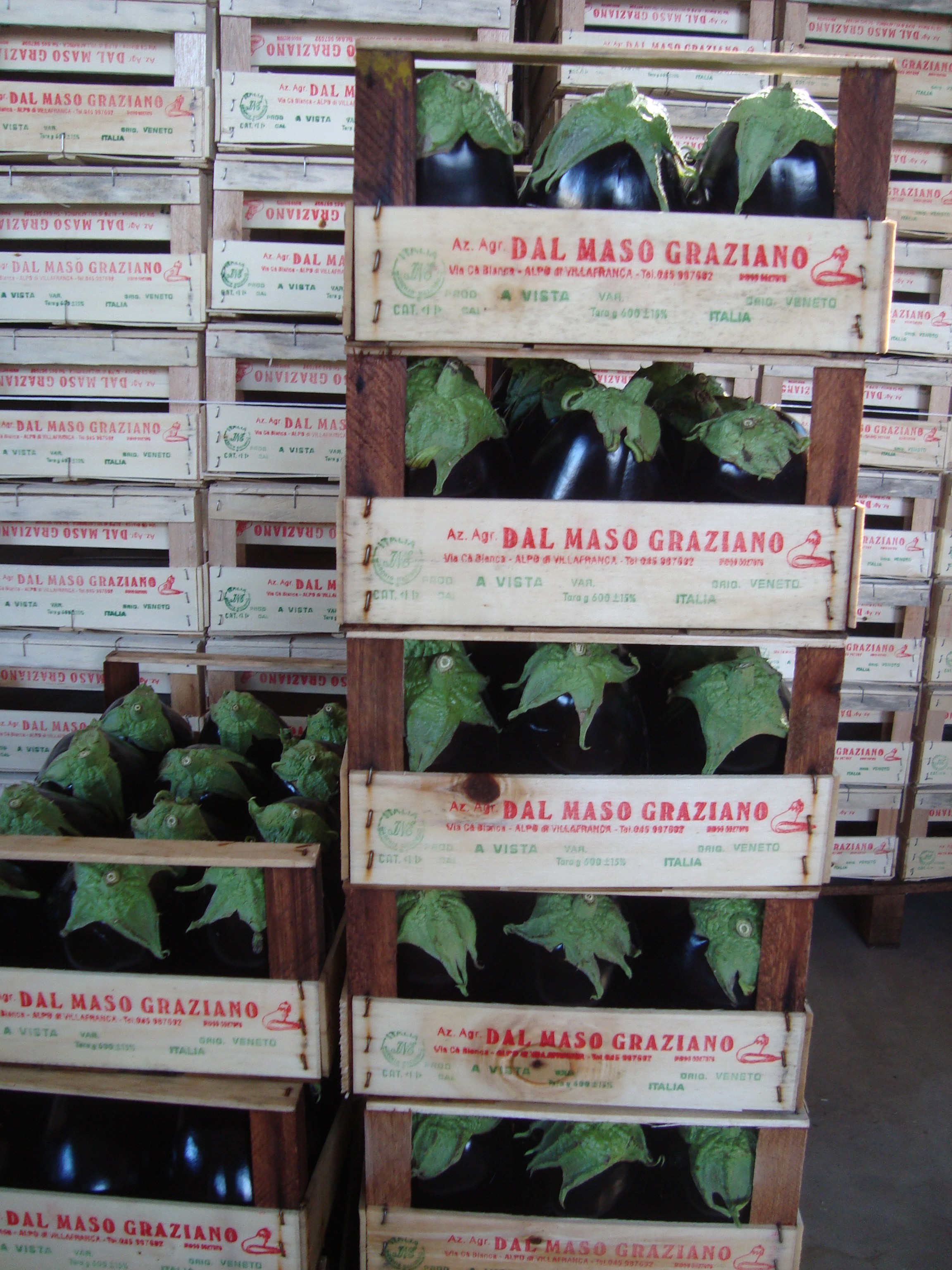
High-quality aubergines treated with BioAksxter®, ready for marketing.
The agricultural produce of Dal Maso Farm is recognised in the Verona wholesale fruit and vegetable market for its consistently excellent quality, long storage life and absence of residues.


