
Ground cover in orchards and vineyards: advantages, techniques, and benefits for soil and crops
What happens to the soil of a vineyard or orchard after years of mechanical cultivation and chemical weed control? Do we really know the soil beneath our feet, or have we become accustomed to seeing it only for what it produces?
Those who work among the rows know that soil is not just a support for roots, but a living ecosystem that breathes and reacts. Yet, turf management is still seen by many as a simple aesthetic or functional choice, when in reality it can make the difference between a plant that survives and one that dies.
In this context, grassing is not a fad but an agronomic technique that deserves attention. Especially today, when every millimetre of rain and every point of organic matter can determine the success of a vintage.
In questo articolo approfondiamo come e perché inerbire un vigneto o un frutteto, con uno sguardo pratico, tecnico e orientato alla sostenibilità. Lo facciamo a partire dall’esperienza in campo, dove le decisioni agronomiche non si prendono per principio, ma per necessità. In this article, we take an in-depth look at how and why to grass a vineyard or orchard, from a practical, technical and sustainability-oriented perspective. We do so based on our experience in the field, where agronomic decisions are not made on principle, but out of necessity.
What is ground covering and why is it important?
Grassing literally means growing grass on the ground, either spontaneously or by sowing seeds. In our case, between the rows (and sometimes even on the rows) of a tree plantation. But reducing grassing to a simple green cover would be an oversimplification. It is a truly multifunctional agronomic technique, capable of profoundly affecting soil health, water management and the balance of the entire agroecosystem.
Advantages of ground cover in orchards and vineyards
Why choose to grass over an agricultural area when you could keep it clean, cultivated and apparently tidier? The answer lies not in aesthetics, but in the profound functionality that a grass cover can offer.
The advantages of grass cover in orchards and vineyards are numerous and well documented:
- soil protection against erosion: soil covered by vegetation is more stable and less prone to runoff and loss of fine particles, especially on steep slopes.
- Increase in organic matter: plant residues, roots and microbial activity contribute over time to enriching the organic profile of the soil.
- Reduction of compaction: the roots of herbaceous species, if well chosen, help to loosen the soil and promote porosity.
- Greater rainwater infiltration: the turf acts as an active filter, slowing down runoff and allowing for better water recharge.
- Natural weed control: by reducing the space available for weeds to grow, the use of herbicides can be limited.
- Boosting biodiversity: beneficial insects, pollinators and natural predators find refuge among the grasses, contributing to the biological balance of the system.
Is all this really necessary? Just look at bare ground after winter and compare it with ground protected by a well-managed grass cover: in most cases, the answer is already there.
Have we ever wondered how much it costs us to have impoverished, barren soil that is unable to retain moisture after rain? How much is living soil worth, in agronomic terms, when it works for us even when we are not in the field?
Types of ground cover
Grassing is not a single, uniform practice, but can take different forms depending on agronomic objectives, soil and climate conditions, and farm management. In orchards and vineyards, it is essential to choose the most suitable type based on soil morphology, water availability, planting density, and crop type.
The main types of grass planting are:
- Permanent grass cover
It provides continuous vegetation cover throughout the year, maintained by regular cutting. It is particularly suitable for hillside vineyards or areas prone to erosion, where soil stability is a priority. It helps to consolidate the soil structure over time, improve load-bearing capacity and facilitate access for agricultural machinery, even in conditions of high humidity. - Temporary grassing (seasonal or alternating)
This consists of maintaining grassy vegetation only during certain periods of the year, typically during autumn-winter or in the spring months, and then removing or burying it before the most sensitive vegetative phase. It is useful in dry environments or with shallow soils, where it is important to avoid water competition in the summer months. This solution offers a good balance between soil protection and water resource management. - Strip grassing
This technique involves grassing only certain areas between rows, leaving other areas tilled or weeded. It is an intermediate choice, often used in intensive orchards, which allows control over spontaneous vegetation while benefiting from the positive effects of localised grassing. - Total grass cover between rows
Used mainly in organic farming, it involves covering the entire surface with grass, including the rows. It requires careful management to avoid competition with cultivated plants, but it is very effective in enhancing biodiversity and improving the ecological efficiency of the system. In experimental contexts or on farms that are attentive to agroecological balance, this solution can represent a model of resilience.
Ground covering techniques and management
Grassing does not simply mean “letting grass grow”. Like any agronomic technique, it requires planning, observation and continuous adaptation to soil and climate conditions. Which species to choose? When to sow? How to manage cutting and renewal? These are questions that every technician and farmer asks themselves, especially when trying to integrate grassing into farm management in a structural way.
Choice of species
The first step involves choosing the grass mixture. Grasses such as ryegrass, red fescue and Kentucky bluegrass provide fast, hard-wearing cover, while legumes such as clover, medick and lotus contribute nitrogen and improve soil structure. Perennial mixtures are often preferred for stable plantings, while annual mixtures can be useful for more dynamic or difficult situations.
Sowing season
The ideal time depends on the climate zone: autumn (September-October) to take advantage of rainfall and promote good root development, or late winter (February-March) in colder areas. In both cases, preparing the seedbed and covering the seeds correctly are essential for good results.
Cutting management
Active management of the grass cover involves regular cutting, with the clippings either left in place (light mulching) or removed if too abundant. The cutting height must be calibrated: too low can stress the grasses, too high risks competing with the main crop.
Renewal and rotation
Over time, even the best mixture loses its effectiveness: the dominant species change, some weeds creep in, and the soil evolves. It is advisable to renew the turf every 4–5 years, or to introduce different species in rotation to maintain an ecological and agronomic balance.
Critical issues and limitations of grass planting
Anyone who has tried grassing knows that not everything that grows is green. If poorly managed, grassing can become more of a problem than a resource. In dry years, for example, you may find yourself looking with concern at every blade of grass competing for water. In young plots, overly aggressive turf can slow down the establishment of plants.
From an operational point of view, there are also many difficulties: mowing at the right time, avoiding compaction by vehicles on wet ground, controlling weeds without resorting to invasive treatments. Grass planting requires constant attention, a keen and up-to-date eye, and does not allow for improvisation.
And then there is the risk of monotony. Some mixtures lose their balance after a few years. Other times, new dynamics are triggered: mice, beetles, perennial weeds that creep into the system. Management becomes an act of continuous observation of the field.
Technologies to optimise or maintain efficient ground cover in orchards and vineyards
Effective grass management requires appropriate agronomic tools, but also technologies and products capable of sustaining soil vitality and balanced competition between grasses and the main crop.
There is a subtle but crucial difference between grass cover that simply “lies there” and grass cover that works together with the crop. Anyone walking between the rows can see it: living soil is soil that responds. For grass cover to be effective, it needs balance. But how is this balance maintained?
Those who use BioAksxter® know the answer. With regular applications, the soil progressively improves its agronomic response: structural porosity increases, thanks to the reactivation of beneficial microfauna and an increase in the stable fraction of organic matter. Water infiltration is more uniform, with less runoff and better water retention in the useful profile. The dynamics between carbon and nitrogen are rebalanced, supporting the development of perennial herbaceous species that are less aggressive and more complementary to tree crops.
In soils treated with BioAksxter®, there is also greater aggregation of fine particles, which contributes to the formation of functional macro- and micropores, essential for root activity. The herbaceous flora tends to stabilise, with fewer imbalances between nitrophilic species and opportunistic weeds: the turf becomes more homogeneous, well anchored, and less prone to heat stress or water shortages. This translates into a reduced need for corrective measures throughout the season.
It is not a question of adding something: it is a question of reactivating what is already there. The grass cover becomes an active part of the crop, not just a “carpet” to be managed.
And when you observe the result at the end of the season – between the rows, under the canopy – the difference is not theoretical: it is visible, tangible, concrete.
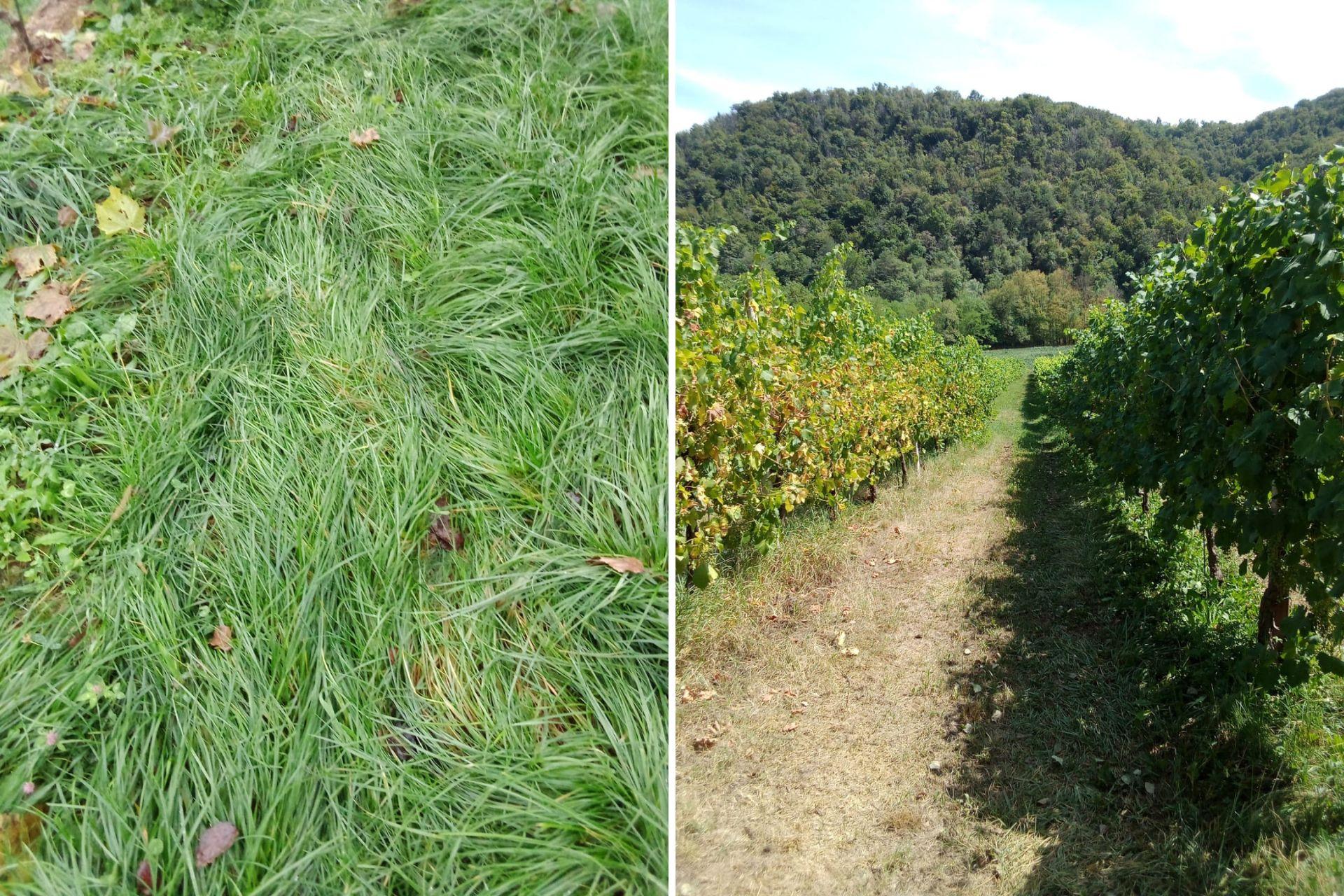
Photo 1 Detail of turf developed with BioAksxter®
Photo 2 Comparison between two neighbouring vineyards with and without BioAksxter® grass cover
Why BioAksxter® improves ground cover in vineyards and orchards
The improvement observed in grass cover is based on a fundamental biochemical phenomenon: the redox potential of the soil, i.e. the soil's ability to maintain redox balances that are favourable to the exchange of oxygen and nutrients. This concept has been explored in depth in the work of Professor Luigi Campanella, who has studied the effects of BioAksxter® on the modulation of redox potential and soil biological activity.
In soils treated with BioAksxter®, Campanella found significantly higher redox potential than in untreated soils. In practice, this means:
- greater activation of oxidative and reductive processes, which are essential for the nitrogen, carbon and organic substance cycles;
- better oxygen availability at root level, which promotes the vitality of microfauna and beneficial bacteria;
- an environment less favourable to the proliferation of opportunistic weed species, benefiting herbaceous species that complement the crop.
In conclusion, the real agronomic value of BioAksxter® does not lie in “growing more grass”, but in improving soil response, allowing grass cover to work in synergy with crops, improving the resilience, fertility and sustainability of the plantation.


