
Increase crop quality and market value
In today’s agri-food market, crop quality functions like a currency: everyone talks about it, but few truly understand how its value is determined.
Two agricultural products that appear visually similar may achieve very different economic results, even when originating from the same geographical area and harvested in the same period. The difference is not random and does not depend solely on the selling price, but on a range of factors including product perception, cultivation method, commercial grading, shelf life, certification schemes and the trust of the entire agri-food supply chain.
For a long time, crop quality was reduced to a vague concept, often linked only to aesthetic appearance or compliance with minimum standards.
Today, this approach is no longer sufficient. Increasingly competitive markets, better-informed consumers and more selective distribution channels demand crops with superior organoleptic properties, absence of chemical residues and product freshness. Therefore, increasing crop quality means building tangible, verifiable and transferable value throughout the entire sales chain.
What is meant by crop quality today?
Speaking today about crop quality means answering a question that, in agriculture, has never remained the same over time. What was considered “quality” fifty years ago no longer corresponds to what the market demands today. This is not because agriculture has changed in its techniques, but because the objectives, expectations and consequences of every production choice have changed.
From the post-war period onward, crop quality was synonymous with quantity: producing more, ensuring sufficient food supply and reducing losses. Industrial agriculture responded to this need through the introduction of chemistry, prioritising yield, uniformity and resistance. In that context, visual appearance and compliance with commercial standards were sufficient criteria to define a good agricultural product.
Today, however, that same approach can no longer be sustained. The modern consumer is increasingly informed and aware — and do you know why? The growing spread of diet-related diseases has focused attention on what people bring to the table, leading many to question the origin of food and the conditions under which it is grown. Depleted and contaminated soils, intensive agricultural practices and the extensive use of chemical inputs directly affect the final quality of the product, making it clear that what happens in the soil inevitably reflects in food and, consequently, in the human body.
It therefore becomes necessary to define crop quality through the following parameters:
- A first distinguishing element is represented by organoleptic properties. This does not simply mean “good taste”, but rather the ability of a product to express a defined, recognisable and consistent sensory profile over time. A high-quality crop today is one that the consumer can recognise, remember and choose again because it maintains flavour, aroma and texture even after days or weeks.
- Alongside the sensory dimension, crop quality is increasingly linked to food safety. The presence of chemical residues is no longer merely a regulatory issue, but a factor that directly affects human health.
- Finally, one often underestimated yet decisive parameter is crop storability, or shelf life. Today, quality does not end at harvest: it is measured by the product’s ability to maintain its characteristics over time. Good storability reduces food waste, improves logistical management and makes crop value more stable.
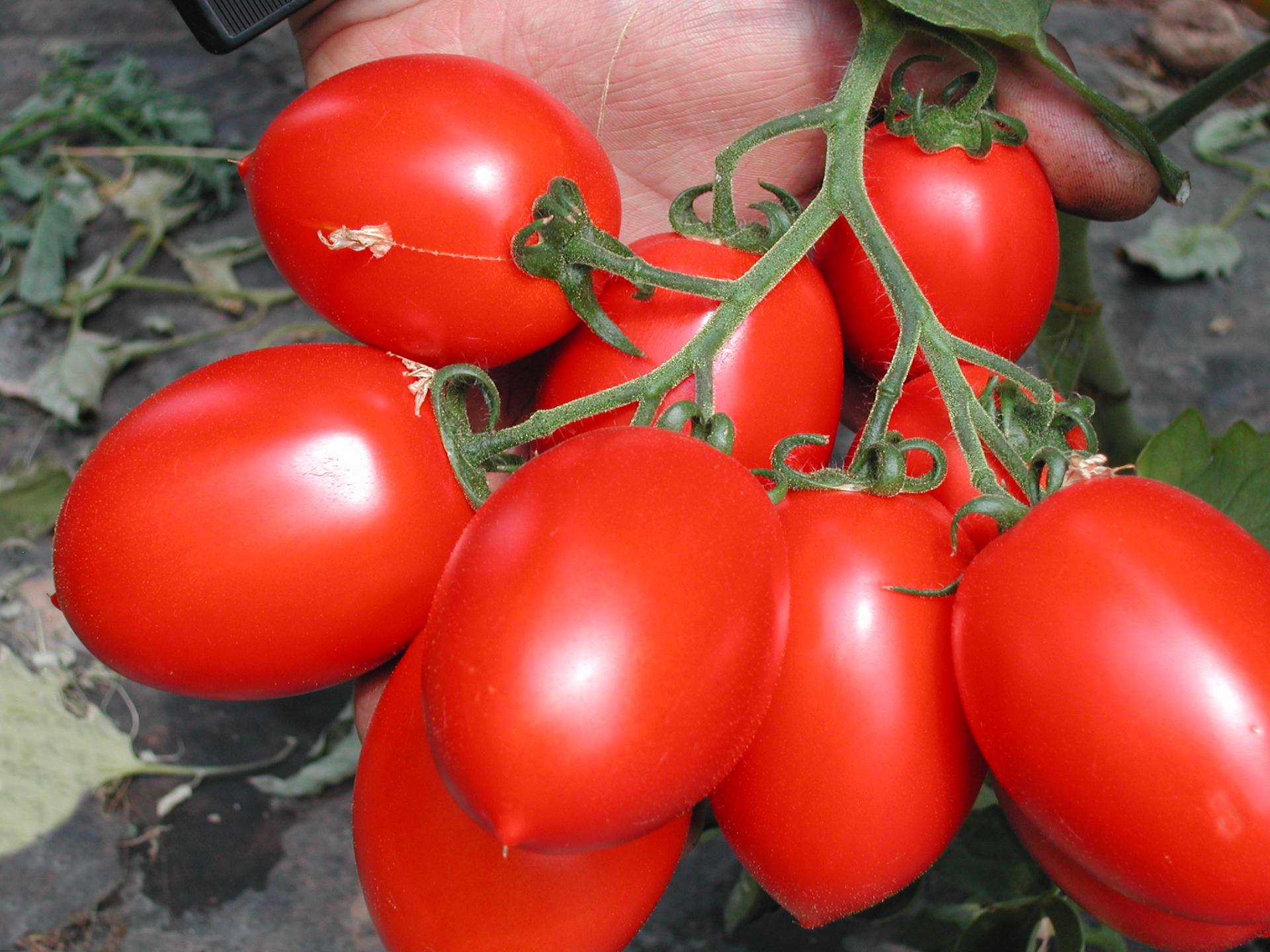
In the photo: tomatoes free from chemical residues and contaminants, grown using BioAksxter®.
Why increasing crop quality means standing out from the competition
Across the various agri-food sectors, supply is abundant, homogeneous and often difficult to distinguish. It is precisely in these saturated markets that crop quality becomes the main factor of differentiation.
For a long time, the concept of “innovation” in agriculture has been misunderstood: higher-performing varieties, more intensive techniques, increasingly forced inputs. This model has improved production efficiency only in the short term, but it has also contributed to flattening supply toward a low-to-average standard, in which many agricultural products lack identity and distinctive value.
Increasing the quality of agricultural products means breaking away from this flawed logic. But it also means acknowledging a profound change that concerns not only the way crops are grown, but also the way food is consumed.
The context in which agriculture was primarily expected to “feed” the population is no longer the same. For roughly two decades (from 1945 to 1965), the priority was to ensure sufficient quantities for large families with limited financial resources and few alternatives. In that model, price and availability took precedence over everything else, and quality was often sacrificed in favour of abundance.
Today, the scenario has changed radically. Families are smaller, average levels of well-being have increased, and access to food no longer represents, in most cases, a matter of survival. The modern consumer no longer seeks simply to “eat”, but to eat better. Consumers are more informed, more selective, and increasingly unwilling to accept “anonymous” products. Their willingness to pay more is not linked to luxury, but to food quality. More and more people prefer to purchase fewer agricultural products, but with superior characteristics: flavour, digestibility and shelf life.
So, dear farmer, do you want to keep chasing the price imposed by the market, or do you want to be the one who gives value to what you produce? And above all, what is your farm known for today? If someone were to speak about your products, what would they say?
Agricultural product quality and farm competitiveness
If, in the agri-food market, crop quality functions like a currency, then its value depends on how much it is recognised by the buyer.
An indistinguishable agricultural product behaves like a weak currency: it circulates, but has no strength, and its price is determined by others. By contrast, when quality is evident and consistent, the product acquires value of its own and ceases to be easily replaceable.
Increasing crop quality, therefore, is not a theoretical matter: it has a direct impact on how much you sell, under what conditions, how much you earn, and on the long-term stability of your farm.
When an agricultural product fails to stand out on the market because it lacks quality, its price is determined almost exclusively by commercial dynamics and the farm is forced to adapt. When quality is real and perceptible, however, a condition is created in which the value of the agricultural product is no longer determined exclusively by the market. This is not about “selling at a higher price”, but about no longer being forced to sell at a discount.
A second aspect is linked to all of this, less immediate, but decisive: commercial trust. Within the agri-food supply chain, a crop that varies too much from one supply to the next generates instability, whereas a product that remains consistent over time becomes a benchmark. It is precisely this continuity that transforms an occasional sale into a stable commercial relationship.
The quality of the agricultural product therefore directly affects sales continuity. A farm that offers a reliable crop is better able to plan, reduce waste, build relationships less exposed to price pressure and more oriented toward collaboration. In other words, the shift is from a sales logic to a positioning strategy.
How to increase crop quality with BioAksxter®
Improving crop quality is not the result of a single intervention, but of an agronomic approach that begins with the soil. It is in the soil that the conditions are established which directly influence plant resilience, health and the plant’s ability to express qualitative characteristics.
It is precisely in this context that BioAksxter® is positioned: a decontaminating fertiliser used as a tool to restore productive soil conditions and support the crop toward a higher qualitative expression.
On farms, the use of BioAksxter® has shown progressive changes both at soil level and in the final product.
The results reported below demonstrate greater crop uniformity, a clear reduction in soil-related issues, increased crop stability, and improved crop quality, with evident effects also during the post-harvest phase.
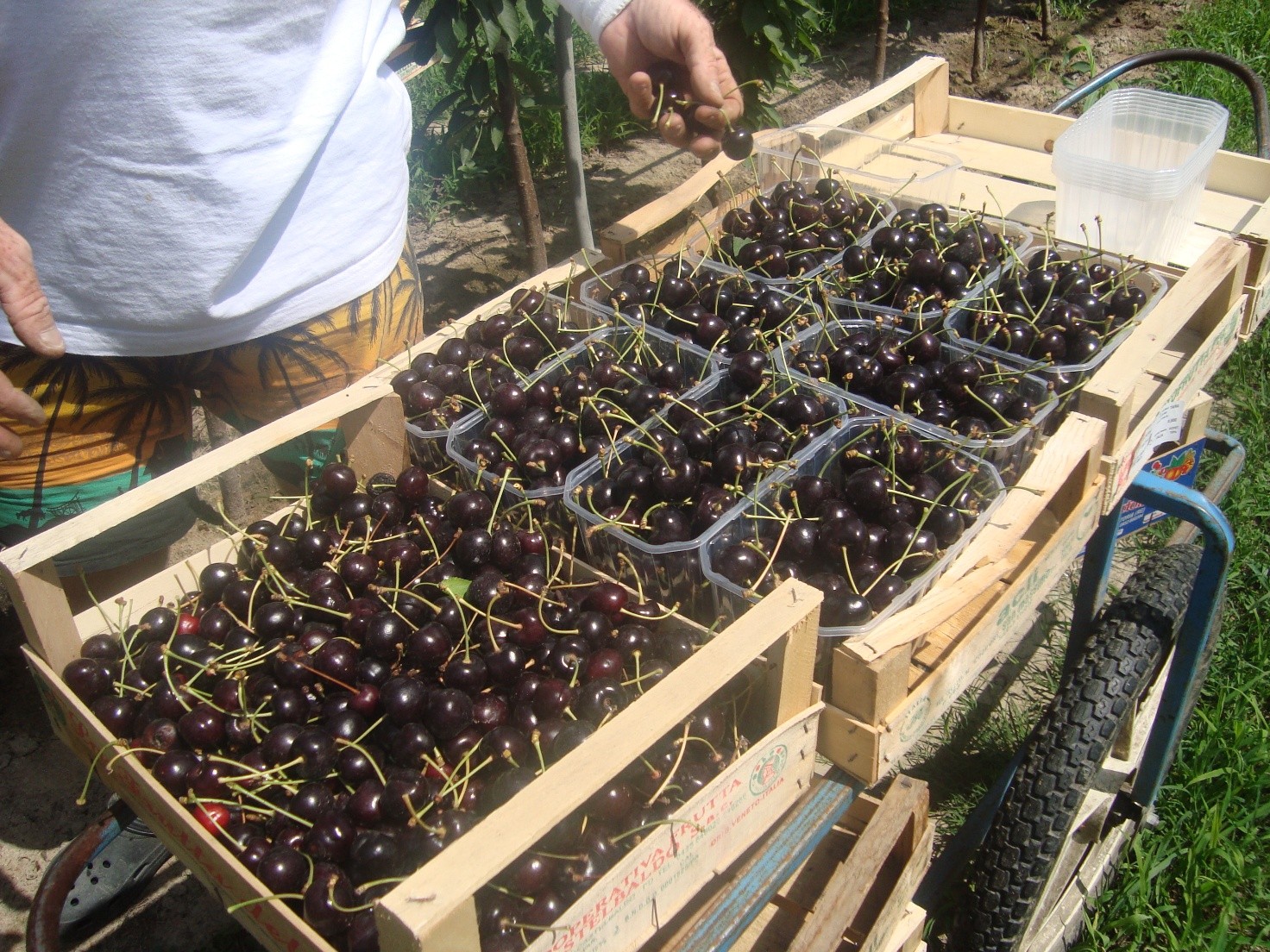
Cherry cultivation with BioAksxter®, A. S. Farm | Verona
Increase in fruit size of Durone di Verona cherries
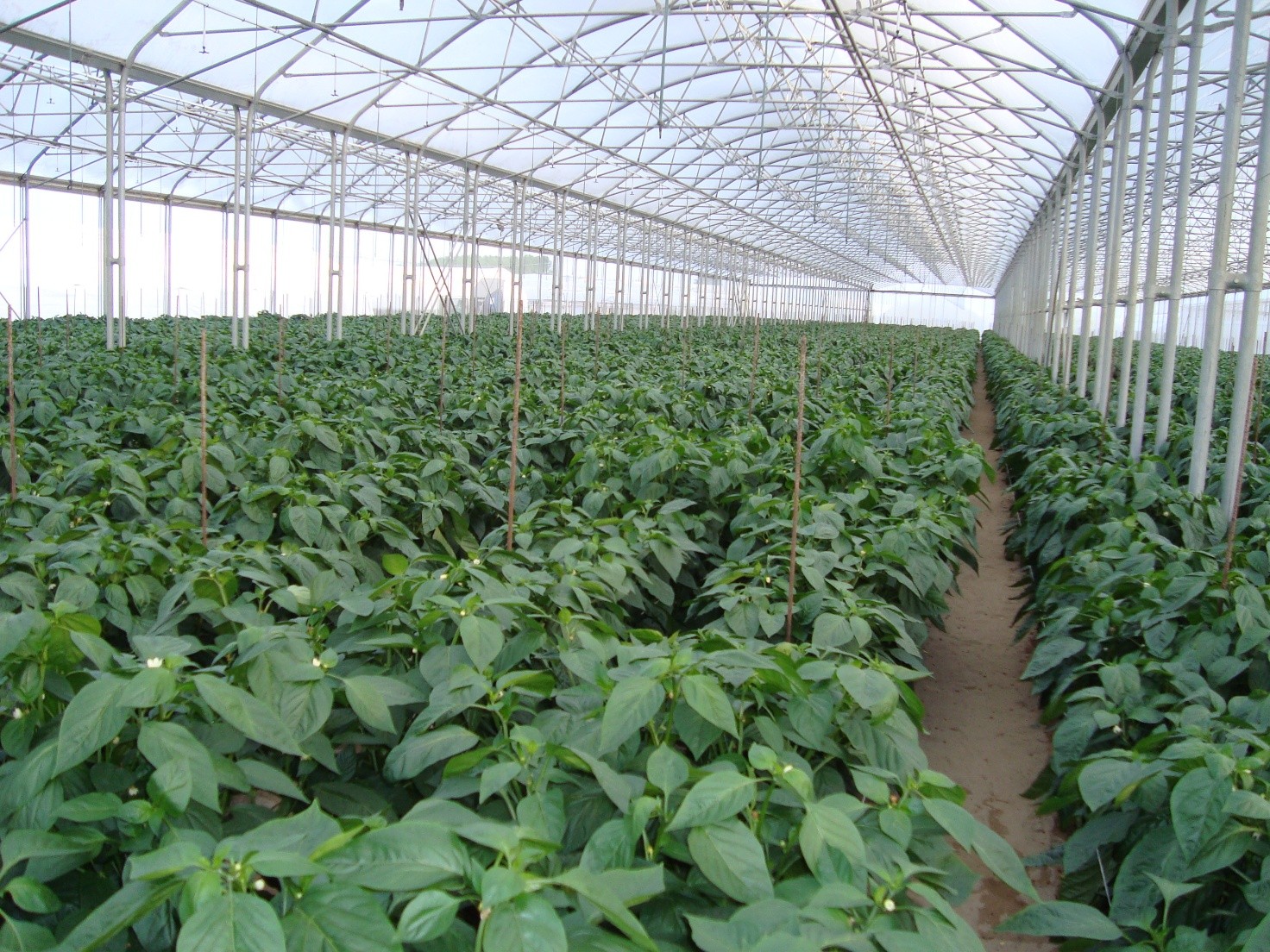
Greenhouse pepper cultivation with BioAksxter®, B. L. LM. Farm | Turin
Improved soil balance and, consequently, better vegetative expression of the plant
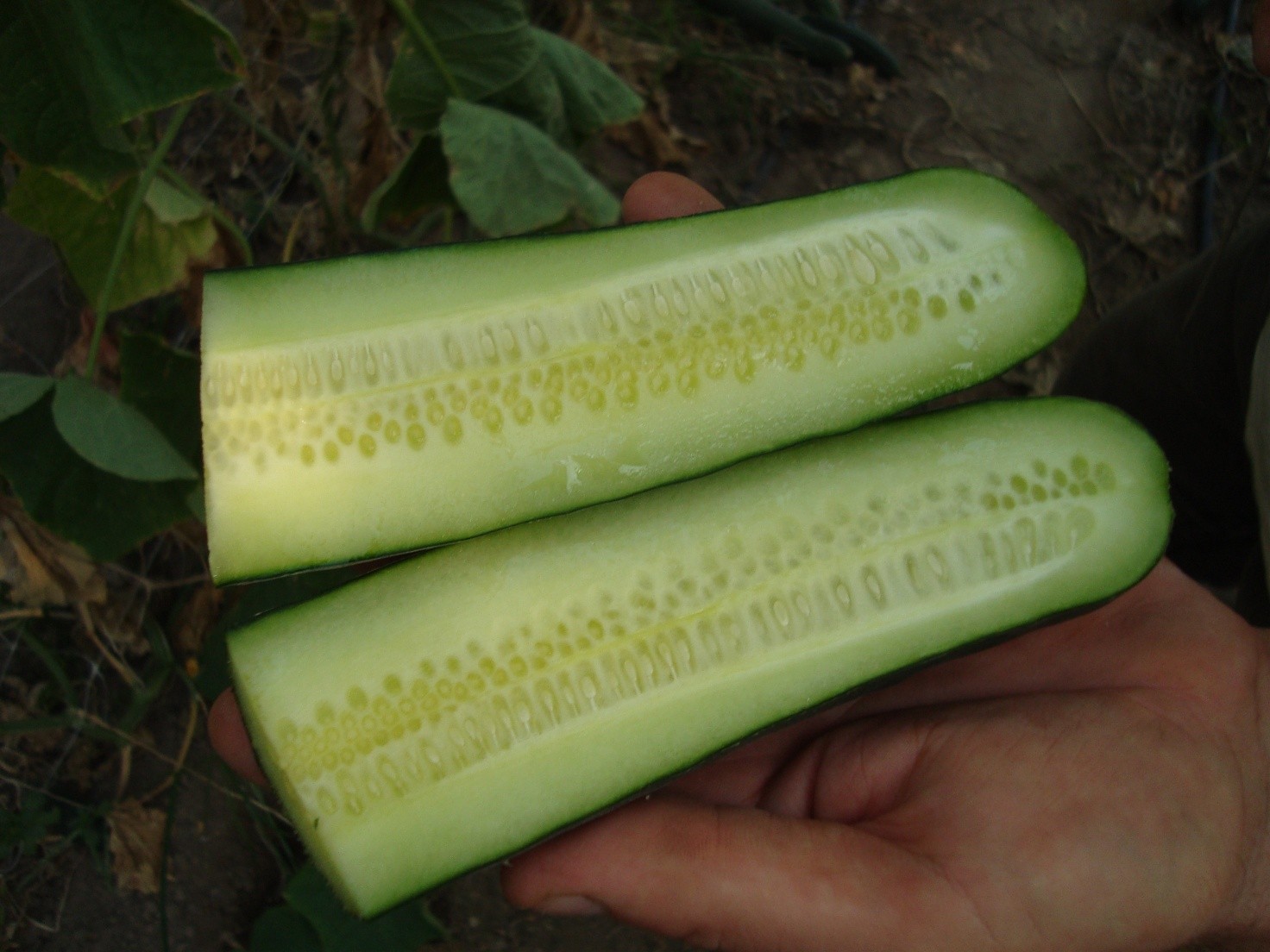
Greenhouse cucumber cultivation with BioAksxter®, B. A. S. Farm | Bari
Regular and well-formed internal fruit structure, indicating plant balance
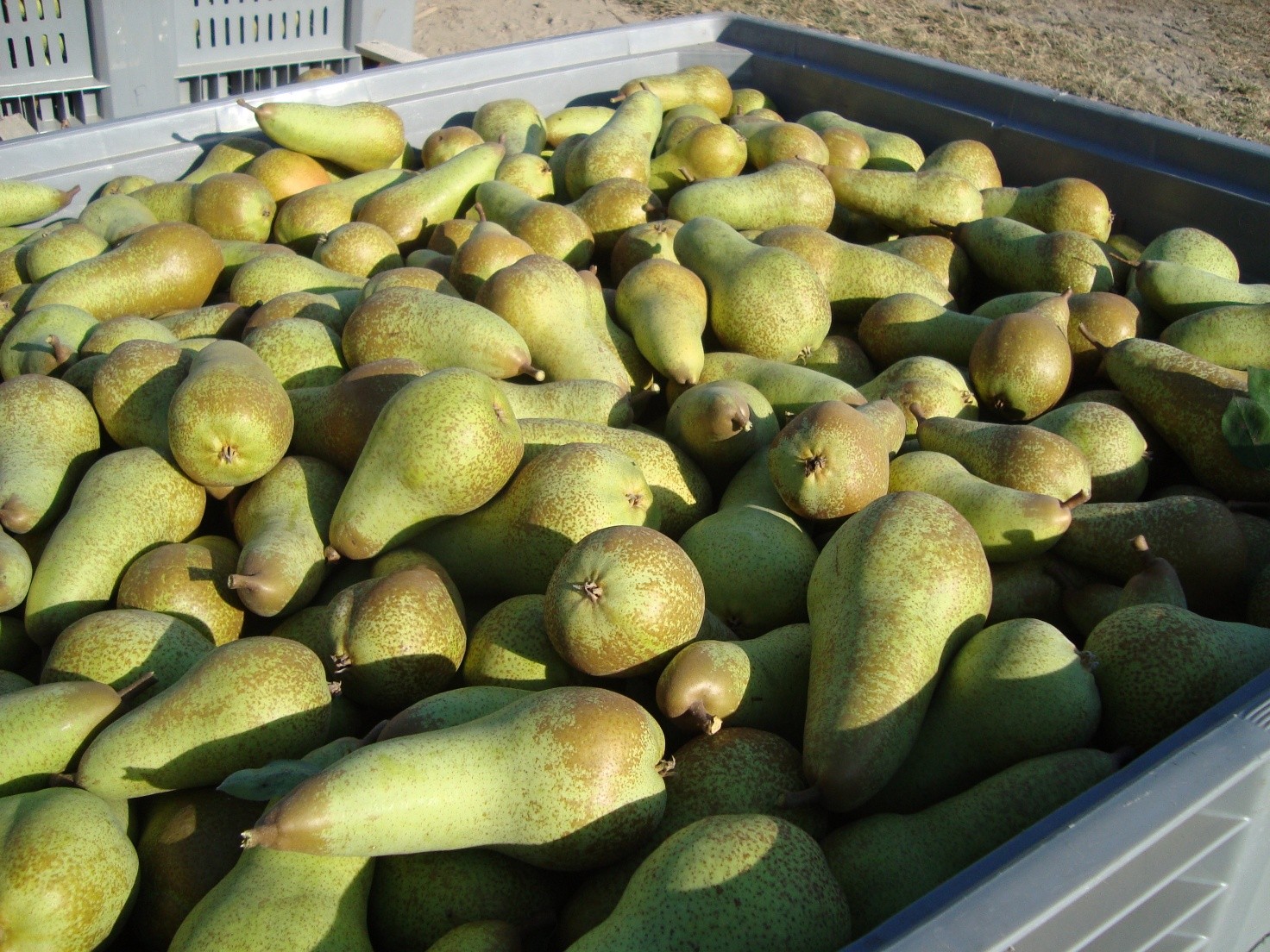
Pear cultivation with BioAksxter®, M. B. Farm | Reggio Emilia
High-quality, zero-residue harvest
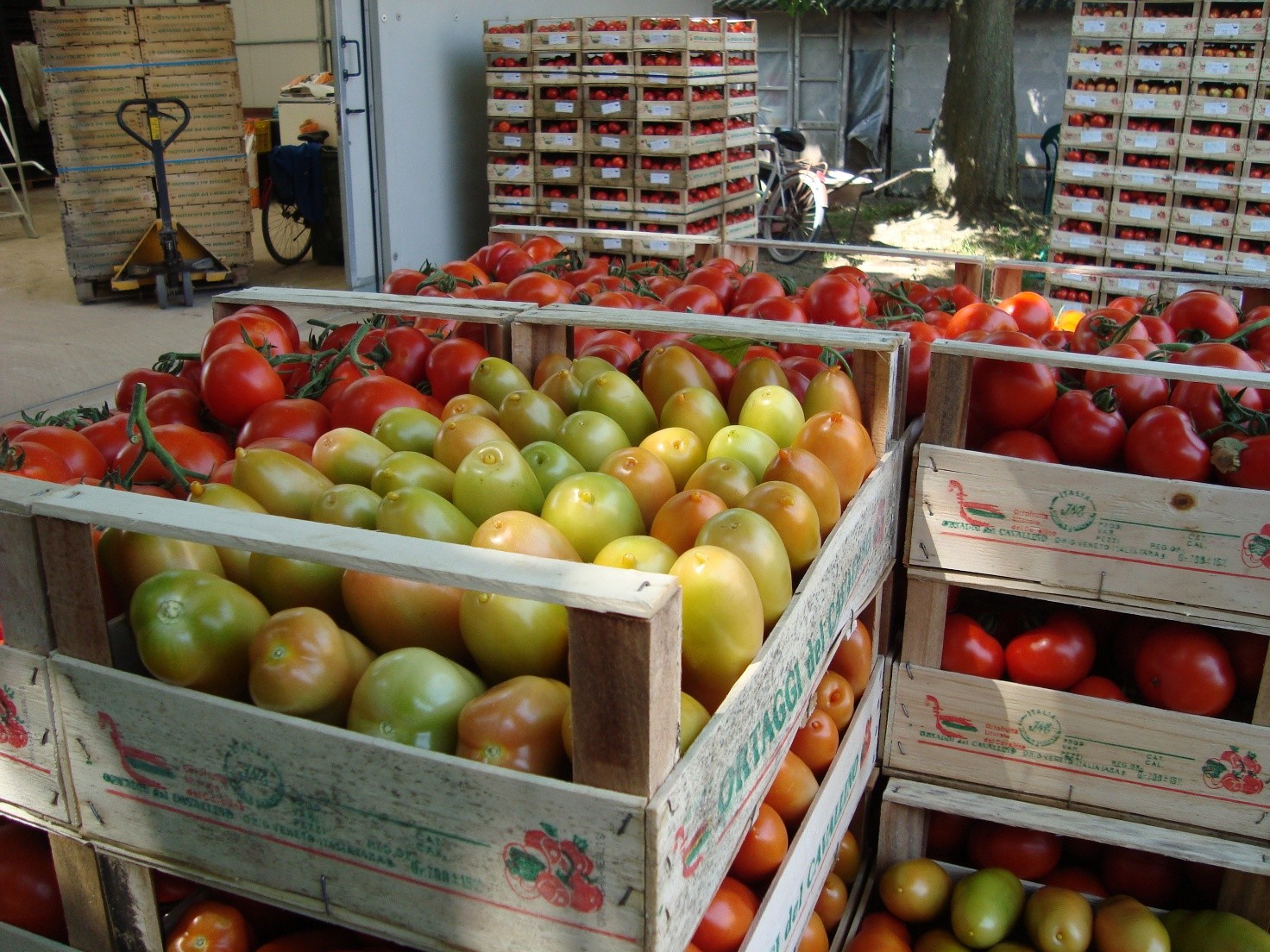
Tomato cultivation with BioAksxter®, A. B. Farm | Venice
Harvest characterised by high uniformity and fruit firmness
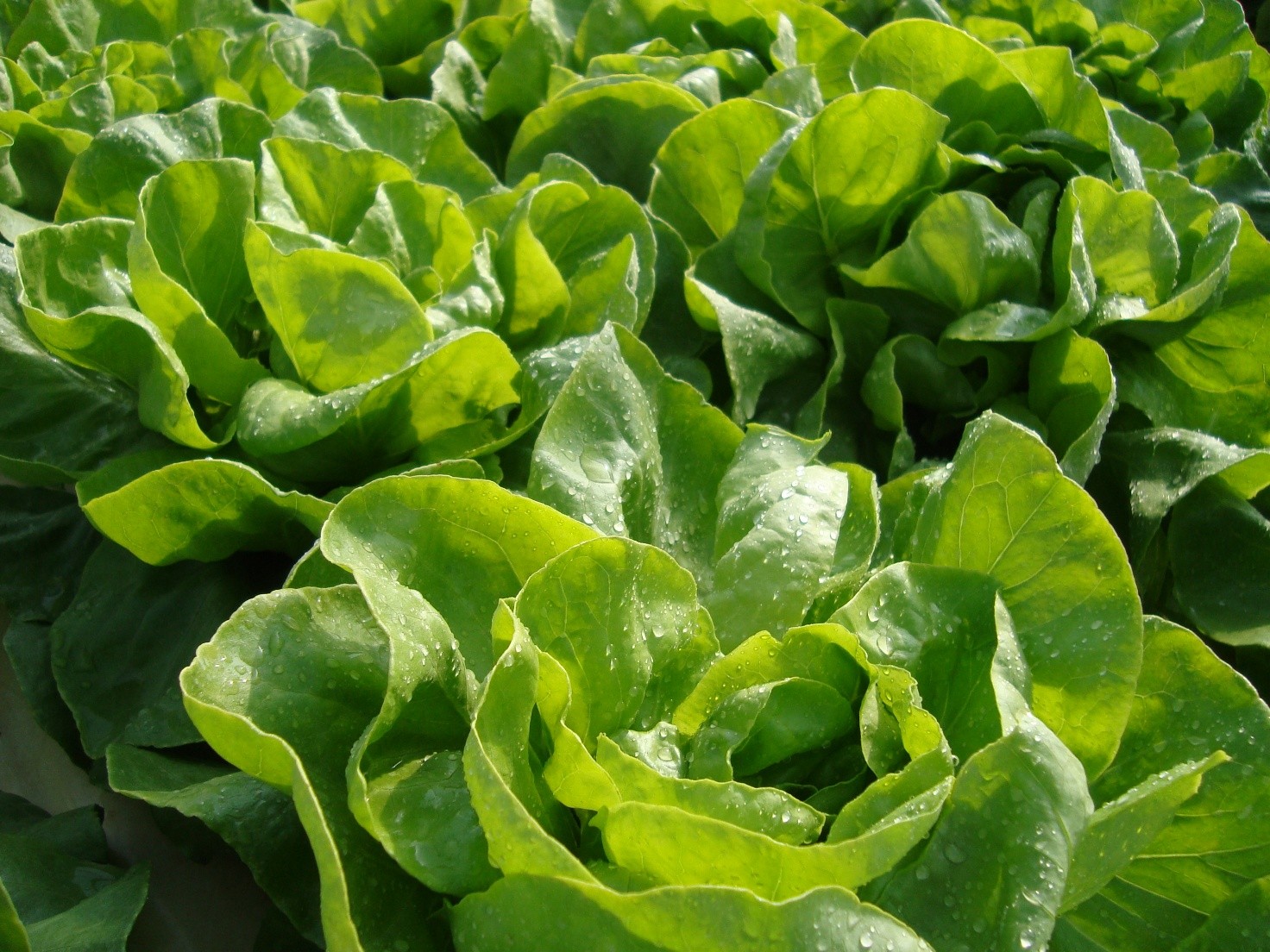
Greenhouse lettuce cultivation with BioAksxter®, F. V. Farm | Cremona
Turgid and well-developed leaves, indicating excellent quality and plant physiological status
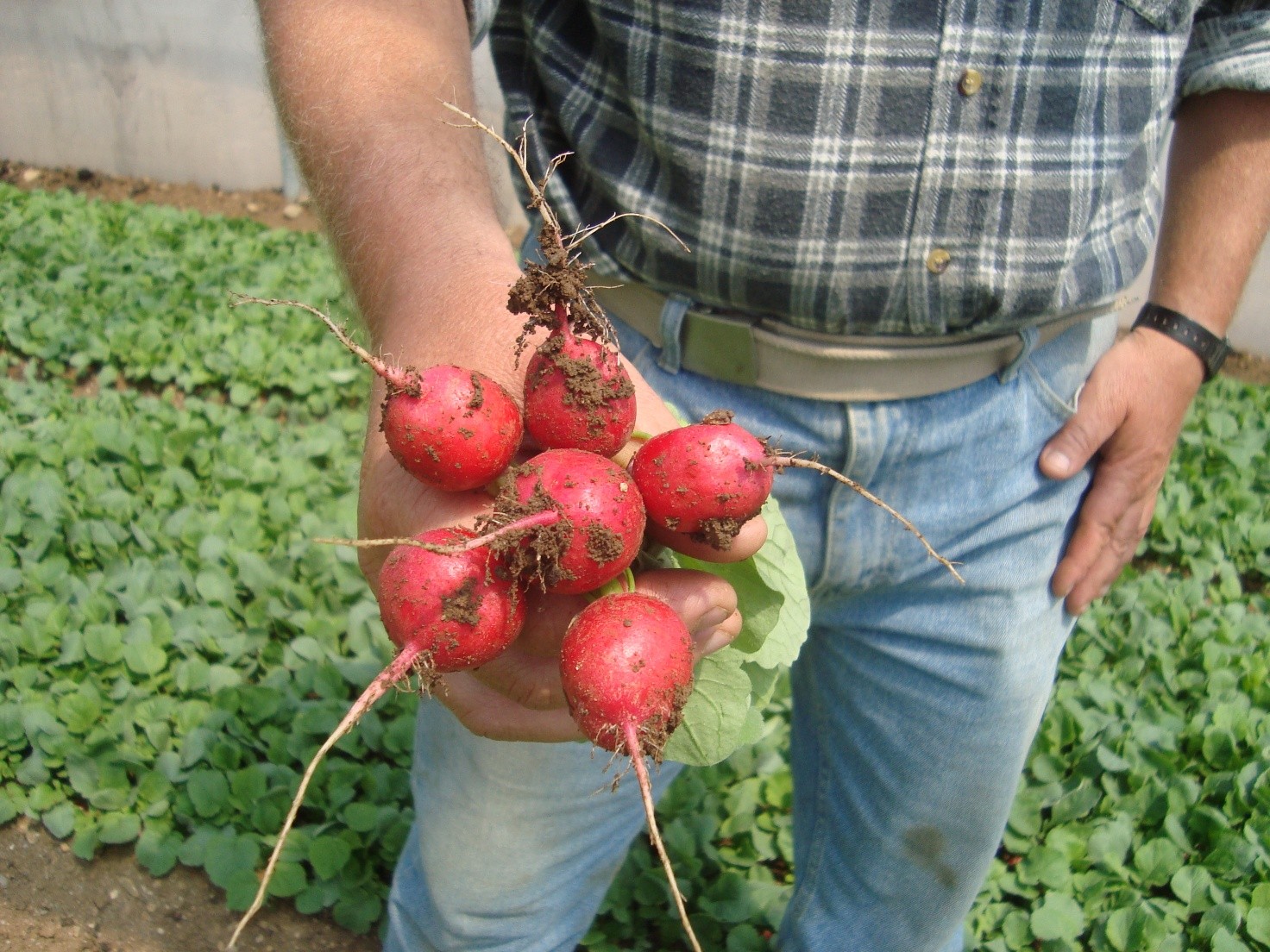
Radish cultivation with BioAksxter®, F. C. Farm | Bergamo
Uniform harvest ready for marketing, with regular development of bulbs and roots
To learn more about results achieved in different crops and production contexts, visit the BioAksxter® website and explore the dedicated BioAksxter® case studies section, the technical area, and the Magazine’s featured articles.


