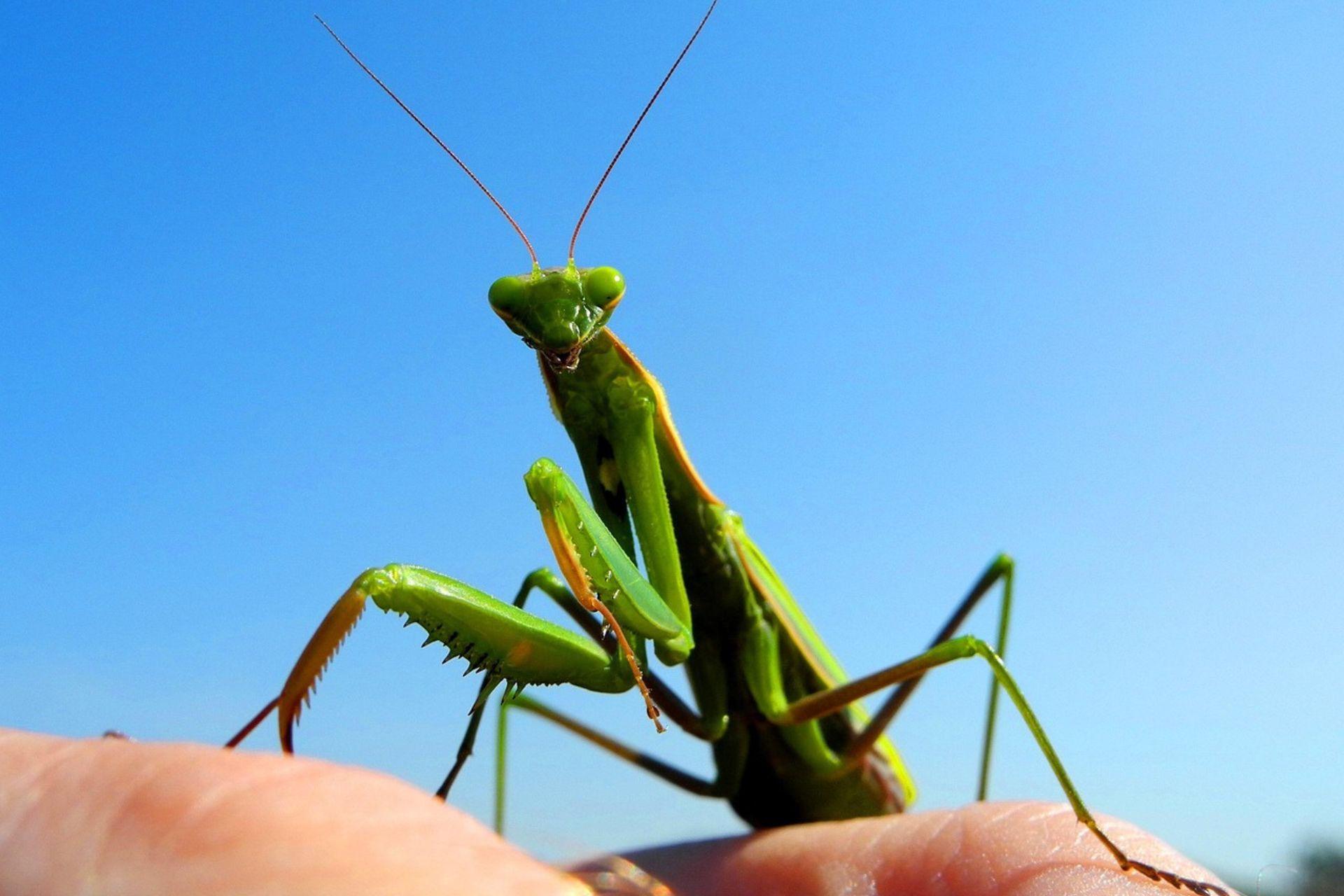
Insects: valuable bioindicators in agriculture
Insects are not merely organisms to be controlled or functional resources for pollination. In agroecosystems, they primarily act as bioindicators: their presence, absence or abundance reflects the health status of an environment.
Entomological communities respond rapidly to changes in soil fertility, microclimatic conditions, agronomic management practices and chemical pressure. This responsiveness makes insects particularly effective tools for interpreting what is happening in the field before symptoms become clearly visible on plants. They indicate not only what is changing, but often also how and why.
In a functional agricultural system, balance does not coincide with the absence of insects, but rather with the presence of active and diversified biological networks capable of self-regulation. A biologically vital soil, well-nourished crops and an adequate availability of energy promote stable trophic chains, in which even phytophagous insects encounter natural limits to their expansion.
This is the direction in which BioAksxter® has always operated: understanding life in order to improve, in a natural way, the productivity, stability and well-being of the agricultural ecosystem.
A reinterpretation of the entomological world: insects as an autonomous biological system
The research of Alessandro Mendini introduces a reinterpretation of the entomological world that goes beyond the traditional classification of the natural kingdoms: insects, in fact, would not simply be a branch of the animal kingdom, but an autonomous biological system, with its own laws and dynamics, thus constituting a true natural kingdom.
Within this framework, the organisation of the kingdoms of nature is also reconsidered according to a sequence different from that commonly accepted by classical biology. The structure follows a progressive order:
0. Energy, understood as the primordial principle of matter and the necessary condition for every form of life.
1. Mineral kingdom, as the expression of inert matter.
2. Plant kingdom, the fundamental link in the transformation of inert matter into biomass.
3. Insect kingdom, an essential intermediary in the food chain. Insects were the first organisms to develop an exoskeleton and the first to colonise terrestrial environments, through structures enabling respiration and movement outside water.
4. Animal kingdom, of which humans are also part.
Insects perform their role in ecosystems not only through processes of attraction, but also through mechanisms of repulsion. An emblematic example is represented by ants, which produce formic acid as a substance for defence, signalling and spatial delimitation. This production does not follow a random logic, but rather a specific function: to create unfavourable conditions, discourage unwanted interactions and contribute to the regulation of biological relationships.
In nature, life is not organised solely through what attracts, but also through what repels. Attraction and repulsion constitute two complementary forces that contribute to the balance of living systems.
The ability of many insect species to travel long distances, even across territories and different countries, follows the same logic: not a random movement, but a response to environmental gradients, chemical signals and favourable or unfavourable conditions.
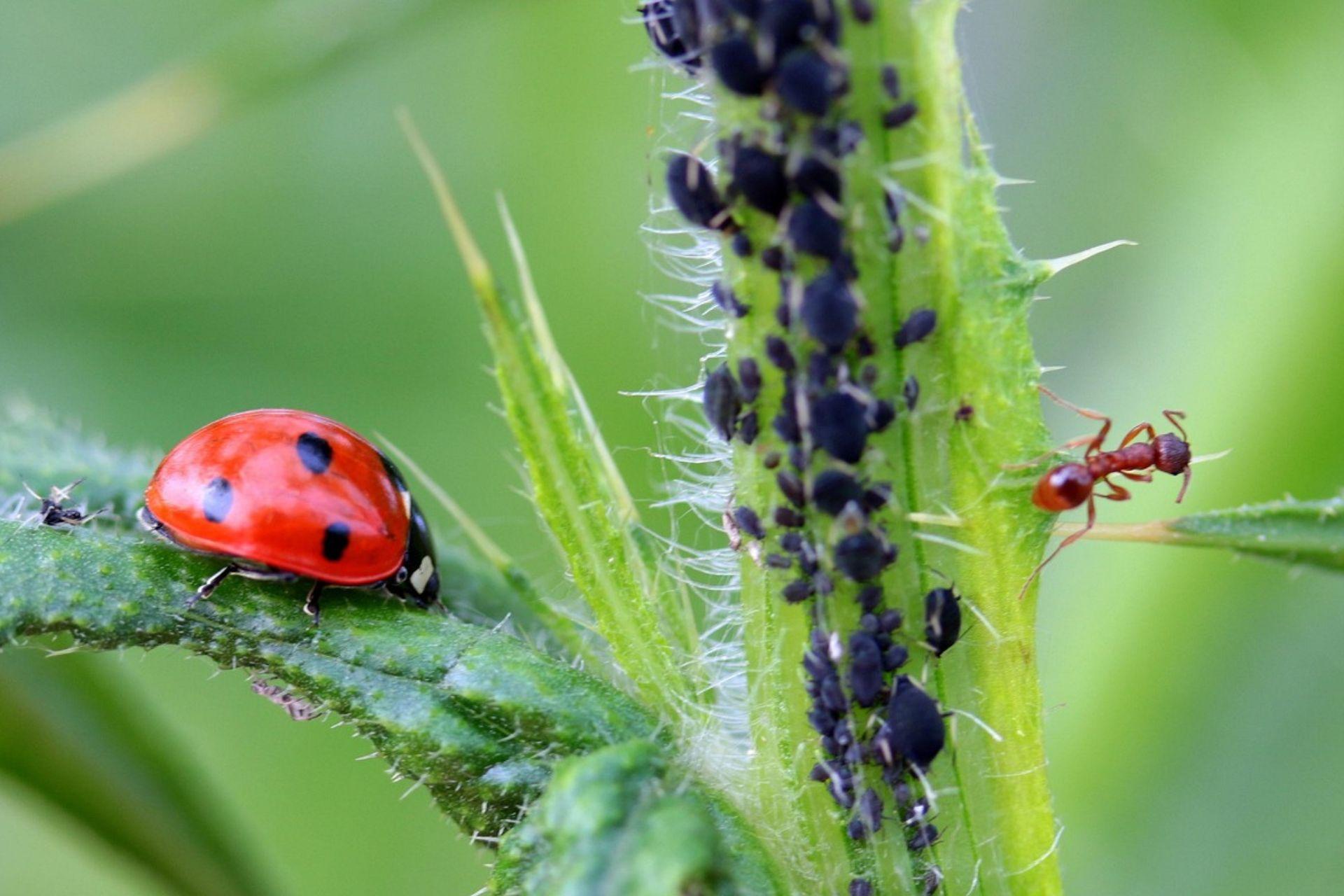
Insects and Bioindication in Agriculture
In agronomic contexts, bioindication is not based on the mere presence of organisms, but on the interpretation of biological populations in relation to the processes occurring within the soil–plant–atmosphere system. This type of analysis is particularly suited to insects, as they occupy different trophic levels, have short life cycles and respond rapidly to environmental variations.
From an operational perspective, an insect becomes a bioindicator when its population dynamics are correlated with one or more measurable agronomic factors, such as soil fertility and structure, tillage management and the use of chemical inputs. It is therefore not the species itself that “provides the information”, but rather the behaviour of the population over time.
As already mentioned in the introduction to this article, entomological bioindication is based on three main parameters:
- presence: indicates that the system provides minimum resources compatible with the insect’s biological cycle. In many cases it signals favourable conditions, but not necessarily equilibrium;
- absence: indicates limiting environmental conditions, biological simplification or chemical, physical, biological and magnetic alterations. This is a typical factor in highly polluted agricultural areas;
- dominance: the marked prevalence of a few species, particularly phytophagous ones, is often associated with biotic and abiotic stress, a reduction in self-regulation mechanisms and, above all, with an agricultural environment saturated with pollutants.
Often, when intensive agriculture is discussed, though not exclusively, attention focuses only on the presence of the “harmful” insect. From a bioindicator perspective, however, the correct question a farmer should ask is: why does that population find favourable conditions for proliferation here?
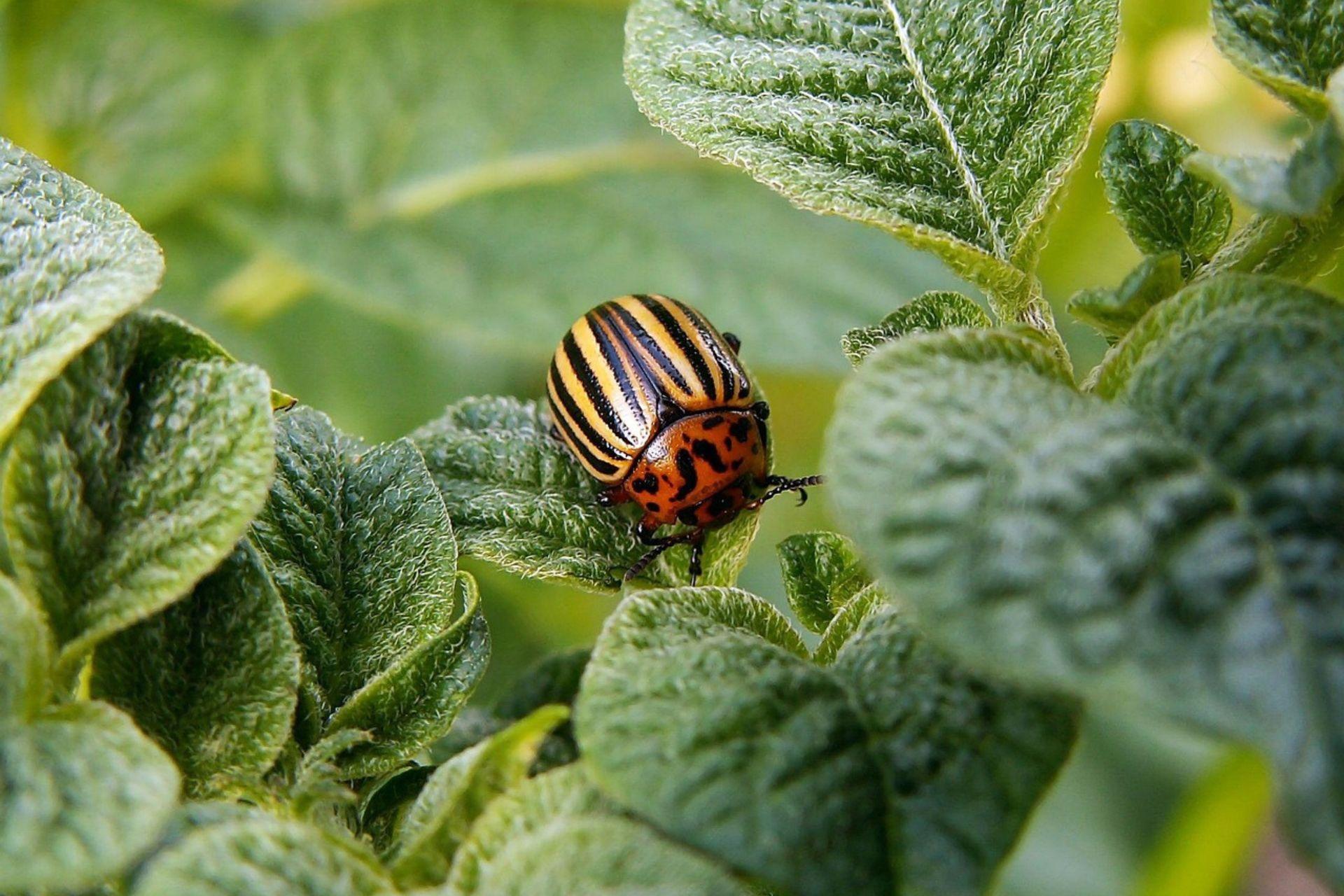
Direct observation of insect populations
Direct observation of insect populations during the crop cycle should not focus exclusively on the presence of individual species, but rather on the overall dynamics, namely the early or late appearance of populations, their spatial distribution and their persistence over time.
Below are some practical examples that can be observed during field monitoring:
- Example — Aphid outbreak on very tender vegetation
Field evidence → Rapid increase of aphids on shoot tips and young leaves; presence of honeydew and possible development of sooty mould; vigorous plant growth.
Agronomic interpretation → Often associated with an excess of readily available nitrogen (high inputs, rapidly soluble forms, accelerated release) and/or an imbalance among N/K/Ca. Plant tissues with a high proportion of organic compounds become more attractive to aphids, and the plant tends to push vegetative growth at the expense of tissue stability. As a consequence, internodes become elongated and tissues more watery. - Example — Persistent thrips under hot/dry conditions and “stressed” plant growth
Field evidence → Thrips present on leaves and flowers; silvery discoloration and microlesions; more evident presence in drier areas or on plants under stress.
Agronomic interpretation → Thrips populations tend to increase under hot and dry microclimatic conditions and in plants with reduced physiological responsiveness. A connection is often observed with intermittent water stress, irregular irrigation management, poor soil cover and reduced humidity between rows. In some contexts, this may also represent an indirect signal of low rhizospheric efficiency (a poorly developed root system with discontinuous uptake of water and nutrients). - Example — Mites (spider mites) occurring in patches, especially along borders and in dusty areas
Field evidence → Red spider mites/tetranychids causing speckling and bronzing of leaves, with the presence of webbing; patchy distribution, often along field borders, in dusty zones or on more stressed plants.
Agronomic interpretation → A frequent signal of water stress combined with heat and dust (farm roads, dry tillage operations) and of microclimatic conditions favourable to mites. The agronomic component often relates to water management, soil cover and nutritional balance, as plants that are either pushed or stressed tend to respond less effectively. - Example — Early leaf miners or lepidopterans following excessive vegetative growth and intensive nitrogen management
Field evidence → Early appearance of leaf miners or larvae causing damage on young leaves, often associated with vigorous vegetative growth and a dense canopy.
Agronomic interpretation → An excessively dense canopy creates favourable internal microclimatic conditions, leading to increased humidity and stagnant air, as well as a high production of young tissues that are often more vulnerable. This signal indicates the need to reconsider nutritional balance and vegetative management, rather than focusing solely on insect control. - Example — Marked decline of predators/parasitoids after treatments or in “simplified” plots (monocultures)
Field evidence → Phytophagous insects present and increasing, but absence or strong reduction of predators (lady beetles, lacewings, hoverflies) and parasitoids; the field appears “biologically silent”. The phenomenon is more pronounced after repeated treatments or in areas with low ecological diversity.
Agronomic interpretation → This is a signal of loss of bioregulation: an impoverished trophic chain, compromised habitats and high chemical pressure. From an agronomic perspective, it indicates that the system is oriented toward “external” control (dependent on inputs) and struggles to maintain self-regulation. - Example — “Absence” of visible entomofauna and weak biological response in stressed areas
Field evidence → Scarcity or absence of insects in general (not only phytophagous species), with limited presence even of decomposers and microorganisms; the field appears biologically “flat”. Plants show irregular growth and slow physiological responses, conditions that may favour the severity or increase of plant diseases.
Agronomic interpretation → An indication of limiting conditions: low soil vitality, soil degradation, persistent chemical residues or contamination, low organic matter content, soil compaction, waterlogging or root asphyxia.
In these compromised contexts, the absence or marked reduction of insects is not a neutral signal, but often the consequence of direct or indirect contamination of the agricultural system. Residues of plant protection products, unbalanced fertilisation, and the accumulation of salts, metals or persistent molecules in the soil alter the biological functioning of the rhizosphere and interrupt trophic chains, making the environment selective and biologically impoverished. Under these conditions, insects respond by drastically reducing their presence or by concentrating into a few stress-tolerant species. Restoring the biological conditions of the soil therefore becomes an essential step in reactivating natural regulatory processes, reducing pollutant pressure and rebuilding an environment favourable to biodiversity. On farms, the progressive elimination of contaminating interferences is achieved through the decontaminating bio-formulations BioAksxter®. In this way, entomological communities return to performing their role as bioindicators and regulators of the agroecosystem.
Parasitization and phytophagy as indicators of biological self-regulation
In ecological–agronomic contexts, parasitism refers to a set of biological relationships established among insects, in which a parasitoid uses another insect as a host to complete its life cycle, thereby limiting the host’s development and reproductive capacity.
Parasitism represents a natural regulatory mechanism, as it contributes to containing phytophagous insects without leading to their elimination. Its excess, absence or rarefaction signals the inability of an agroecosystem — already subjected to environmental and management pressures — to sustain self-regulation processes.
In the case of phytophagy, by contrast, reference is made to the direct relationship between insect and plant, in which the insect feeds on plant tissues. Phytophagy in itself does not represent an anomaly: it is a natural component of the agroecosystem and forms part of the normal trophic exchanges between plants and insects that occur during the crop cycle. It becomes a signal of imbalance when the presence of phytophagous insects increases excessively or persists over time and is no longer contained by normal regulatory mechanisms. In such cases, the problem is not the insect itself, but the alteration of the conditions that affect the stability of the population.
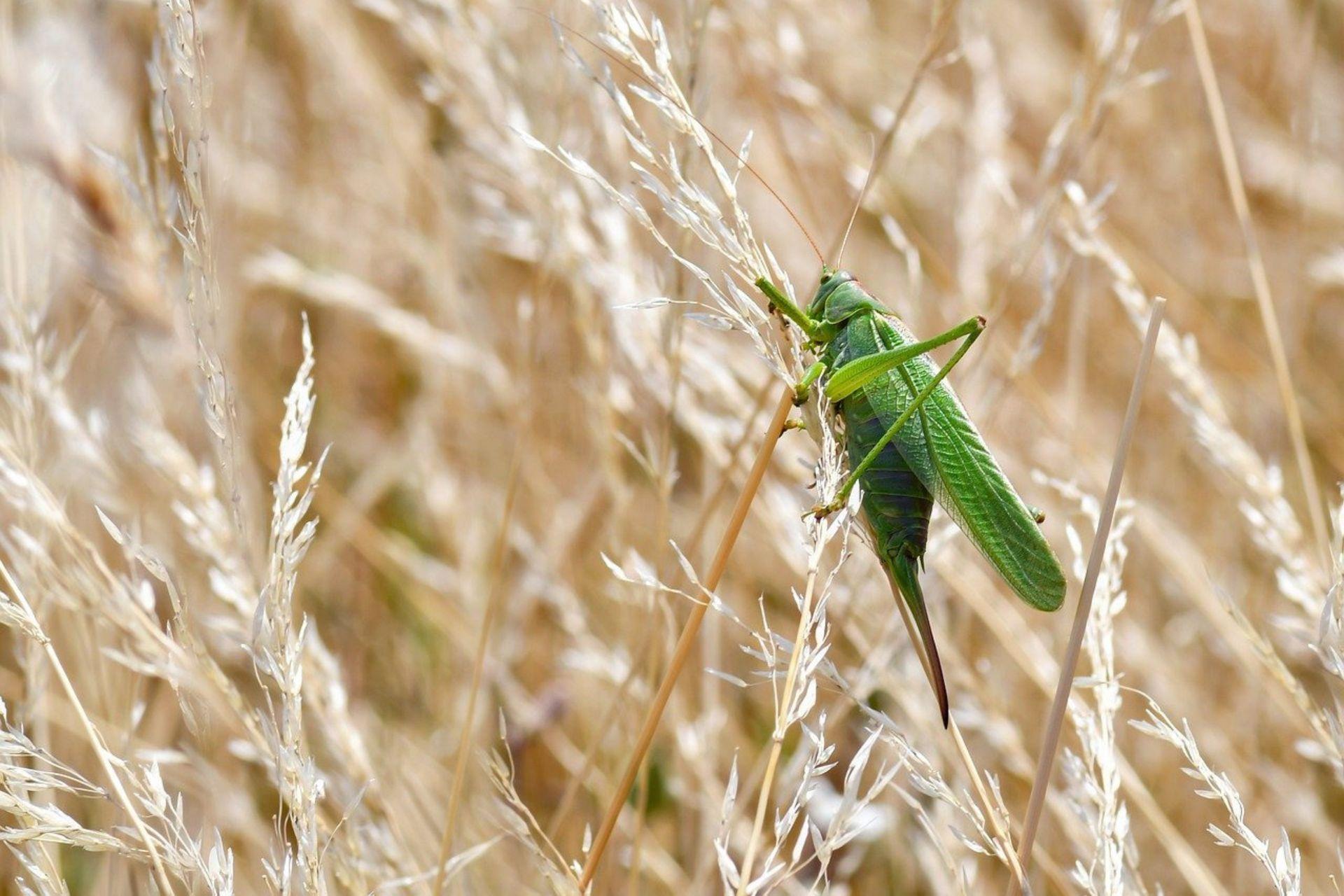
Alien insects and the vulnerability of agricultural systems
The term alien insects refers to species introduced outside their natural range that are able to establish themselves permanently thanks to favourable environmental conditions and the absence of effective biological regulation mechanisms.
The spread of alien insects in agricultural agroecosystems is therefore closely linked to the degree of vulnerability of the system that hosts them.
The absence or weak presence of natural antagonists, combined with physiologically stressed crops and polluted soils, allows the alien insect not only to cause damage but also to amplify the imbalance.
The management of alien insects therefore cannot be limited to emergency measures or direct containment actions.
It is necessary to reconsider the agronomic approach as a whole, shifting the focus from the containment of a single organism to the rebalancing of the system that has favoured its establishment. Reducing the vulnerability of agroecosystems means addressing the underlying causes of imbalance.
This is the direction in which BioAksxter® operates, designed to decontaminate environmental matrices and restore the conditions necessary for the agroecosystem. Only in this way can resilience and the capacity to integrate new pressures be increased without allowing them to turn into chronic problems.
Alien insects of agronomic importance introduced in Europe (Post-1945)
| Species | Area of Origin | First Record in Europe | Affected Crops |
|---|---|---|---|
| Scaphoideus titanus (American grapevine leafhopper) | North America | 1950s | Grapevine |
| Cacyreus marshalli (Geranium bronze butterfly) | Southern Africa | Late 1980s | Ornamental geraniums |
| Diabrotica virgifera virgifera (Western corn rootworm) | North America | 1990s | Maize and vegetable crops |
| Rhynchophorus ferrugineus (Red palm weevil) | Asia | 1990s | Palms |
| Anoplophora glabripennis (Asian longhorned beetle) | East Asia | 2000s | Broadleaf trees |
| Tuta absoluta (Tomato leaf miner) | South America | 2006–2008 | Solanaceous crops |
| Aleurocanthus spiniferus (Spiny citrus whitefly) | Asia | 2008 | Citrus crops |
| Drosophila suzukii (Spotted-wing drosophila) | East Asia | 2008 | Small fruits |
| Halyomorpha halys (Brown marmorated stink bug) | East Asia | 2010 | Fruit crops and vegetable crops |
Data source: “List of Invasive Species in Europe” and “List of Introduced Species in Europe” (public lists of alien and invasive species, including insects of agricultural and forestry relevance), as well as entomological sources specific to each species.
Environmental radioactivity and insects
In contexts characterised by exposure to induced radiation, insects are often among the first groups to show signs of alteration.
The scientific literature documents cases of variations in fertility and larval survival, morphological malformations and developmental anomalies in insect populations exposed to sources of radioactive contamination.
From an agronomic perspective, these manifestations are linked to the ability of induced radiation to interfere with cellular processes and genetic stability. Insects, characterised by short life cycles and a close interaction with soil and vegetation, are particularly exposed to these forms of contamination.
Larvae, a stage in which growth and cell division processes are particularly intense, often represent the biological phase in which the effects of radioactivity become most evident.
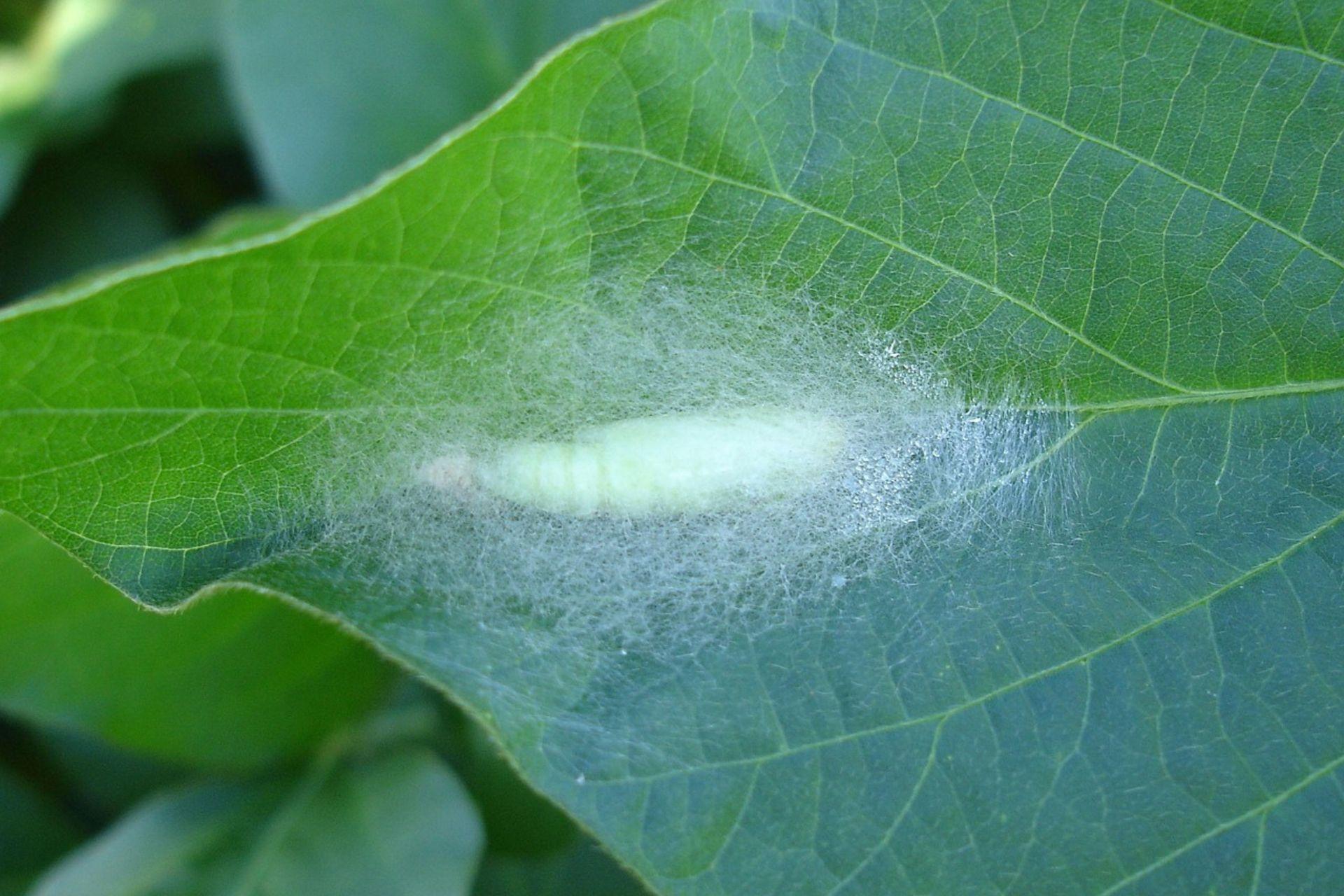
In conclusion, observing insects also means questioning the future of agriculture. Are we willing to listen to what agroecosystems are telling us?
Through their continuous evolution, and through their presence and absence, insects reveal something that modern agriculture has often ceased to consider: the real condition of the systems on which the life of crops depends.