Riccardo and Emiliano, tomato and lettuce growers
Scandola Riccardo – Emiliano Farm, Isola della Scala (Verona, Italy)
A horticultural farm specialising in the greenhouse production of head lettuce and truss tomatoes, as well as aubergines and cucumbers, for large-scale retail distribution. The farm comprises two production units: Isola della Scala and Vallese di Oppeano.
TECHNICAL REPORT 2004–2010: ISOLA DELLA SCALA PRODUCTION UNIT (VERONA)
In 2004, the farm began using BioAksxter® at its Isola della Scala production unit with the aim of improving yields and, above all, reversing the decline in productivity resulting from intensive soil cultivation.
In the areas cultivated under greenhouses since 1996, soil-borne diseases, particularly nematode infestations, had become impossible to control despite soil fumigation with methyl bromide. In some cases, tomato production was limited to four fruit trusses, with yields of 250 quintals per hectare.
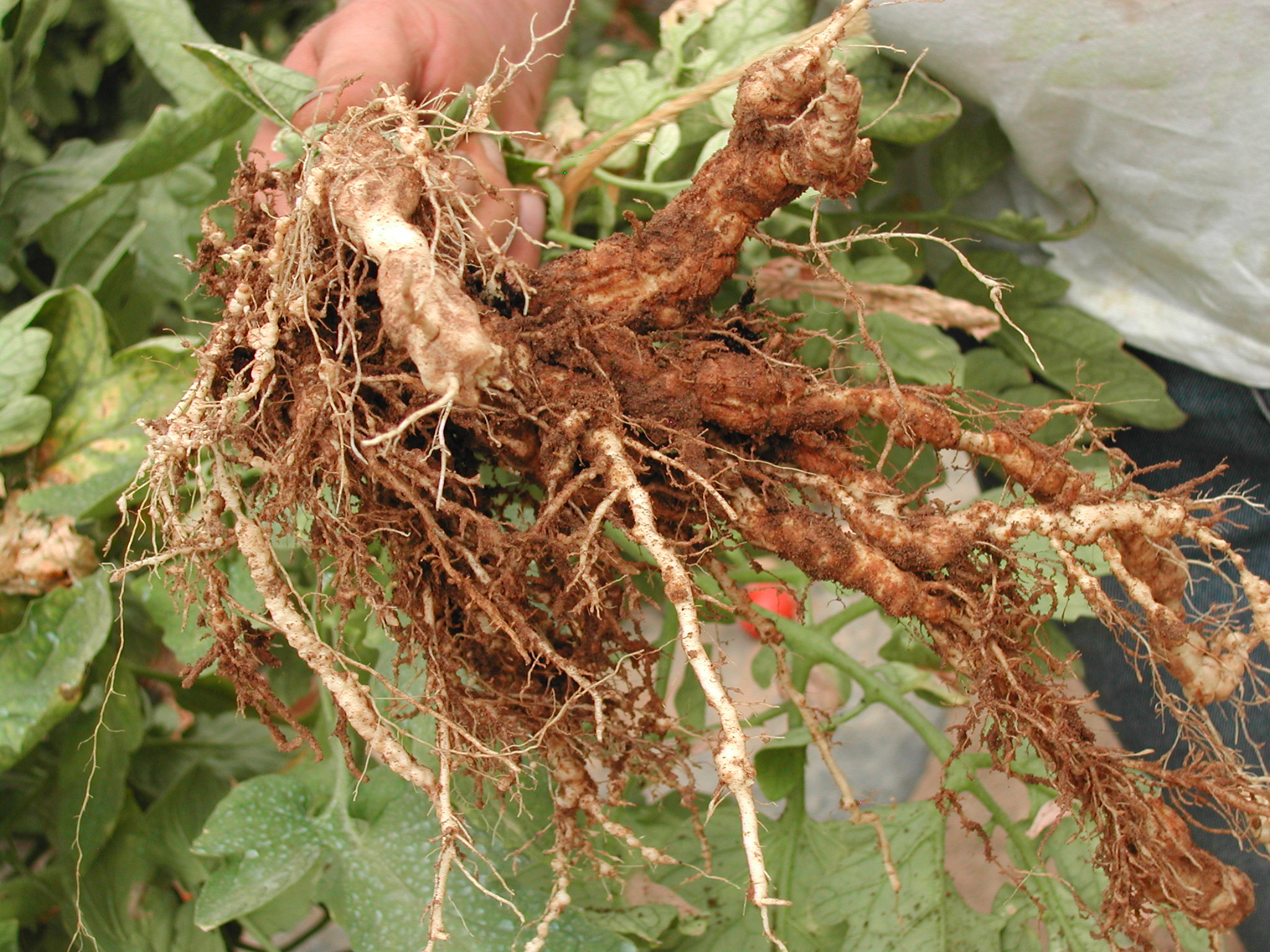
Tomato root severely affected by nematodes.
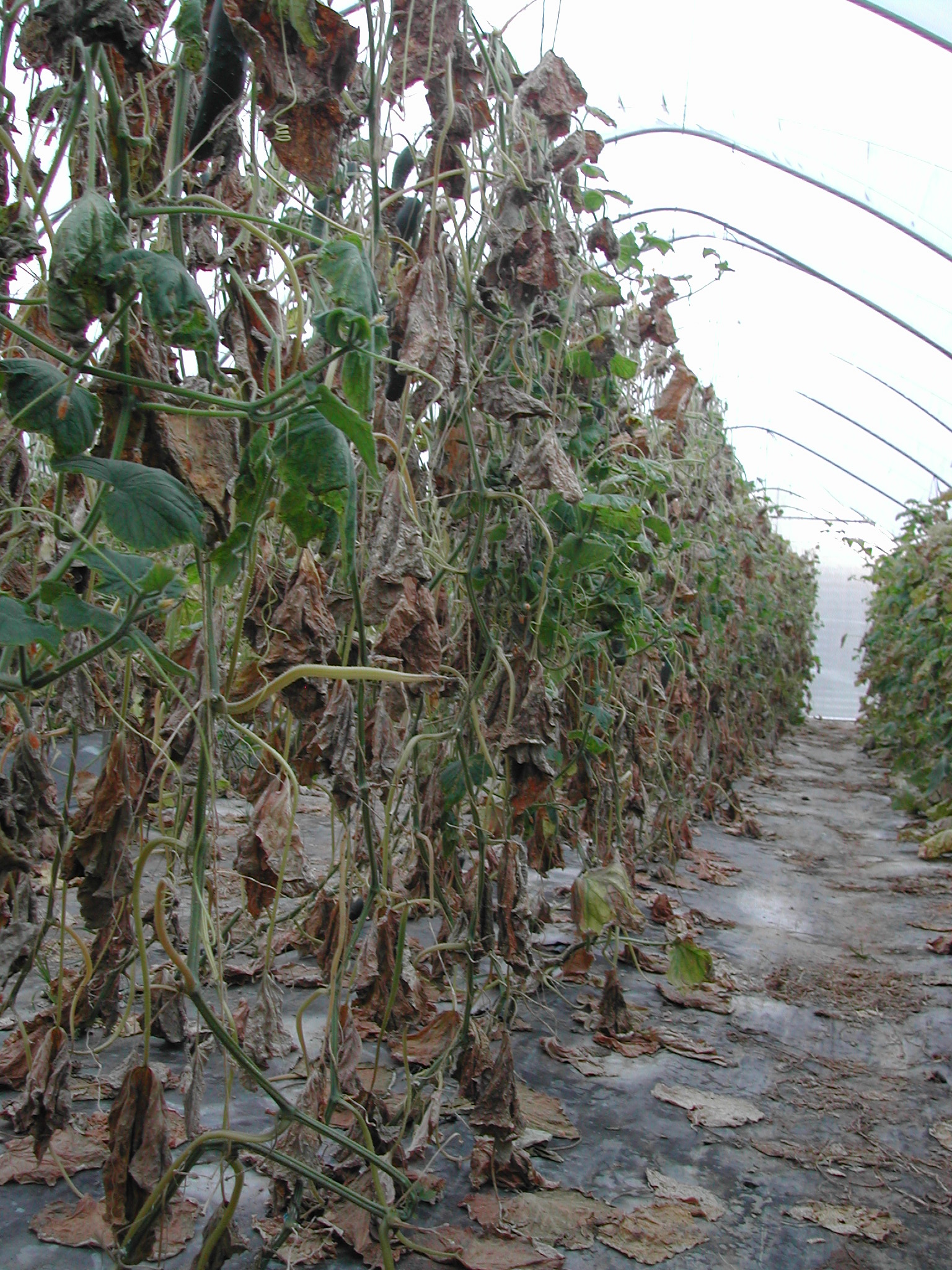
Cucumber crop damaged by nematodes.
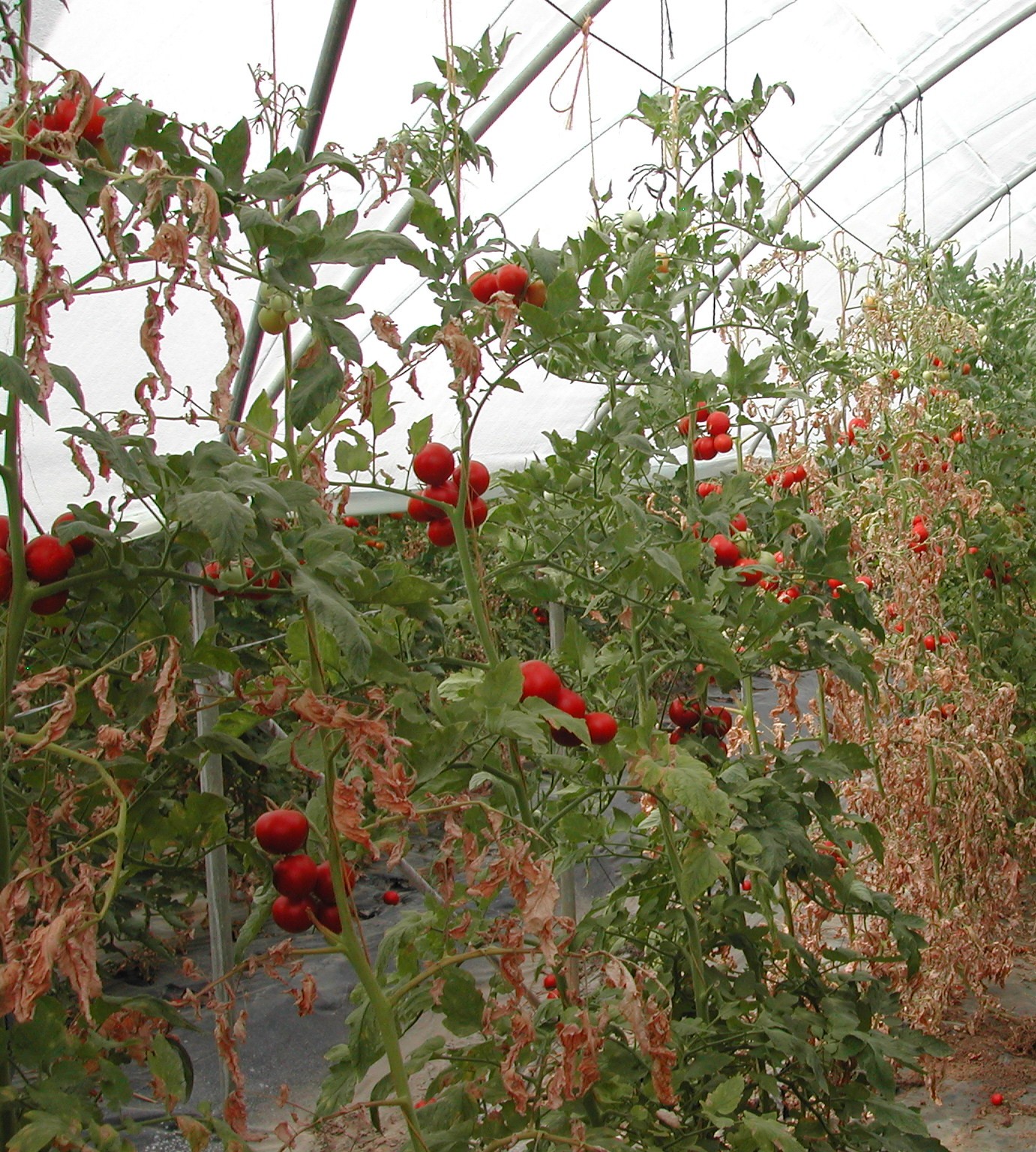
Truss tomato crop damaged by nematodes.
In 2005, following the initial results, the farm asked AXS M31 to initiate a targeted protocol to resolve the nematode problem. The protocol was completed in 2006, overcoming the problem and restoring cucumber, tomato and lettuce production to the levels achieved during the first years of cultivation.
In particular, tomato yields increased by 25–30%, while production in the surrounding area declined by 20%. Resistance to bacterial and fungal diseases improved, lycopene content increased by 15%, and sugar content rose by 1 °Brix.
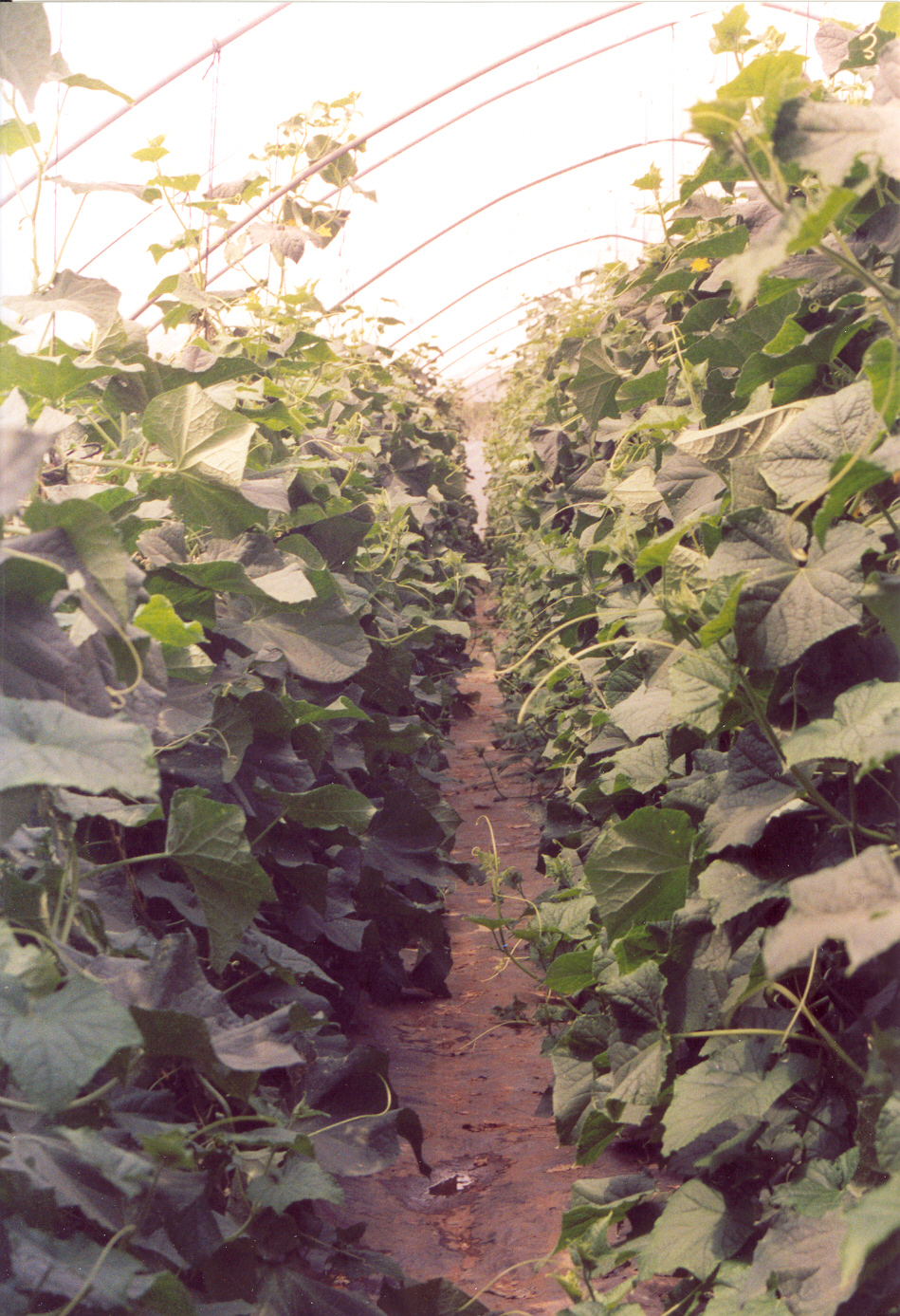
2006. Cucumber crop treated with BioAksxter®, following completion of Protocol 0014.
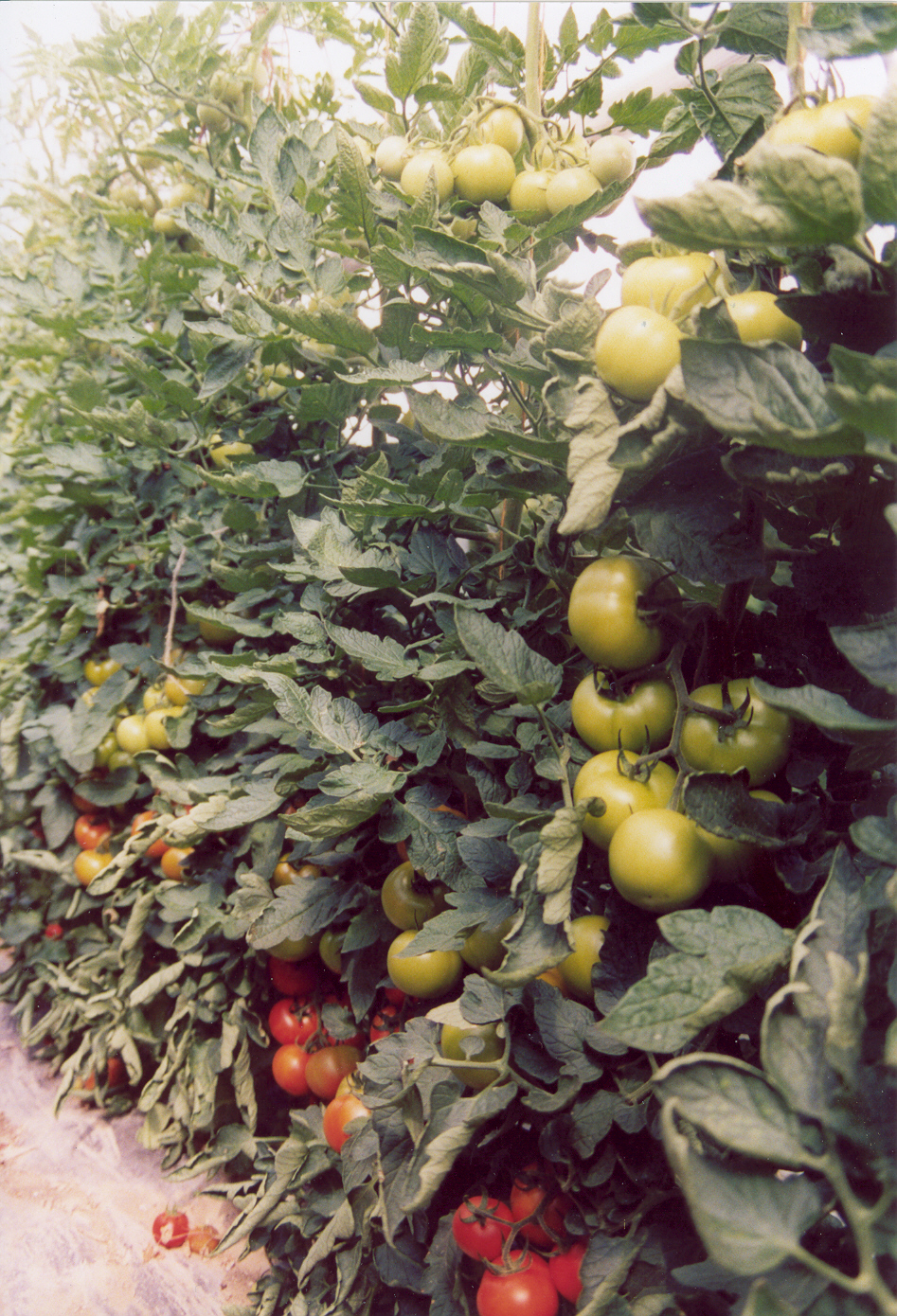
2006. Tomato crop treated with BioAksxter®, following completion of Protocol 0014.
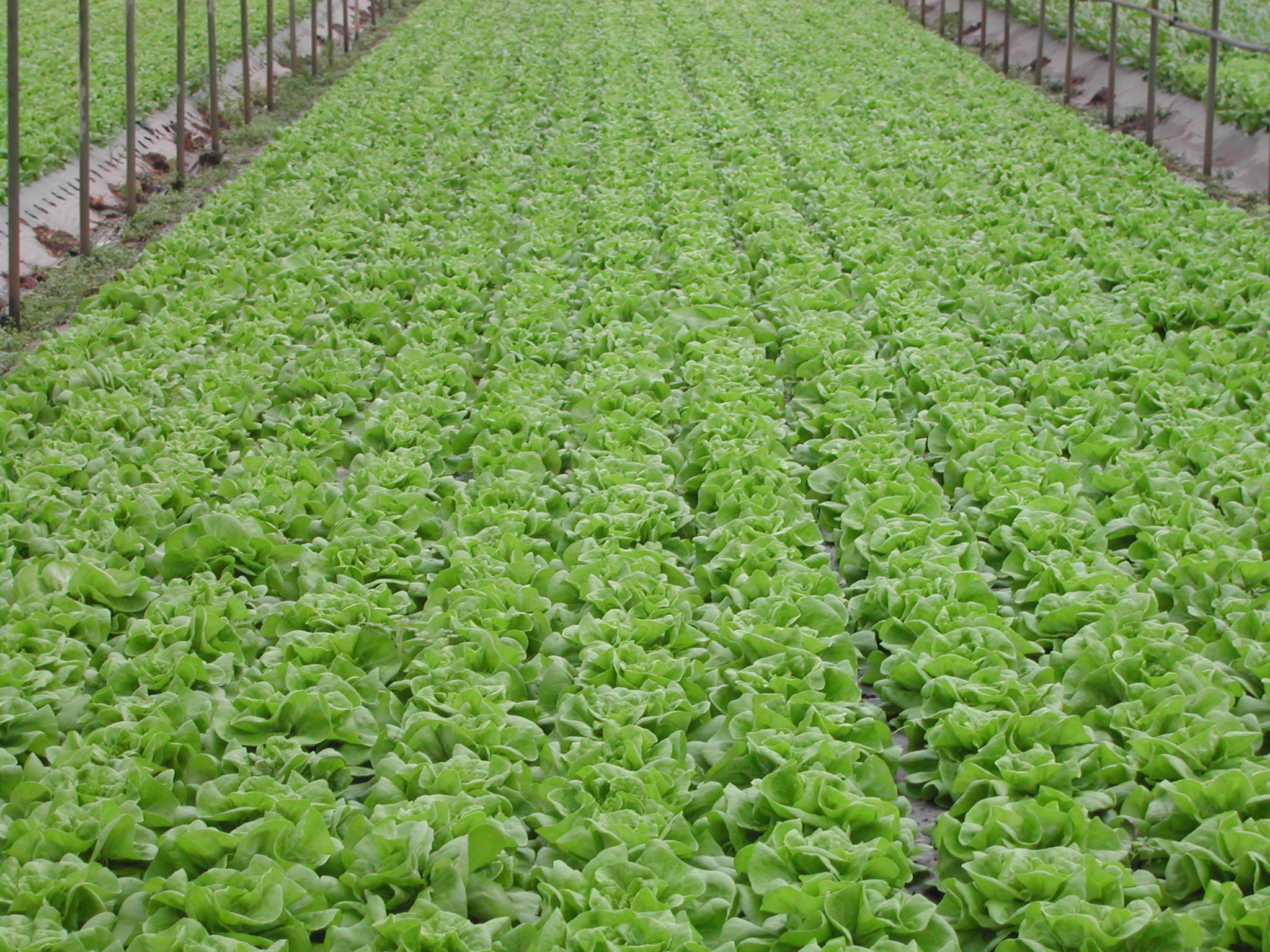
2006. Lettuce crop treated with BioAksxter®, following completion of Protocol 0014.
In 2007, tomato yields increased further thanks to improved fruit set and larger fruit size. The average weight per pallet reached 900 kg, compared with 750–800 kg per pallet in previous years. No nematode-induced root galls were observed on tomato or cucumber roots.
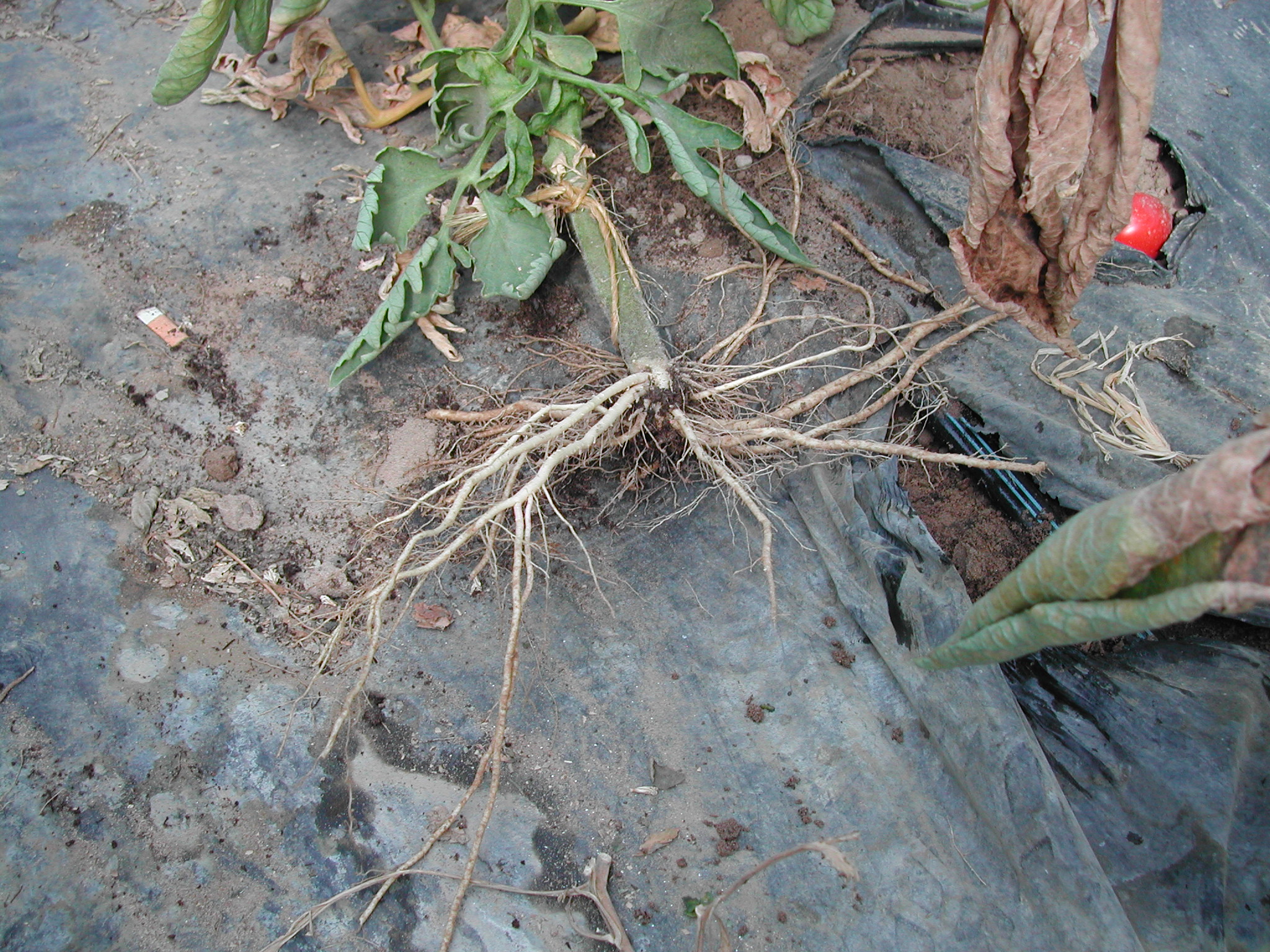
August 2007. Tomato crop after three years of treatment with BioAksxter®, showing the absence of nematode-induced root galls.
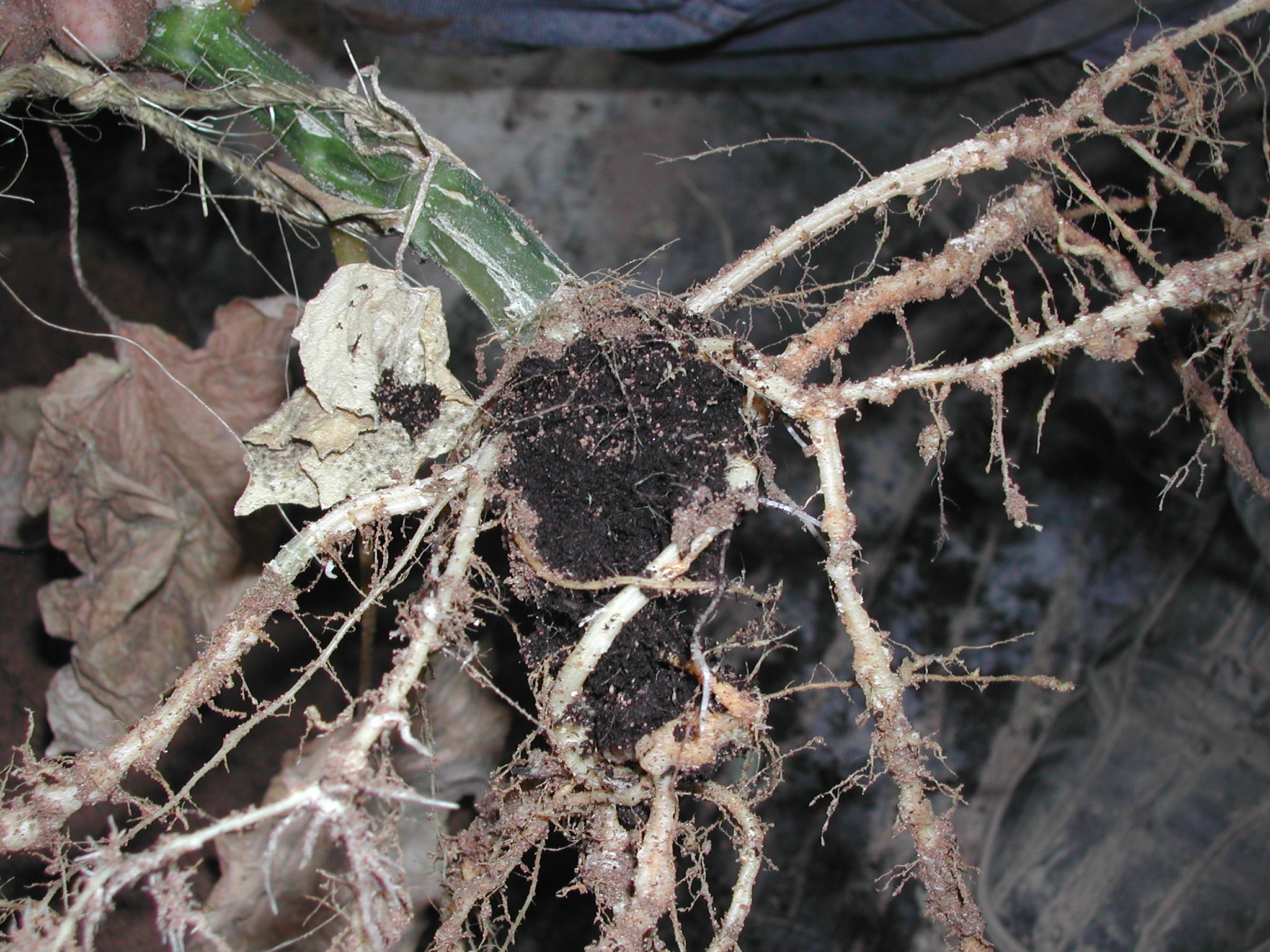
October 2007. Cucumber crop after three years of treatment with BioAksxter®, showing the absence of nematode-induced root galls.
Lettuce crops experienced no significant plant health problems and were consistently characterised by their weight, uniformity and high resistance to bacterial diseases, lettuce downy mildew and Sclerotinia.
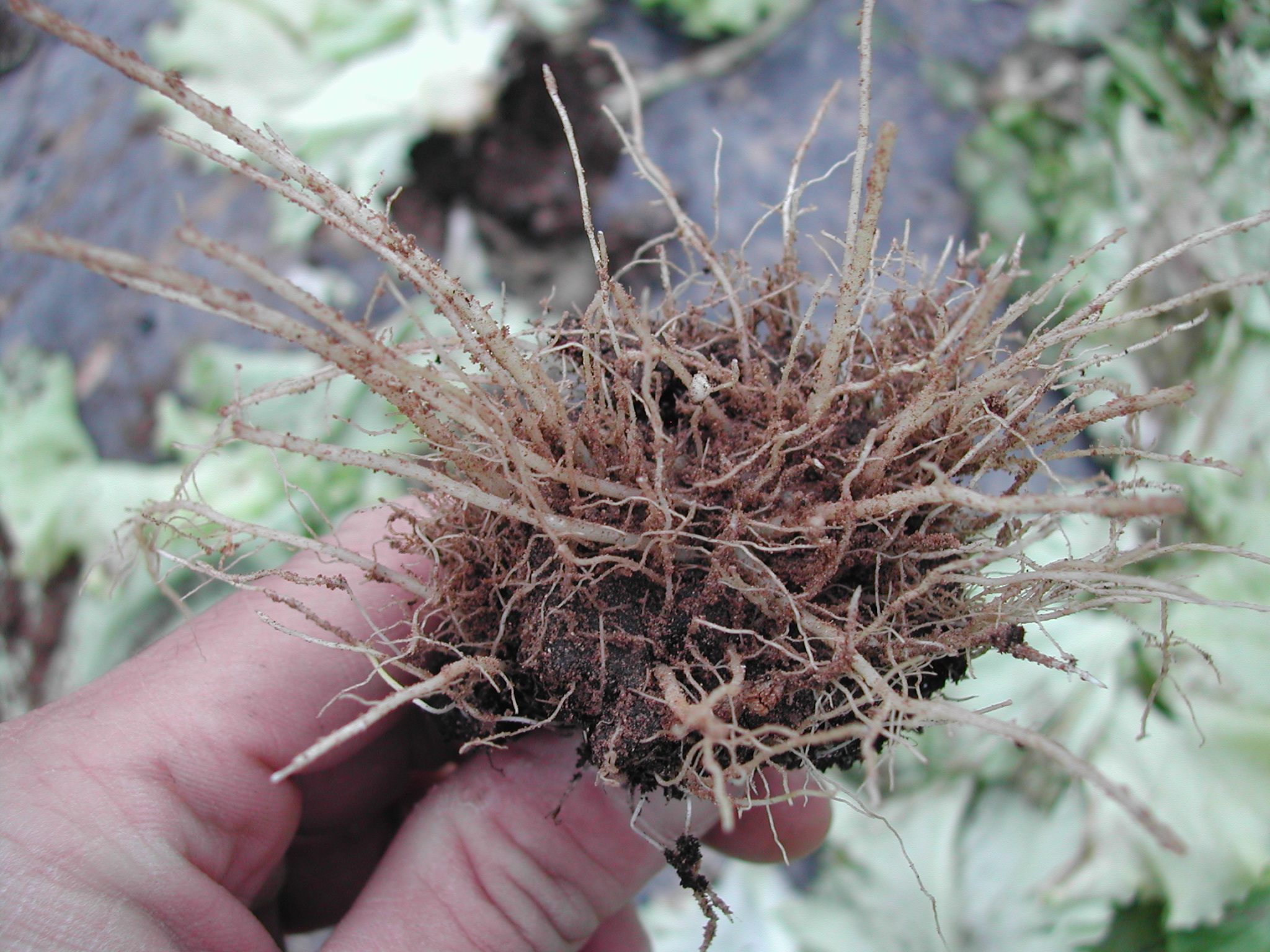
November 2007. Lettuce crop after three years of treatment with BioAksxter®, showing no nematode-induced root galls.
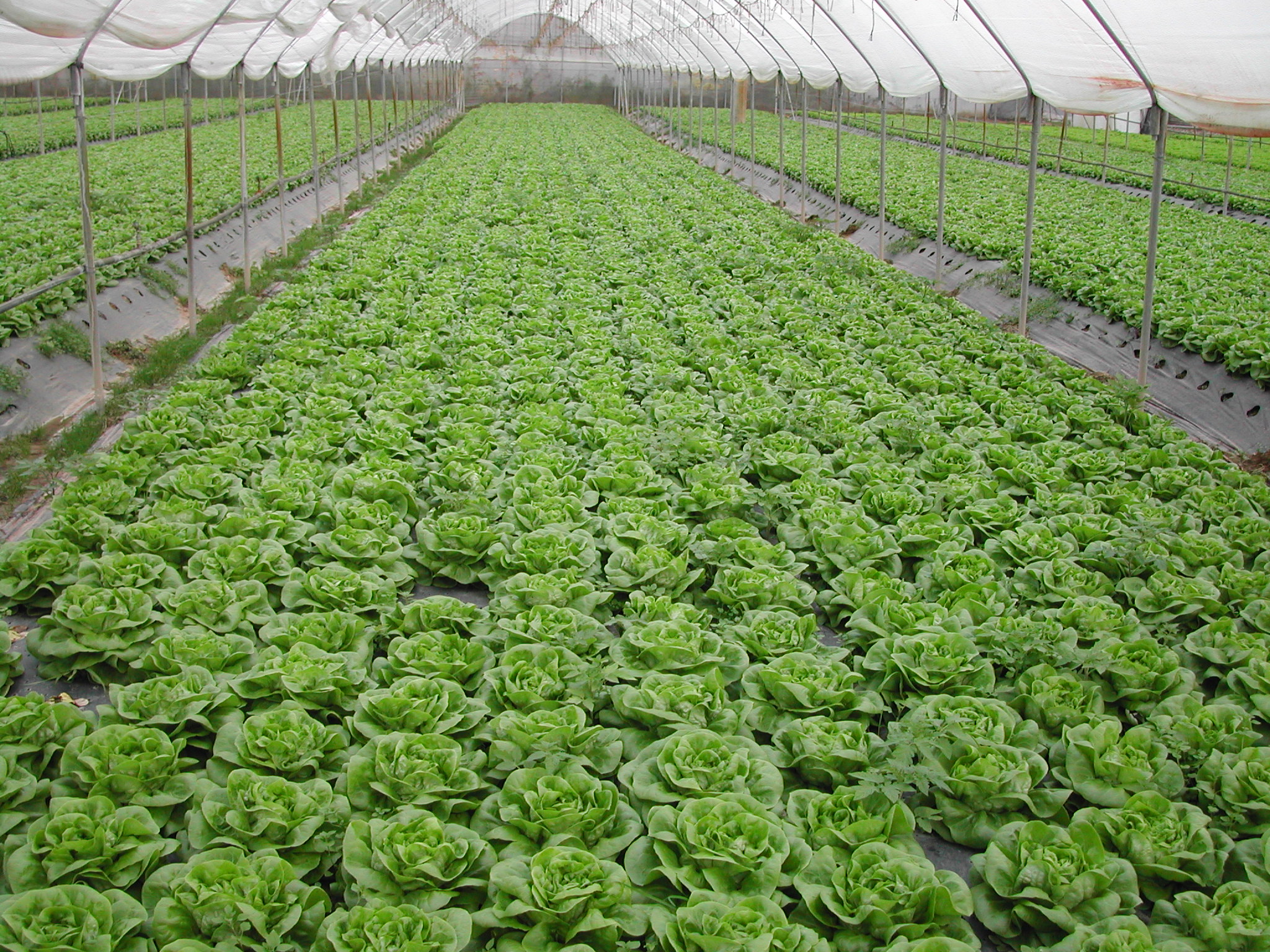
November 2007. Lettuce crop after three years of treatment with BioAksxter®, characterised by excellent plant health and uniformity.
Laboratory analyses commissioned by the farm in 2007 detected 20 nematode units per cm³ in soil cultivated with BioAksxter® since 2004. This figure was described as negligible compared with the threshold of 800 units per cm³ associated with soils experiencing severe problems.
In all subsequent years, no further nematode damage occurred. Despite growing seasons frequently affected by significant weather fluctuations, some tomato plantings produced up to 12 fruit trusses per plant, with peak yields of 1,000 quintals per hectare.
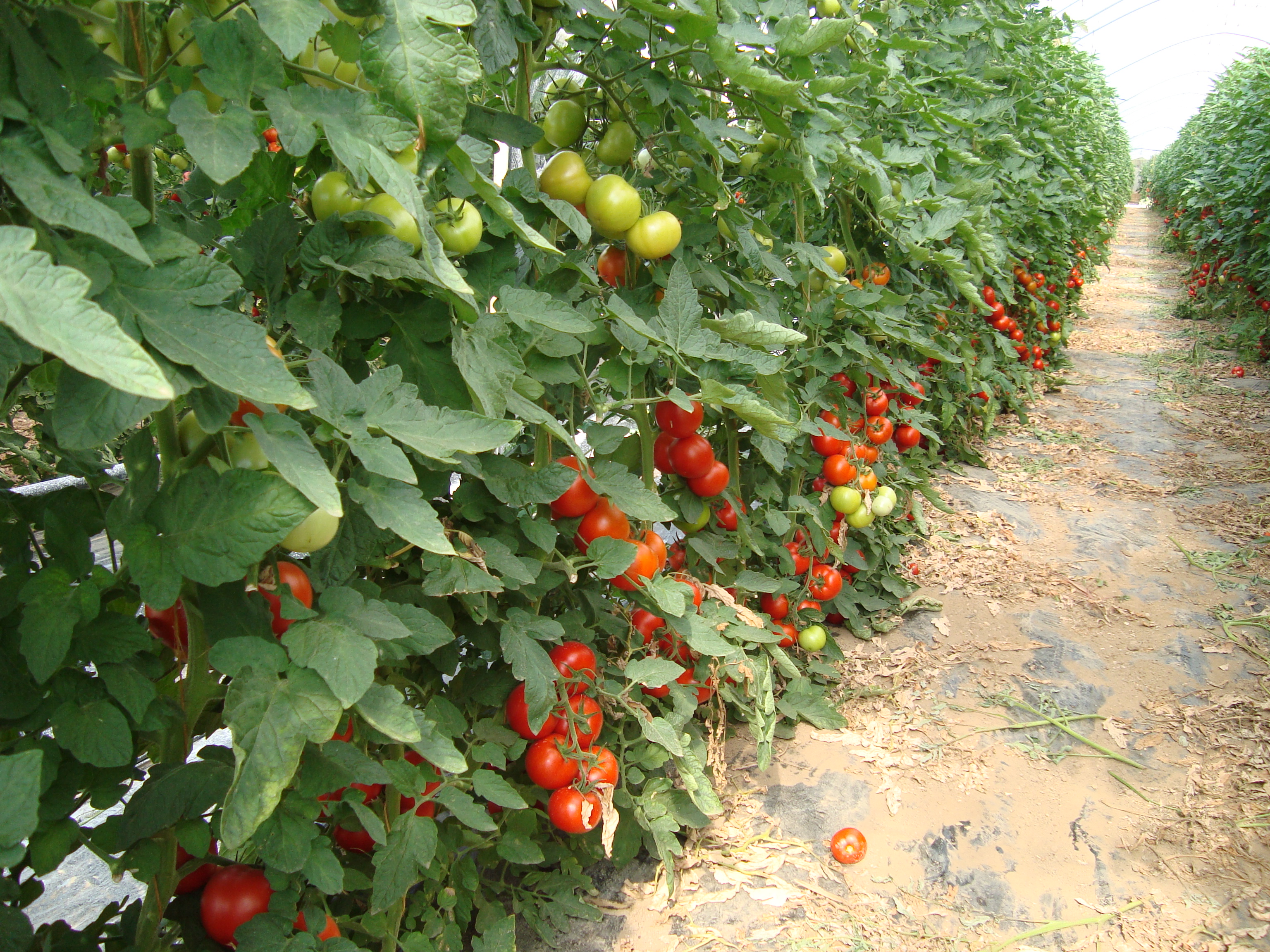
July 2009. Tomato crop after six years of treatment with BioAksxter®. Harvesting subsequently continued through to the twelfth fruit truss.
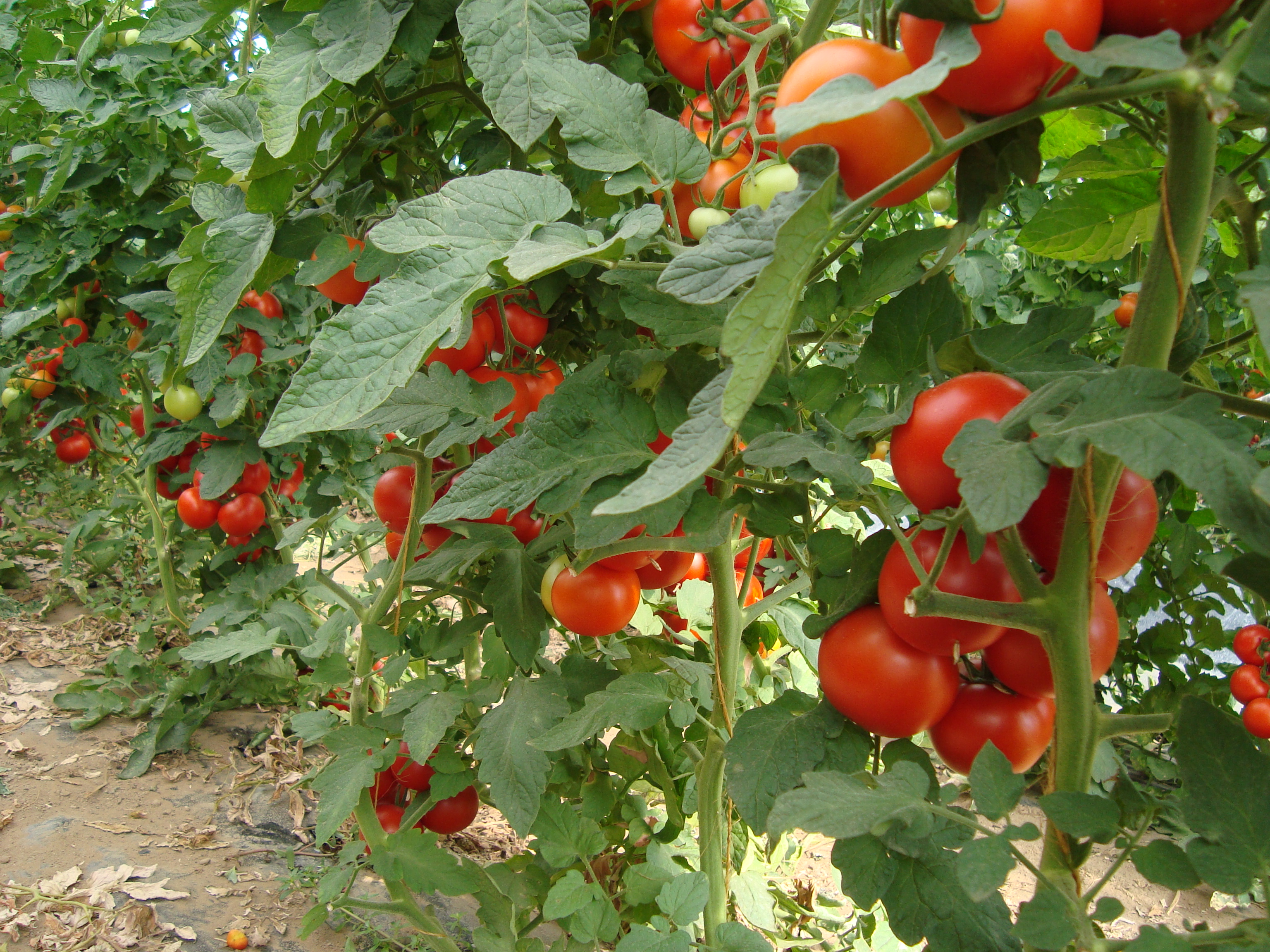
July 2009. Tomato crop after six years of treatment with BioAksxter®.
TECHNICAL REPORT 2007–2010: VALLESE DI OPPEANO PRODUCTION UNIT (VERONA)
At the end of August 2007, BioAksxter® was introduced at the Vallese di Oppeano production unit with the aim of eliminating soil fumigation and addressing emerging plant diseases. These included Clavibacter, the bacterium associated with bacterial canker of tomato, a particularly aggressive disease which, in 2006 and 2007, had caused most of the plants in plot no. 3 to dry out.
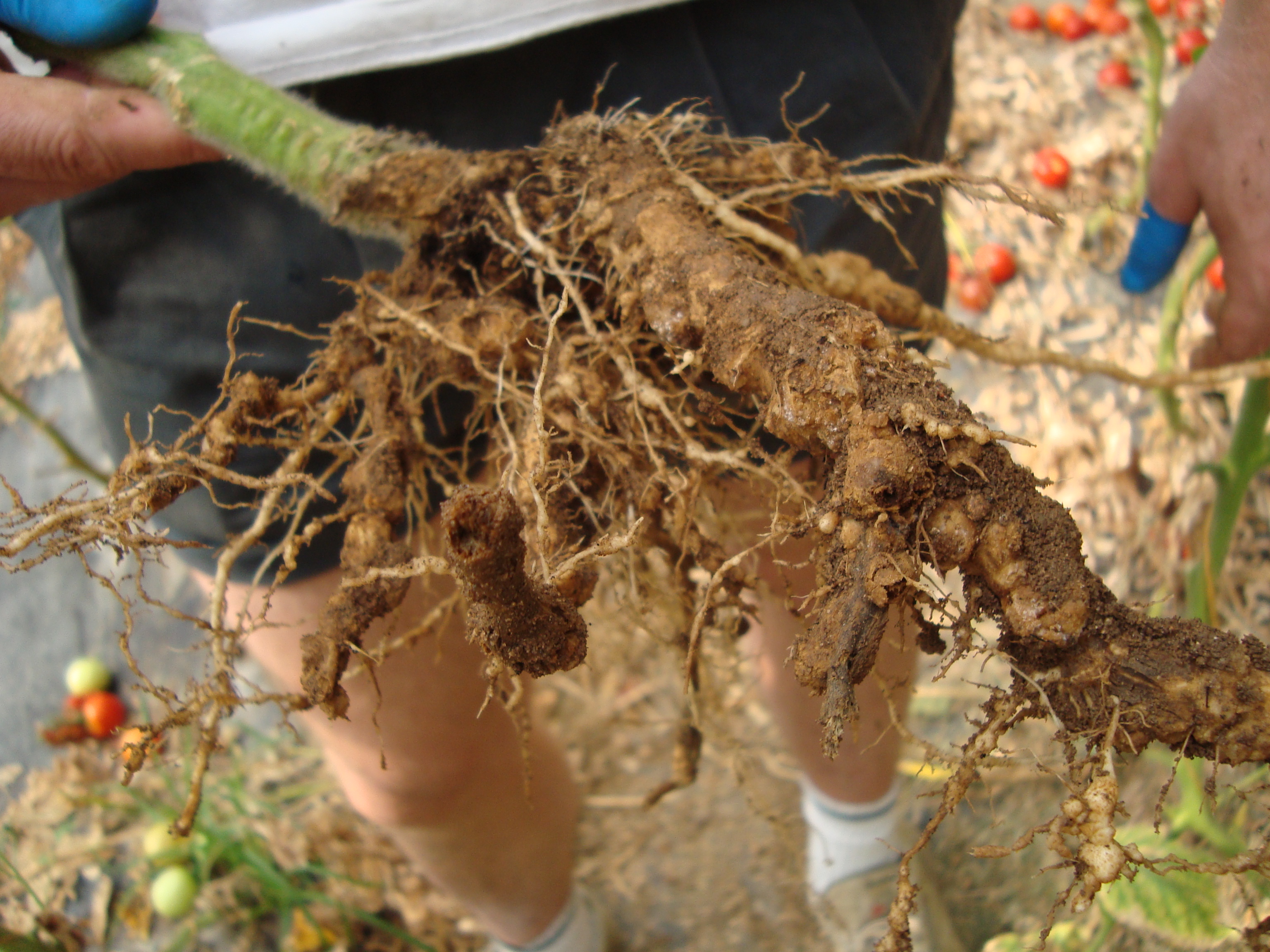
Tomato root severely deformed by a heavy nematode infestation.
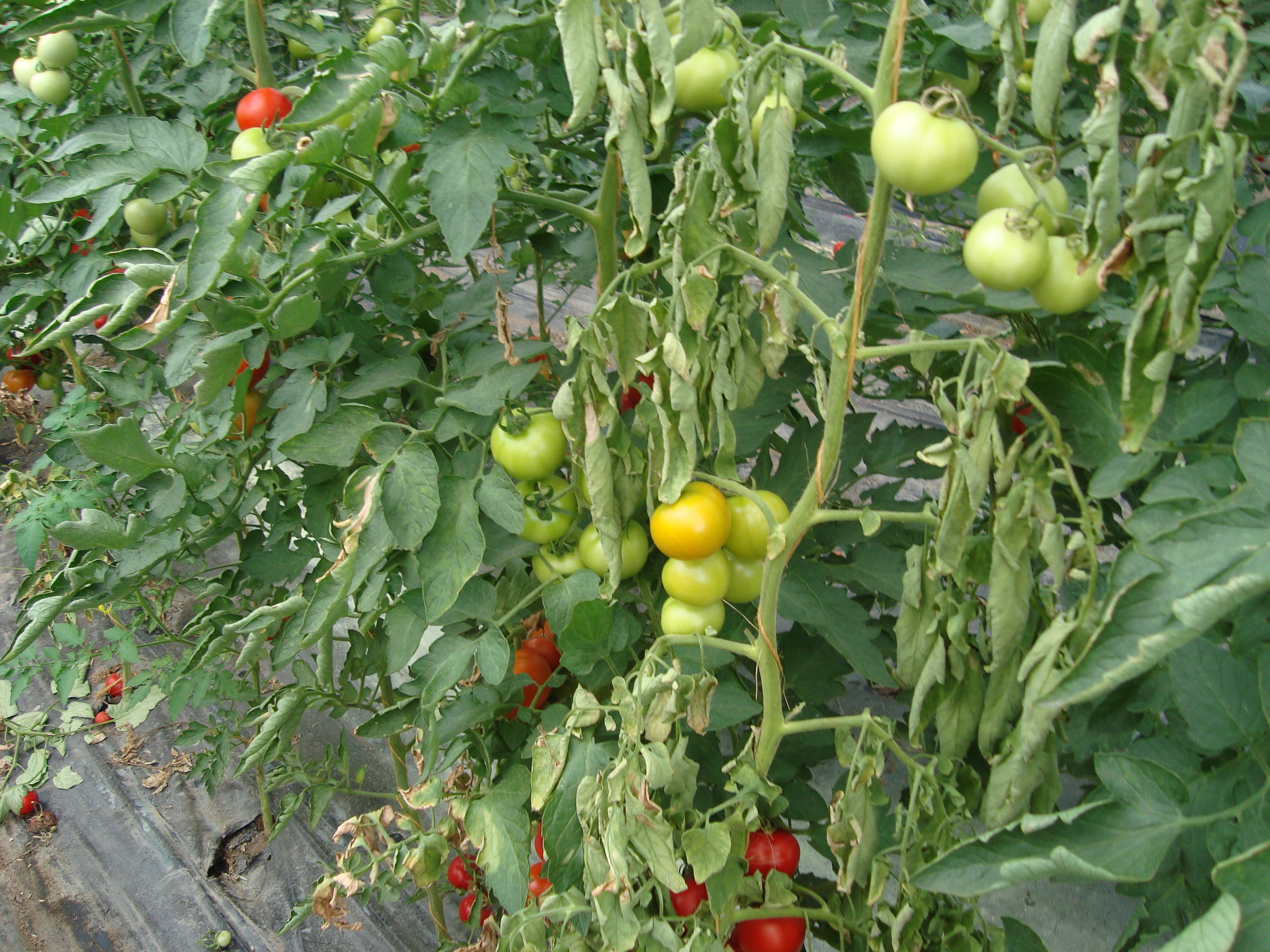
Tomato plant affected by Clavibacter.
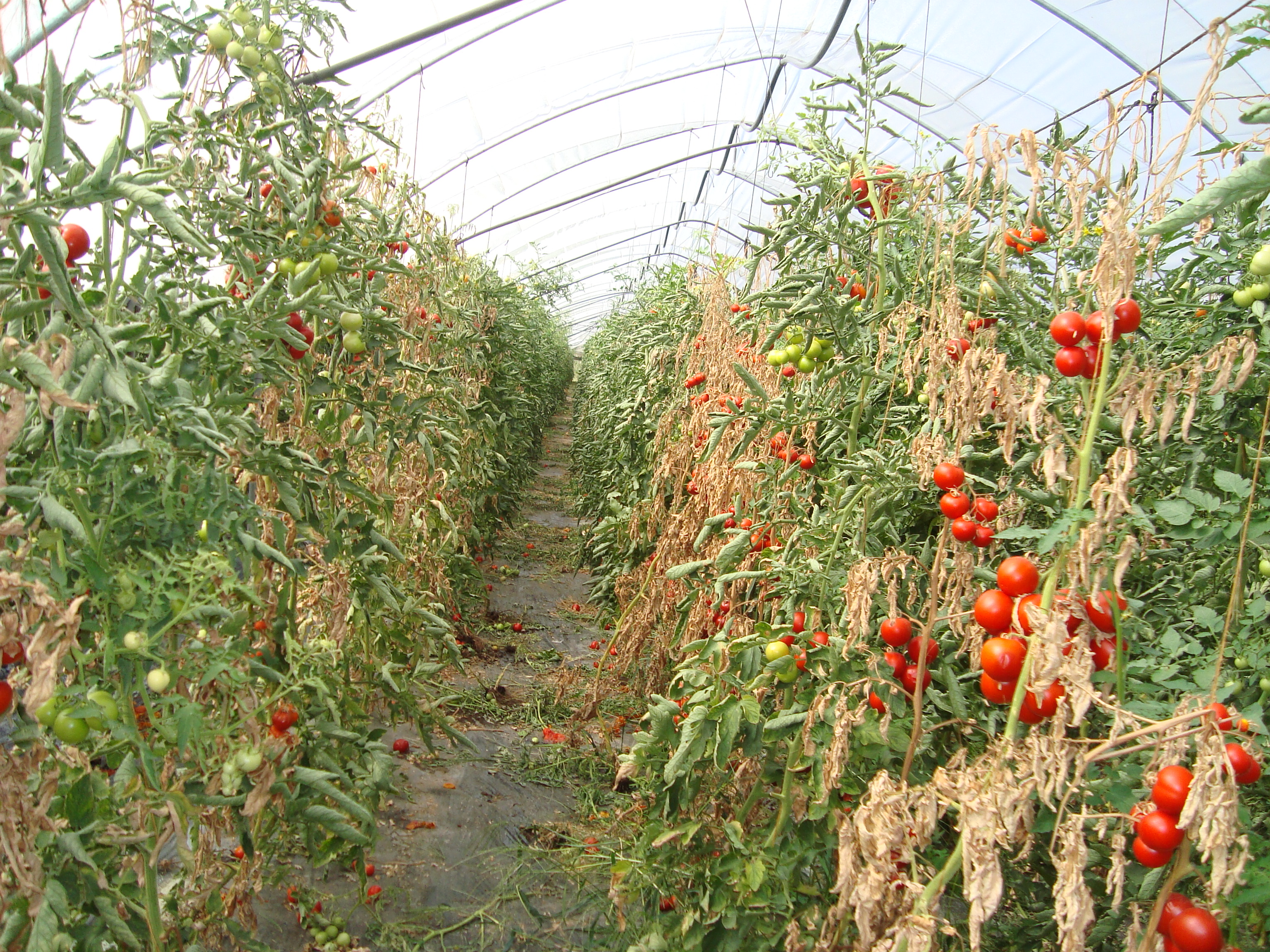
Tomato crop affected by Clavibacter.
During the first year of using BioAksxter®, nematode infestation on tomato roots remained confined to certain areas and caused no yield losses.
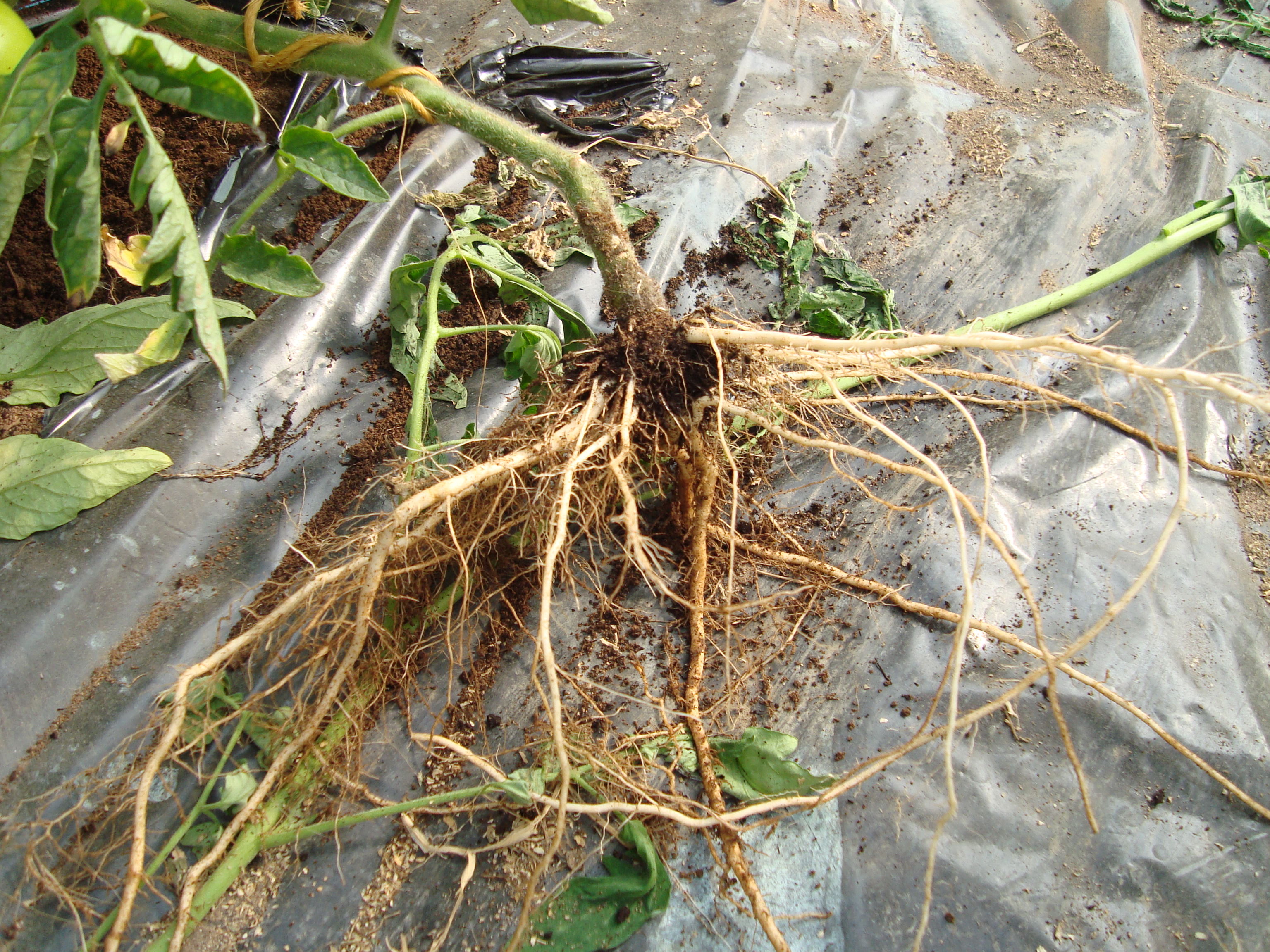
June 2008. Tomato crop during its first year of treatment with BioAksxter®, showing the absence of nematode-induced root galls.
Clavibacter outbreaks that developed in plot no. 3 were kept under control, and the spread of the disease was slowed compared with the previous year. Rather than causing entire rows of plants to dry out, the infection affected only a few plants.
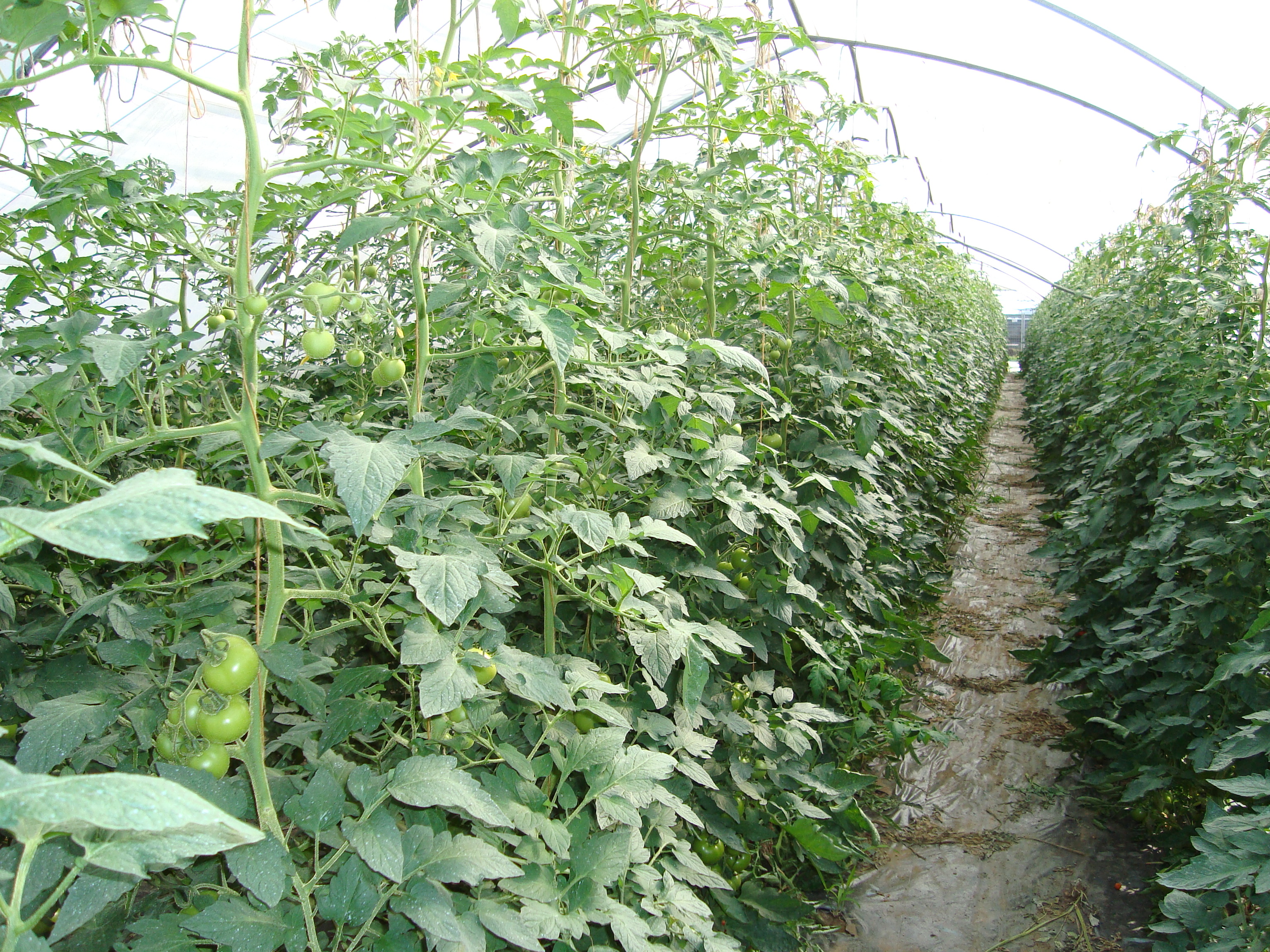
June 2008. Tomato crop during its first year of treatment with BioAksxter®. This area had been severely affected by Clavibacter in previous years.
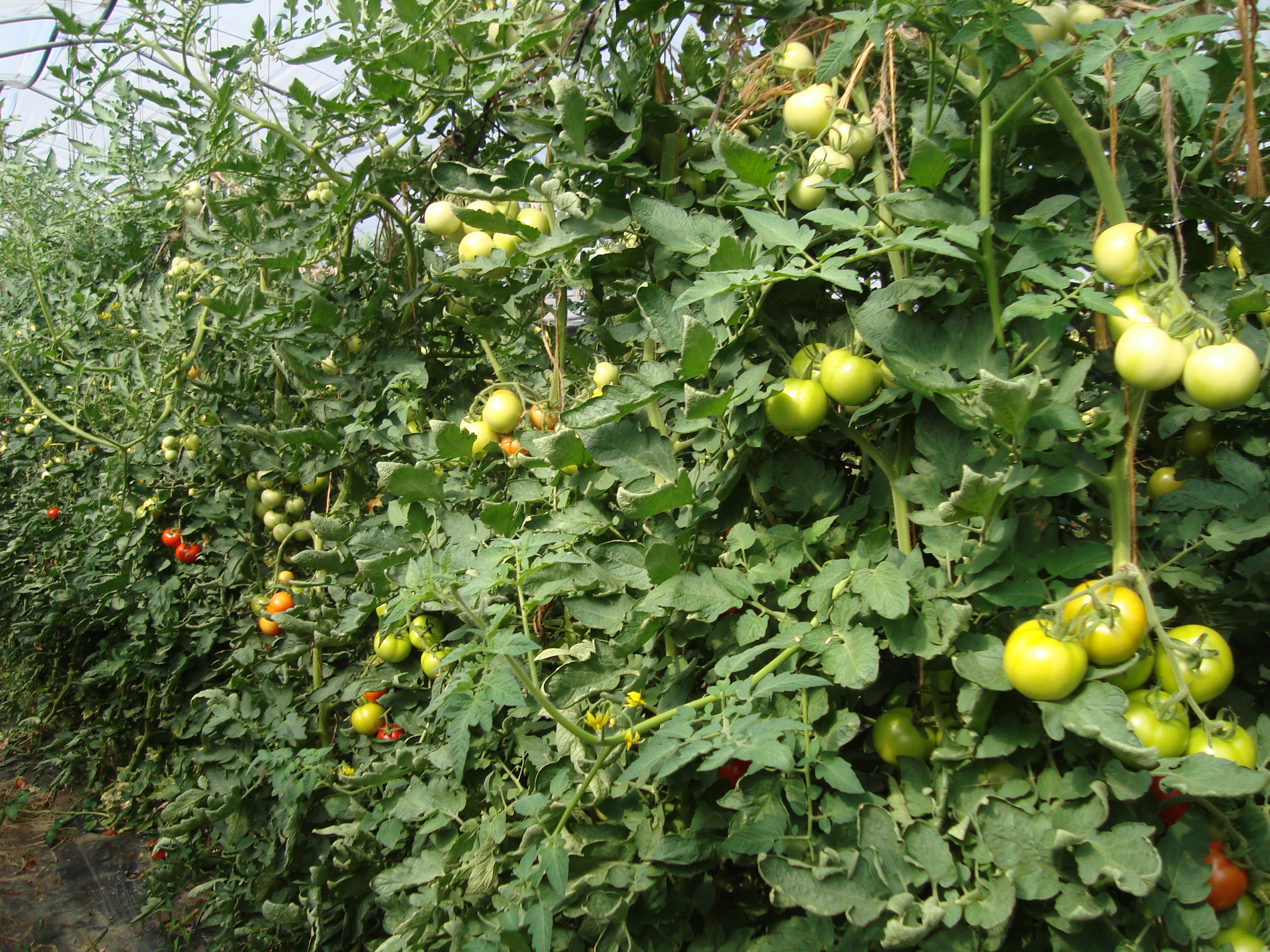
August 2008. Tomato crop during its first year of treatment with BioAksxter®. In previous years, this area had been severely affected by bacterial canker.
Head lettuce showed improved leaf firmness, colour and gloss, together with greater resistance to frost and bacterial diseases. Rejection rates were considerably lower than in the previous year.
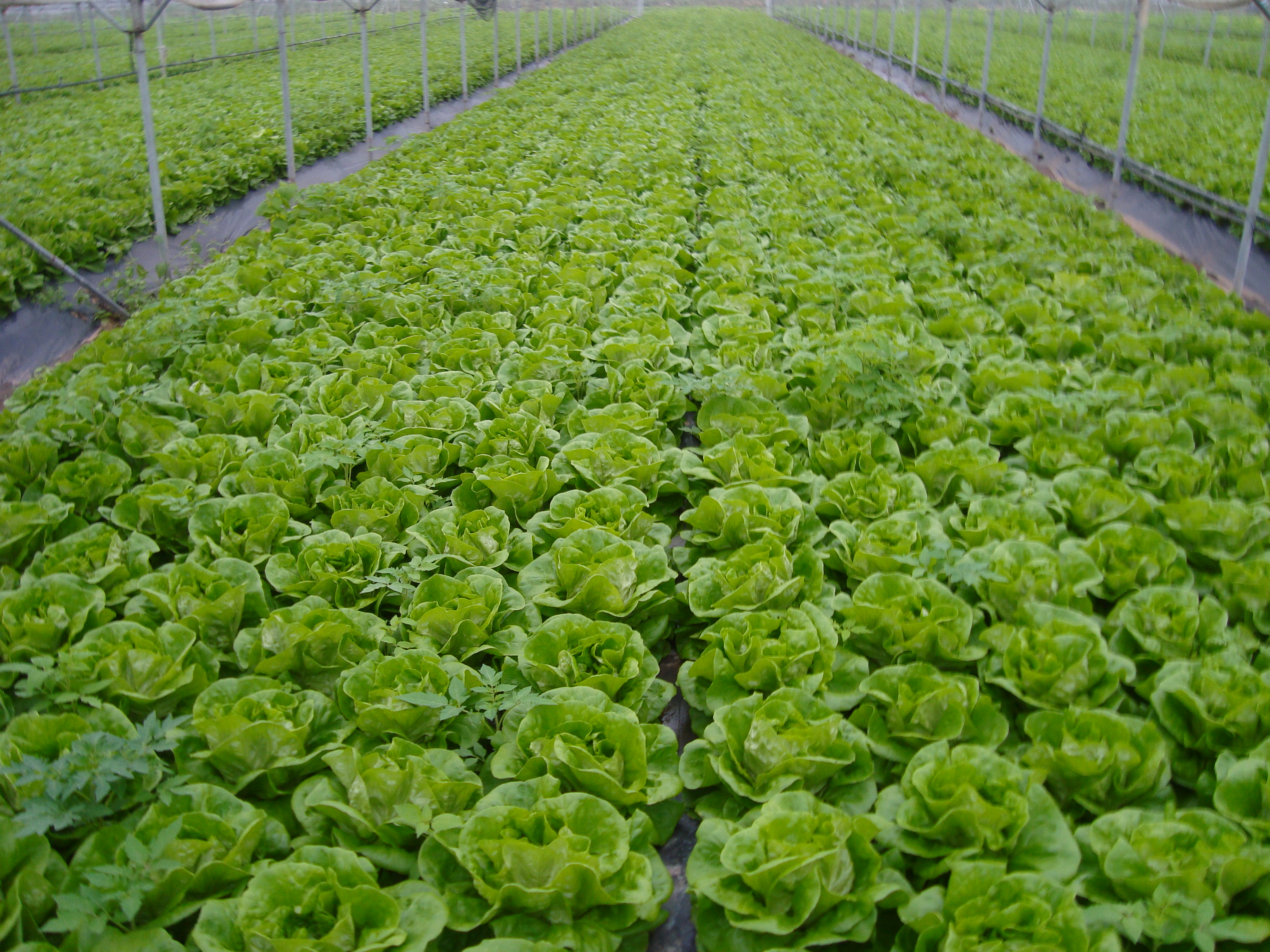
November 2008. Lettuce crop after one year of treatment with BioAksxter®.
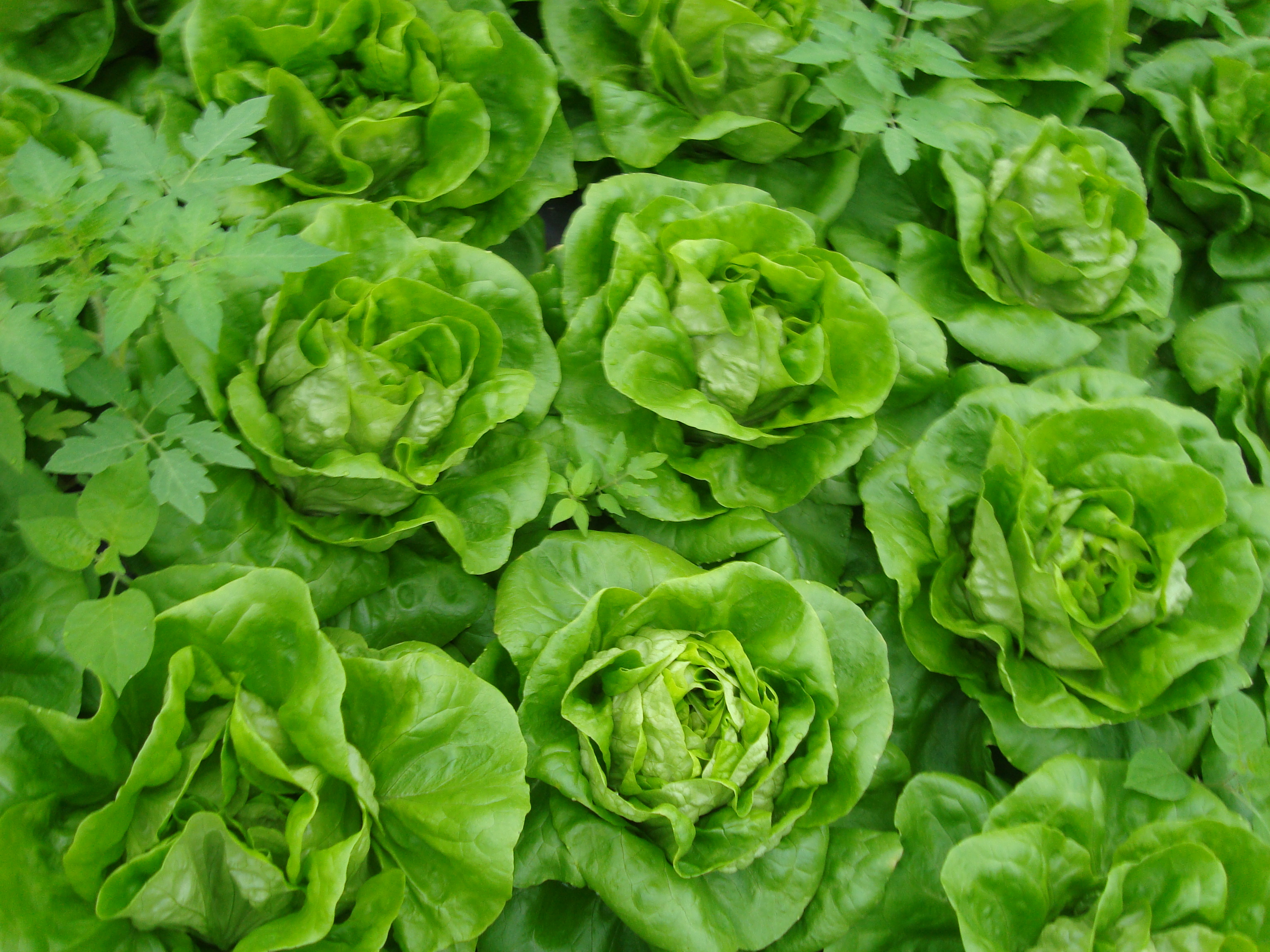
November 2008. Lettuce crop after one year of treatment with BioAksxter®, showing intense leaf colour and excellent plant health.
During the second and third years of treatment with BioAksxter®, the development of nematode-induced root galls on tomatoes, aubergines and lettuce was virtually eliminated, and no further significant Clavibacter infections were recorded.
Despite considerable temperature fluctuations and prolonged periods of adverse weather in 2009 and 2010, tomatoes and aubergines consistently showed excellent fruit set. Yields increased further, while high quality was consistently maintained.
Crop nutrition and protection management became simpler, while outbreaks of downy mildew, powdery mildew, collar diseases and red spider mite were limited and overcome without difficulty.
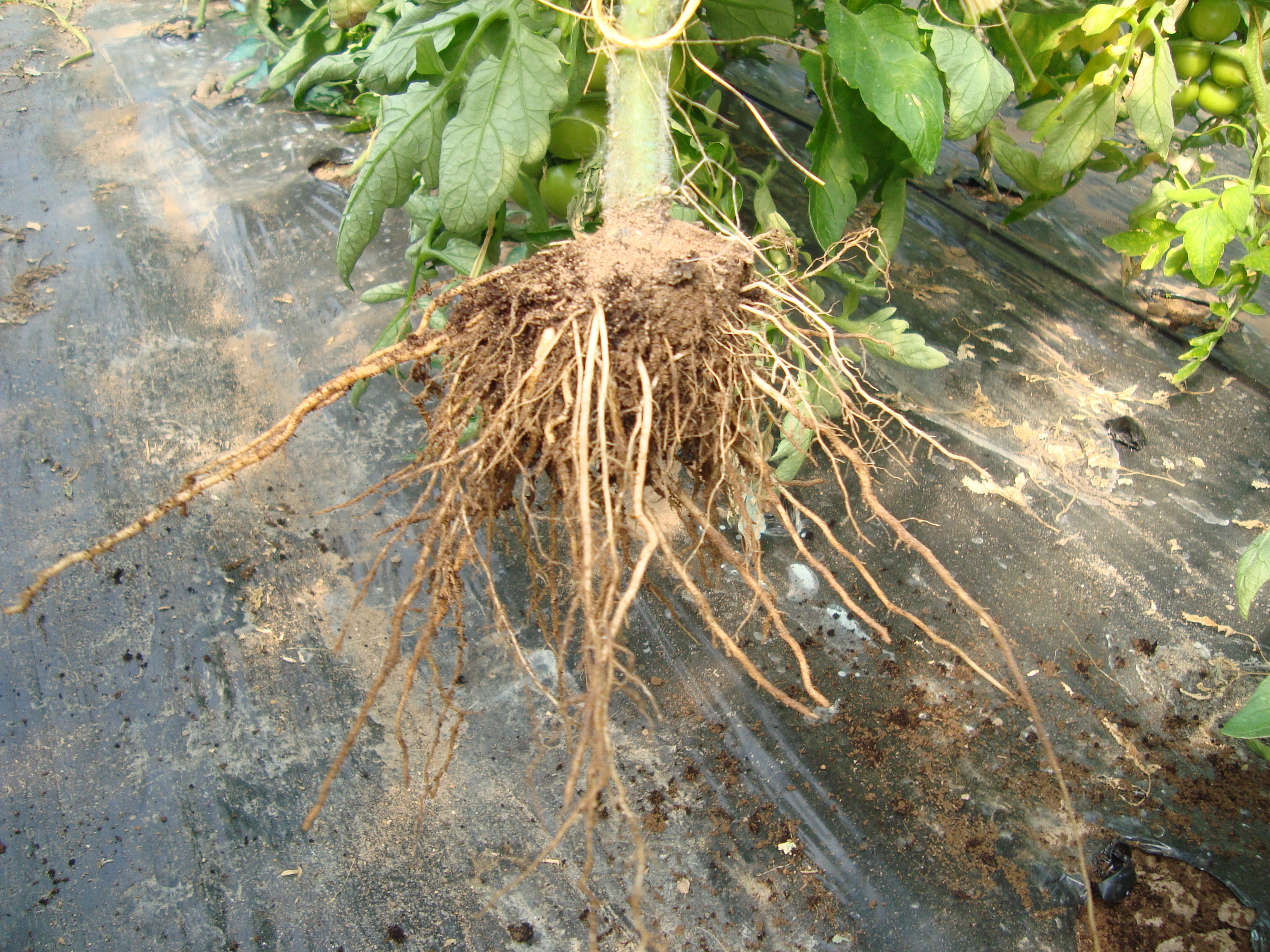
2010. Tomato crop during its third year of treatment with BioAksxter®, showing the absence of nematode-induced root galls.
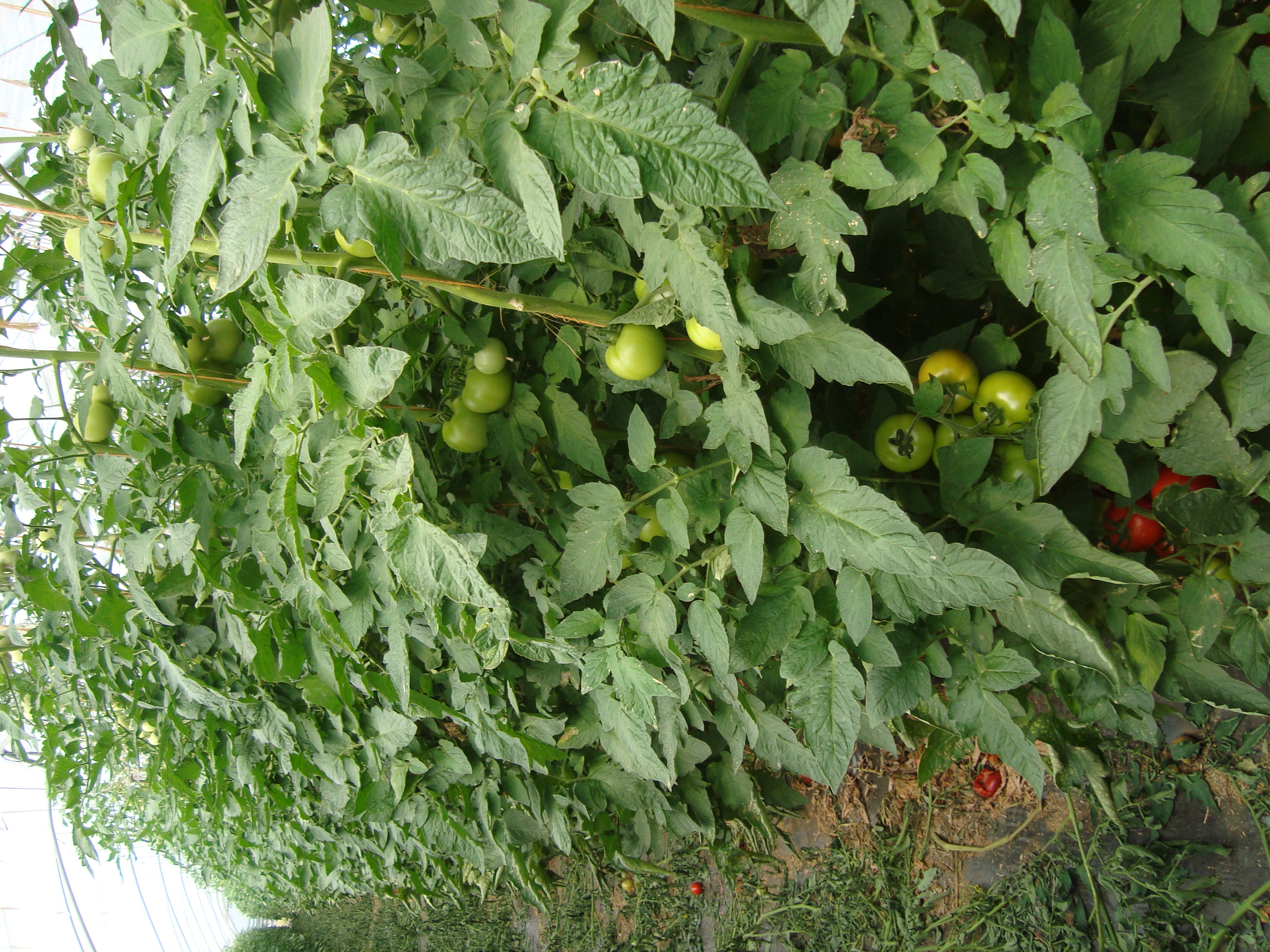
July 2010. Tomato crop during its third year of treatment with BioAksxter®.
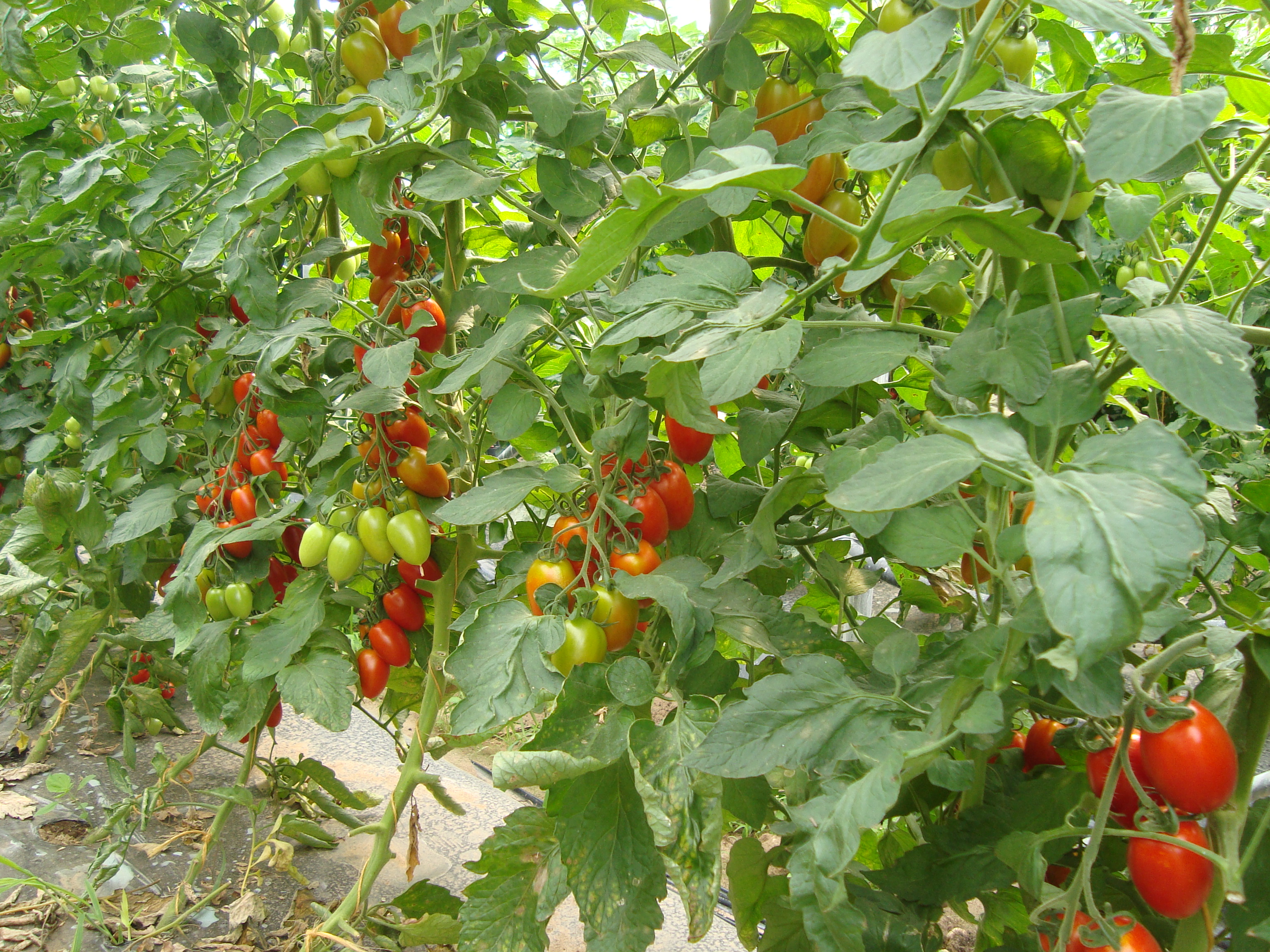
July 2010. Tomato crop during its third year of treatment with BioAksxter®.
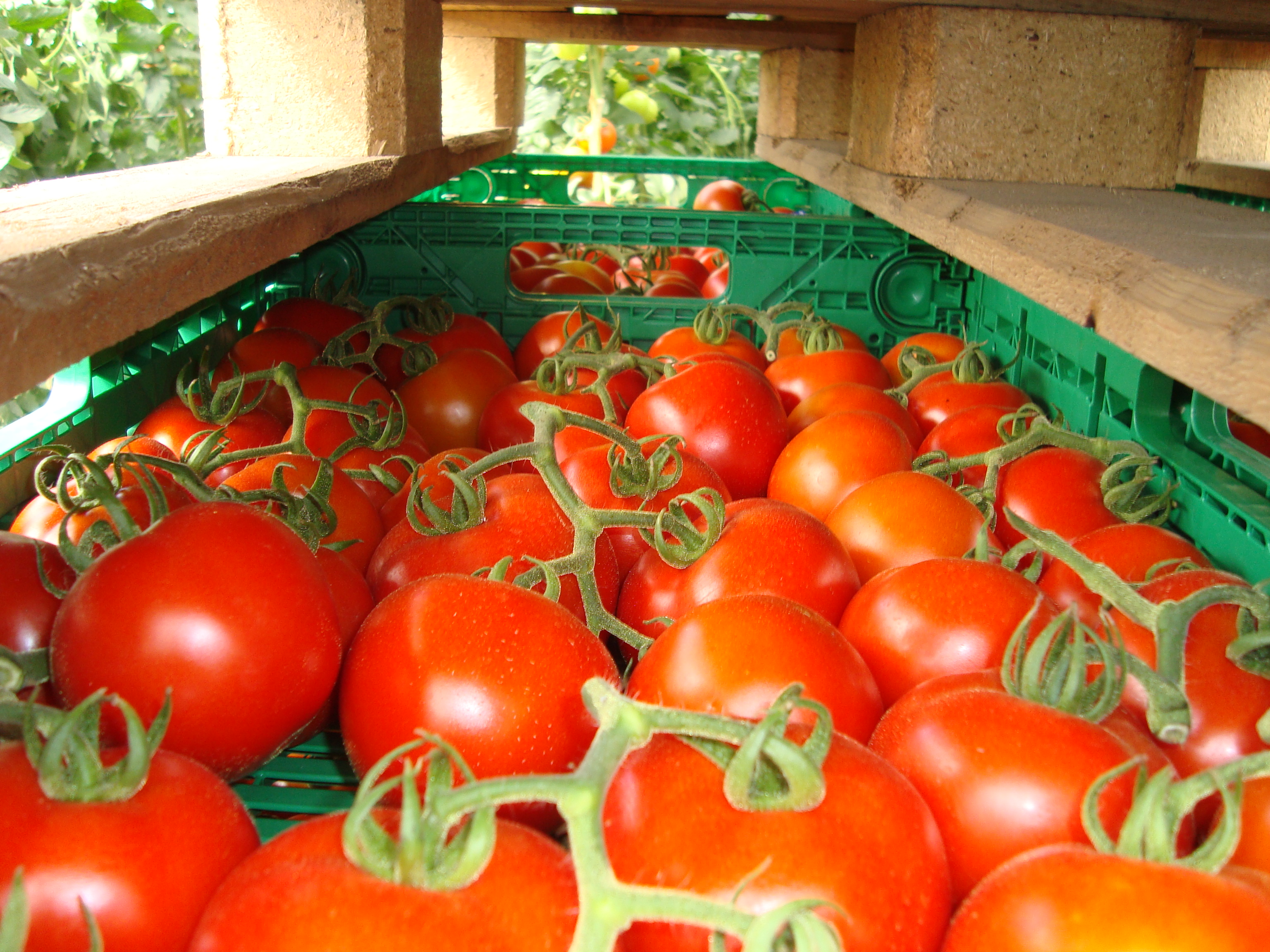
Since Scandola Riccardo and Emiliano Farm began using BioAksxter®, produce from both production units has been distinguished by its flavour and storage life.
Soil structure and the capacity to break down organic matter improved, making it possible to incorporate crop residues directly into the soil. Soil fumigation was no longer necessary to control soil-borne diseases.


