Lucio, greenhouse leafy vegetable grower
Ghislandi Lucio Farm, Treviolo (Bergamo, Italy)
A horticultural farm specialising in the greenhouse production of leafy vegetables, particularly head lettuce, chard, parsley, lamb's lettuce, rocket and basil, for the domestic market.
The farm began using BioAksxter® in July 2009 with the aim of regenerating the soil and restoring it to health by addressing soil-borne diseases, particularly Fusarium wilt in lettuce. In recent years, the disease had become widespread throughout the local vegetable-growing area, making head lettuce cultivation almost impossible.
Repeated soil fumigation treatments throughout the year controlled the disease for only one transplanting cycle, while losses during the following cycle reached 50%, even with varieties described as resistant. During the warmer months, damage was even more severe, in many cases resulting in total crop loss.
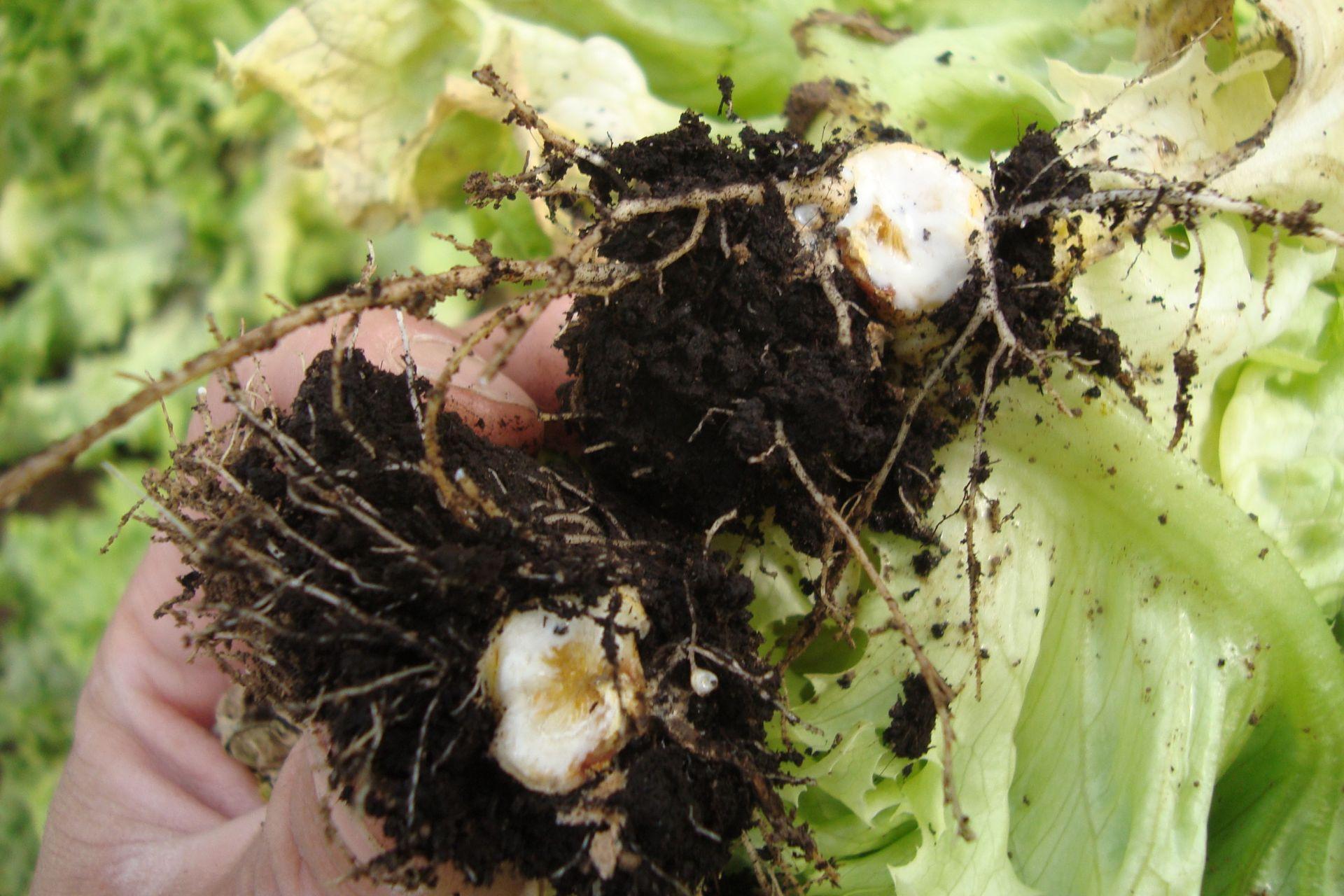
Cross-section of the crown of a lettuce plant affected by Fusarium.
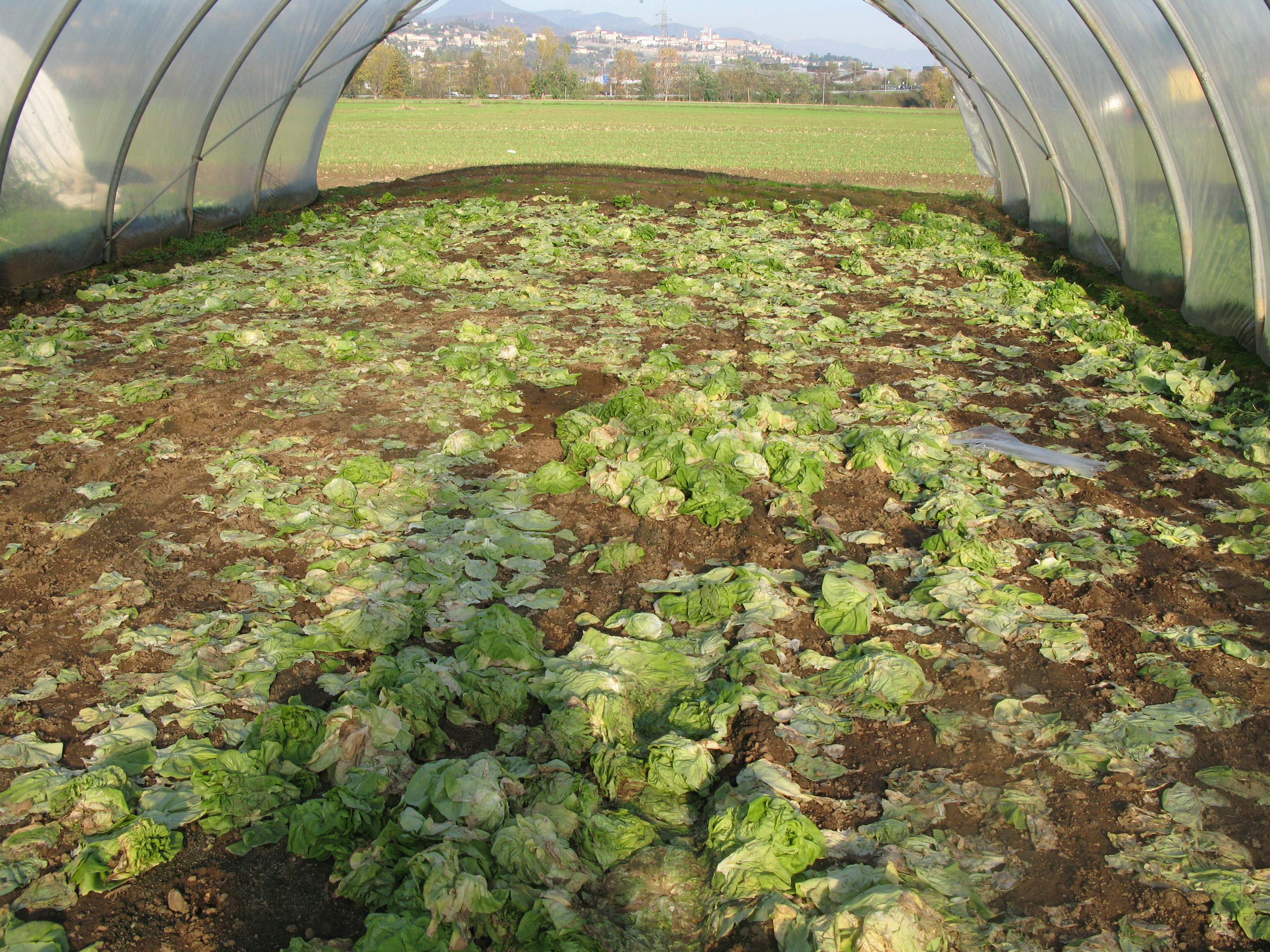
Lettuce crop left unharvested due to Fusarium.
After the first application of BioAksxter®, carried out before transplanting, a change in soil conditions was observed. By October 2009, after three months of cultivation with BioAksxter®, improvements were evident. In head lettuce crops, uniformity increased, leaf firmness improved, rejection rates decreased from 50% to 20%, and average plant weight increased by 100 grams.
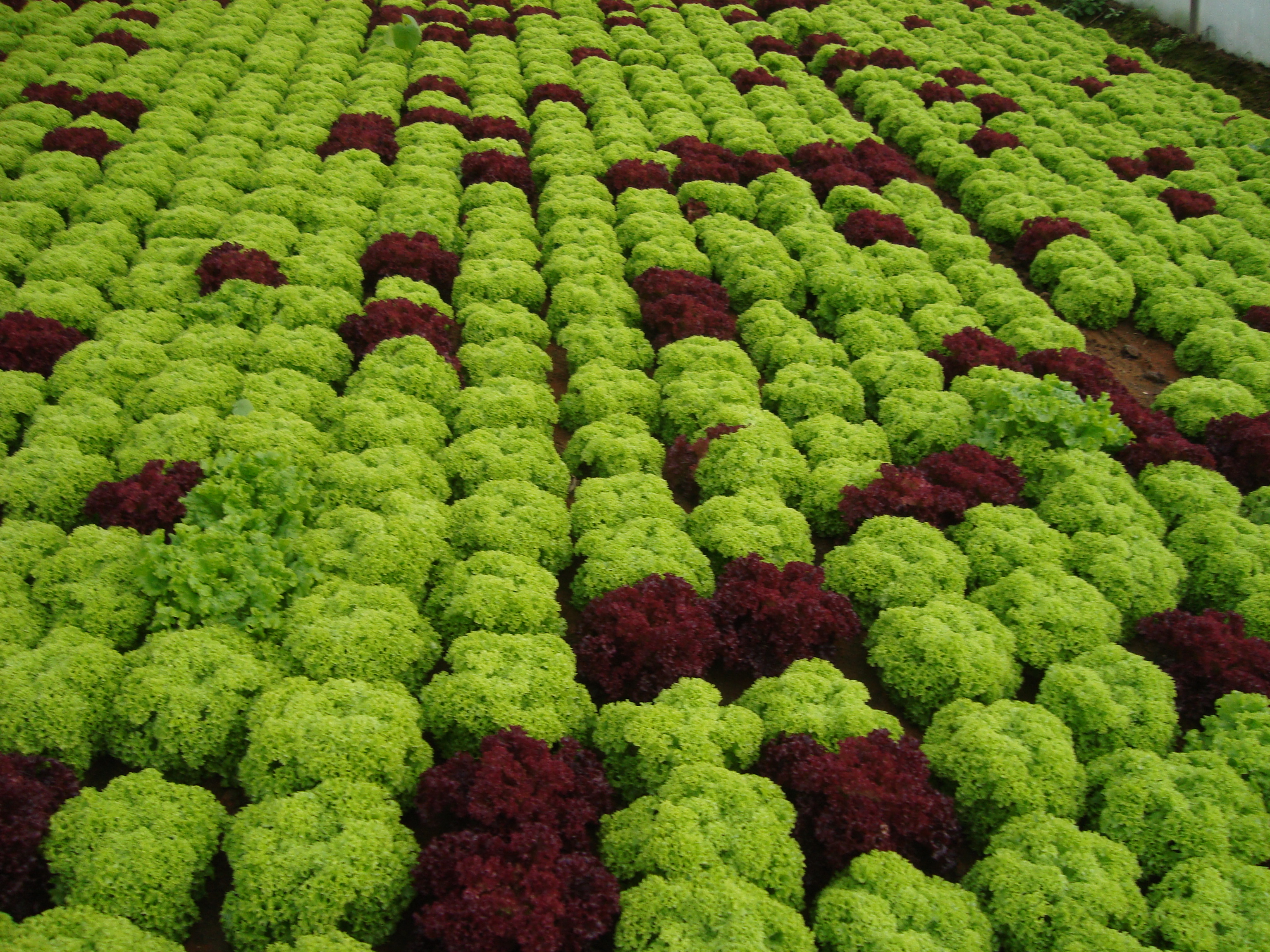
October 2009. Head lettuce crop after three months of cultivation with BioAksxter®, showing an increase in average weight of 100 grams per plant.
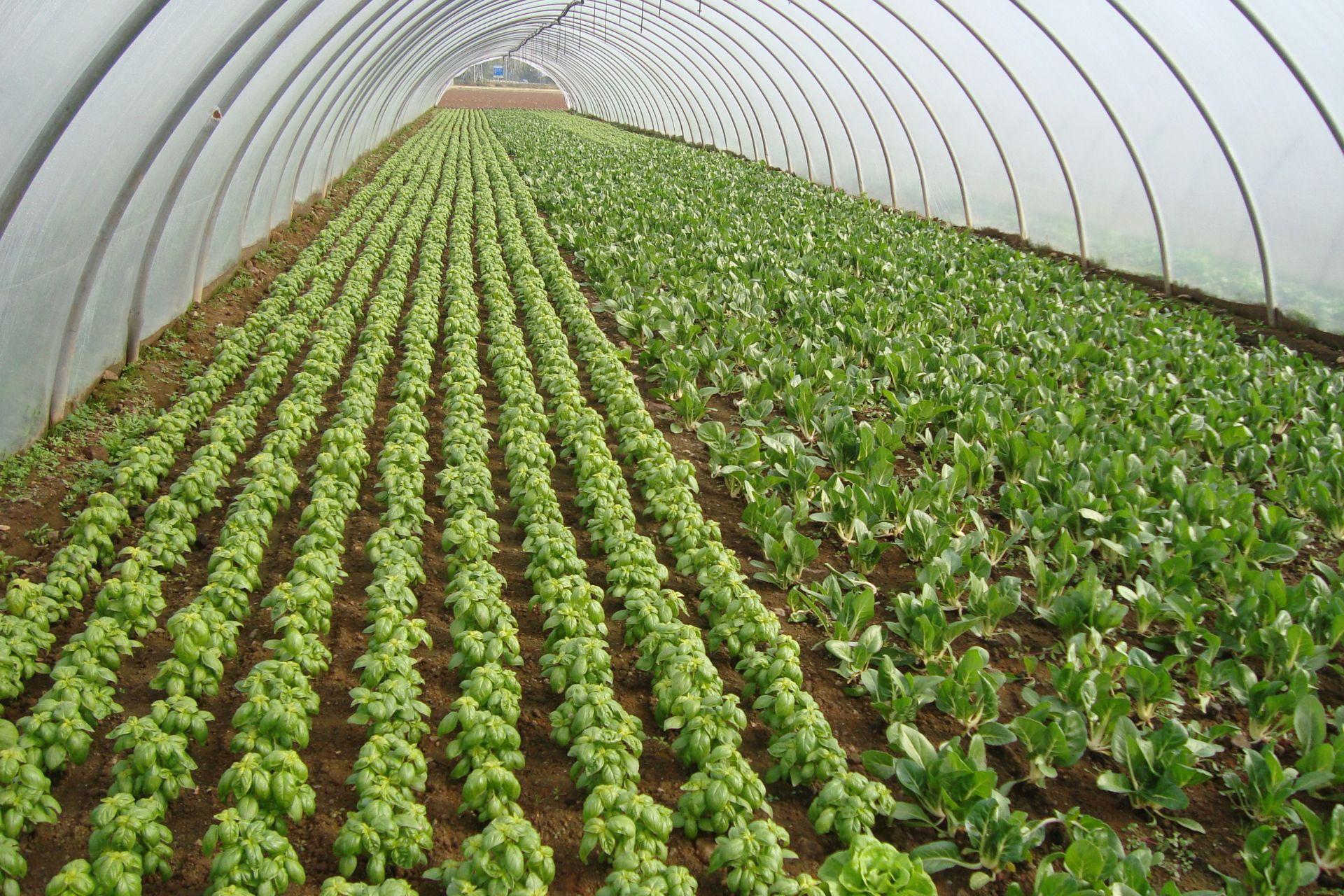
October 2009. Basil and chard crops treated with BioAksxter® for three months, characterised by high uniformity.
By November 2010, the improvements achieved through the use of BioAksxter® were remarkable, both in relation to Fusarium wilt in lettuce and other diseases such as downy mildew (Bremia) and Sclerotinia. Yields increased significantly, while crop nutrition and plant protection management became simpler:
- Soil structure and its capacity to decompose organic matter improved. This made it possible to incorporate crop residues into the soil, reduce cultivation time and costs, and further improve crop uniformity.
- Soil fumigation treatments were substantially reduced, and the occurrence of Fusarium in lettuce was limited to the most susceptible varieties during periods of greatest risk.
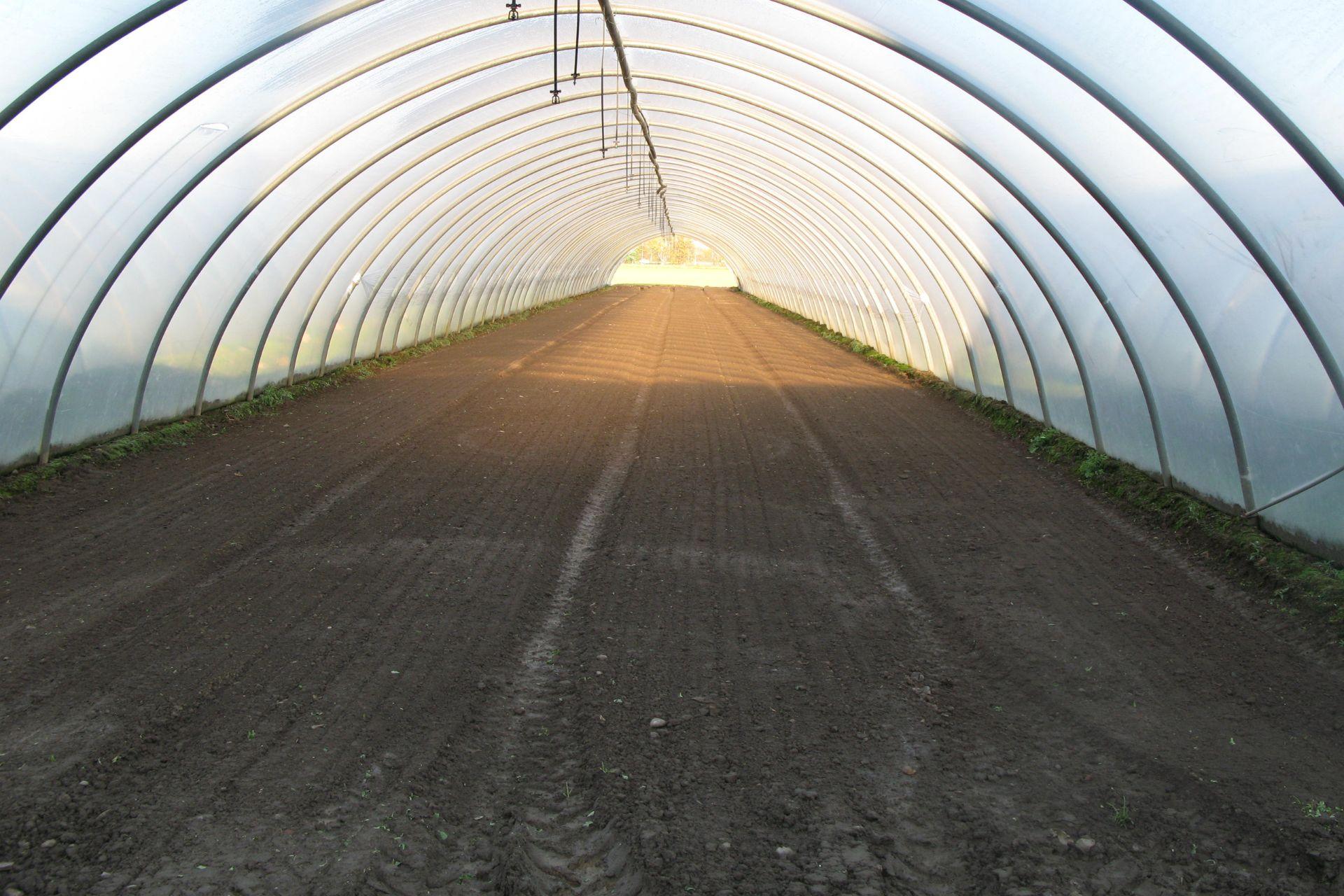
Soil cultivated and ready for transplanting. After one year of cultivation with BioAksxter®, soil workability, water-holding capacity and organic matter decomposition capacity had improved.
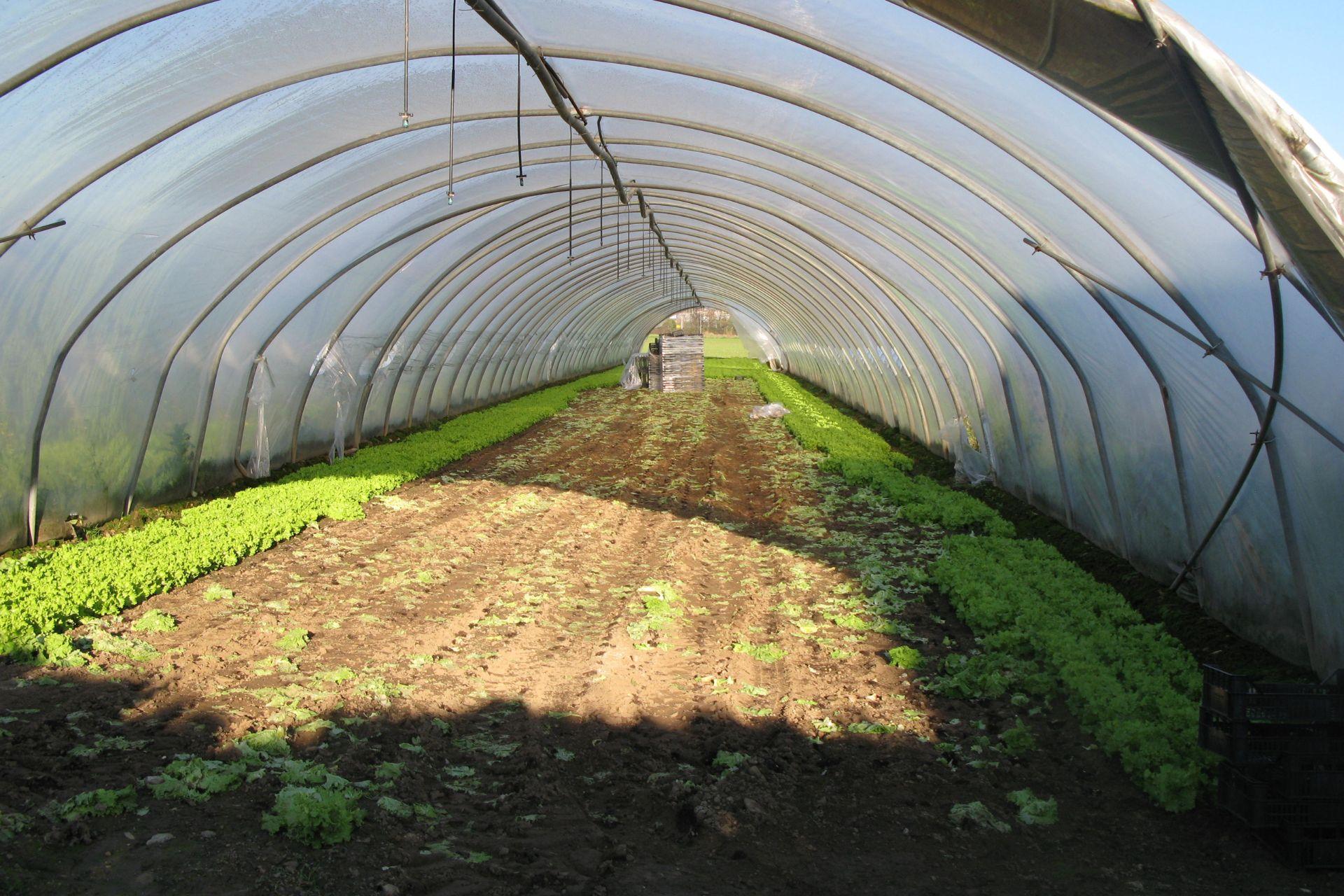
November 2010. Head lettuce crop during harvesting operations after approximately one year of treatment with BioAksxter®. Crop residues are no longer removed but left in the field.
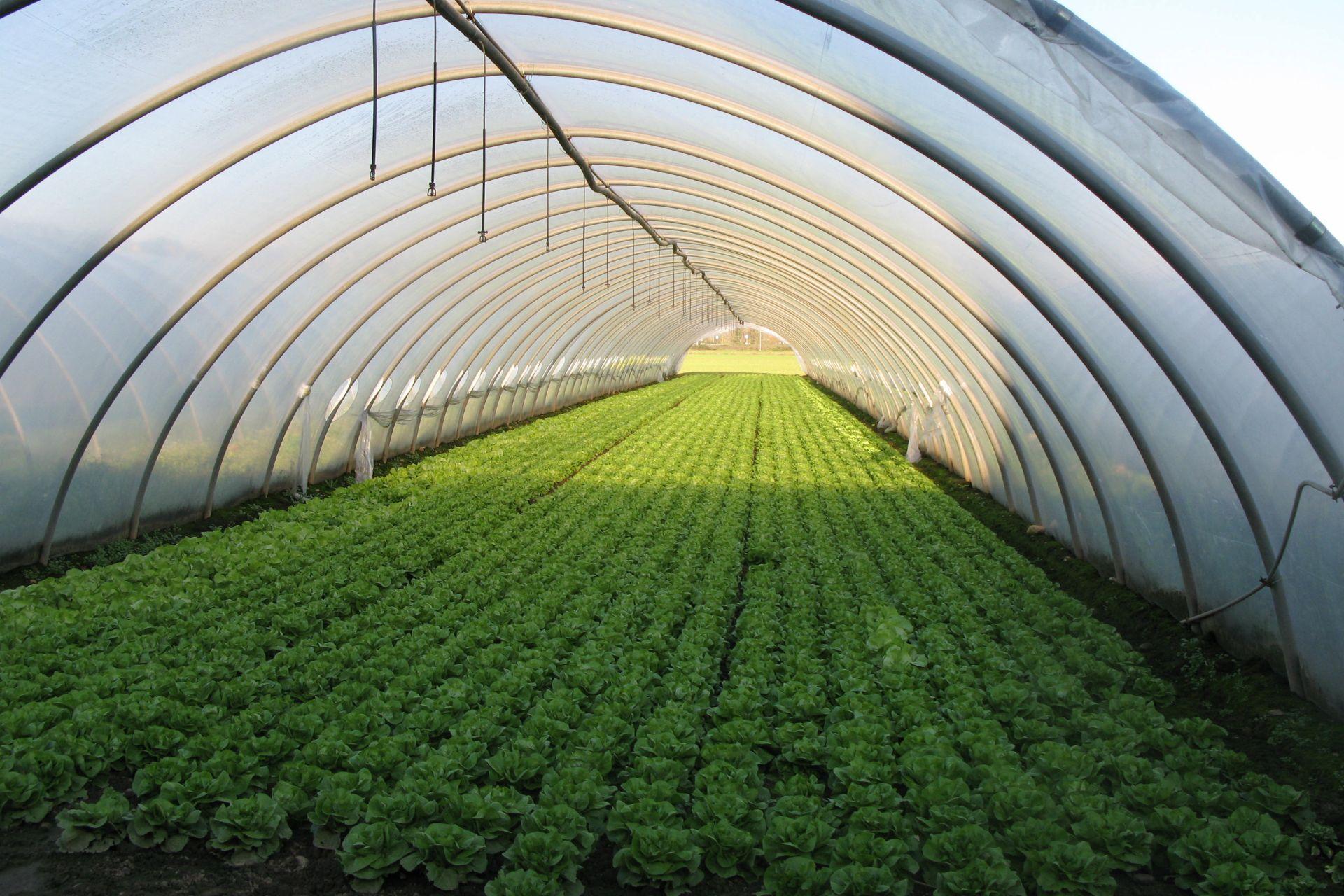
November 2010. Lettuce crop after approximately one year of treatment with BioAksxter®, characterised by high uniformity and the absence of Fusarium.
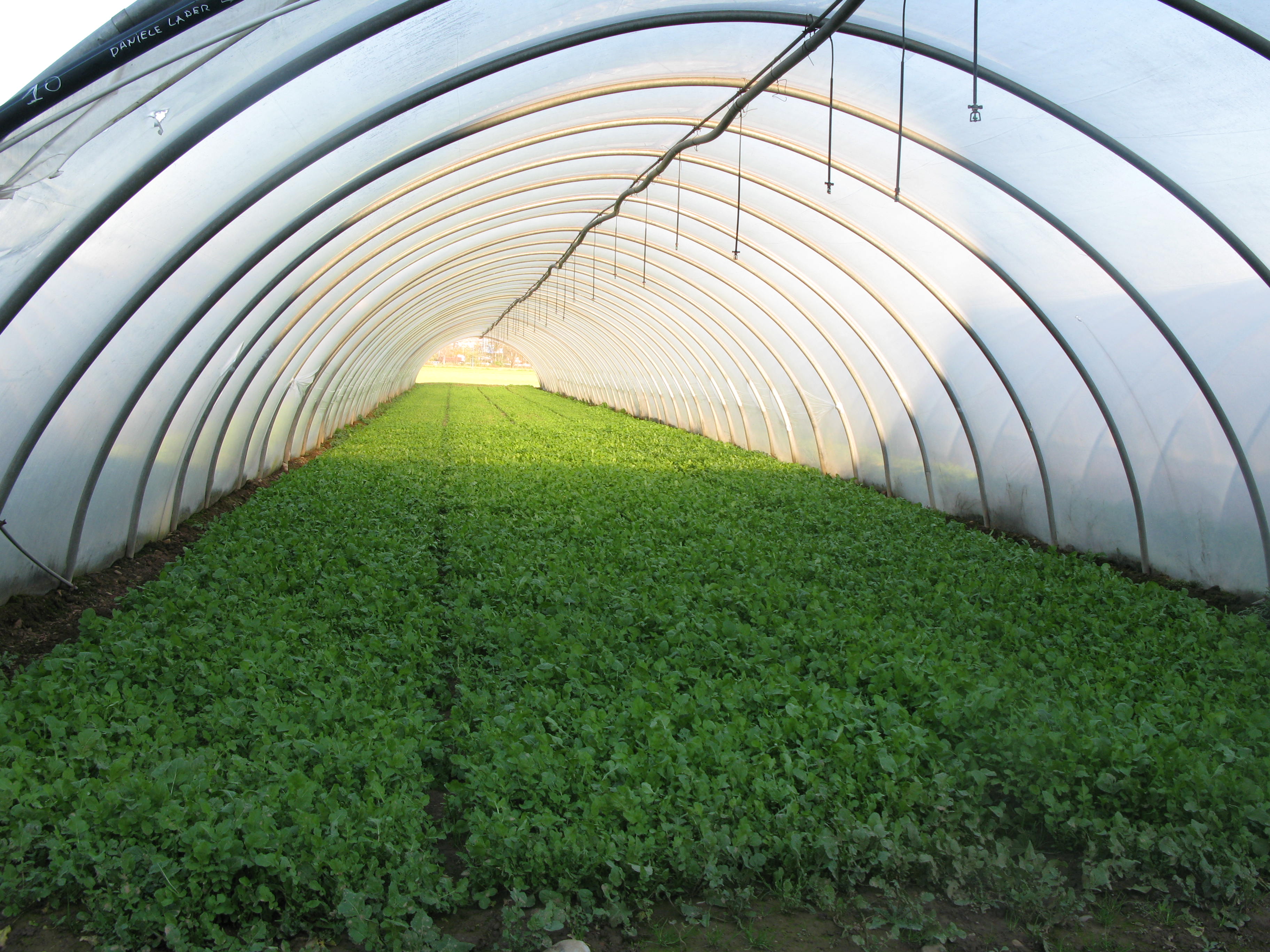
November 2010. Head lettuce crop after approximately one year of cultivation with BioAksxter®, characterised by high uniformity and the absence of Fusarium.
- The quality of the produce improved considerably, with a particularly sweet flavour, better leaf firmness and colour, and excellent storage life.
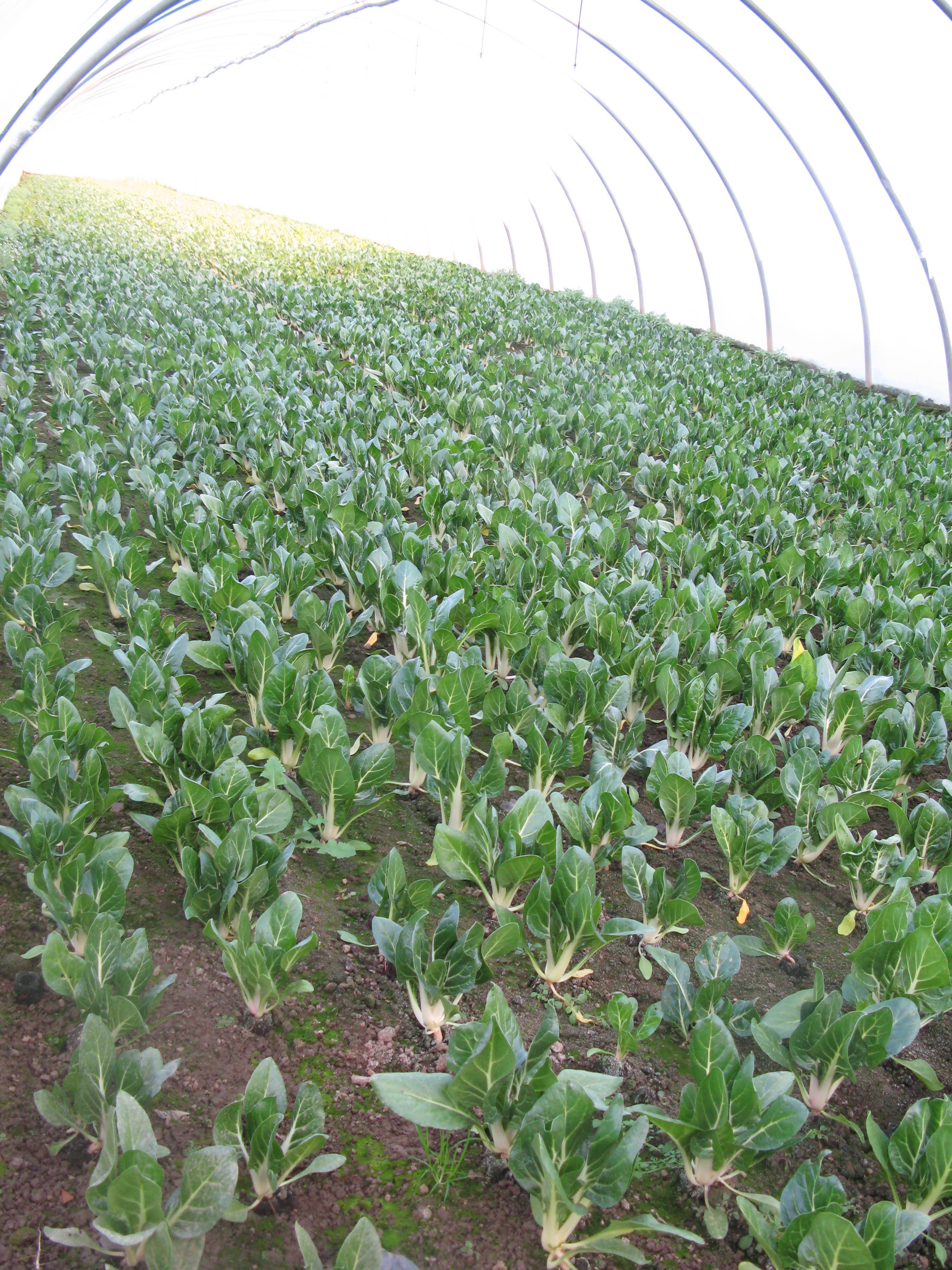
Chard crop after approximately one year of cultivation with BioAksxter®. The produce was distinguished by its excellent storage life and sweetness.
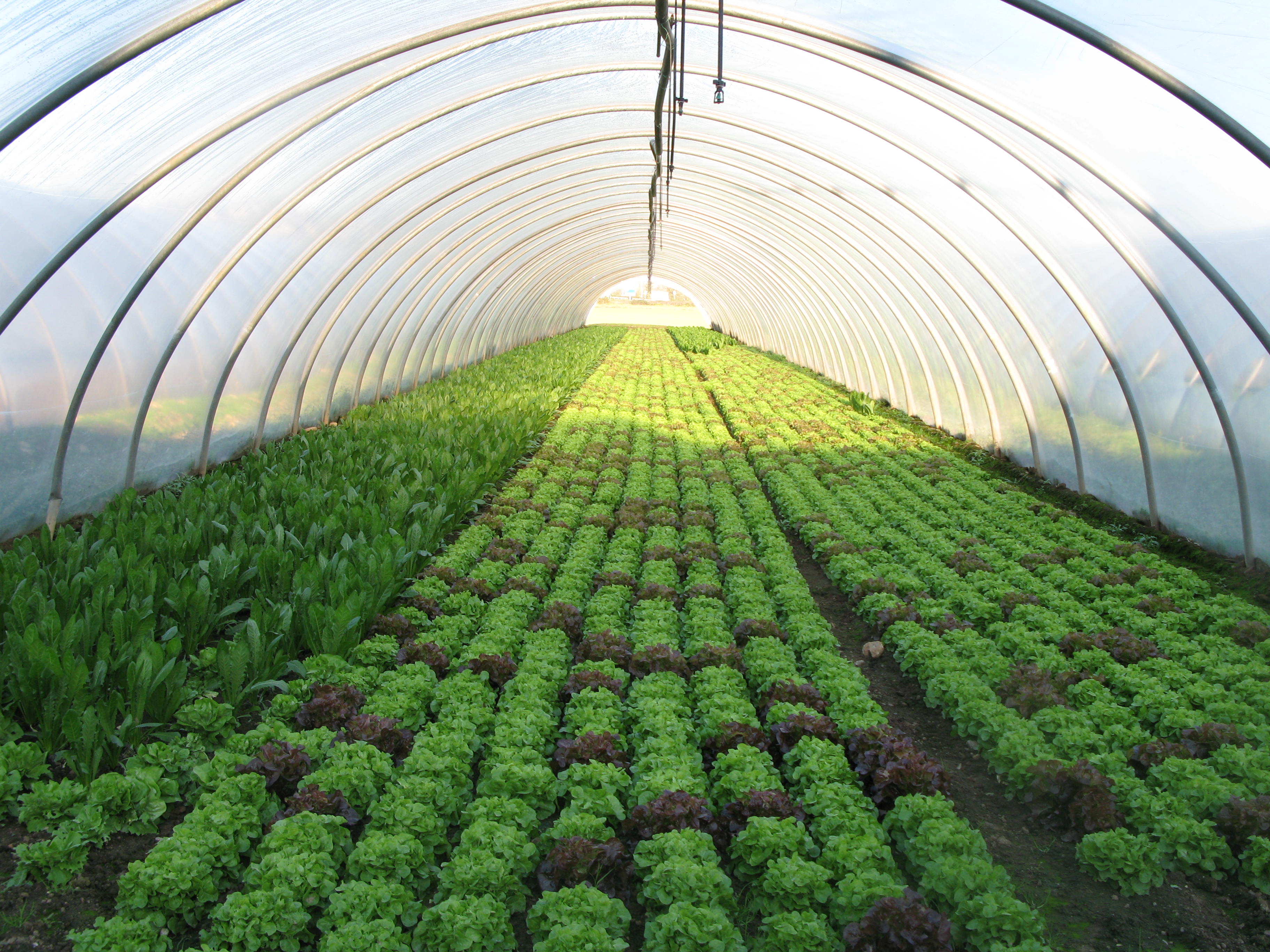
Head lettuce grown with BioAksxter®, characterised by particularly intense leaf colour and greater firmness.
After just over one year of using BioAksxter®, the grower expressed great satisfaction with the excellent results achieved, both in terms of plant health and productivity.


