The quality of extra virgin olive oil
The quality of extra virgin olive oil is a matter of both sensory impressions and measurable values. Sensory impressions because the finest extra virgin olive oils can be recognised through tasting, with their fruity, bitter and pungent notes, all considered positive attributes of this product. Measurable values because quality can also be assessed through specific analyses based on standardised indicators governed by legislation.
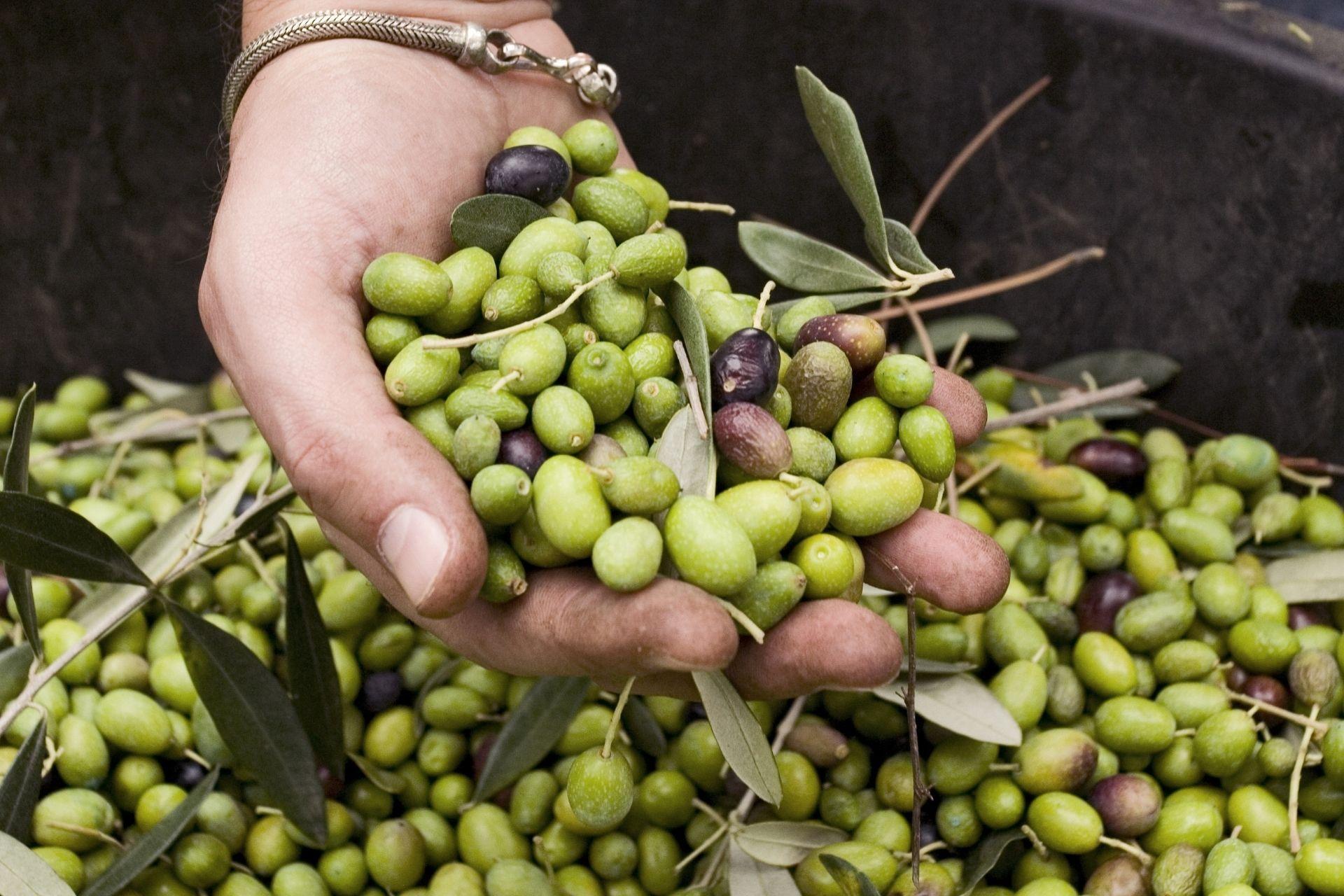
Chemical parameters for assessing extra virgin olive oil quality
It is important to analyse the main chemical parameters used to assess the quality of extra virgin olive oil. Acidity, peroxide value and polyphenol content are key indicators reflecting not only the oil's sensory qualities but also its nutritional value. It is no coincidence that extra virgin olive oil is considered one of the cornerstones of the Mediterranean diet, with notable nutraceutical properties deriving from its content of antioxidants, vitamins, minerals and other compounds.

Polyphenols
Polyphenols are among the most important parameters in determining the quality of extra virgin olive oil. From a chemical perspective, these substances, also known as biophenols, help prevent oxidation reactions. They therefore act as antioxidants and contribute to the oil's stability over time by slowing the degradation of its fatty acids and, consequently, delaying rancidity.
This also explains the important role that polyphenols can play in our diet. Numerous studies have highlighted the activity of phenolic compounds as antioxidants, protecting cells from damage caused by free radicals, as well as their potential anticancer, antithrombotic and anti-inflammatory properties. The original text also associates their antithrombotic activity with the inhibition of clotting involving low-density lipoprotein (LDL), commonly referred to as 'bad cholesterol'.
Furthermore, polyphenols influence the organoleptic characteristics of olive oils, contributing to their fruity aroma and the characteristic pungent or bitter taste of extra virgin olive oil.
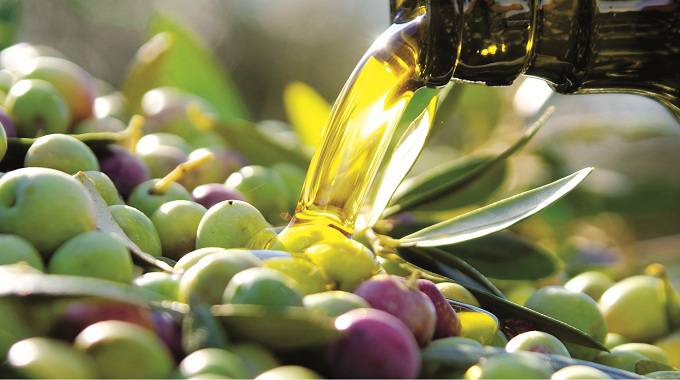
Acidity
The acidity of extra virgin olive oil is determined through laboratory analysis (acid–base titration) and cannot readily be detected through tasting.
By law, the maximum acidity permitted for extra virgin olive oil is 0.8%, although high-quality extra virgin olive oils generally have considerably lower values (0.1–0.3%). Higher values often indicate problems arising during the production process, such as overripe olives or olive fruit fly infestation, and are frequently accompanied by sensory defects, particularly winey, woody or mouldy notes. Low acidity is an essential requirement for demonstrating the high quality of extra virgin olive oil.
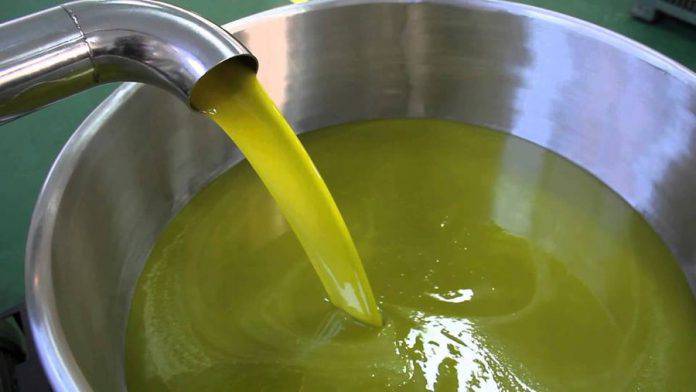
Peroxide Value
The peroxide value of extra virgin olive oil is also determined through laboratory analysis and indicates oxidative deterioration, associated with degradation and ageing.
Under the legislation referenced here, the maximum permitted peroxide value for extra virgin olive oil is 20 meq O₂/kg. Above this limit, the oil no longer meets the peroxide-value requirement for the extra virgin category and is described in the original article as lampante, or low-quality olive oil.
Peroxide value is expressed in meq O₂/kg (milliequivalents of active oxygen per kilogram of oil). Although this may sound rather technical, the important point is that a value below 12 is considered good, while a value below 7 is considered excellent.
A high peroxide value indicates that an irreversible oxidation process has already begun. This leads to the progressive degradation of many compounds important to our diet, including vitamins and polyphenols, as well as the gradual development of rancidity, making the oil increasingly unpleasant to taste.

Acidity, polyphenol content and peroxide value are objective parameters that allow us to measure and quantify essential characteristics of high-quality extra virgin olive oil. To learn more, read the article “Olive Cultivation: No Other Olive Grower Has Achieved These Results”.
The use of BioAksxter® has demonstrated the potential of this innovative technology to bring about significant improvements in both olive oil yield and the quality of the extracted oil. These improvements are supported not only by sensory evaluation through tasting but also by quantitative evidence obtained from analyses of the parameters described above.