Zerbino, vegetable grower
PETRONILLI ZERBINO GIOVANNI Farm, Verona (Italy)
A farm specialising in greenhouse and open-field vegetable production (cucumbers, aubergines, tomatoes, courgettes and, until 2008, Gentile lettuce), as well as kiwifruit.
In February 2008, the farm began using BioAksxter® with the aim of resolving nematode problems in greenhouse crops and avoiding the use of chemical soil fumigation. In kiwifruit and open-field vegetable crops, BioAksxter® was used to resolve chlorosis, increase yields and, particularly in aubergine cultivation, prevent soil fatigue associated with repeated cropping on the same land.
For years, chemical soil sterilisation had been carried out to avoid losing the harvest from the second greenhouse transplanting cycle.
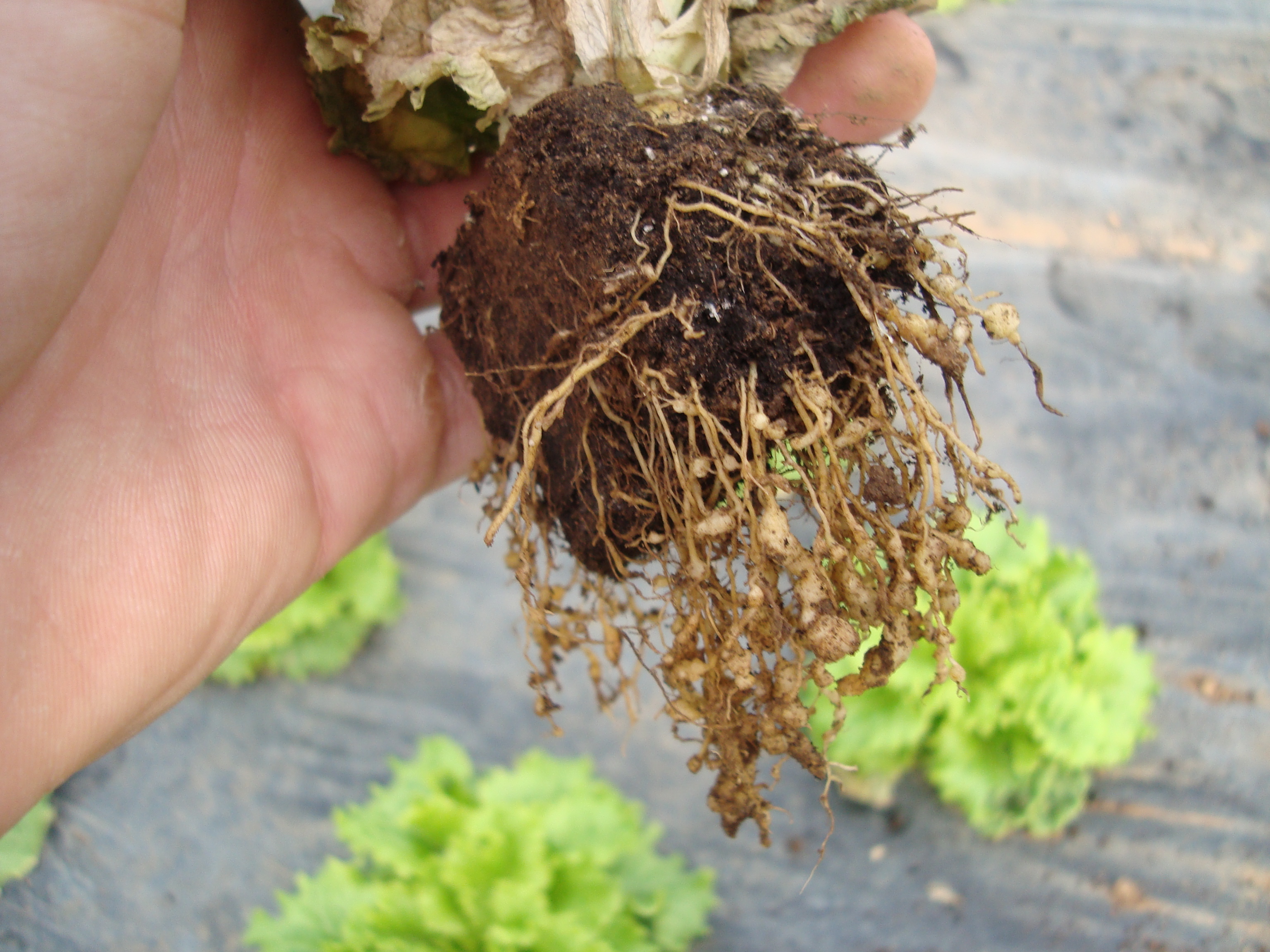
Young lettuce plant affected by nematodes.
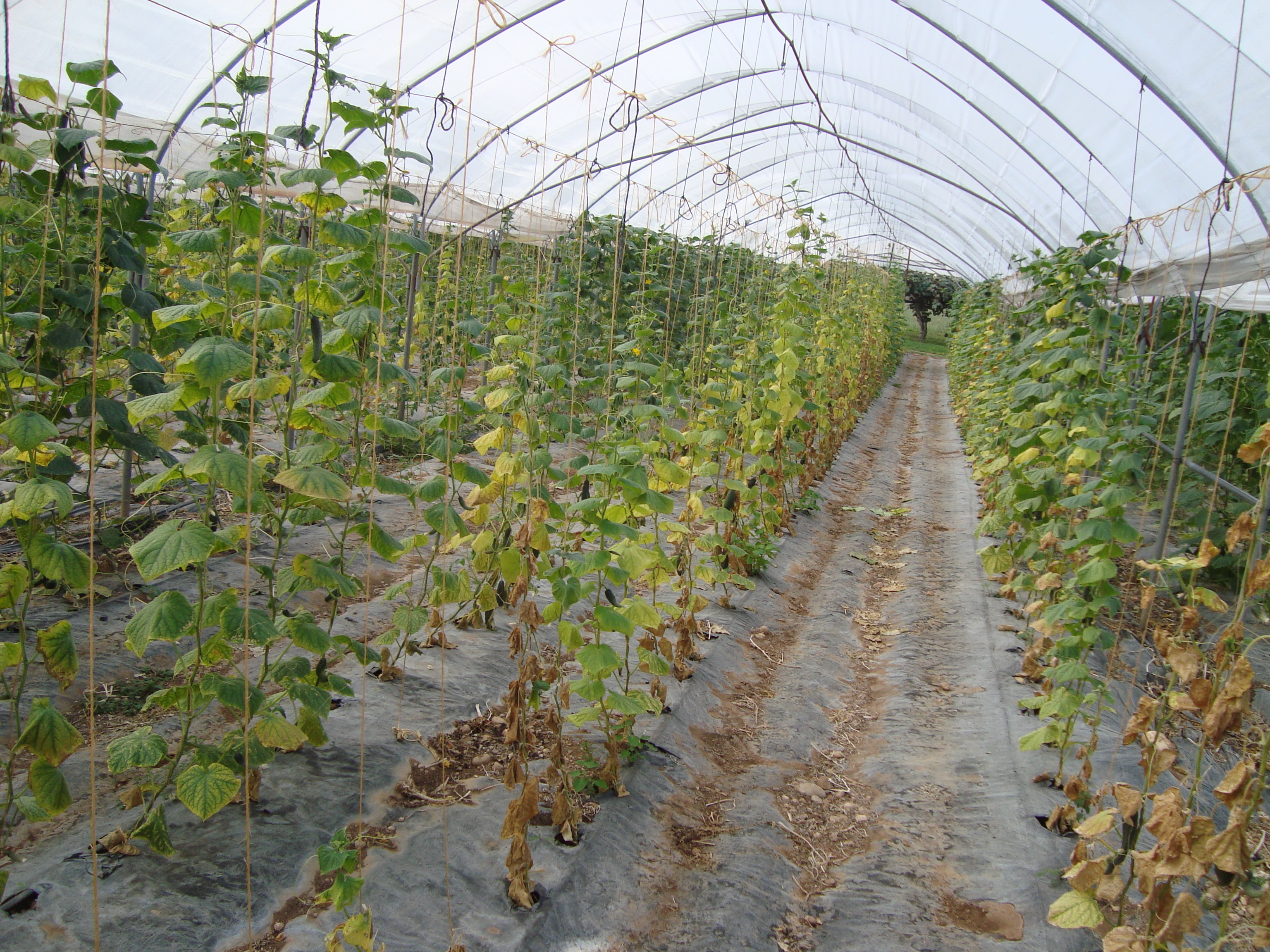
Cucumber crop damaged by nematodes.
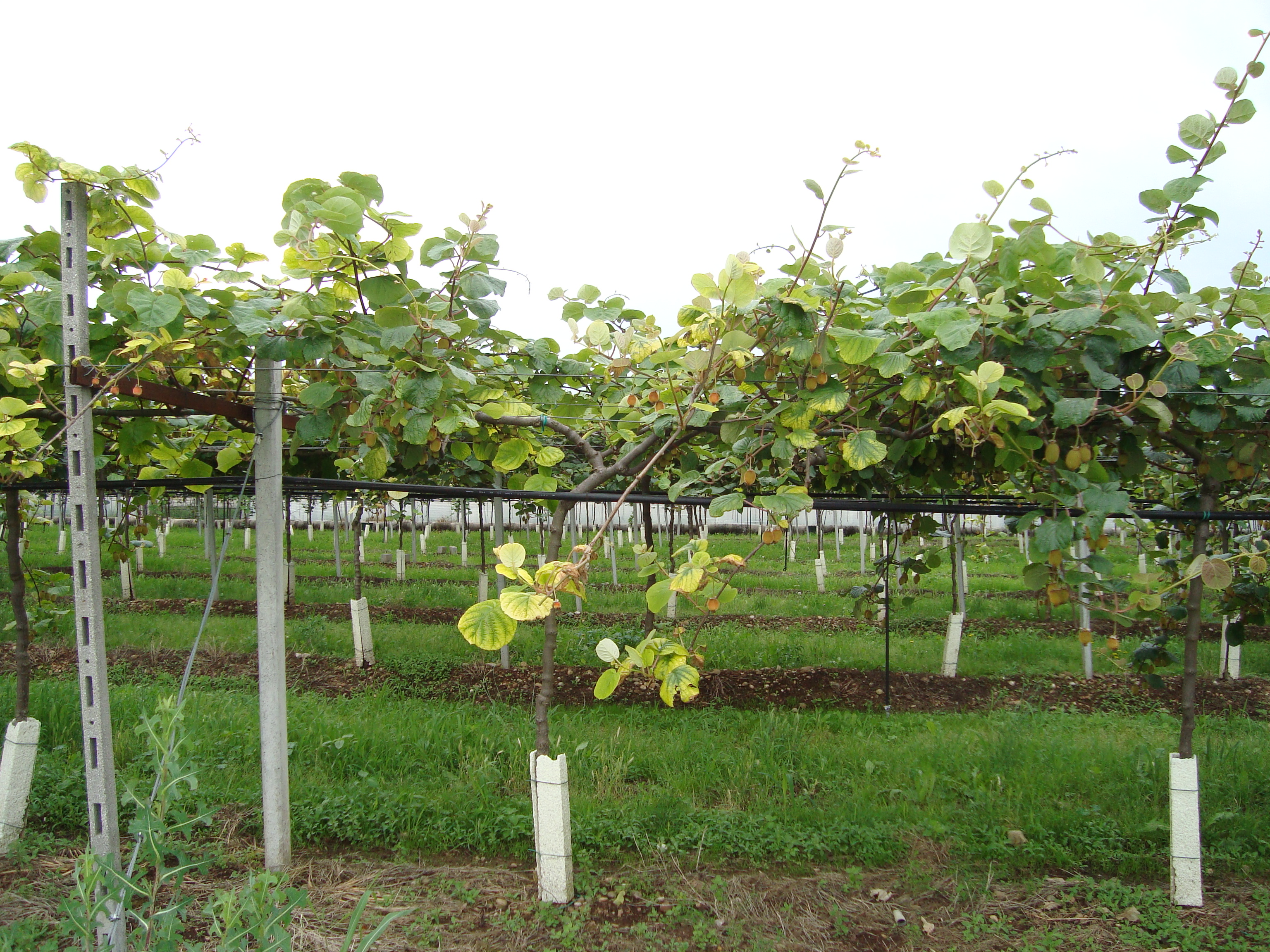
Kiwifruit plant affected by chlorosis.
During 2008, the first year of cultivation with BioAksxter®, crop productivity improved in tomato cultivation. In the second cucumber transplanting cycle, despite the presence of root galls, yields and the harvesting period remained normal.
In kiwifruit cultivation, fruit size and uniformity increased, with sugar content reaching 5–6 °Brix by the end of September.
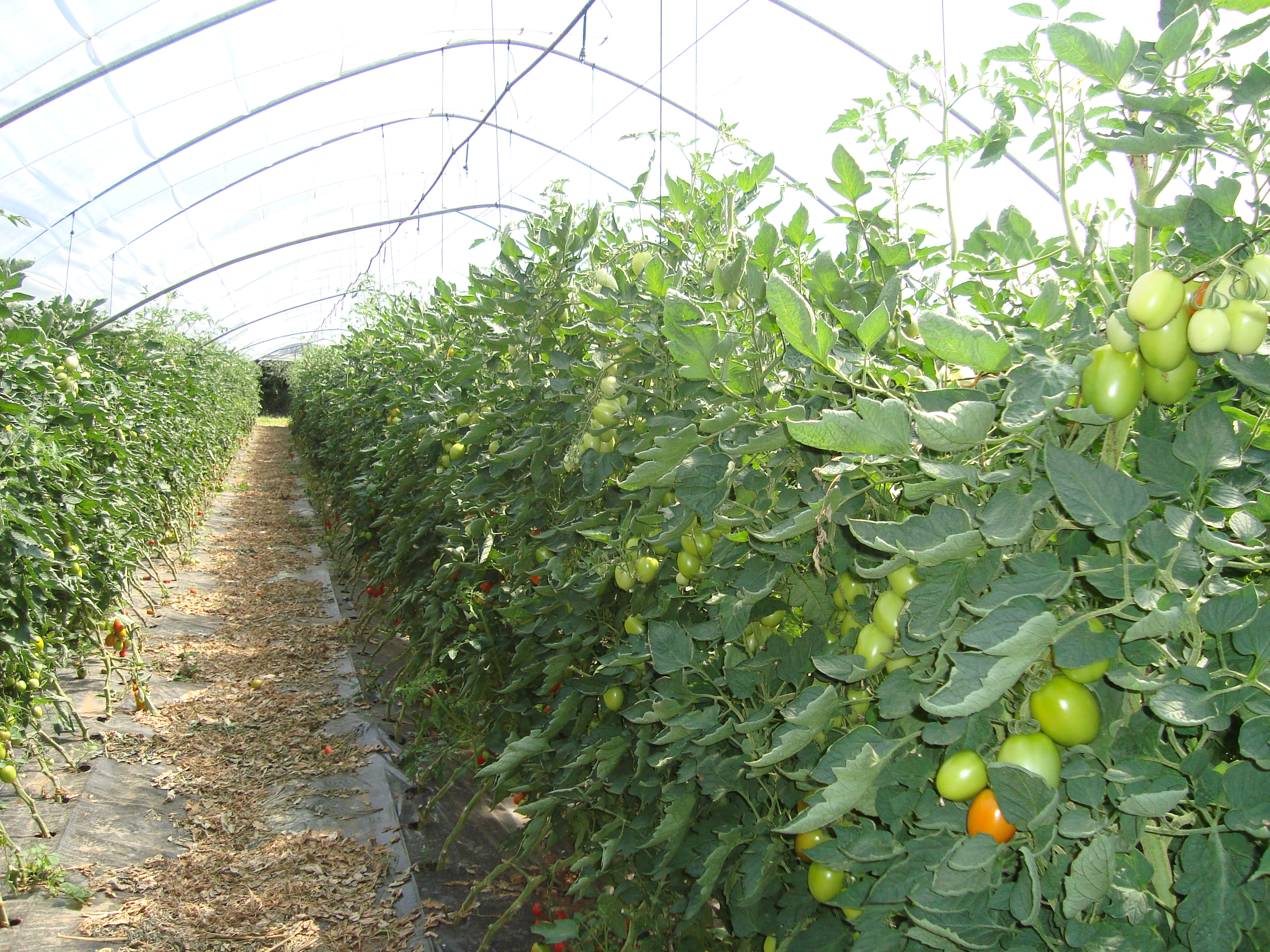
July 2008. Elongated tomato crop during the first year of treatment with BioAksxter®.
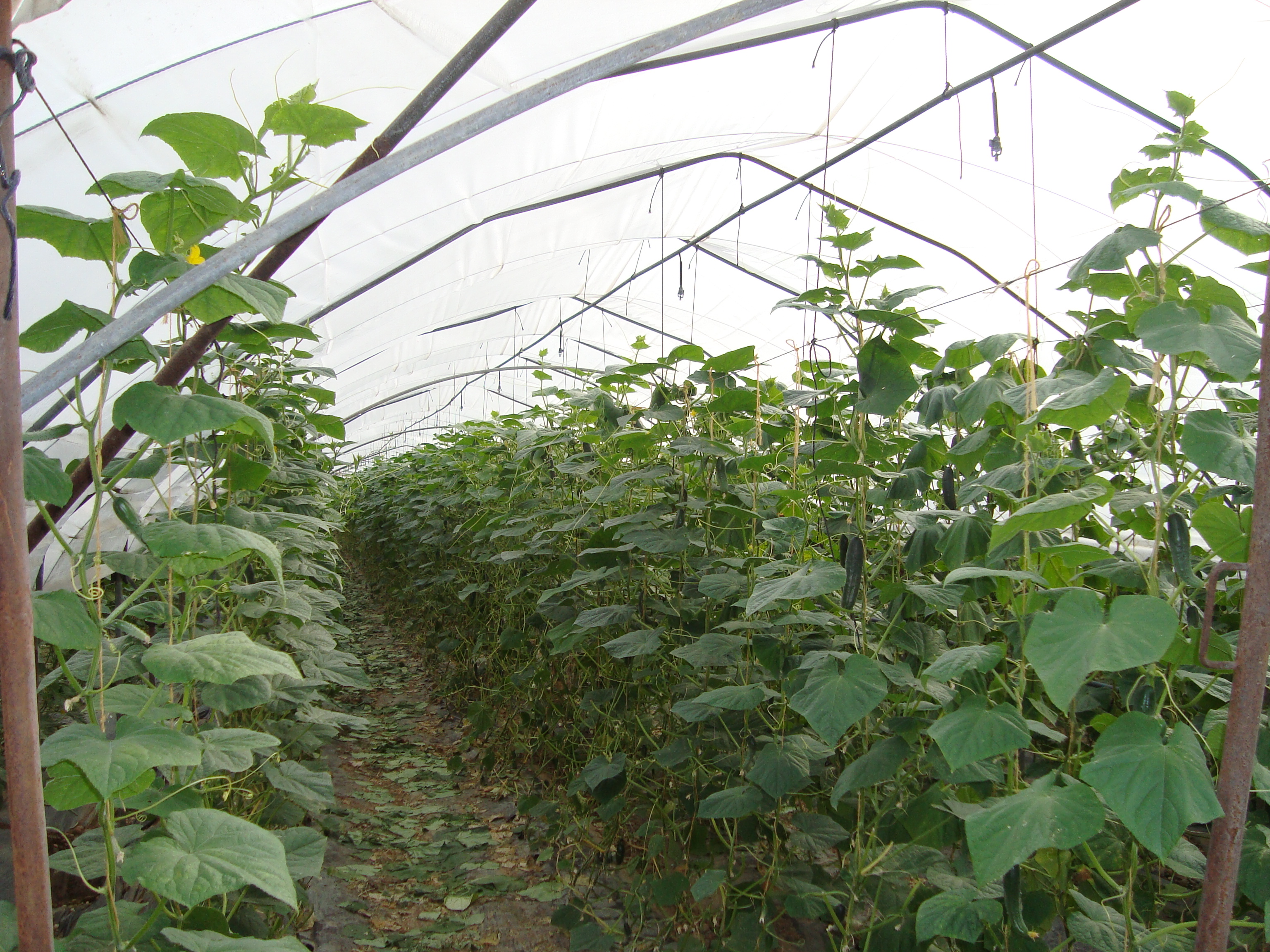
September 2008. Second cucumber transplanting cycle during the first year of treatment with BioAksxter®.
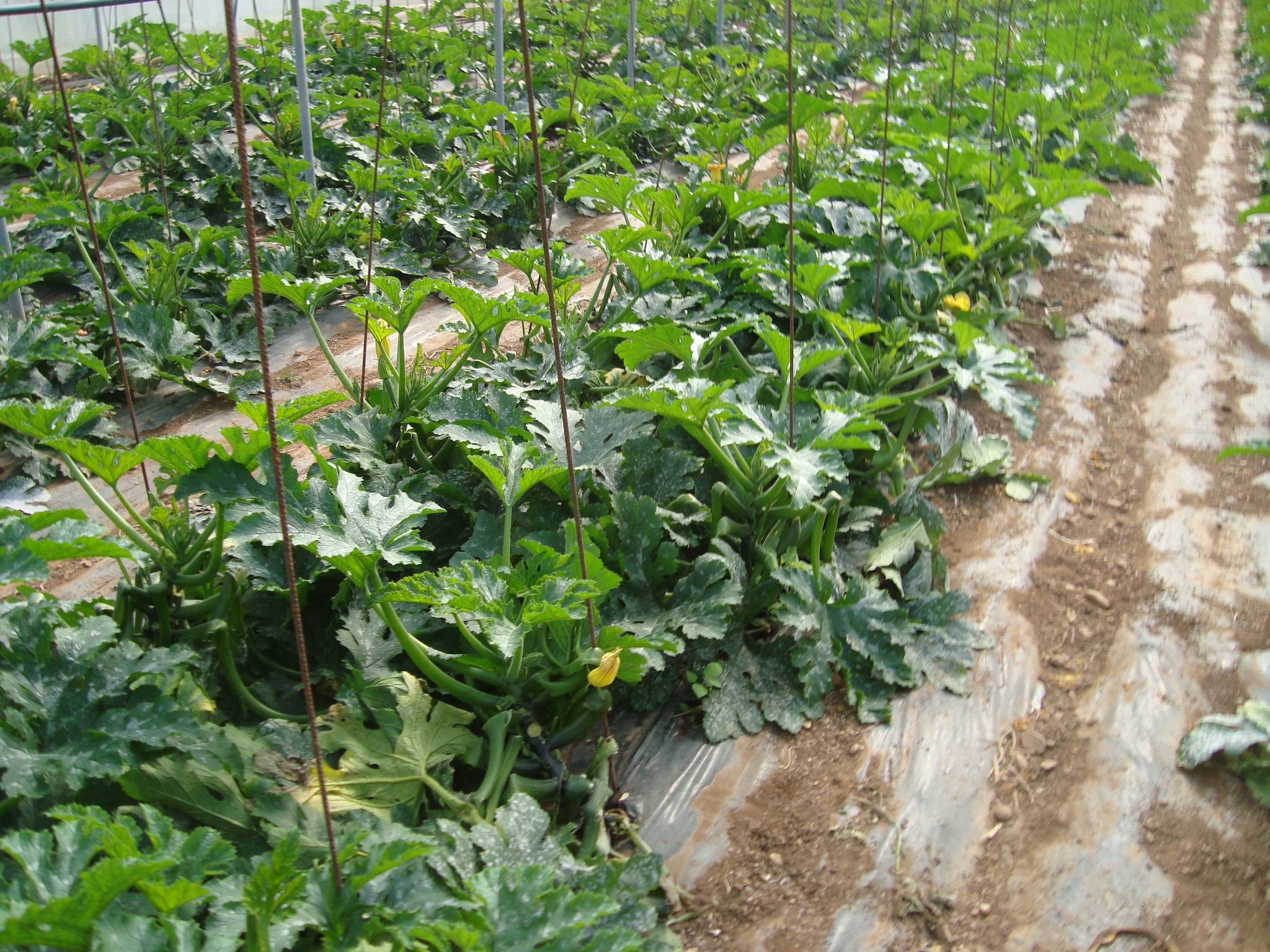
October 2008. Second greenhouse courgette transplanting cycle during the first year of treatment with BioAksxter®.
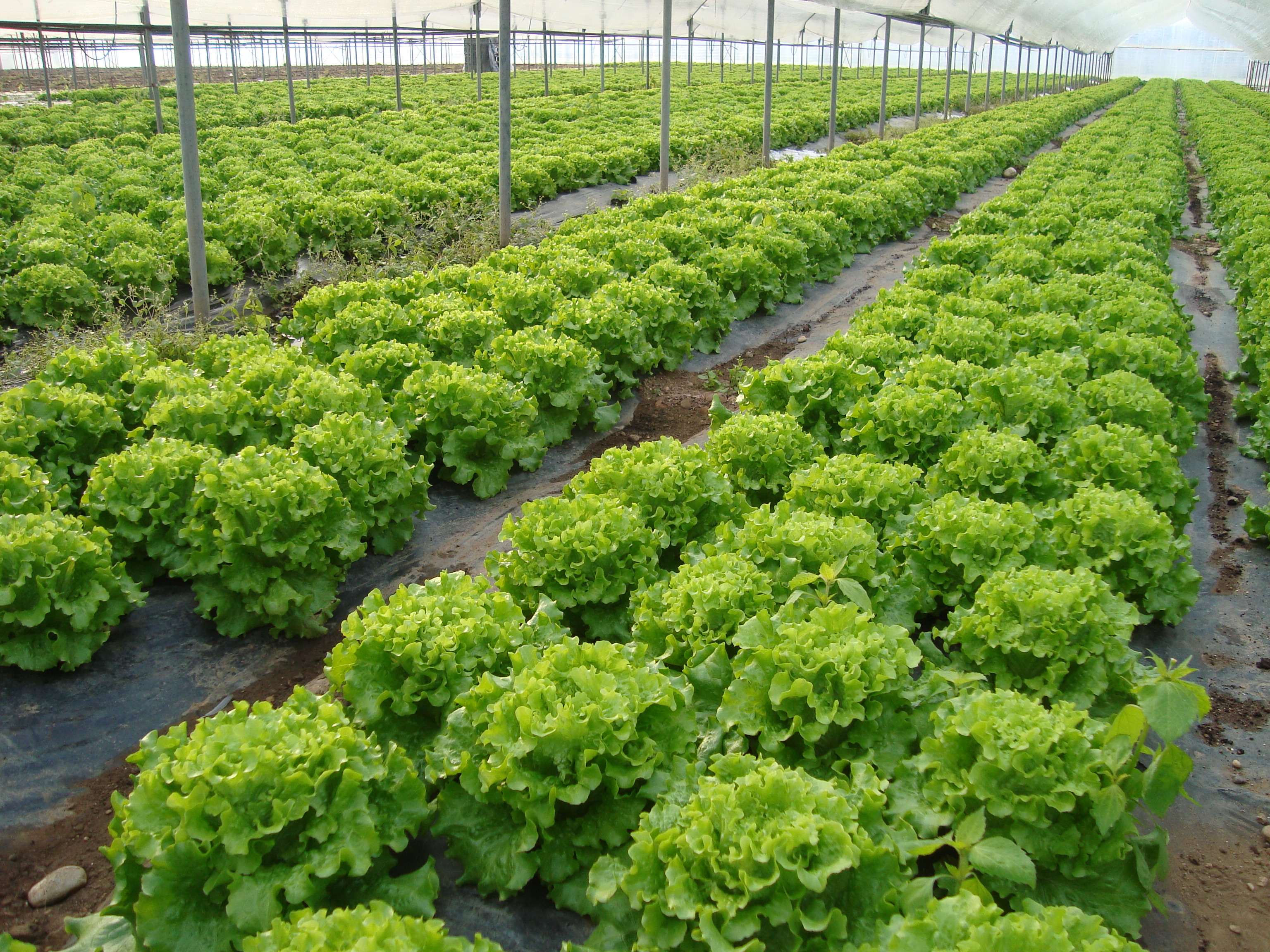
December 2008. Gentile lettuce during the first year of cultivation with BioAksxter®.
During 2009 and 2010, the nematode problem was completely resolved. No further root galls were observed in tomato cultivation, while the harvesting periods for cucumber and courgette crops were extended to 60 and 90 days respectively, in both the first and second transplanting cycles.
In terms of production, kiwifruit and tomato yields increased by 20%. Despite growing aubergines on the same land for the third consecutive cropping cycle, open-field aubergine yields increased by 47%.
Plant health problems, particularly those associated with Pythium, were reduced, and the intervals between fertigation applications were extended from 7 to 10 days. Chlorosis no longer occurred in kiwifruit plants.
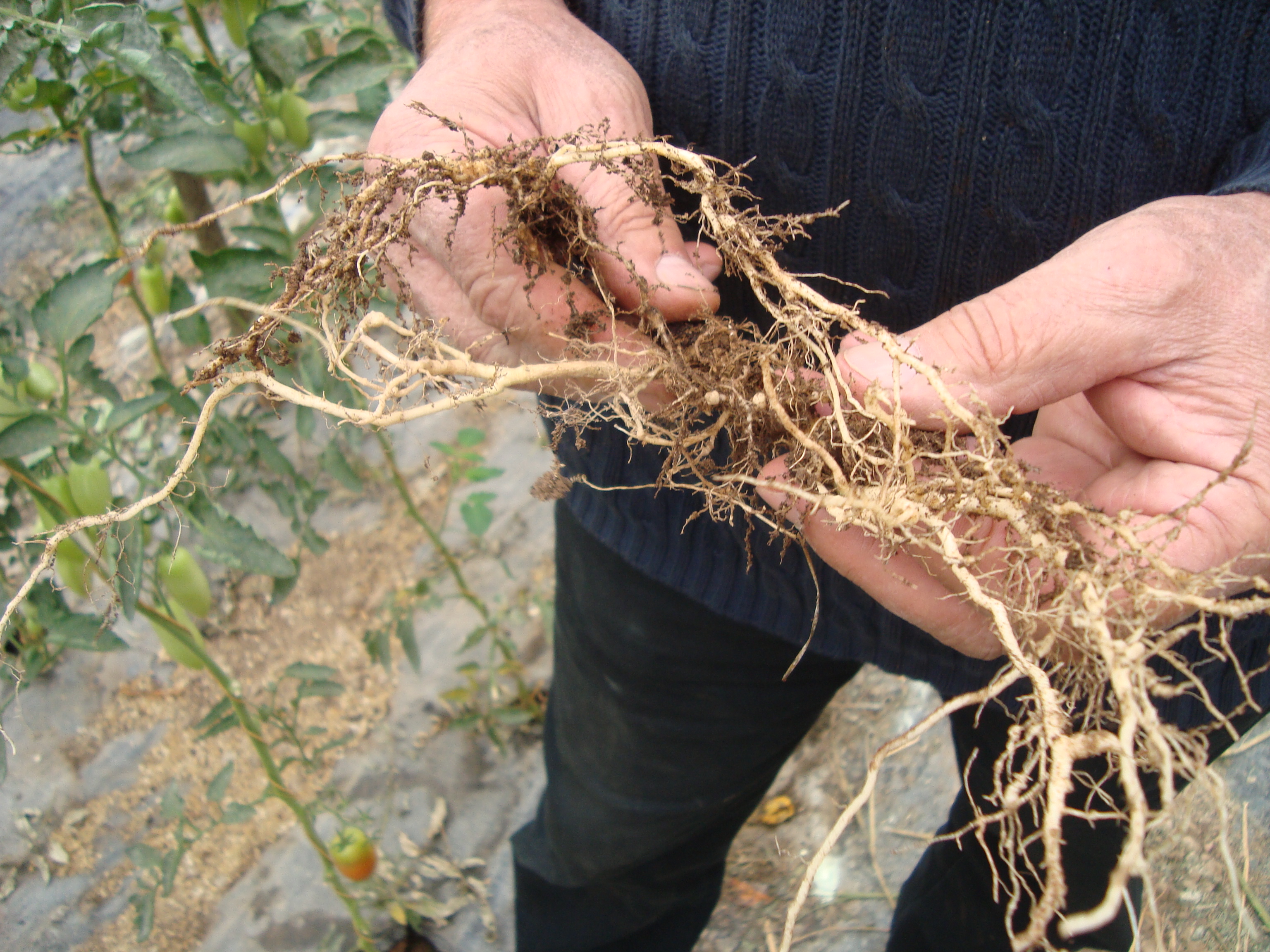
September 2009. Second year of cultivation with BioAksxter®: tomato root free from nematodes.
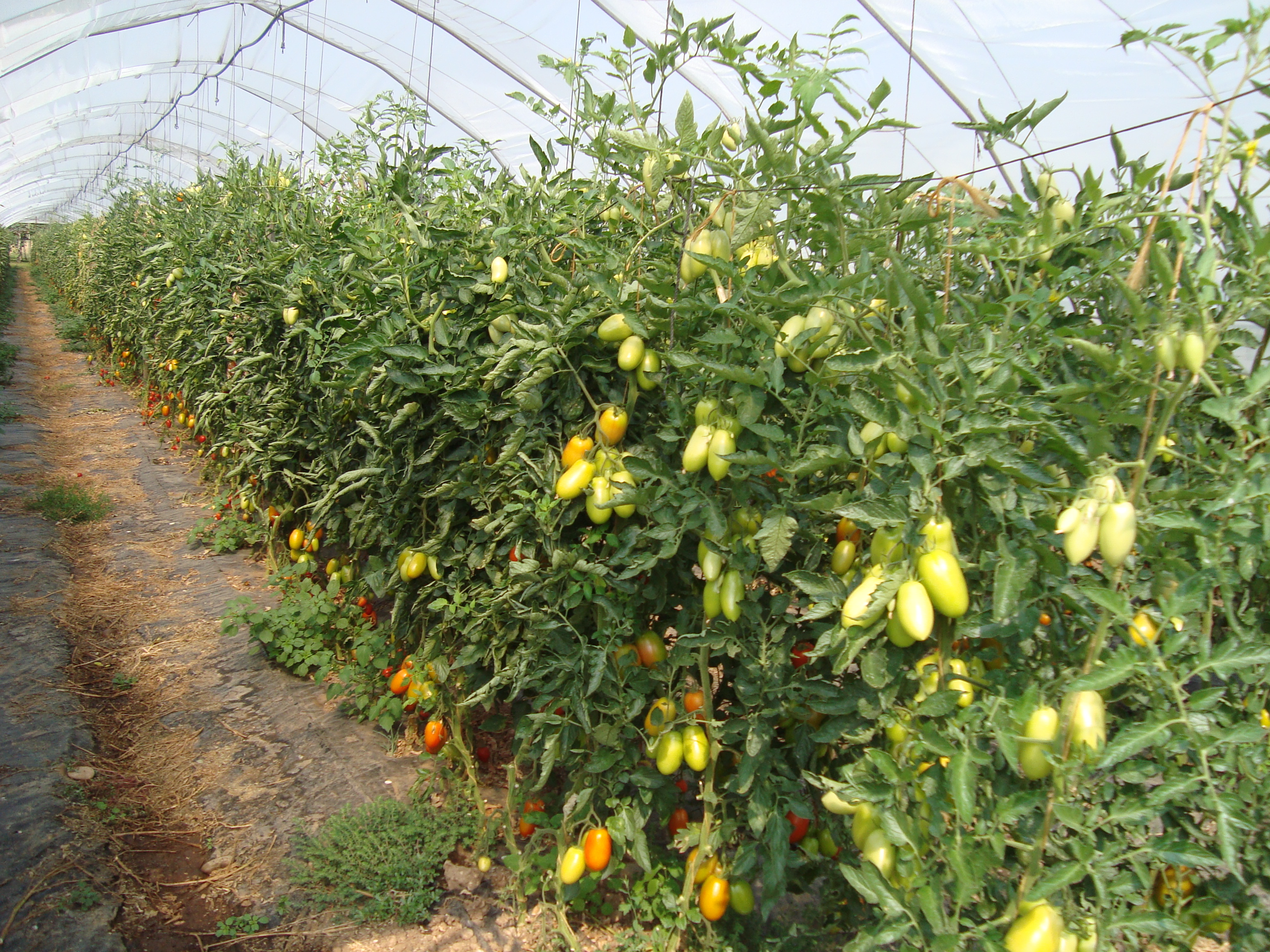
June 2010. Particularly productive elongated tomato crop grown with BioAksxter®.
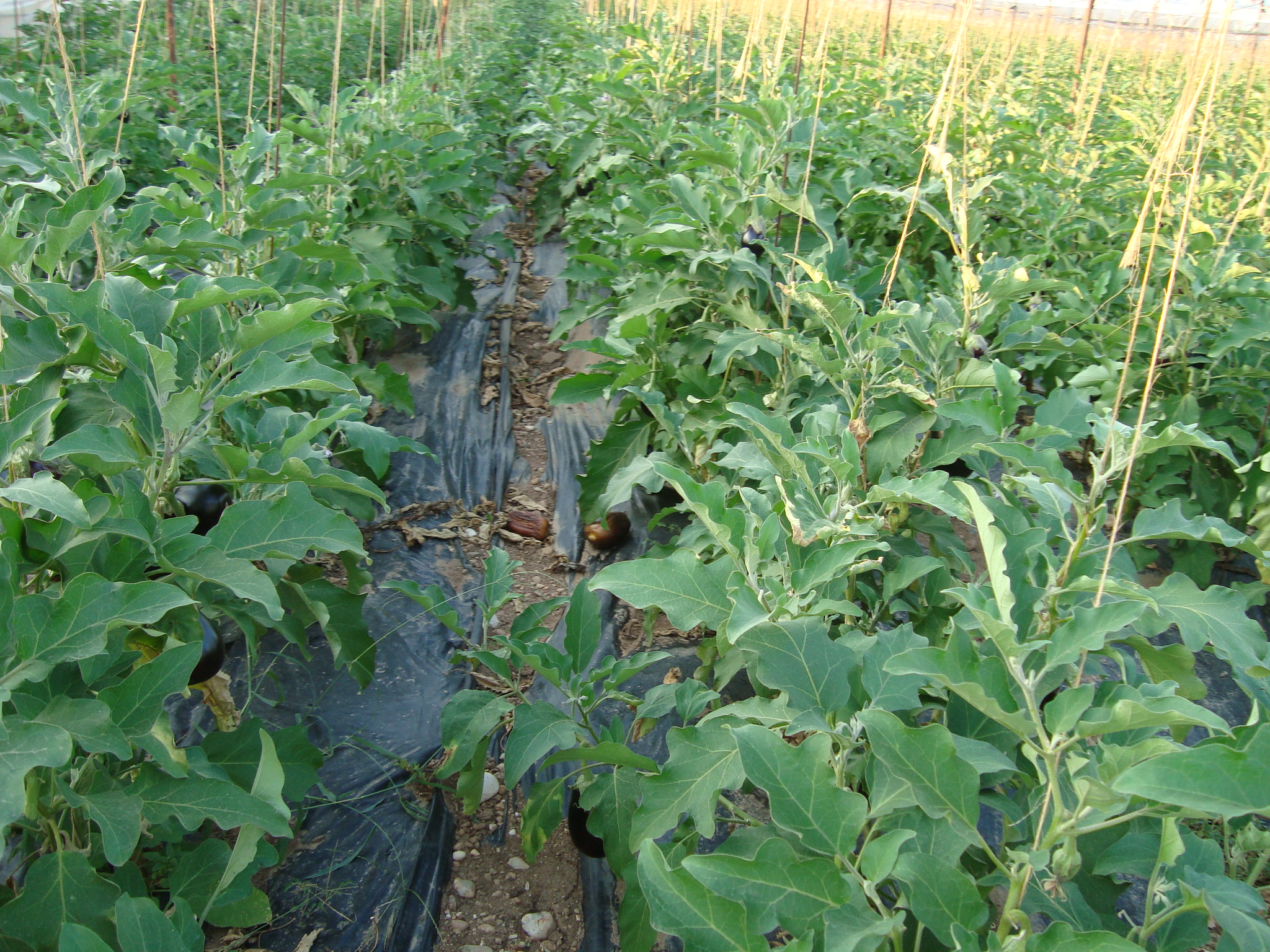
August 2009. Second year of cultivation with BioAksxter®: aubergine crop grown repeatedly on the same land, showing excellent plant health.
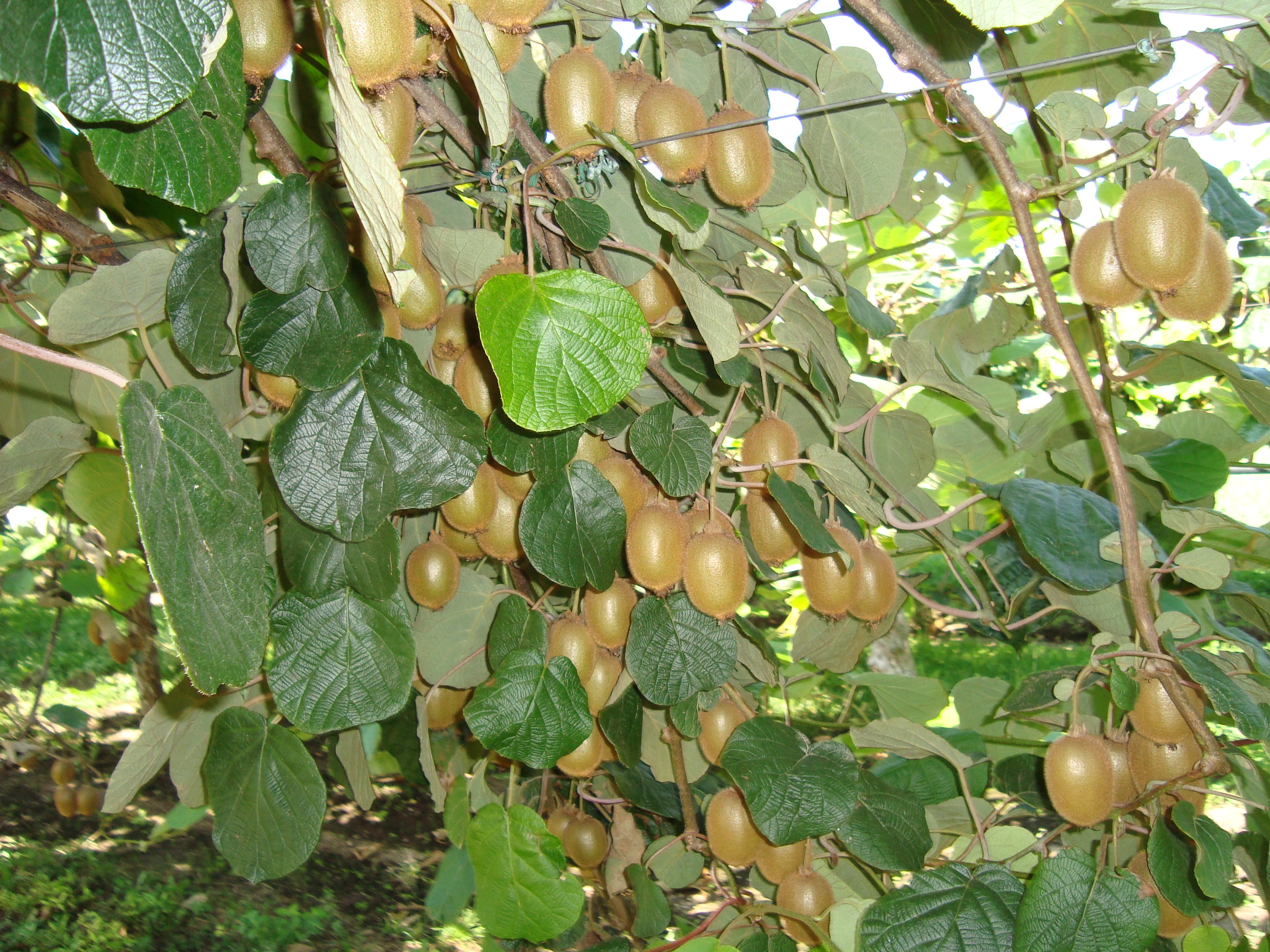
July 2009. Kiwifruit crop showing no chlorosis during the second year of treatment with BioAksxter®.
In 2011, excellent plant health across all crops and the absence of nematodes were confirmed once again. Tomato yields exceeded 900 quintals per hectare, while greenhouse aubergine yields exceeded 1,300 quintals per hectare.
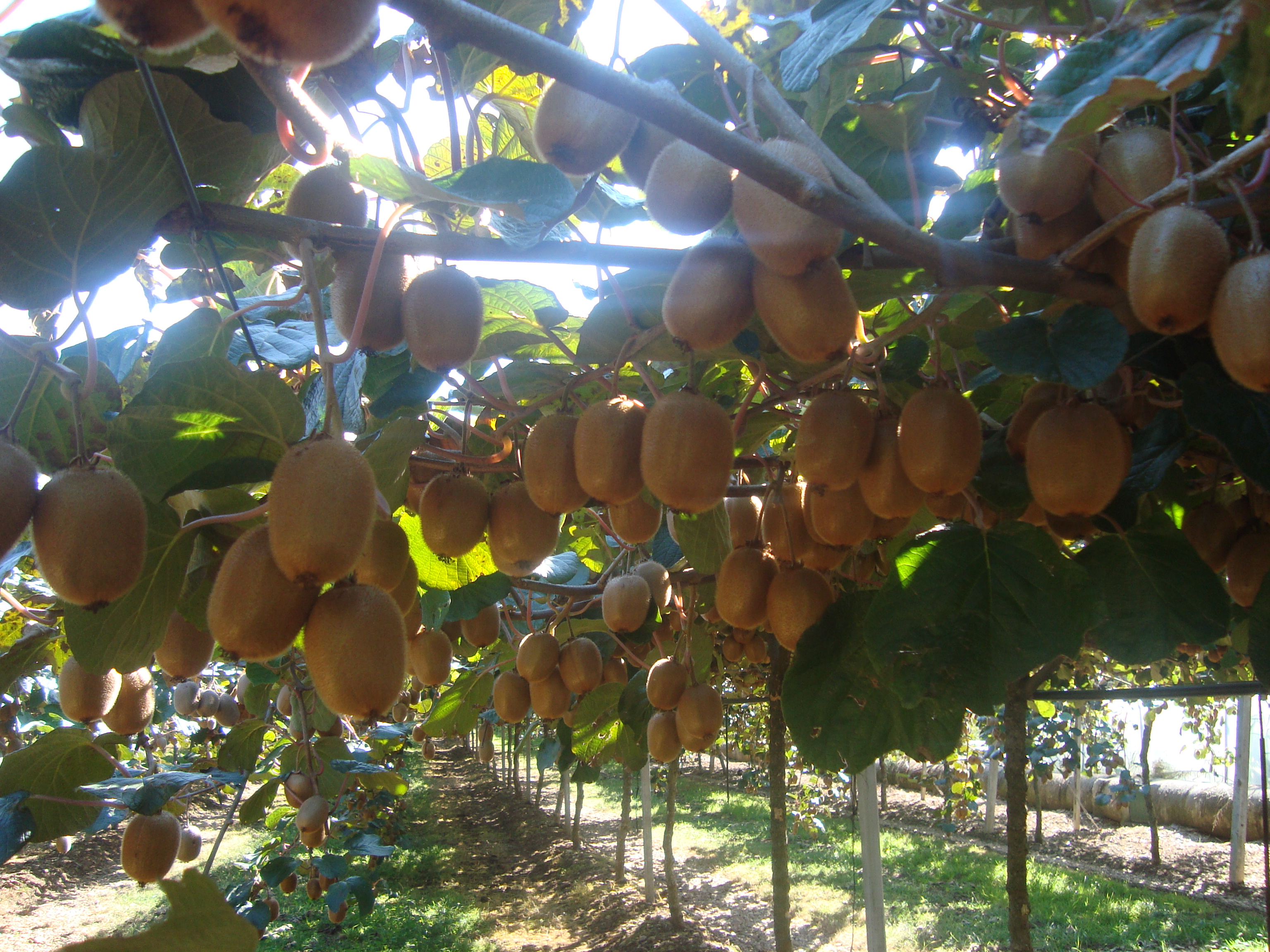
October 2011. Highly productive kiwifruit crop grown with BioAksxter®.
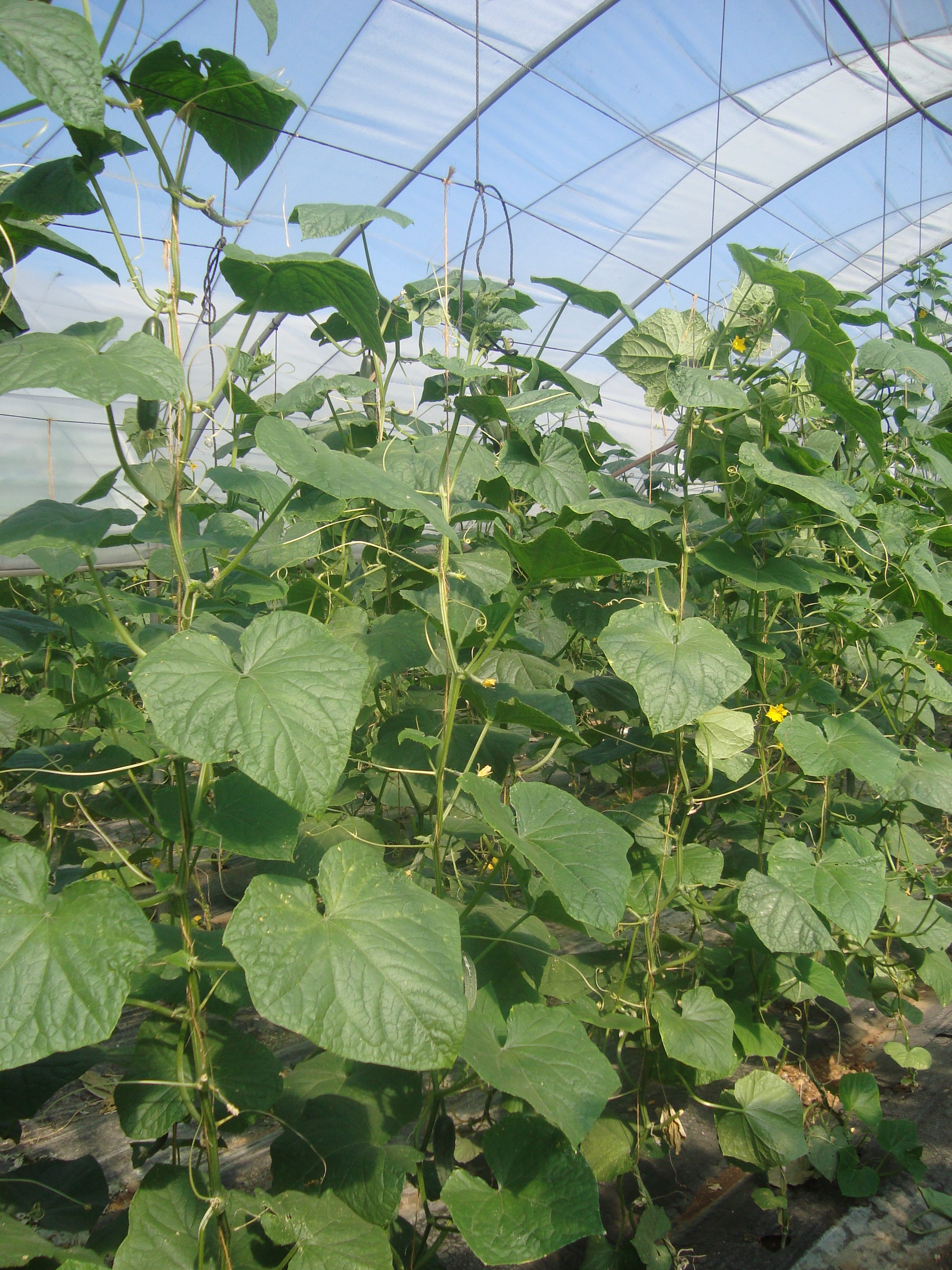
October 2011. Cucumber crop treated with BioAksxter®, completely free from nematodes.
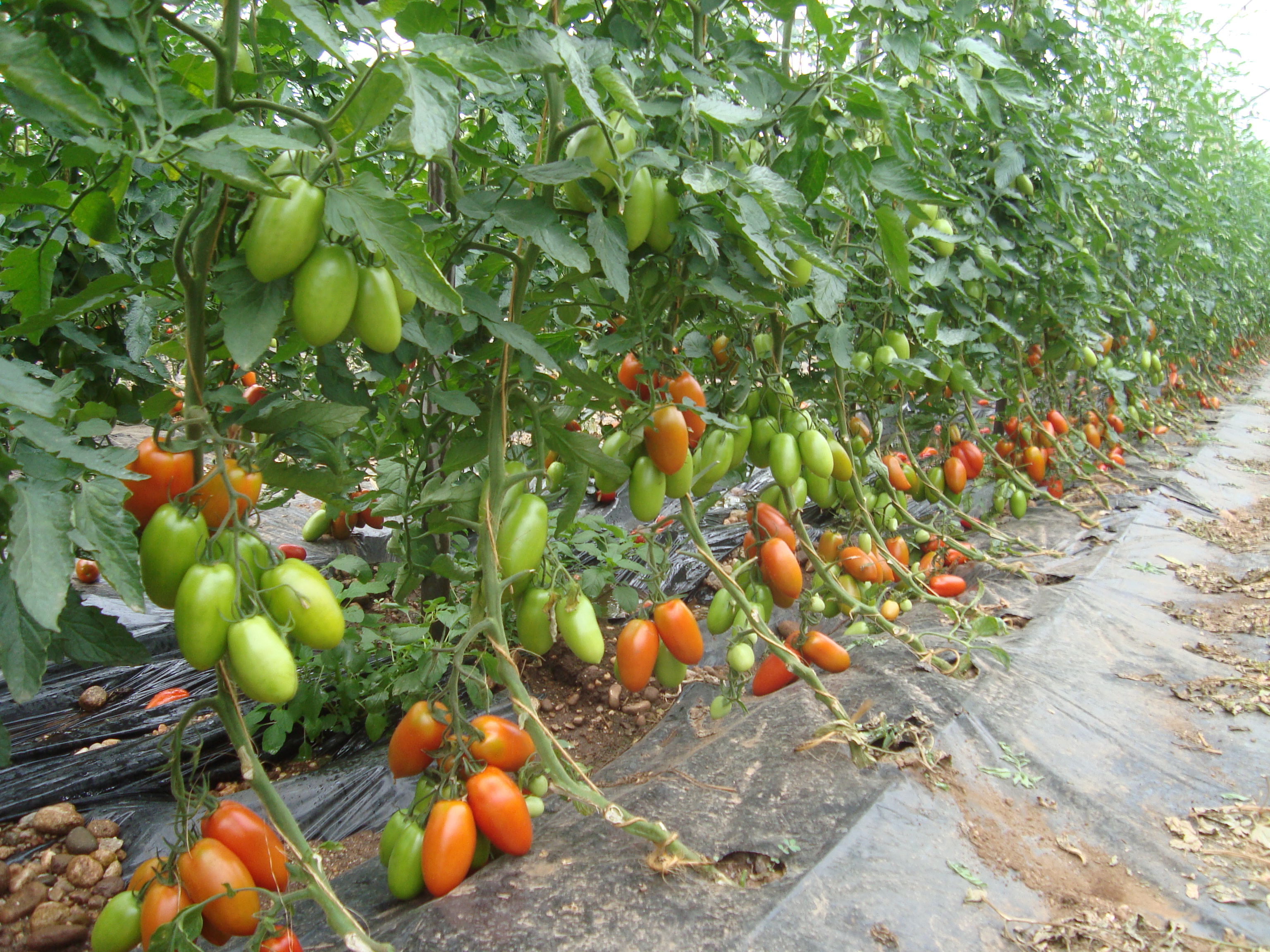
June 2011. Tomato crop grown with BioAksxter®: yields exceeded 900 quintals per hectare.
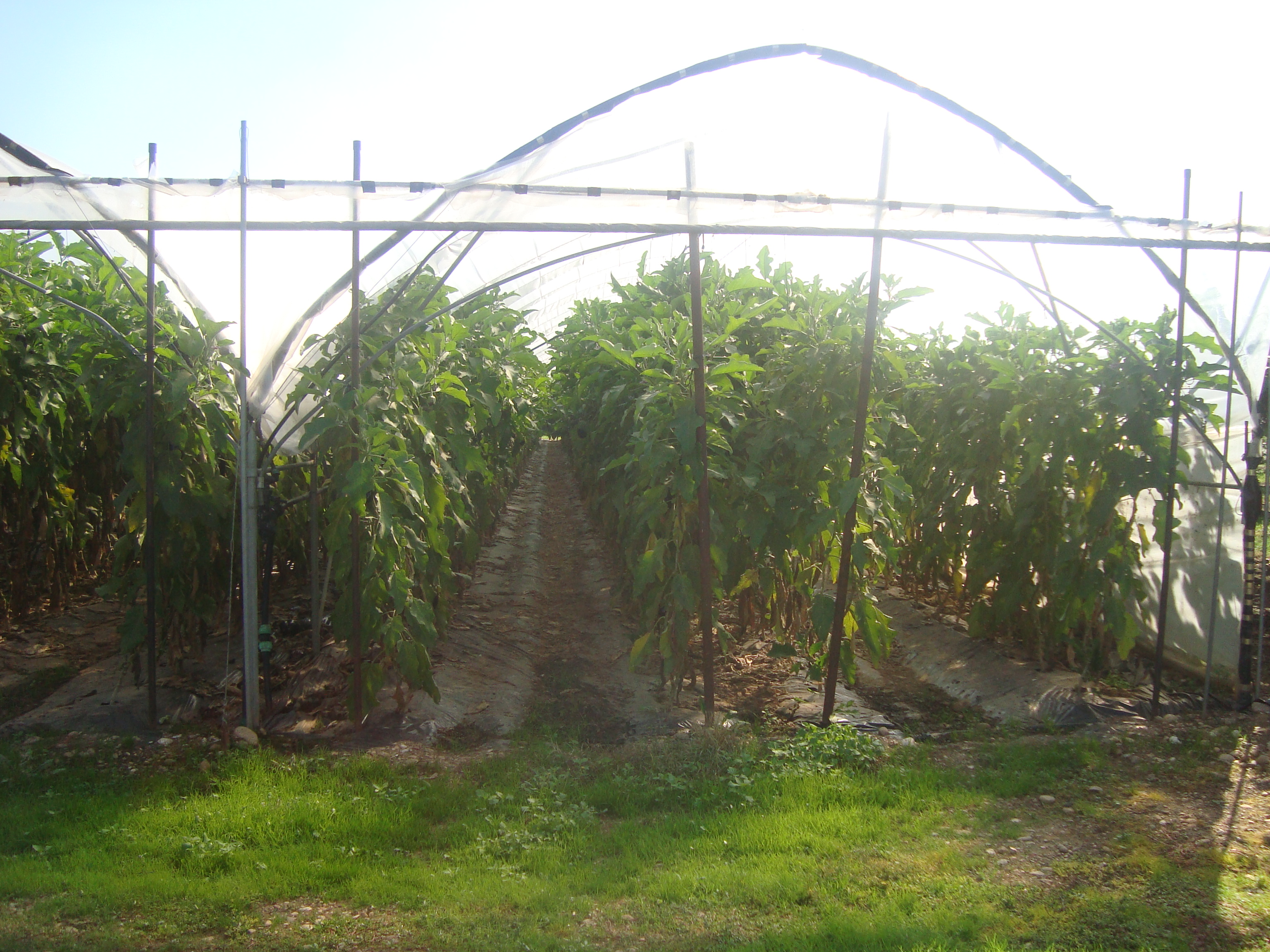
October 2011. Aubergine crop grown with BioAksxter®, showing excellent vegetative condition after more than 150 days of harvesting.
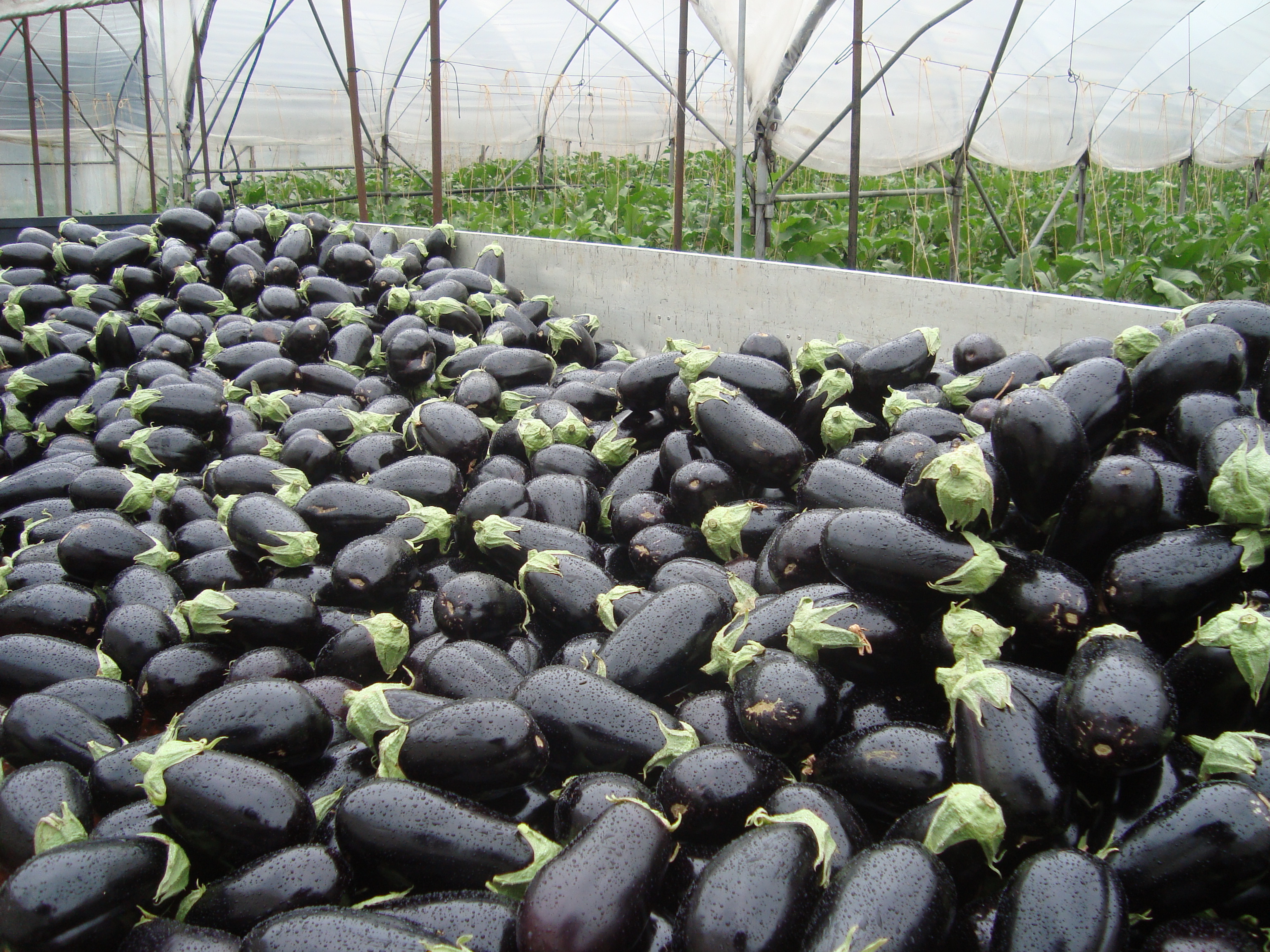
June 2011. High-quality aubergines grown with BioAksxter®.
The grower expressed complete satisfaction with the results achieved, particularly because he can now “grow crops freely without using chemical fumigants”.


