Increasing farm profitability sustainably
Anyone who separates the environment from economics is already making a mistake.
There is still a widespread belief that environmental protection and farm profitability are conflicting objectives. In reality, they are two sides of the same coin. The quality of the agronomic environment determines a farm's ability to generate income today and, above all, to continue generating it in the future.
It is from this principle that the concept of sustainable farm profitability emerges.
Farm profitability does not depend solely on production
One of the most common mistakes in farm management is confusing productivity with profitability.
For many years, success in agriculture has been measured almost exclusively in terms of yield per hectare. Today, however, this approach is proving increasingly inadequate. Higher production does not automatically translate into higher profits and, consequently, greater income.
How many times have you harvested more than the previous year without seeing any real improvement in your farm's financial performance?
Yield, revenue, profit and profitability: four distinct economic indicators
Before exploring the topic in greater depth, it is important to distinguish four economic indicators that are often confused with one another:
- Agricultural yield: the quantity of produce harvested per hectare or per production unit.
- Farm revenue: the total economic value generated from product sales.
- Profit (or net profit): the actual financial return remaining after all production costs have been deducted.
- Farm profitability: the ability of a farm to generate profit in relation to the resources invested.
The most successful farms do not simply monitor production; they also evaluate more comprehensive economic indicators, such as:
- Gross margin per hectare
- Production cost per tonne
- Net profitability
- Return on investment (ROI)
- Production input efficiency
In other words, a successful farming season is not the one that fills the most trailers, but the one that leaves the highest economic return once the harvest is over.
At this point, it is worth asking: "If I have to spend twice as much just to harvest a few extra tonnes, is it really worth it?"
High-yield crops are not always the most profitable
The crop that fills the most trailers is not always the one that delivers the greatest return to the farm business.
The difference lies in crop selection. Some crops can achieve very high yields while generating relatively low profit margins, particularly in commodity markets, where prices are heavily influenced by international market volatility. It happens every year: months of hard work lead to an abundant harvest, only to find that, by the time the crop is ready for sale, the market has already set a different price. The harvest may be plentiful, but the farmer's enthusiasm often is not.
Conversely, certain specialised or niche crops can deliver higher profitability while requiring comparatively smaller cultivated areas. Examples include berries, medicinal herbs, premium zero-residue vegetables, microgreens for the gourmet food sector, aromatic herbs, and high-value organic crops such as ancient grains.
However, the profitability of a crop should never be assessed solely on the basis of its selling price. Other critical factors must also be considered, including product perishability, access to marketing channels, logistics, and market demand. In short, there is a much longer journey from the field to the farm's bank account than most people realise.
A healthy agricultural environment is the foundation of farm profitability
Crop productivity is closely linked to the condition of the agronomic environment in which plants grow. Agricultural systems exposed to intensive chemical inputs for decades gradually experience a decline in the biological fertility of the soil. The accumulation of chemical residues, excessive soil salinisation, the depletion of organic matter and the loss of beneficial soil microorganisms directly impair a crop's ability to develop under optimal conditions.
From an agronomic perspective, these processes result in reduced crop uniformity, smaller fruit size, increased plant losses, lower plant vigour, greater susceptibility to biotic and abiotic stresses, and higher levels of production waste.
Plants growing in a biologically degraded environment must expend more energy to cope with stress conditions. As a result, the overall efficiency of the crop declines, directly affecting both productivity and final product quality.
Consequently, degraded soils lead to progressively higher production costs year after year.
Conversely, a more balanced agricultural environment promotes more uniform vegetative growth, improved photosynthetic efficiency, and a greater capacity for crops to express their full productive and qualitative potential over time.
For this reason, farm profitability can no longer be considered separately from the biological quality of the growing environment. The health of the soil–plant system is, in fact, one of the fundamental physiological foundations of modern agricultural productivity.
BioAksxter® fits within this context as an innovation for modern agriculture, being the only fertiliser on the market with a decontaminating action. Its role extends far beyond conventional fertilisation, focusing on the overall improvement of the agronomic conditions in which crops develop. By restoring the balance of the growing environment, BioAksxter® progressively decontaminates the soil, the plant and the fruit, enabling crops to express their full productive potential. This results in improved production efficiency and higher final crop quality.
To learn more about the results achieved by agricultural businesses using BioAksxter®, visit our dedicated "BioAksxter® success stories" page.
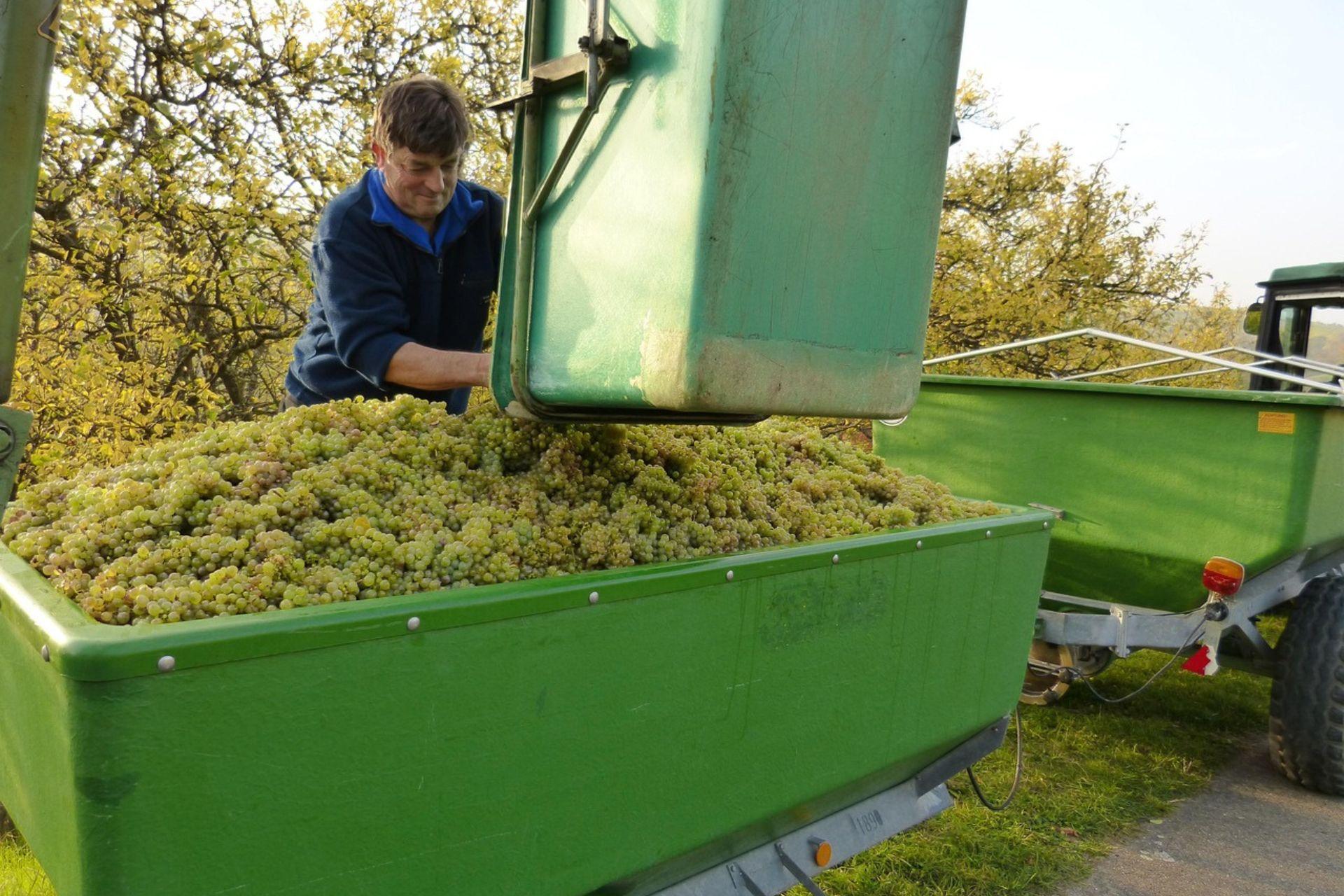
Less waste, greater efficiency: where farm profitability is really built
In agriculture, a significant share of economic losses does not result solely from extreme weather events or obvious declines in productivity, but from the many inefficiencies that gradually accumulate throughout the crop cycle. Seed mortality, poor root development, gaps in crop establishment, transplant establishment failure, uneven crop growth, plant mortality and increasing production losses often represent "hidden" costs that ultimately reduce a farm's profitability.
Very often, these issues are addressed only once they become evident, leading to even higher management costs. Sound farm management, however, is not based on continuously correcting problems after they arise, but on preventing the agronomic imbalances that cause them in the first place.
Reducing unnecessary inputs improves farm margins
One of the factors that most significantly affects modern farm profitability is the fragmentation of agronomic management. In many farming operations, every issue is addressed with a specific product, a separate corrective treatment or an additional intervention. Individually, these solutions may appear economically justifiable, but together they often lead to a substantial increase in annual production costs. This includes biostimulants, foliar products, beneficial microorganisms and many other specialised inputs.
For this reason, an increasing number of farms are adopting multifunctional agronomic solutions capable of acting simultaneously on several aspects of both crop performance and the growing environment, ultimately improving overall farm profitability.
BioAksxter® is a multifunctional agronomic input designed not only to provide crop nutrition, but also to enhance the plant's natural defence mechanisms against pathogens, improve the quality of agricultural produce, and much more. A single multifunctional solution available to growers. From an economic perspective, BioAksxter® helps optimise the costs associated with field operations, improving the farm's long-term economic sustainability.
Farm profitability in organic and conventional agriculture
The issue of farm profitability is often oversimplified by contrasting organic farming with conventional farming. In reality, the economic sustainability of a farm depends far more on the quality of its agronomic management than on the production system itself. Ultimately, it depends on the farm's ability to maintain a balanced, fertile and efficient agronomic environment over time.
For many years, conventional farming has been associated with high crop yields and greater economic stability. However, today's agricultural landscape is profoundly different from that of the 1980s and 1990s. In many agricultural regions, the progressive degradation of soils, biological imbalances and increasing environmental stresses are directly affecting crop productivity. A degraded agronomic environment reduces the overall efficiency of the entire production system.
Organic farming, on the other hand, is often perceived as being less productive than conventional farming. According to several European techno-economic studies, organic yields may be between 10% and 30% lower than those achieved under conventional farming, depending on the crop and local soil and climatic conditions. At the same time, however, the higher market value of organic produce can offset lower productivity, particularly in high-value supply chains. In terms of profitability, data published by SINAB (Italian National Information System for Organic Agriculture) show that, with the same labour intensity per utilised agricultural area (UAA), organic farms achieve an average net profitability approximately 20% higher than conventional farms. These findings confirm that the economic sustainability of agriculture depends not solely on production levels, but on the overall balance between production costs, the value of output and management efficiency.
For this reason, comparing the profitability of organic and conventional farming solely in terms of production volume is likely to be an oversimplification.
The real question today is: "Under which agronomic conditions is a crop able to generate sustainable profitability?"
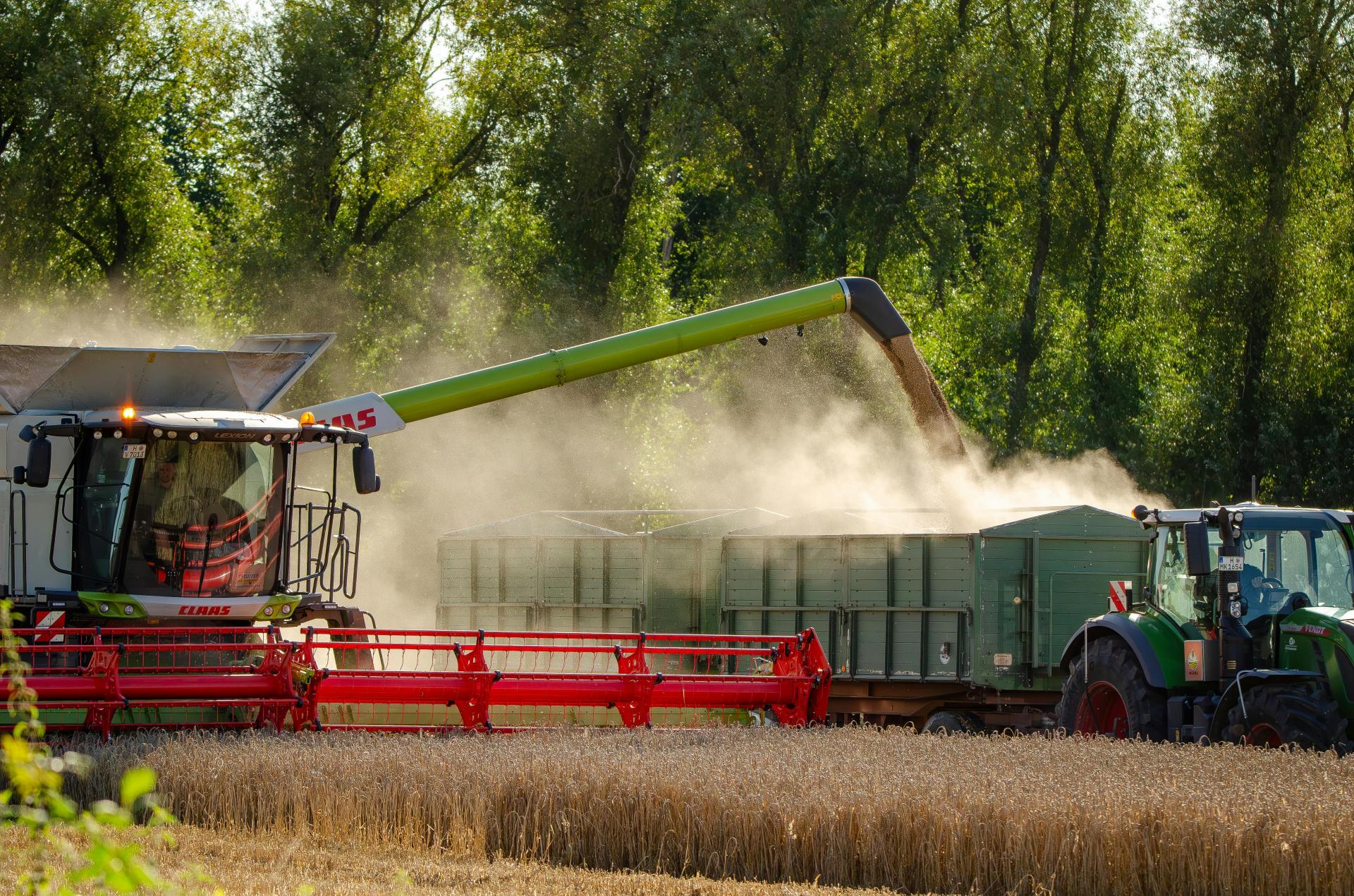
Climate risk management is now an integral part of farm profitability
Farm profitability increasingly depends on a farm's ability to manage climate-related risks. Drought, hailstorms, sudden temperature fluctuations and other extreme weather events can wipe out months of investment, labour and production costs in just a matter of hours.
Once again, prevention proves to be a strategic component of sound farm management. Protecting crops also means protecting the farm's long-term financial sustainability.
From this perspective, AntGran® magnetic cover anti-hail systems provide a preventive and strategic solution for hail risk management.
From an economic standpoint, a single hailstorm can compromise an entire production cycle, the market quality of the harvest, crop uniformity, product shelf life, final yields and, above all, the farm's economic continuity.
In an increasingly unstable climate, farms can no longer focus solely on crop nutrition and plant protection. Today, it is essential to strengthen crops' ability to respond to environmental stress while minimising production losses caused by extreme weather events. This is precisely where BioAksxter® delivers its value.
Preserving a farm's productive capital
When we talk about productive capital, we are referring to much more than farmland, machinery or farm infrastructure. It also includes soil fertility, the biological balance of the agronomic environment, and everything that enables a farm to generate value consistently over time. How much does it cost to rebuild what has been gradually degraded over the years? And what impact do these decisions have on the farm's future profitability?
Preserving this productive capital means safeguarding farm profitability over the long term.
It is therefore worth asking: "Is every investment I make today increasing my farm's productive capital, or is it simply supporting this season's production?"
The history of agriculture provides concrete examples of the long-term cost of neglecting productive capital.
The Campo de Cartagena, Spain (1980s – present)
Over the past four decades, Campo de Cartagena, one of Europe's leading horticultural production areas, has significantly increased its productivity through highly intensive farming practices. However, the prolonged use of synthetic agricultural inputs, together with the progressive disruption of the environmental balance, has contributed to the deterioration of the nearby Mar Menor ecosystem. Today, this region remains one of Europe's most extensively studied examples of how production intensification can gradually compromise both productive and environmental capital.
Once again, this case demonstrates that the environment and economic performance are two sides of the same coin.
The Gezira Scheme, Sudan (2000s – present)
The Gezira Scheme is one of the largest irrigated agricultural areas in the world. Located in central-eastern Sudan, between the Blue Nile and the White Nile, south of Khartoum, it was originally established as a major cotton-producing region. Today, it also supports extensive cultivation of wheat, sorghum, groundnuts and other food crops. Since the early 2000s, the Gezira Scheme has been repeatedly cited in the scientific literature as a case study of agricultural contamination. The issue extends beyond the current use of plant protection products and includes the historical accumulation of persistent contaminants in soils and water resources. In particular, studies have documented residues of organochlorine pesticides such as DDT, lindane, aldrin, dieldrin and endrin, together with obsolete pesticide stockpiles and contaminated containers that have not been adequately managed through remediation programmes.
The North China Plain (1980s – present)
The North China Plain, located within the Yellow River Basin, is one of the world's most productive cereal-growing regions. Since the 1980s, however, agricultural intensification has led to a growing reliance on chemical fertilisers and plant protection products. Numerous studies have documented soil acidification, heavy metal contamination and the progressive loss of the soil's biological quality, highlighting how increased agricultural production can become unsustainable when it is not accompanied by the preservation of productive capital.
The Murray–Darling Basin, Australia (1960s – present)
The Murray–Darling Basin is Australia's principal agricultural region and one of Oceania's most important food-producing areas. Since the 1960s, agricultural intensification, land clearing and the expansion of irrigation have contributed to a gradual rise in groundwater levels, bringing naturally occurring salts in the subsoil closer to the surface. The result has been widespread soil salinisation, accompanied in some areas by soil degradation and declining water quality. Today, the Murray–Darling Basin remains one of the world's best-documented examples of how the loss of environmental balance can, over the long term, compromise agricultural productivity and require substantial investment to restore and preserve productive capital.
The Great Plains of the United States and Canada (1930–1940)
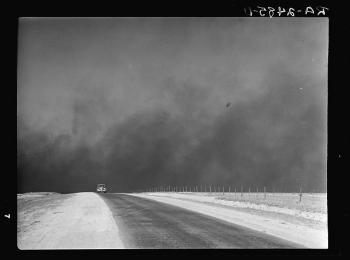
While the previous examples demonstrate how the accumulation of unsustainable practices can gradually erode productive capital, the Dust Bowl of the 1930s remains perhaps the most emblematic case in the history of modern agriculture. Across the Great Plains of the United States and Canada, vast natural grasslands were converted into farmland through intensive cultivation practices that removed the native vegetation cover and profoundly altered the ecological balance. When a prolonged drought struck the region, the soil—no longer protected by its natural vegetation or its biological stability—became highly vulnerable to wind erosion. Dust storms swept across millions of hectares for nearly a decade, forcing countless farms to be abandoned. Thousands of families suffered from hunger and malnutrition, while the value of agricultural land collapsed.
Even today, the Dust Bowl remains one of history's most powerful examples of how disrupting the natural balance of agricultural ecosystems can trigger an economic, agricultural and social crisis.
These are not five isolated events. They are simply different chapters of the same story. The history of agriculture has shown time and again that productive capital can be lost. Geography changes, but the lesson remains the same.
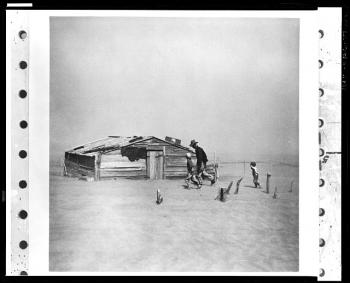
Dust Bowl, 1936. A farmer and his sons walk through a dust storm in Cimarron County, Oklahoma (United States). Photograph by Arthur Rothstein.
Dust Bowl, 1936. Massive dust clouds advance across the Texas Panhandle (United States). Photograph by Arthur Rothstein.